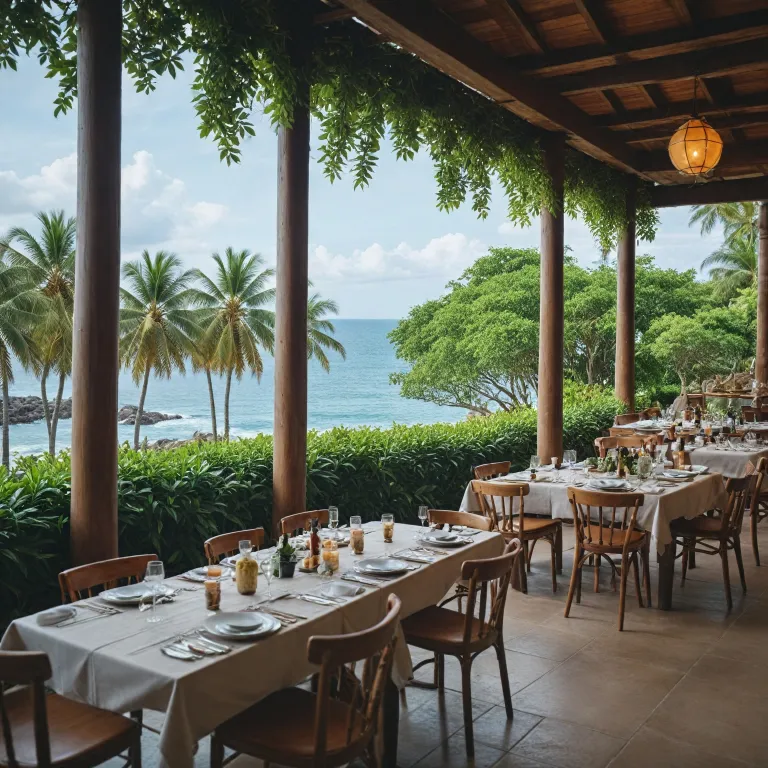
Curating exceptional dining experiences in all inclusive resorts
All inclusive resort dining options have become a defining feature for both guests and operators in the hospitality industry. Resort management and culinary teams collaborate to create a seamless dining experience that balances variety, quality, and convenience. The integration of buffet-style dining, à la carte restaurants, and room service ensures that guests enjoy a comprehensive selection of meals throughout their stay. The culinary landscape within inclusive resorts is shaped by a commitment to both international and local cuisine. Italian restaurants, Asian fusion venues, and Caribbean-inspired eateries are common, offering guests a global culinary journey without leaving the resort. The rise of fine dining options, such as those found at Sandals Royal or Grand Velas Riviera Maya, reflects a growing demand for elevated service and gourmet meals. Resort offers often include locally sourced ingredients, supporting regional suppliers and enhancing the authenticity of each dish. Inclusive dining is not only about the food but also the atmosphere. Bars, snack cafes, and specialty restaurants contribute to a dynamic environment where guests can check the daily menus or reserve a table via mobile apps. The collaboration between chefs, food suppliers, and beverage partners ensures that the inclusive resort experience remains innovative and guest-centric. For directeurs F&B and executive chefs, the challenge lies in maintaining consistency and quality across multiple outlets while adapting to evolving guest preferences.Innovative culinary concepts and specialty dining venues
The evolution of all inclusive resort dining options is marked by the introduction of specialty restaurants and themed culinary nights. Resorts in destinations such as Playa del Carmen, Punta Cana, and Cap Cana have embraced the trend of offering diverse cuisine, from Italian trattorias to Asian fusion bistros. These venues often require advance reservations, especially during peak periods, to ensure a refined dining experience for all guests. Fine dining has become a hallmark of luxury inclusive resorts, with establishments like Live Aqua and Velas Riviera Maya setting new standards. These resorts offer curated tasting menus, wine pairings, and chef-led culinary events that elevate the traditional inclusive dining model. The inclusion of vegan, gluten-free, and allergen-friendly options demonstrates a commitment to catering to diverse dietary needs. Guests are encouraged to check the resort's dining options and reservation policies before arrival. "Do I need to make reservations for dining at all-inclusive resorts? It depends on the resort; some require reservations for certain restaurants, especially specialty or à la carte venues." This approach ensures that guests can fully enjoy the range of restaurants and bars available, from casual poolside grills to elegant adults inclusive dining rooms. For operators, the challenge is to balance exclusivity with accessibility, ensuring that every guest enjoys a memorable meal. For more insights on optimizing restaurant operations, explore our guide on restaurant management best practices.Locally sourced ingredients and sustainable food practices
A growing emphasis on sustainability has influenced the way inclusive resorts approach their food and beverage programs. Many resorts in Mexico, the Dominican Republic, and the Caribbean prioritize locally sourced ingredients, forging partnerships with regional farmers and fisheries. This not only supports the local economy but also enhances the freshness and flavor of the cuisine offered in resort restaurants. Culinary teams are increasingly incorporating organic produce, line-caught seafood, and artisanal products into their menus. The result is a dining experience that reflects both the terroir and the traditions of the destination. Cooking classes and culinary tours, now common features at resorts like Sandals and Grand Velas, allow guests to engage with local food culture firsthand. Inclusive dining now extends beyond traditional buffets to include farm-to-table concepts and chef’s table experiences. These initiatives appeal to discerning guests seeking authenticity and transparency in their meals. For more on sustainable sourcing and culinary innovation, visit our article on sustainable food sourcing in hospitality. The integration of these practices into the inclusive resort model demonstrates a commitment to both guest satisfaction and environmental stewardship.Technology and personalization in inclusive dining experiences
The adoption of technology has transformed the way guests interact with dining options at inclusive resorts. Mobile apps enable guests to check restaurant availability, make reservations, and view daily menus from the comfort of their rooms. This seamless integration of digital tools enhances convenience and allows for greater personalization of the dining experience. Resort management leverages guest data to tailor meal offerings, accommodate dietary restrictions, and anticipate preferences. For example, adults inclusive resorts may offer exclusive dining experiences or private chef services for couples and groups. The use of technology also streamlines operations, allowing culinary staff to manage reservations and service flow more efficiently. In-room dining menus and 24-hour room service, available at over 60% of inclusive resorts, provide additional flexibility for guests. The ability to customize meals and request special services contributes to a sense of luxury and attentiveness.Operational challenges and cost management for F&B leaders
Managing diverse dining options within an inclusive resort presents unique operational challenges. Directeurs F&B and executive chefs must oversee multiple restaurants, bars, and service points, ensuring consistency in food quality and service standards. The average all inclusive resort features seven restaurants, each with distinct menus, staffing needs, and operational requirements. Cost management is a critical concern, particularly when offering premium ingredients and specialty dining experiences. The average additional cost for specialty dining is 50 USD per person, which may be passed on to guests or absorbed as part of the resort’s value proposition. Operators must balance the desire for culinary excellence with the realities of budget constraints and supply chain fluctuations. Staff training, menu engineering, and supplier relationships are essential components of successful inclusive dining programs. Collaboration with local food producers and international beverage brands ensures a steady supply of high-quality ingredients. The integration of technology, such as mobile reservation systems, further supports operational efficiency and guest satisfaction.Enhancing guest satisfaction and competitive differentiation
The ultimate goal of all inclusive resort dining options is to enhance guest satisfaction and drive repeat bookings. Resorts differentiate themselves through unique culinary offerings, immersive dining experiences, and attentive service. The expansion of fine dining, specialty cuisine, and adults inclusive venues reflects a commitment to exceeding guest expectations. Guests are advised to review the resort’s dining options and reservation policies before arrival, and to inquire about any additional costs for specialty dining or premium beverages. "Are all meals and drinks included in the all-inclusive package? While most meals and standard drinks are included, some resorts may charge extra for premium beverages or specialty dining experiences." Dress codes may apply at certain restaurants, with smart casual attire often required for dinner service. The impact of inclusive dining on guest satisfaction is significant. Positive dining experiences contribute to favorable reviews, increased loyalty, and a strong competitive position in the market. For F&B leaders, continuous innovation and a focus on quality are essential to maintaining the appeal of inclusive resort dining options.Key statistics on all inclusive resort dining options
- Average number of restaurants per all-inclusive resort: 7 restaurants
- Percentage of all-inclusive resorts offering 24-hour room service: 60%
- Average additional cost for specialty dining experiences: 50 USD per person
Frequently asked questions about all inclusive resort dining options
Are all meals and drinks included in the all-inclusive package?
While most meals and standard drinks are included, some resorts may charge extra for premium beverages or specialty dining experiences.
Do I need to make reservations for dining at all-inclusive resorts?
It depends on the resort; some require reservations for certain restaurants, especially specialty or à la carte venues.
Are there dress codes for dining at all-inclusive resorts?
Yes, some restaurants may have dress codes, such as requiring smart casual attire for dinner.
Trusted sources for further information
- https://www.hotelmanagement.net
- https://www.hospitalitynet.org
- https://www.restaurantbusinessonline.com