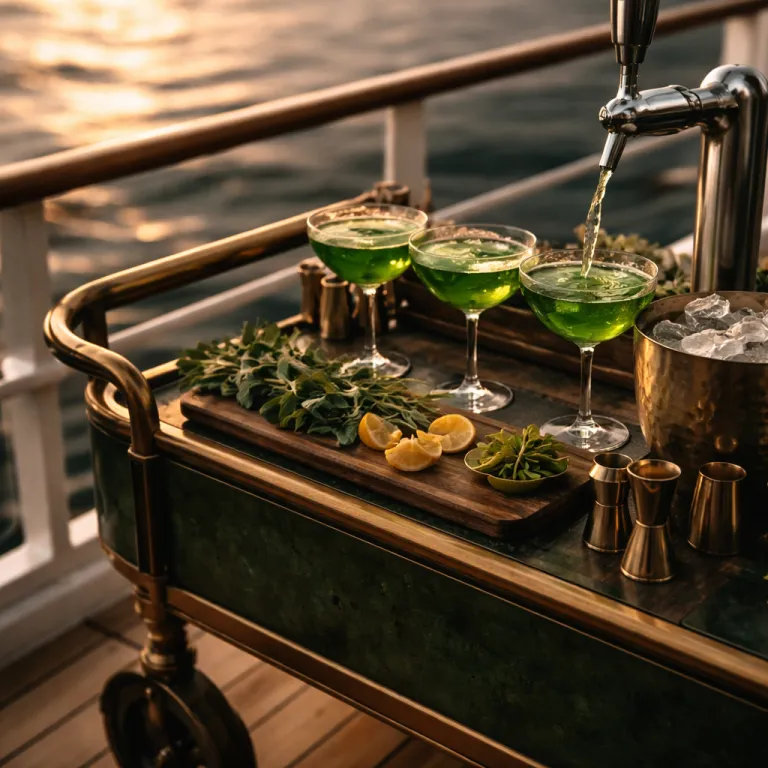
Cruise F&B discipline as a blueprint for hotel bar concepts
Cruise operators arrived at F&B@Sea in Miami with a clear agenda around beverage profitability and guest retention in every hotel bar on board. Their teams treat each bar, restaurant, pub and lounge as a separate profit center, yet they align design, menu engineering and labor models with a single revenue strategy across the entire hotel style ship. For revenue directors in urban or resort hotels, those hotel bar concepts offer a hard benchmark on pour cost, bar counter productivity and bar lounge dwell time that most land based properties still underestimate.
On ships, every square metre of interior is costed against expected spend per guest, which forces sharper choices about seating density, tables configuration and lighting scenarios in each luxury bar or wooden bar. Carnival Cruise Line executives at F&B@Sea cited internal data showing beverage revenue per guest up more than 20 % over five years after reworking bar layouts and theming, a level of uplift that gives hotel owners a concrete target for their own lobby bar and cocktail lounge redesigns. In one Carnival pilot, a midship lobby bar that shifted from a generic lounge to a themed cocktail venue saw average check rise from USD 11.40 to USD 13.90 and dwell time increase by 18 %, while maintaining similar labor hours. Cruise brands work with interior design studios to segment a lobby lounge, restaurant bar and irish pub style venue within one contiguous area, using bar design, acoustic zoning and bar interior finishes instead of walls. That same approach can help a boutique hotel convert underused hotel lobby space near the reception desk into a modern bar or cocktail focused bar lounge that attracts both in house and local guests.
Data from F&B@Sea sessions and Southern Glazer’s Wine & Spirits Liquid Insights 2023 report showed cruise lines pushing dopamine decor, biophilic design and invisible technology integration to keep guests circulating between hotel bars equivalents all day. One panel highlighted that 94 % of guests now say they value unique bar experiences, based on a 2022 Mingsun Group survey of 2,000 international travelers, which validates investment in elegant interior upgrades and flexible bar ideas rather than another generic hotel restaurant refresh. For hotel and boutique hotel owners, the message is direct ; treat every bar, lounge and restaurant interior as a revenue lab, not a design afterthought, and use detailed photos, POS data and time stamped checks to track which modern or irish inspired concepts actually move the needle.
RTD cocktails, minibar strategy and room service inspired by cruise models
Cruise operators have quietly turned bartender quality ready to drink cocktails into a core pillar of their beverage programs, and that shift should be front of mind for anyone rethinking hotel bar concepts. Southern Glazer’s Liquid Insights 2023 reports the prepared cocktails to go market at USD 853.2 million with a projected 14 % CAGR to 2030, and cruise lines are locking in volume deals that guarantee consistent quality and predictable pour cost. For a luxury hotel or design led boutique hotel, the same RTD logic can underpin minibar assortments, late night room service and even a free welcome cocktail voucher at the bar counter to drive early evening traffic.
On ships, those prebatched cocktails are not a downgrade from the main bar ; they are an extension of the bar lounge experience into cabins, pool decks and theatre spaces. Hotels can mirror this by aligning the minibar, lobby grab and go and restaurant bar prebatch programs under one beverage director, with shared recipes, shared costing and shared training. That structure supports a modern bar offer in the lobby area, a more irish pub leaning outlet near meeting rooms and a quieter lounge bar interior beside the hotel restaurant, all using the same base SKUs and interior design language.
For breakfast and all day concepts, cruise teams already treat coffee, milk based drinks and indulgent shakes as high margin anchors, which has clear parallels for hotels upgrading their beverage led breakfast. A revenue focused director can study farm to glass dairy programs for modern hospitality and then layer in mocha milkshake style signatures that travel well from restaurant interior to room service tray. Linking those initiatives to broader culinary innovation, such as seafood base strategies that already proved their impact on menu profitability, helps position the bar, restaurant and lobby lounge as one integrated beverage ecosystem rather than isolated outlets, and turns the lobby bar into a true anchor for the overall hotel bar concept.
Talent flow, layout strategy and operational lessons for hotel bar leaders
The most transferable asset between cruise and hotel bar concepts is not a specific cocktail recipe ; it is the talent that has learned to run high volume beverage operations in genuinely captive environments. Bar directors moving from ships to a city hotel bring a ruthless focus on station layout, bar counter ergonomics and wooden bar durability, because they have lived the cost of every extra step behind the line. When those leaders collaborate with interior designers and architects early, the result is a luxury bar that looks elegant in photos yet still supports three bartenders working peak hour service without collisions.
Cruise teams also understand that every lobby, lounge and restaurant bar must flex across dayparts, which is where invisible technology and flexible seating come in. They specify lighting scenes, movable tables and modular seating so that a quiet hotel lobby style café by day can shift into a design bar with higher energy by night, without expensive resets. Hotels that copy this approach can turn a single interior area into a breakfast venue, co working lounge and cocktail forward bar lounge, all while keeping labor and bar design investment under tighter control.
For F&B directors, the operational takeaway is clear ; benchmark your pour cost, seat turnover and bar interior productivity against cruise standards, not just the hotel across the street. That means tracking how each hotel bar, restaurant interior and irish pub inspired outlet performs with both in house and external guests, and being willing to retire underperforming bar ideas quickly. As Hotel Bar Tampa, Desires Hotels and Kimpton Hotels & Restaurants have shown in their own multi level bar programs, the properties that treat bar design as a living P&L instrument, rather than a one off décor project, are the ones turning beverage innovation into sustained RevPAR and asset value gains.
Key statistics shaping hotel bar concepts
- 94 % of guests say they value unique bar experiences, which supports investment in differentiated hotel bar concepts rather than generic lobby lounges (Mingsun Group, Global Hospitality Bar Experience Survey, 2022).
- The prepared cocktails to go market is estimated at USD 853.2 million with a projected 14 % CAGR to 2030, giving hotel bars a clear benchmark for RTD program potential (Southern Glazer’s Wine & Spirits, Liquid Insights 2023).
- Cruise operators at F&B@Sea reported using dopamine decor, biophilic elements and invisible technology to increase guest dwell time and beverage spend across multiple bar areas, offering hotel F&B leaders a practical reference point for their own hotel bar concepts.
Questions hotel F&B leaders are asking about bar concepts
What is dopamine decor?
What is dopamine decor? Design elements that stimulate pleasure and excitement. For hotel bar concepts, that translates into bold yet elegant color, tactile materials at the bar counter and seating, and playful visual cues that encourage guests to order another cocktail or explore different hotel bars within the same property. Used with discipline, dopamine decor can lift perceived value in a luxury bar without inflating fit out budgets.
What is biophilic design?
What is biophilic design? Incorporating natural elements into interior spaces. In a hotel bar or restaurant interior, that can mean real planting, natural light, wooden bar finishes and stone tables that soften a modern bar aesthetic. Cruise and hotel operators use biophilic interior design to make dense seating layouts feel more spacious and to keep guests in the lounge area longer, which directly supports beverage revenue.
What is invisible technology?
What is invisible technology? Seamless integration of tech without visible hardware. For hotel lobby bars and boutique hotel lounges, this includes under counter charging, app based ordering that does not clutter the tables with QR codes, and sound systems hidden within the bar interior. Invisible technology lets F&B teams optimise service speed and data capture while keeping the design bar look clean and elegant for guest photos.
How can thematic design support hotel bar revenue?
Thematic design uses a clear narrative to connect the hotel, bar, restaurant and lounge into one coherent guest journey. A property might pair an irish pub inspired outlet with a contemporary cocktail bar and a quiet lobby lounge, each with distinct bar design and lighting but shared storytelling that encourages guests to circulate. When combined with flexible seating, efficient reception desk flows and targeted menus, thematic interior design can raise average spend per guest across all hotel bar concepts.
Why should hotels study cruise F&B programs?
Cruise F&B teams operate in a fully captive environment, which forces extreme discipline around pour cost, layout efficiency and multi use interior areas. Their experience running multiple bars, a hotel restaurant equivalent and several lounge spaces on one ship gives hotel leaders a real world benchmark for bar ideas, staffing models and beverage mix. By analysing cruise strategies on RTD cocktails, bar lounge zoning and talent deployment, hotels can refine their own modern bar concepts and close the profitability gap with the most efficient operators in hospitality.
Sources : Food & Beverage Magazine ; Southern Glazer’s Wine & Spirits Liquid Insights 2023 ; Mingsun Group Global Hospitality Bar Experience Survey 2022 ; F&B@Sea programme.