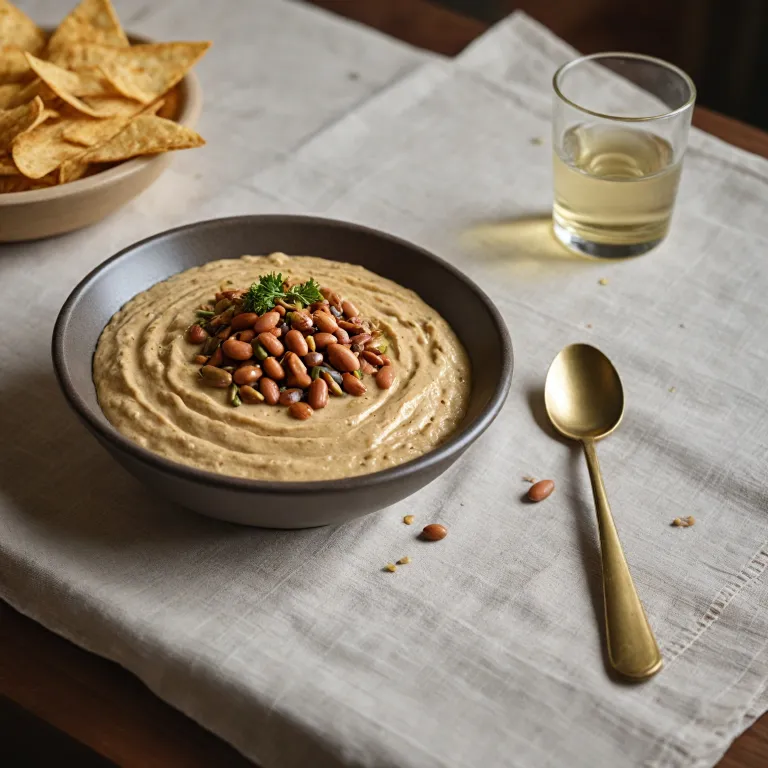
Reframing pinto bean hummus for hotel and resort F&B
Pinto bean hummus is emerging as a quietly powerful tool for hotel food and beverage teams. For directeurs F&B and chefs exécutifs, this creamy dip offers a way to elevate plant based options without alienating traditional guests. By replacing chickpeas with the pinto bean, operators gain a subtly earthy profile that pairs elegantly with wine, cocktails, and premium bar snacks.
In practice, the base hummus recipe remains familiar ; cooked pinto beans are blended in a food processor with tahini, garlic, lemon juice, and olive oil until smooth. The result is a creamy pinto texture that feels indulgent, yet the beans deliver protein, fiber, and a naturally gluten free positioning that resonates with wellness focused travelers. This pinto bean hummus format also adapts well to local sourcing strategies, since pinto beans are widely grown and often more cost effective than imported chickpeas.
From a menu engineering perspective, the same batch of pinto beans can support multiple hummus recipe variations across outlets. A classic version might highlight olive oil, sea salt, black pepper, and smoked paprika, while a Latin inspired creamy dip could add lime juice, chili powder, cayenne pepper, and fresh cilantro. Both hummus versions work with tortilla chips, grilled vegetables, and warm flatbreads, allowing chefs to control food cost while expanding perceived choice. For investors and groups hôteliers, this single bean hummus platform can underpin a family of profitable, low waste, high margin appetizers.
Designing a scalable pinto bean hummus recipe for multi outlet operations
To scale pinto bean hummus across a hotel portfolio, the starting point is a precise, operations friendly hummus recipe. Standardizing the base ensures that every property can add its own signature garnish while maintaining consistent texture and flavor. A typical batch might use cooked pinto beans, olive oil, lemon juice, garlic, and tahini, seasoned with sea salt, black pepper, and a measured teaspoon of smoked paprika.
In production, teams should rely on a robust food processor to achieve a truly creamy pinto texture in under a few time minutes per batch. Canned pinto beans are acceptable for high volume banqueting, provided they are well rinsed to remove excess salt and starch from the beans. For à la carte service, some chefs prefer house cooked pinto beans for better control of firmness and sodium, which can subtly influence how the final bean hummus carries spices like chili powder or cayenne pepper.
Once the base hummus is blended, culinary teams can split the batch and add regional accents without complicating mise en place. One portion might receive lime juice, fresh cilantro, and a touch of chili powder for a bar focused dip served with tortilla chips. Another portion could be enriched with fresh rosemary, extra olive oil, and a hint of black pepper to accompany warm bread in a fine dining outlet. By planning these variations at recipe level, directeurs F&B can align purchasing of pinto beans, oil, and spices across outlets, improving margins while keeping the guest experience fresh.
Balancing flavor, nutrition, and dietary expectations with pinto bean hummus
Modern hotel guests expect a dip that is both indulgent and nutritionally credible, and pinto bean hummus fits this brief. Compared with many cream based spreads, a well executed bean hummus delivers plant protein, fiber, and a naturally gluten free profile that suits mixed dietary groups. This allows chefs exécutifs to position pinto bean hummus as a default sharing plate for tables that include flexitarians, vegans, and health conscious business travelers.
Seasoning remains critical, because pinto beans have a softer, more neutral flavor than chickpeas and can easily be under seasoned. A balanced hummus recipe will layer sea salt, black pepper, smoked paprika, and sometimes chili powder or cayenne pepper, always tasting repeatedly as the beans, oil, and citrus integrate. Many chefs like to combine lemon juice and lime juice in the same creamy dip, using the lemon for brightness and the lime for a slightly tropical note that pairs well with tortilla chips and cocktails.
From a nutritional storytelling angle, F&B leaders can highlight that a typical serving of pinto bean hummus provides around 170 kilocalories, with approximately 7 grams of protein and 7 grams of fiber. This data supports menu language that emphasizes satiety and better for you snacking without promising unrealistic health benefits. When plated with fresh vegetables, black olives, and a drizzle of olive oil, the pinto bean base feels premium, while the beans themselves help control food cost more effectively than many animal protein appetizers.
Operationalizing pinto bean hummus across bars, banquets, and grab and go
For groups hôteliers and exploitants indépendants, the real value of pinto bean hummus lies in its operational versatility. The same core hummus recipe can be portioned into bar snacks, banquet canapés, and refrigerated grab and go offers with minimal additional labor. In each case, the pinto bean base remains constant, while garnishes, chips, and accompaniments shift according to outlet positioning.
In bars, a creamy pinto bean hummus can be served as a hero creamy dip with warm tortilla chips, crudités, and grilled flatbread. Here, chefs might add lime juice, chili powder, and cayenne pepper, finishing with smoked paprika and a thread of olive oil for visual impact. For banquets, the bean hummus can be piped onto small toasts or vegetable rounds, accented with fresh cilantro, black sesame, or micro herbs, allowing large volumes to be plated in just a few time minutes per tray.
Grab and go concepts in airport hotels or resorts can package 80 to 100 gram portions of pinto bean hummus with fresh vegetable batons and baked tortilla chips. Clear labeling should highlight gluten free status where applicable, along with key ingredients such as pinto beans, olive oil, sea salt, and lemon juice or lime juice. To deepen the plant based offer, some operators pair pinto bean hummus with salads that feature black beans, grilled vegetables, and fresh rosemary infused dressings, creating a coherent narrative around legumes and Mediterranean inspired flavors.
Flavor innovation, cross utilization, and premium positioning of pinto bean hummus
Once the base pinto bean hummus is established, flavor innovation becomes a strategic lever for differentiation. Chefs can create families of hummus recipe variations that reflect local terroir, seasonal produce, or brand identity, all while relying on the same pinto beans and core pantry items. For example, a smoky version might add smoked paprika, chili powder, and roasted garlic, while a herb forward variant uses fresh rosemary, parsley, and extra virgin olive oil.
Cross utilization is equally important, as pinto bean hummus need not remain confined to the role of dip. The same creamy dip can be spread in wraps, layered under grilled vegetables, or used as a component in plant based bowls that also feature black beans, grains, and fresh greens. Some properties even replace traditional mayonnaise based spreads with bean hummus in sandwiches, reducing egg usage while maintaining moisture and flavor through olive oil, citrus juice, and spices like cayenne pepper or black pepper.
For premium positioning, plating and storytelling matter as much as the beans themselves. Presenting pinto bean hummus on stoneware with a generous swirl of olive oil, a sprinkle of sea salt, and a dusting of smoked paprika immediately elevates perception. Linking this offer to broader menu innovation, such as how pizza with artisanal cheeses is reshaping premium hotel menus, can be supported with internal best practice content like this analysis of elevated pizza formats in hotel outlets. In this context, pinto bean hummus becomes part of a wider strategy to modernize casual dining while protecting margins and reinforcing brand identity.
Cost management, sourcing, and risk mitigation for pinto bean hummus programs
From an investment and procurement standpoint, pinto beans offer compelling advantages over more volatile protein sources. They are widely cultivated, relatively stable in price, and easy to store dry, which helps directeurs F&B hedge against supply chain disruptions. By building a signature pinto bean hummus into core menus, hotel groups can lock in a versatile, low risk component that supports both à la carte and banqueting.
Costing should account for beans, olive oil, citrus juice, tahini, and spices such as smoked paprika, chili powder, and cayenne pepper, along with garnishes like fresh cilantro or fresh rosemary. Because the base hummus recipe is simple, labor costs are predictable, especially when a powerful food processor is used to process large batches in a few time minutes. Operators can further optimize by aligning orders of pinto beans and black beans, using both across salads, hot dishes, and dips to reach volume thresholds that unlock better pricing.
Risk mitigation also includes allergen and dietary management, where pinto bean hummus has clear strengths. The dip is naturally gluten free when served without wheat based bread, and it avoids dairy and eggs, reducing the complexity of allergen communication. Clear labeling of ingredients such as pinto beans, olive oil, lemon juice, lime juice, sea salt, and black pepper helps reassure guests and staff alike. As one expert summary notes, “Pinto bean hummus uses pinto beans instead of chickpeas, resulting in a different flavor and texture.” This concise statement can be adapted into staff training materials so teams confidently explain the product to guests.
Training teams and communicating the value of pinto bean hummus to guests
For pinto bean hummus to succeed commercially, front and back of house teams must understand both the product and its positioning. Training should cover the core hummus recipe, key ingredients such as pinto beans, olive oil, lemon juice, lime juice, and spices, and the operational benefits of this creamy dip. When staff can explain why the beans are used, how the food processor creates a creamy pinto texture, and why the dip is gluten free, guest trust and upsell potential increase.
Role play exercises can help servers describe the dish in appealing, guest friendly language. Instead of technical jargon, they might say that the bean hummus is blended until silky with olive oil, citrus juice, sea salt, black pepper, and smoked paprika, then finished with fresh cilantro or fresh rosemary. They can also suggest pairings, such as tortilla chips and vegetables for sharing, or a small portion of pinto bean hummus alongside grilled fish, black beans, and seasonal salads for a balanced main course.
Menu descriptions should remain concise but evocative, emphasizing freshness, quality oil, and carefully chosen spices rather than long lists of beans and powders. Phrases like “creamy pinto bean hummus with lemon and lime juice, extra virgin olive oil, and a hint of chili powder and cayenne pepper” communicate value without overwhelming the reader. Over time, consistent communication across outlets helps position pinto bean hummus as a signature element of the brand’s plant forward identity, reassuring investors that this simple bean based dip is being leveraged to its full commercial and experiential potential.
Key quantitative insights on pinto bean hummus
- Approximate energy per standard serving of pinto bean hummus : 170 kilocalories.
- Approximate protein per serving of pinto bean hummus : 7 grams.
- Approximate dietary fiber per serving of pinto bean hummus : 7 grams.
Frequently asked questions about pinto bean hummus in hospitality
How does pinto bean hummus differ from traditional hummus?
Pinto bean hummus uses pinto beans instead of chickpeas, resulting in a different flavor and texture. For hotel and resort operations, this means a slightly creamier mouthfeel and a milder, earthier taste that pairs well with a broader range of wines and cocktails. It also allows chefs to align menus with regions where pinto beans are more culturally familiar or locally sourced.
Is pinto bean hummus suitable for vegans?
Yes, pinto bean hummus is typically vegan, as it contains plant-based ingredients. In most hotel kitchens, the recipe relies on pinto beans, olive oil, tahini, garlic, citrus juice, and spices, without any dairy or egg components. This makes it an efficient default option for mixed groups, simplifying menu engineering and allergen management.
Can I use canned pinto beans for making hummus?
Yes, canned pinto beans can be used ; just ensure they are drained and rinsed before blending. For high volume banqueting or room service, canned beans can save prep time minutes and provide consistent texture. Some properties still choose to cook dry beans in house for tighter control over salt levels and firmness, especially in flagship outlets.
What equipment is essential for producing pinto bean hummus at scale?
The critical piece of equipment is a reliable food processor or high capacity blender capable of handling large volumes of pinto beans and liquid. This ensures the hummus recipe achieves a smooth, creamy pinto texture without excessive manual labor. Many hotel kitchens also standardize on container sizes and portioning tools to keep yields and costs predictable.
How can pinto bean hummus support a plant forward menu strategy?
Pinto bean hummus provides a versatile, protein rich base that can be used as a dip, spread, or bowl component. By integrating this bean hummus across bars, banquets, and grab and go, operators can increase the share of plant based dishes without major menu disruption. This supports both sustainability narratives and guest demand for lighter, vegetable focused options.