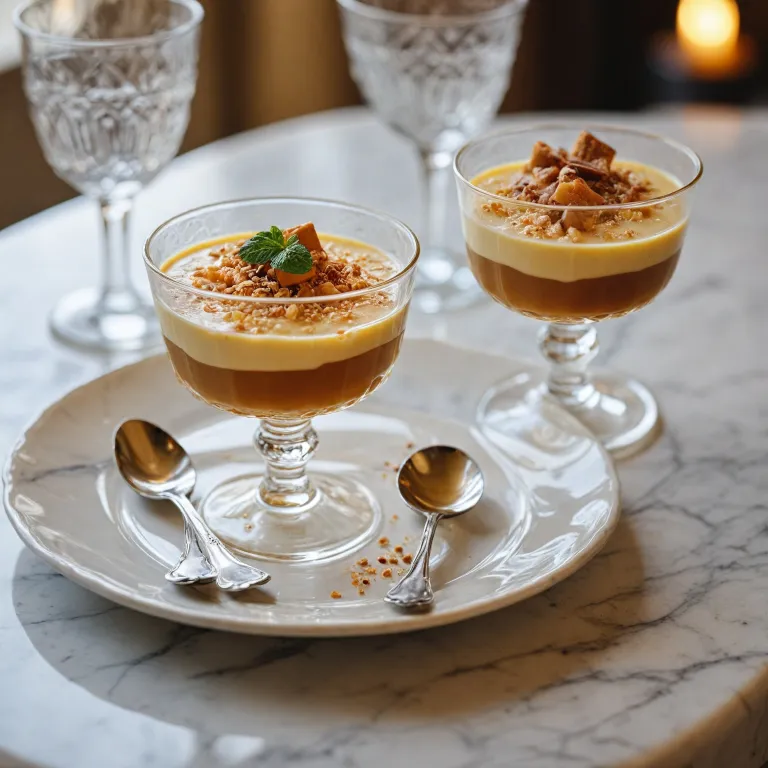
Strategic role of salted caramel budino in hotel and resort portfolios
Salted caramel budino has moved from cult favorite to strategic dessert asset. For directeurs F&B and chefs exécutifs, this Italian style pudding offers a rare mix of operational reliability and emotional impact, especially when engineered for multi outlet hotel environments. The layered structure of caramel, budino and cream allows precise portioning, strong cost control and consistent guest satisfaction across brands.
At Barbuzzo in Philadelphia, chef Marcie Turney built a reputation around a signature salted caramel budino that many executives now benchmark. The dessert’s architecture is simple on paper, yet powerful in practice ; a cookie crumbs base, a butterscotch style pudding mixture, then a glossy salted caramel sauce capped with lightly sweetened whipped cream. Each component can be produced in bulk, chilled safely, and finished à la minute, which suits both high volume banqueting and intimate rooftop bars.
From an investor perspective, the combination of brown sugar, heavy cream, butter and egg yolks translates into a premium perception with relatively low food cost. When cooked over medium heat rather than high heat, the caramel and budino layers remain stable during service windows of several hours. This stability reduces waste, simplifies mise en place for pastry équipes, and supports better labor productivity in properties where dessert stations are often understaffed.
Because budino is essentially an Italian word for pudding, the concept is easily localized without losing authenticity. Operators can position caramel budino as a signature dessert in brasseries, lobby lounges or pool bars, while still aligning with brand guidelines. The key is to codify a master recipe that balances salted notes, vanilla bean aromatics and cream richness, then train teams to reproduce it with discipline.
Engineering the perfect budino base for consistency and scale
Behind every successful salted caramel budino on a hotel menu lies a rigorously tested base recipe. The budino mixture must deliver a silky, spoon coating texture that holds under refrigeration yet relaxes elegantly at service temperature. To achieve this, pastry chefs typically combine milk, heavy cream, brown sugar and egg yolks, then cook gently over medium heat while stirring constantly.
The choice of vanilla is a strategic lever for both flavor and positioning. Using whole vanilla bean or high quality bean paste instead of artificial vanilla essence immediately elevates the dessert’s perceived value. When the scraped vanilla bean seeds are visible in the pudding, guests associate the budino with artisanal craft, which supports premium pricing in luxury and upper upscale hotels.
Technique is non negotiable if you want to avoid grainy textures or scrambled egg. Teams should whisk the egg yolks with part of the sugar before tempering with the warm cream mixture, then cook over medium heat until the custard coats the back of a spoon. At that point, it is essential to pour the hot base through a fine mesh or mesh sieve to remove any coagulated particles, then minutes remove from the bain marie to cool evenly.
For large properties, standardizing batch sizes in litre or cup units simplifies training and procurement. A typical ratio might be one cup of heavy cream to one cup of milk, adjusted according to brand standards and nutritional targets. Once portioned into glasses, jars or ramekins, the budino base can be held under refrigeration for several days, giving F&B managers valuable flexibility for banqueting forecasts and unexpected spikes in restaurant covers.
Mastering caramel, salted caramel and budino salted variations
The emotional power of salted caramel budino rests on the precision of its caramel work. Caramel production is deceptively simple ; sugar, water and controlled heat, yet in hotel environments the margin for error is narrow. For consistent results, many pastry teams rely on a wet caramel method, combining sugar and water, then cooking over medium heat before finishing briefly over high heat to reach a deep amber color.
Once the caramel reaches the right shade, chefs must remove heat immediately to avoid bitterness. At this stage, carefully whisking in warm heavy cream and butter creates a smooth caramel sauce that will sit atop the budino without separating. Adding sea salt transforms it into salted caramel, and the exact salt level should be calibrated through tastings with both culinary and marketing stakeholders.
Some operators also prepare a lighter caramel for the pudding layer itself, echoing chef Michael Salmon’s approach of combining butterscotch pudding and salted caramel. This allows a clear contrast between the budino base and the more intense salted caramel topping. When designing a budino salted variant for different outlets, chefs can adjust the ratio of brown sugar, maple syrup or corn syrup in the caramel to manage sweetness, viscosity and shelf life.
For brands targeting wellness conscious travelers, partial substitution of refined sugar with maple syrup can support a more natural positioning. However, corn syrup remains useful in small quantities to prevent crystallization in large batch caramel production. Whatever the formula, strict SOPs around medium heat, high heat and remove heat steps are essential, as is training staff to recognize visual cues rather than relying only on timers.
Operational design, mise en place and cross outlet deployment
From an F&B operations standpoint, salted caramel budino is a textbook case of smart mise en place. Each component can be produced in separate production windows ; the pudding base, the caramel sauce and the whipped cream topping. This modularity allows pastry équipes to align production with labor peaks, minimizing overtime while ensuring dessert stations remain fully stocked.
In central production kitchens for groups hôteliers, the budino mixture is often cooked in large kettles over controlled medium heat, then cooled rapidly and portioned. Caramel sauce can be prepared in parallel, cooked to temperature over high heat, then shocked with heavy cream and butter before teams minutes remove from the stove. Once chilled, both components travel well between outlets, provided cold chain integrity is maintained.
At the point of service, line cooks or bartenders can assemble the dessert in less than a minute. They start with a base of cookie crumbs, add a measured quantity of budino, spoon over salted caramel, then finish with whipped cream and a pinch of sea salt. This speed of assembly is particularly valuable in high volume venues such as poolside bars, where operators seeking elevated F&B experiences may also reference concepts like curated poolside bar programs in leading Miami hotels.
Because the dessert is fully chilled, it travels well on room service trays and banqueting buffets. Directeurs F&B can therefore standardize a single caramel budino platform across restaurants, lounges, in room dining and events, adjusting only garnishes and vessel formats. This cross outlet deployment improves purchasing leverage on cream, butter, vanilla and sugar, while simplifying allergen communication and nutritional labeling.
Guest experience, menu storytelling and brand differentiation
For guests, salted caramel budino is more than a dessert ; it is a narrative opportunity. Storytelling around Italian roots, the meaning of budino as pudding and the craft of caramel making can enrich menu descriptions and staff upselling scripts. When servers explain that the pastry team infuses heavy cream with real vanilla bean and finishes each portion with hand whipped cream, perceived value increases immediately.
Location based storytelling also plays a role in brand differentiation. Mentioning that Barbuzzo in Philadelphia is renowned for its salted caramel budino positions your version within a broader culinary conversation. Some properties invite guests to compare their caramel budino with iconic benchmarks, while others emphasize local twists such as regional sea salt, estate dairy cream or house baked cookie crumbs.
Visual presentation should align with the property’s design language and target segments. In lifestyle hotels, budino salted desserts might be served in casual glass jars with visible layers of pudding, salted caramel and whipped cream. In luxury resorts, the same recipe can be reframed in fine stemware, accented with chocolate shards, a drizzle of caramel sauce and a few grains of finishing sea salt for sparkle.
For family and leisure markets, adding a small chocolate element can broaden appeal without overshadowing the core caramel profile. A thin chocolate cookie base, a chocolate garnish or a subtle chocolate swirl in the pudding mixture can satisfy chocoholics while keeping the focus on salted caramel. Whatever the variation, the goal is to create a signature moment that guests remember and share, reinforcing brand loyalty and repeat visits.
Innovation, dietary shifts and future ready budino programs
As dietary expectations evolve, salted caramel budino programs must adapt without losing their indulgent soul. Operators are already experimenting with dairy free creams, plant based butter alternatives and reduced sugar formulas, particularly in wellness focused resorts. The challenge is to maintain the luxurious mouthfeel that comes from traditional heavy cream, egg yolks and brown sugar while meeting new nutritional KPIs.
One approach is to keep a classic caramel budino as the flagship dessert, then develop a parallel line of lighter or plant based puddings. In these versions, chefs may replace part of the heavy cream with oat or almond cream, adjust the sugar balance with maple syrup, and rely on bean paste for intense vanilla notes. Careful testing is required to ensure that the mixture still sets correctly and passes smoothly through a fine mesh or mesh sieve.
Innovation also extends to formats beyond the classic glass presentation. Some hotel groups are translating salted caramel budino into ice cream sandwiches, verrines for buffets, or frozen dessert bars for grab and go retail. Others are integrating elements of the recipe, such as salted caramel sauce or chocolate cookie crumbs, into plated desserts that feature seasonal fruit, creating a bridge between comfort food and contemporary gastronomy.
For investors restauration and suppliers F&B, the enduring popularity of salted caramel across markets signals a low risk platform for product development. Pre prepared caramel sauces, stabilized whipped cream toppings and ready to use cookie crumbs can all support hotel pastry teams facing labor shortages. By anchoring these solutions in the proven appeal of salted caramel budino, stakeholders can align operational efficiency with guest centric innovation.
Key quantitative insights and expert perspectives on salted caramel budino
"What is budino?" and "How is salted caramel budino made?" and "Where can I try salted caramel budino?"
- Calories per serving for a typical salted caramel budino portion average around 469 kcal, positioning it as a clearly indulgent dessert that should be portion controlled on hotel menus.
- Preparation time for a standard batch of salted caramel budino is approximately 50 minutes, which fits comfortably within central production schedules for most hotel pastry operations.
What is budino?
Budino is the Italian word for pudding, typically referring to a rich, custard like dessert. In the context of salted caramel budino, it designates the creamy base layer made from cream, milk and egg yolks. For hotel guests, the term signals both European heritage and a texture that is more luxurious than standard pudding.
How is salted caramel budino made?
It involves layering butterscotch pudding over a cookie crust and topping it with salted caramel. In professional kitchens, chefs prepare the budino base, cook a separate caramel sauce with sugar, water, butter and heavy cream, then assemble the dessert with whipped cream and sea salt. Each step can be scaled and standardized, which is why the recipe suits multi outlet hotel environments.
Where can I try salted caramel budino?
Barbuzzo in Philadelphia is renowned for its salted caramel budino. For hospitality professionals, this restaurant serves as a benchmark for flavor balance, texture and presentation. Visiting such reference venues can inspire adaptations tailored to specific hotel brands and regional markets.
What are the main ingredients in a hotel style salted caramel budino?
The core ingredients are heavy cream, milk, brown sugar, egg yolks, butter, vanilla bean or bean paste, sugar and sea salt. Many chefs also include cookie crumbs for the base and whipped cream for the topping. Some properties experiment with maple syrup or corn syrup in the caramel to fine tune sweetness and stability.
How can salted caramel budino support F&B profitability?
Because the dessert is based on relatively affordable ingredients like cream, sugar and eggs, it offers strong margins at premium price points. Its make ahead nature reduces last minute labor and waste, while cross outlet deployment increases volume on shared SKUs. For directeurs F&B and investors restauration, it represents a high impact, low risk addition to the dessert portfolio.