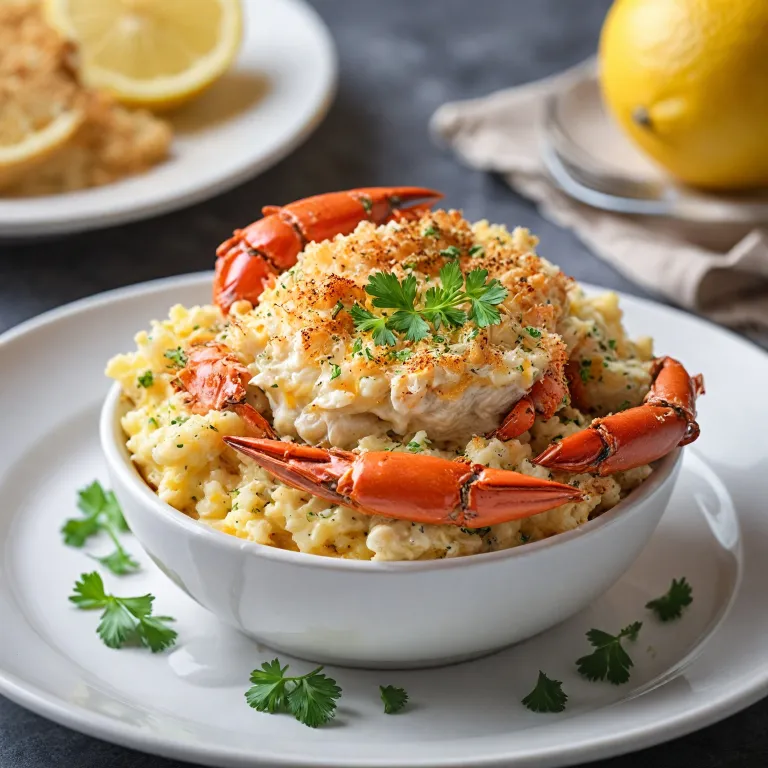
Understanding what is in crab imperial for professional kitchens
For hospitality leaders, understanding exactly what is in crab imperial starts with the crab itself. The classic dish relies on sweet crab meat or premium lump crab, ideally jumbo lump for a luxurious texture and clean seafood flavor. In high end hotels, chefs often specify hand picked lump crabmeat to guarantee consistency and reduce shell fragments during service.
At its core, crab imperial is a seafood dish of crabmeat bound with a rich imperial sauce and gently baked. The imperial sauce typically combines mayonnaise, egg, lemon juice, Worcestershire sauce, mustard, and aromatics to create a creamy base that highlights rather than masks the crab. When operators ask what is in crab imperial from a cost and sourcing perspective, the answer is a short but high value list of ingredients that demands rigorous procurement discipline.
Professional chefs balance the ratio of crab meat to sauce baked mixture to avoid a heavy, mayonnaise forward profile. A typical imperial recipe will use just enough binding to hold jumbo lump pieces together while preserving a delicate, almost soufflé like texture. For Directeurs F&B, this makes crab imperial an ideal benchmark dish to evaluate seafood recipes, kitchen technique, and supplier quality in parallel.
In the Chesapeake Bay tradition, the dish is baked until golden brown on top, often finished with a light layer of bread crumbs and parmesan cheese. This baked golden finish adds gentle crunch and visual appeal without overwhelming the flavor crab profile. For hotel groups, understanding what is in crab imperial also means understanding its story as a heritage imperial crab preparation that signals craftsmanship and regional authenticity on the menu.
Deconstructing imperial sauce and its impact on cost, labor, and consistency
When executives ask what is in crab imperial beyond the crab itself, the imperial sauce is the strategic lever. A classic imperial sauce blends mayonnaise, egg yolk, lemon juice, Worcestershire sauce, Dijon mustard, and seasonings into a stable emulsion. In large hotel operations, standardizing this imperial sauce recipe is essential to control flavor, food safety, and labor minutes across multiple outlets.
From a technical standpoint, each teaspoon of seasoning matters because crabmeat is delicate and easily overpowered. Professional chefs often calibrate salt, paprika, and Worcestershire sauce by half teaspoon increments during menu development tastings. For procurement teams, the relatively short list of ingredients simplifies sourcing, yet the premium positioning of crab imperial requires best in class quality for every component.
To support scalability, groups may centralize production of the base imperial sauce in a commissary, then add fresh jumbo lump or lump crabmeat at property level. This approach reduces on site preparation minutes mins while protecting the fragile structure of jumbo lump pieces. It also allows Directeurs F&B to negotiate better pricing on core ingredients like mayonnaise, lemon juice, and spices through specialized food and beverage procurement services linked to strategic supplier partnerships.
Because the dish is sauce baked, oven minutes and temperature must be tightly controlled to avoid splitting the emulsion. Most professional kitchens target a moderate heat that sets the egg and warms the crab meat without drying it. For investors and independent operators, this balance of simple ingredients, controlled oven minutes, and high perceived value makes crab imperial a compelling case study in margin management.
Operationalizing crab imperial in hotel and resort environments
Translating what is in crab imperial into a viable hotel menu item requires operational discipline. The dish is typically portioned into individual gratin dishes or ramekins, each filled with seasoned lump crab mixture and topped with a light crust. This format supports precise portion control, consistent cooking minutes, and elegant presentation for banquets and à la carte service.
For banqueting, chefs can pre assemble the crab meat and imperial sauce mixture, chill it safely, then bake to order for events. This reduces last minute stress on the hot line and allows accurate planning of oven minutes during peak service. Home chefs may improvise, but professional chefs must document exact recipes, including every teaspoon of seasoning and each step to add ingredients, to ensure repeatable results across brigades.
Because crab imperial is a premium seafood dish, Directeurs F&B often position it alongside other high value seafood recipes such as crab cakes or broiled fish. The same jumbo lump and lump crab supply chain can support multiple recipes, improving inventory turns and reducing waste. When operators understand what is in crab imperial, they can design cross utilization strategies that use the same crabmeat, bread crumbs, and parmesan cheese across several menu items.
In resort environments, the baked golden visual of imperial crab plays well in buffet and live station formats. Chefs can top crab imperial with a thin layer of seasoned bread crumbs to achieve a golden brown crust that holds under heat lamps for limited minutes. For investors, the combination of simple ingredients, strong perceived luxury, and flexible formats makes crab imperial a low complexity, high impact addition to a seafood focused portfolio.
Quality, sourcing, and sustainability of crab meat for imperial dishes
Understanding what is in crab imperial inevitably leads to a deeper discussion on crab sourcing. The choice between fresh, pasteurized, and frozen crab meat directly affects flavor, texture, and cost in hotel operations. Professional chefs typically favor fresh or high quality pasteurized jumbo lump and lump crab for imperial crab preparations where the crabmeat is the hero.
For groups operating across regions, standardizing crab specifications is essential to maintain a consistent imperial recipe. Clear definitions for jumbo lump, lump crab, and backfin categories help purchasing teams negotiate effectively and avoid product downgrades. When chefs know exactly what is in crab imperial at each property, they can calibrate imperial sauce seasoning to match the sweetness and salinity of the chosen crabmeat.
Sustainability expectations from guests and investors are reshaping how seafood recipes are curated on hotel menus. Responsible sourcing certifications, transparent origin labeling, and supplier audits are increasingly part of the conversation around any premium seafood dish. When visiting the Chesapeake Bay area, try local restaurants known for their Crab Imperial.
From a nutritional perspective, crab imperial can be positioned as an indulgent yet protein rich option. Reference values indicate approximately 196 kcal and 15.4 g of protein per serving when prepared with a moderate amount of mayonnaise. Some operators now test lighter imperial sauce versions using low fat mayonnaise or yogurt to reduce calories while preserving the essential flavor crab profile that defines the dish.
Menu engineering, pricing, and guest experience around crab imperial
For Directeurs F&B, the question what is in crab imperial extends to what it represents on the menu. As a heritage American seafood dish, it carries storytelling value that can justify premium pricing in hotel restaurants. Positioning crab imperial alongside curated beverage programs, such as purpose driven vodka or gin selections, can further elevate the perceived experience and check average through thoughtful bar program integration described in this hospitality bar strategy resource.
Menu engineering should highlight the use of jumbo lump or jumbo lump crab to signal quality and differentiate from generic crab dishes. Descriptions can reference a baked golden crust, a velvety imperial sauce, and hand folded lump crabmeat to appeal to both leisure and corporate guests. When guests understand what is in crab imperial, they are more likely to perceive it as the best expression of regional seafood craftsmanship.
Operationally, the dish lends itself to precise costing because the ingredients list is compact and stable. Each portion can be built around a fixed weight of crab meat, a measured volume of imperial sauce, and a controlled sprinkle of bread crumbs and parmesan cheese. With oven minutes standardized, chefs can accurately forecast labor and production capacity for both restaurant and banquet operations.
Guest feedback often highlights texture as the key differentiator between an average and a best in class imperial crab preparation. Overmixed recipes that break down lump crab lose the luxurious mouthfeel that guests expect from premium seafood recipes. Training line cooks to gently fold, not aggressively mix, the crabmeat into the sauce baked mixture is therefore a critical step in maintaining brand standards.
Innovation, training, and risk management for crab imperial in hospitality
Once teams fully understand what is in crab imperial, they can innovate with confidence while protecting the core identity of the dish. Variations may include adding subtle spices, incorporating herbs, or pairing the crab imperial with seasonal vegetables for a lighter plate. Some chefs experiment with individual crab cakes topped with a spoonful of imperial sauce, then baked until golden brown to merge two classic seafood recipes.
From a training perspective, both home chefs and professional chefs benefit from clear, stepwise procedures. Standard operating sheets should specify how to add each ingredient, from the first teaspoon of mustard to the final squeeze of lemon juice, and define exact oven minutes for consistent results. Because the dish is sauce baked and egg based, food safety protocols around chilling, holding, and reheating must be explicit to reduce operational risk.
Risk management also includes managing guest expectations around premium seafood. Transparent menu language about crab origin, style of crab meat, and preparation method helps avoid misunderstandings and supports trust. When teams can confidently explain what is in crab imperial, from the jumbo lump crab to the imperial sauce and bread crumbs topping, they reinforce the restaurant’s authority and credibility.
Innovation should never compromise the essential flavor crab profile that defines this classic. Light gratin finishes with parmesan cheese, carefully timed oven minutes mins, and restrained use of Worcestershire sauce help maintain balance. For hotel groups and investors, crab imperial becomes not only a signature dish but also a training platform to align culinary standards, storytelling, and guest satisfaction across diverse properties.
Key quantitative insights on crab imperial performance
- Approximate energy value per standard serving of crab imperial : 196 kcal.
- Approximate protein content per serving of crab imperial : 15.4 g.
- Crab imperial is typically baked until the surface is golden brown, supporting clear visual doneness cues for kitchen brigades.
- The dish is traditionally associated with the Chesapeake Bay region, reinforcing its value for regional storytelling on hotel menus.
Frequently asked questions about crab imperial for hospitality professionals
What is Crab Imperial?
Crab Imperial is a classic American seafood dish featuring crab meat baked in a creamy sauce.
What are common ingredients in Crab Imperial?
Common ingredients include crab meat, mayonnaise, egg, lemon juice, Worcestershire sauce, and spices.
How is Crab Imperial prepared?
The ingredients are mixed, placed in a baking dish, and baked until golden brown.
How can operators modernize Crab Imperial for health conscious guests?
Incorporating healthier ingredients like low fat mayonnaise and adding unique spices for a modern twist allows hotels to offer lighter versions while preserving the essential character of the dish.
Where should professionals taste benchmark versions of Crab Imperial?
When visiting the Chesapeake Bay area, try local restaurants known for their Crab Imperial to benchmark flavor, texture, and presentation standards against regional best practice.