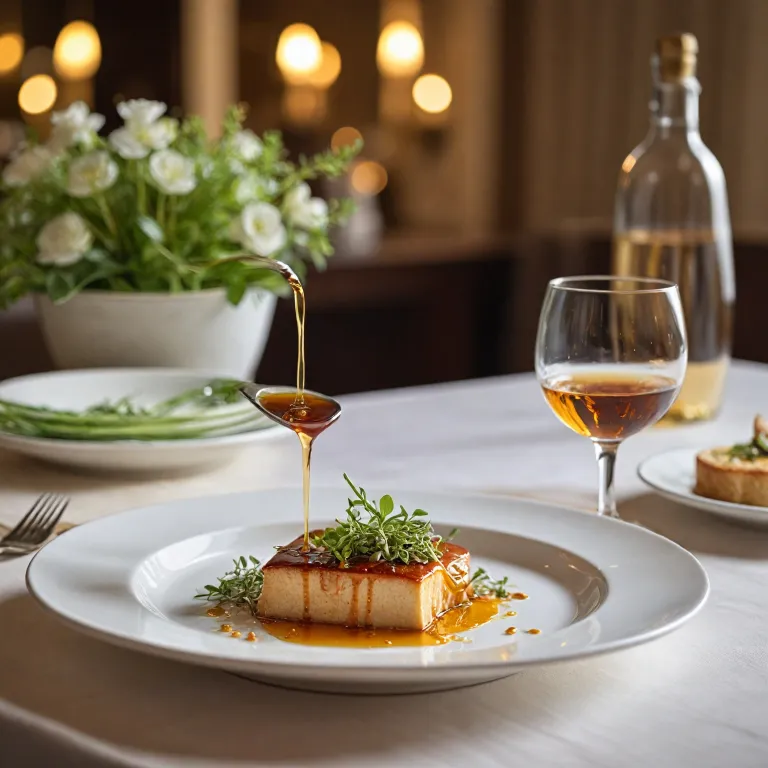
From field to dining room: the strategic value of ribbon cane syrup
For hospitality leaders, ribbon cane syrup is more than a nostalgic condiment. It is a differentiated natural sweetener that links agricultural heritage, menu engineering, and premium price positioning in one coherent product strategy. When Directeurs F&B and chefs exécutifs treat this syrup as a signature ingredient rather than a commodity sugar, they unlock both storytelling power and incremental margin.
Ribbon cane farmers in the Southern United States cultivate ribbon cane that can reach around 1,8 metres in height, creating a tangible sense of origin for hotel guests. Syrup manufacturers then extract juice from the sugar cane and boil it into a thick syrup with a mellow, earthy flavor that is smoother than molasses yet more characterful than regular sugar syrups. This artisanal process, often involving traditional open kettles, allows you to present ribbon cane syrup as a premium product with full details on provenance, craftsmanship, and sustainability.
For upscale properties, the regular price of such a natural sweetener can be framed as an investment in authenticity rather than a cost line. Positioning ribbon cane syrup as the original Southern table syrup, served with pecan waffles or buttermilk pancakes, creates a great narrative that resonates with both leisure and corporate guests. By highlighting that “Ribbon cane syrup is a traditional sweetener made by extracting juice from ribbon cane and boiling it to produce a thick, dark syrup with a rich, mildly earthy sweetness.”, you give your service teams a concise story that supports upselling and menu differentiation.
Menu engineering with ribbon cane syrup across dayparts
Thoughtful menu engineering with ribbon cane syrup starts at breakfast and extends into late night. In the morning, use the syrup as a natural sweetener for oatmeal, yoghurt, and coffee, replacing part of the refined sugar while adding depth of flavor and a subtle caramel note. This approach lets you present healthier perceived choices without sacrificing indulgence, especially when you emphasise the syrup’s natural origin and low level of processing compared with many industrial products.
At brunch, a ribbon cane syrup glaze on bacon, ham, or roasted root vegetables creates a signature savory sweet profile. The same syrup ribbon reduction can enrich sauces for duck, pork, or game, giving chefs exécutifs a versatile tool that travels well from banqueting to à la carte. When you design tasting menus, pairing ribbon cane syrup with pecan desserts or regional specialties from the Southern United States reinforces a coherent culinary identity that guests remember.
For bar programs, integrating ribbon cane syrup into cocktails and zero proof drinks can help reposition your beverage offer at a higher price point. A ribbon cane old fashioned, for example, replaces standard sugar syrup with this more complex natural sweetener, justifying a premium price sale on the menu. When you benchmark against other high margin signatures such as an elevated king crab roll in hospitality, as analysed in this high margin signature strategy, you see how a single ingredient can anchor a profitable narrative across multiple outlets.
Procurement, price strategy, and supply chain resilience
For groupes hôteliers and independent operators, the procurement strategy around ribbon cane syrup must balance authenticity, cost, and reliability. Sourcing directly from ribbon cane farmers and regional syrup manufacturers in the Southern United States strengthens your local story while supporting small scale agriculture. However, you should also maintain secondary suppliers, including reputable online channels such as amazon, to protect against harvest variability and logistics disruptions.
When negotiating price, treat ribbon cane syrup as a value driver rather than a generic sugar line item. The regular price per litre will often exceed that of industrial sugar syrups, yet the incremental cost per portion remains modest when used in coffee service, desserts, or cocktail recipes. By calculating the contribution margin of each menu item that uses this syrup, Directeurs F&B can justify a strategic price sale that reflects both ingredient quality and perceived guest value.
For investors in restauration, the product mix around ribbon cane syrup can be structured as a tiered offer. Core products include bulk syrup for kitchen use, while retail bottles at the front desk or boutique shop products create an additional revenue stream. Clear labelling of ingredients, origin, and flavor notes, along with QR codes linking to full details and view full product stories, reinforces transparency and trust. Integrating this syrup into gift baskets with regional pecan company items or artisanal coffee further extends the brand ecosystem and supports higher average transaction values.
Guest experience, storytelling, and digital merchandising
Ribbon cane syrup offers rich material for guest facing storytelling that enhances perceived value. Service teams can explain how sugar cane is crushed, the juice slowly boiled into syrup, and the resulting flavor used as a natural sweetener in both sweet and savory dishes. This narrative, anchored in the Southern United States, transforms a simple syrup pour into a micro experience that supports loyalty and repeat visits.
On digital channels, your website and booking engine should highlight signature dishes and beverages that feature ribbon cane syrup. High quality photography of pancakes, pecan pies, and coffee drinks drizzled with the syrup can help guests pre imagine their stay and accept a higher overall price level. When presenting these products online, structure information with clear sections such as selection full, choosing selection, and full details, ensuring that guests can easily view full descriptions and understand why this original syrup commands a premium.
E commerce functionality for hotel boutiques should be optimised so that pickup availability, load pickup options, and shipping information are transparent and reliable. If a page couldn’t load or a refresh opens a new tab, the interface should clearly indicate that a new window opens window to avoid confusion. For inspiration on how to frame heritage ingredients in digital storytelling, F&B leaders can review this approach to an elevated breakfast bakery item, then adapt similar techniques to ribbon cane syrup retail products and in room amenity offers.
Operational integration, training, and quality control
Integrating ribbon cane syrup into hotel operations requires precise standards and staff training. Chefs exécutifs should define recipes that specify exact syrup quantities, cooking times, and holding procedures to protect the delicate flavor and prevent over caramelisation. Because the syrup’s sugar content in the juice stage can reach around 15 percent, careful monitoring of reduction is essential to avoid crystallisation or burnt notes.
Bar teams need clear guidelines on how to handle syrup ribbon textures in cold and hot beverages. Pre batching cocktails or coffee syrups with ribbon cane can help maintain consistency during peak service, while also reducing waste and labour sat during busy fri and weekend periods. Training should emphasise how this natural sweetener behaves differently from standard sugar syrups, especially in terms of viscosity, dilution, and shelf life once opened.
Quality control protocols must include regular tastings of both the pure syrup and finished products. Directeurs F&B should schedule periodic checks to ensure that the flavor remains balanced, the caramel notes are present but not dominant, and the syrup integrates harmoniously with other ingredients. Documenting these standards in digital manuals, with sections for selection full recipes and choosing selection guidelines, will help new team members quickly understand expectations. If a system refresh opens or a full refresh of the POS is required, ensure that all ribbon cane syrup modifiers and price points reload correctly so that couldn load errors do not disrupt service or revenue capture.
Innovation opportunities and portfolio strategy for F&B leaders
For suppliers and investors, ribbon cane syrup represents a platform for innovation rather than a single SKU. Product development teams can create flavored syrups that pair ribbon cane with vanilla, citrus, or chili, expanding the range of products available to hotel clients. These variants should maintain the core identity of ribbon cane while offering new flavor choices that help chefs and bartenders differentiate their menus.
In multi property groups, a structured portfolio strategy can position ribbon cane syrup as a signature across several brands. Luxury flags might feature the syrup in plated desserts and room service breakfast, while lifestyle concepts use it in coffee cocktails and bar snacks with caramel glazes. Budget friendly properties could still benefit by offering a limited selection full of items, ensuring that the ribbon cane story touches guests at every price tier without diluting the original positioning.
Digital merchandising should align with this portfolio logic, using consistent language about sugar cane origin, natural sweetener benefits, and the great flavor profile that defines the syrup. When guests browse shop products online, they should see coherent messaging, transparent regular price information, and occasional price sale offers that respect brand equity. Clear UX cues such as view full product pages, opens window notices, and reliable load pickup options will help prevent couldn load frustrations. Ultimately, a well managed ribbon cane syrup program can help F&B leaders strengthen brand identity, support local agriculture, and enhance profitability across the entire hospitality ecosystem.
Key quantitative insights on ribbon cane syrup
- Typical height of ribbon cane plants reaches approximately 1,8 metres in the field.
- Average sugar content in freshly pressed ribbon cane juice is around 15 percent.
- Harvest season for ribbon cane generally falls in late autumn in the Southern United States.
- Syrup production is concentrated immediately post harvest to maximise flavor and quality.
Frequently asked questions about ribbon cane syrup in hospitality
What is ribbon cane syrup and why does it matter for hotels ?
Ribbon cane syrup is a traditional sweetener made from sugar cane varieties grown mainly in the Southern United States, offering a thick, dark syrup with a mild, earthy sweetness. For hotels and resorts, it provides a distinctive alternative to standard sugar syrups, enabling signature dishes, regional storytelling, and premium positioning. Its artisanal production and cultural heritage make it particularly valuable for properties seeking authentic, place driven F&B concepts.
How is ribbon cane syrup different from molasses in menu applications ?
Ribbon cane syrup is generally milder and smoother than molasses, with less bitterness and a more rounded caramel profile. This makes it easier to integrate into coffee drinks, breakfast items, and desserts without overpowering other ingredients. For chefs and bar teams, the gentler flavor allows broader use across sweet and savory recipes while still delivering a recognisable point of difference.
Where can hospitality operators purchase ribbon cane syrup at scale ?
Operators can source ribbon cane syrup through regional distributors, direct relationships with syrup manufacturers, and specialised online retailers. In the Southern United States, local markets and agricultural networks often connect hotels with small scale ribbon cane farmers and processors. For wider portfolios, partnering with suppliers that offer both foodservice formats and retail ready bottles simplifies logistics and brand consistency.
How can ribbon cane syrup support sustainability and local sourcing goals ?
Because ribbon cane syrup is closely tied to specific growing regions, it naturally lends itself to local sourcing strategies. Working with nearby farmers and processors reduces transport distances, supports rural economies, and preserves traditional syrup making practices. Communicating these efforts on menus and digital channels can strengthen a hotel’s sustainability narrative and enhance guest perception of value.
What are effective ways to train staff on selling ribbon cane syrup items ?
Training should combine product knowledge, tasting sessions, and simple storytelling techniques. Staff need to understand the origin of ribbon cane, the basics of syrup production, and the key flavor notes so they can confidently explain menu items. Short, memorable talking points integrated into pre shift briefings and digital training modules help teams upsell ribbon cane syrup dishes and beverages consistently.
References
- Louisiana Farm & Ranch – agronomic and processing data on ribbon cane cultivation and syrup making.
- Leaf.tv – comparative analysis of ribbon cane syrup and other sugar cane derivatives.
- Regional agricultural extension services in the Southern United States – guidance on sugar cane production and local value chains.