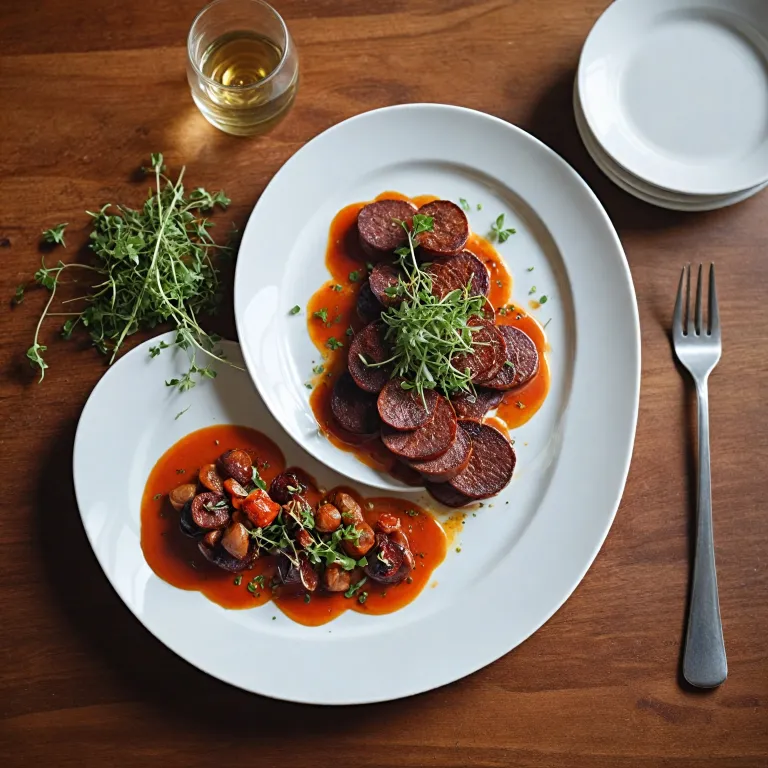
Basque chorizo as a strategic pillar in premium F&B concepts
For hotel groups and independent operators, basque chorizo is no longer a rustic curiosity but a strategic lever. When sourced from basque pig farmers working with the heritage Euskal Txerria breed, this chorizo becomes a storytelling asset that justifies a higher regular price on menus. In an era of rising costs, a clearly framed basque style narrative around origin, breed, and basque country culture helps sustain margin without eroding guest trust.
Directeurs F&B increasingly evaluate sausage categories with the same rigor as wine lists, positioning each meat product by terroir, fat content, and culinary role. Basque chorizo, with its generous fat and deep smoked notes, can anchor tapas, breakfast, and banqueting offers while remaining operationally efficient. The key step is to define which recipes will feature fresh chorizo and which will rely on dry cured formats to balance shelf life, labor, and perceived value.
Executive chefs who work closely with basque pig farmers can specify pork shoulder ratios, fat levels, and grind size to align with their kitchen brigade’s capabilities. A tighter grind pork specification, for example, accelerates service in high volume properties while preserving the signature basque chorizo flavor. When hog casings are calibrated consistently, portion control becomes easier, supporting accurate costing per bowl, plate, or sharing board.
From an investor perspective, the basque chorizo category illustrates how a single sausage can embody brand positioning. A clear basque country sourcing story, combined with transparent information on meat origin and animal welfare, strengthens perceived quality. This approach also supports cross selling with red wine pairings, particularly dry red labels from Spain or France that echo the chorizo’s smoked pimenton and garlic profile.
From heritage farms to hotel kitchens: building a basque chorizo supply chain
Designing a resilient basque chorizo program starts upstream, with long term partnerships in the basque country. Collaborations with basque pig farmers raising Euskal Txerria pigs ensure a consistent supply of premium pork shoulder and back fat for hotel and resort portfolios. These producers safeguard traditional making chorizo methods while adapting volumes and specifications to the needs of large hospitality groups.
For Directeurs F&B, the first step is to map current sausage usage by outlet, meal period, and average selling price. This analysis clarifies where basque chorizo can replace generic sausage without disrupting kitchen flows or guest expectations. In breakfast buffets, for instance, switching to basque style sausage links can elevate perception while maintaining similar cooking times and equipment requirements.
In resort environments, basque chorizo can sit alongside other premium sausages, as shown in strategies for elevating beachfront dining in luxury resorts. Here, the combination of meat quality, smoked seasoning, and visual appeal in the casings becomes part of the destination narrative. Operators can highlight the basque country origin on menus, pairing the sausage with olive oil brushed vegetables and dry red wine reductions.
Supply contracts should specify grind pork parameters, hog casings diameter, and acceptable ranges for fat to lean meat ratios. Clear standards for smoked pimenton, pimenton vera, minced garlic, and ground black pepper ensure flavor consistency across properties. When these details are codified, executive chefs can confidently scale a basque chorizo recipe from boutique hotels to large convention centers without compromising authenticity.
Logistics teams must also consider storage and rotation, especially for fresh chorizo formats with higher moisture content. By aligning delivery schedules with forecasted banqueting and restaurant demand, operators reduce waste while protecting gross margin. This disciplined approach to basque chorizo procurement reinforces both culinary excellence and financial performance.
Operational excellence: standardizing basque chorizo preparation across multiple outlets
Once sourcing is secured, the operational challenge is to standardize how basque chorizo is handled, cooked, and presented across diverse kitchens. A detailed preparation protocol, from thawing to final plating, protects both food safety and the sensory profile of the sausage. This is particularly important when properties work with a mix of fresh chorizo and semi dry formats that react differently to heat.
Training materials should specify how to handle hog casings, how to prick each sausage to avoid bursting, and which cooking methods best preserve fat and moisture. In many hotel kitchens, chefs prefer to cook basque chorizo slowly in a large pan with a thin film of olive oil, allowing the fat to render gently. This technique concentrates the smoked pimenton and garlic aromas while keeping the meat tender and juicy.
For banqueting, operators can pre cook basque chorizo in a combi oven, then finish portions à la minute on a plancha to restore texture. Standard recipes might call for several teaspoons of minced garlic, a measured quantity of pimenton vera, and a controlled amount of kosher salt and ground black pepper. By documenting each step, from seasoning to resting time, Directeurs F&B ensure that every plate reflects the same basque style signature.
Cross training teams on multiple sausage categories, including those highlighted in veal sausage operational playbooks, helps maintain consistency. Line cooks learn to evaluate meat doneness by touch, monitor fat rendering, and adjust heat to protect casings from splitting. This operational discipline around basque chorizo reduces complaints, supports premium pricing, and reinforces the property’s culinary reputation.
For independent operators, a smaller brigade can still apply these standards by using visual guides and simple checklists. Clear instructions on portion size per guest, ideal internal temperature, and holding times prevent quality drift during busy services. Over time, this structured approach turns basque chorizo from a variable element into a reliable profit contributor.
Menu engineering with basque chorizo: from tapas to breakfast profitability
Menu engineering around basque chorizo requires a precise understanding of cost per portion, perceived value, and guest expectations. Because this sausage carries a strong basque country identity, it can command a higher regular price when framed as an artisanal specialty. The objective is to integrate basque chorizo into high margin dishes that balance meat cost with vegetables, grains, and sauces.
In tapas bars and lobby lounges, a small bowl of sliced basque chorizo sautéed in olive oil and dry red wine can become a signature item. The recipe might combine pounds pork based sausage with garlic, smoked pimenton, and pimenton vera, finished with a splash of red wine for acidity. This format uses modest meat quantities while delivering intense flavor, supporting both profitability and guest satisfaction.
Breakfast operations can also benefit by replacing generic sausage with basque chorizo links or crumbled fresh chorizo. When paired with eggs, roasted potatoes, and grilled vegetables, the sausage’s fat and smoked notes elevate the entire plate. Insights from strategies for premium breakfast sausages show how thoughtful sausage selection can transform perceived value.
Banqueting menus can feature basque style cassoulets, rice dishes, or braised vegetable platters enriched with sliced chorizo. By carefully calibrating the ratio of pork shoulder sausage to legumes and seasonal produce, chefs control cost while maintaining a generous appearance. Each step of the menu design process should highlight the basque chorizo story, from farm origin to kitchen technique, reinforcing the premium positioning.
For investors and asset managers, these engineered dishes demonstrate how a single sausage SKU can drive upsell opportunities. When guests associate basque chorizo with authenticity and indulgence, they are more likely to accept a higher price sale on tasting menus and sharing platters. This alignment between culinary narrative and financial performance is central to modern F&B strategy.
Crafting basque chorizo in house: technical and financial considerations
Some luxury hotels and flagship restaurants choose to make basque chorizo in house, seeking maximum control over texture and flavor. This approach demands investment in equipment, training, and strict food safety protocols, but it can yield a distinctive competitive advantage. The decision should be based on projected volumes, available kitchen space, and the property’s overall culinary positioning.
The technical process begins with selecting high quality pork shoulder and back fat, ideally sourced from basque pig farmers or equivalent heritage producers. Chefs grind pork using calibrated plates to achieve the desired texture, then mix the meat with kosher salt, ground black pepper, smoked pimenton, pimenton vera, minced garlic, and a measured quantity of dry red wine. The seasoned meat is then stuffed into hog casings, tied into consistent sausage links, and rested to allow flavors to develop.
Each step must be documented, from meat temperature control to sanitation of bowls, grinders, and casings, to comply with HACCP standards. In some programs, a portion of the basque chorizo is lightly smoked to deepen flavor, while another portion is kept as fresh chorizo for rapid turnover dishes. This dual strategy allows chefs to tailor sausage styles to different outlets within the same property.
Financially, in house making chorizo can reduce unit cost compared with purchasing fully finished products, especially at high volumes. However, operators must factor in labor, training, and potential yield loss when calculating the true regular price and target price sale on menus. For many properties, a hybrid model works best, combining purchased basque chorizo for peak periods with limited in house batches for signature dishes.
When executed with discipline, in house basque chorizo production reinforces the property’s reputation for craftsmanship. Guests increasingly value visible artisanal processes, and open kitchen sausage making can become part of the brand experience. This visibility strengthens trust and supports premium positioning across the entire F&B portfolio.
Nutritional transparency, guest communication, and future opportunities for basque chorizo
As wellness expectations rise, Directeurs F&B must communicate clearly about the nutritional profile of basque chorizo without undermining its indulgent appeal. With relatively high fat and energy content, this sausage is best positioned as an occasional pleasure within a balanced menu. Transparent information on meat origin, fat levels, and portion sizes helps guests make informed choices while still enjoying basque style cuisine.
Menu descriptions should highlight the use of quality pork, natural casings, and traditional seasonings such as smoked pimenton, pimenton vera, garlic, and olive oil. By explaining that basque chorizo is crafted from carefully selected pork shoulder and seasoned with dry red wine and ground black pepper, operators reinforce the product’s artisanal character. This level of detail also differentiates the sausage from generic meat offerings that lack a clear story.
Communication strategies can include table cards, digital menu notes, or brief explanations from service teams about the basque country heritage. Statements such as “Basque chorizo is a traditional sausage from the Basque Country, made from pork and seasoned with paprika and garlic.” and “Basque chorizo often uses the Euskal Txerria pig breed and is seasoned with specific spices like Espelette chili, giving it a unique flavor profile.” provide concise, credible context. For guests interested in sourcing, teams can add that “Authentic Basque chorizo can be purchased from specialty stores, Basque delis, or online retailers specializing in Basque products.”
Looking ahead, the growing interest in traditional and artisanal foods suggests continued demand for basque chorizo in hospitality. Partnerships with organizations like Villa Basque Café, known for Pete's World Famous Chorizo, illustrate how regional expertise can support global hotel programs. By aligning culinary authenticity, nutritional transparency, and disciplined operations, F&B leaders can turn basque chorizo into a long term asset rather than a passing trend.
Key quantitative insights on basque chorizo for hospitality decision makers
- Average energy content for traditional basque chorizo is approximately 488.2 kilocalories per 100 grams, which has direct implications for menu positioning and portion sizing.
- Typical fat content reaches around 46 grams per 100 grams of basque chorizo, underscoring the need to balance dishes with vegetables, grains, and lighter components.
- Protein content averages 18.1 grams per 100 grams, allowing chefs to frame basque chorizo as a flavorful protein element within composed plates.
- These nutritional benchmarks help Directeurs F&B design menus that combine indulgence, transparency, and responsible communication to guests.
Frequently asked questions about basque chorizo in hospitality
What is basque chorizo in a hotel and restaurant context ?
In hospitality, basque chorizo refers to a traditional sausage from the basque country, made from pork and seasoned with paprika, garlic, and related spices such as smoked pimenton or pimenton vera. It is used across breakfast, tapas, banqueting, and à la carte menus as a high flavor, high value protein component. Its strong regional identity allows operators to build storytelling and premium positioning around a single ingredient.
How is basque chorizo different from other chorizos on the market ?
Basque chorizo is closely linked to the Euskal Txerria pig breed and to specific seasoning profiles that often include Espelette chili, smoked pimenton, and garlic. Compared with generic Spanish or Latin American chorizos, it tends to emphasize terroir, heritage farming, and traditional curing or smoking methods. For hotel and restaurant operators, this distinction supports higher menu pricing and more compelling guest communication.
Where can hospitality operators source authentic basque chorizo ?
Authentic basque chorizo can be sourced through specialized importers, direct relationships with basque pig farmers, or partnerships with producers and delis focused on basque cuisine. Some operators also collaborate with cafés and manufacturers such as Villa Basque Café, which have established expertise in chorizo production. Site visits to the basque country and tastings at local markets or festivals help F&B leaders validate quality before committing to long term contracts.
What are the main operational considerations when working with basque chorizo ?
Key considerations include storage conditions, shelf life, and clear differentiation between fresh chorizo and dry cured formats. Kitchens must standardize cooking methods to manage fat rendering, protect casings, and ensure consistent flavor across outlets. Training, documented recipes, and precise specifications for grind size, seasoning, and portioning are essential to maintain quality at scale.
How can basque chorizo support profitability in hotel and restaurant menus ?
Basque chorizo supports profitability by enabling premium pricing through strong regional storytelling and sensory impact, even in relatively small portions. When integrated into tapas, breakfast plates, and banqueting dishes that combine vegetables and grains, it delivers high perceived value at controlled food cost. Thoughtful menu engineering, cross utilization across outlets, and disciplined procurement turn this traditional sausage into a reliable margin driver.