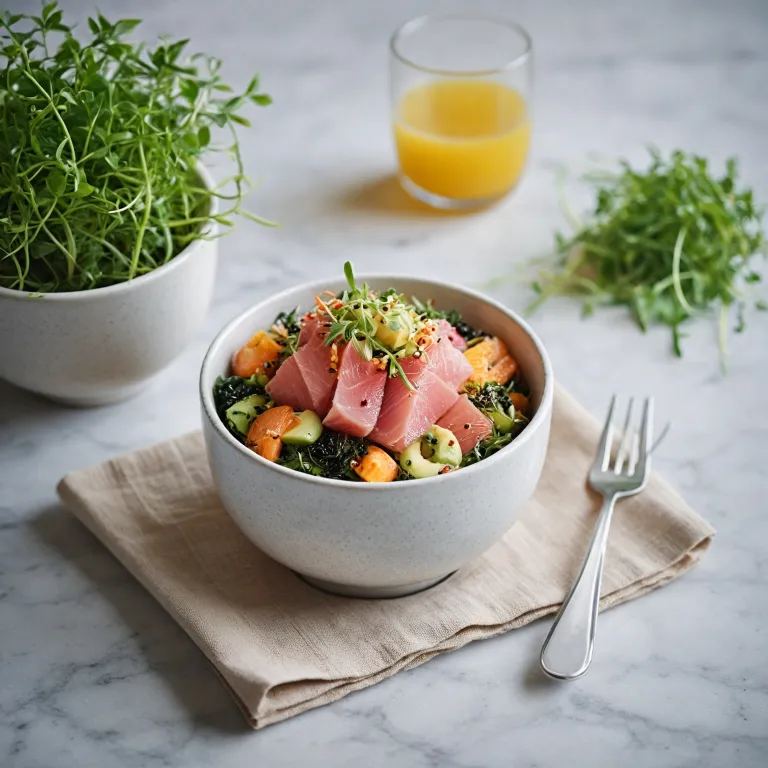
Strategic role of albacore tuna poke in hotel F&B concepts
Albacore tuna poke has moved from niche trend to core menu pillar. For directeurs F&B and executive chefs, this raw fish preparation now shapes seafood strategy, guest perception, and kitchen workflows. Positioned correctly, a single tuna poke bowl platform can unlock new revenue, better food cost, and stronger brand differentiation.
At its heart, albacore tuna poke is a Hawaiian culinary dish built around fresh, cubed albacore tuna marinated with soy sauce and sesame oil. This mild, firm fish adapts elegantly to luxury buffet, à la carte, and banqueting formats, while maintaining a clear sense of place and authenticity. Because the recipe is modular, operators can flex between premium sushi grade tuna, wild oregon albacore, and more accessible grade tuna depending on outlet positioning.
For hotel groups, the poke bowl format offers a scalable framework that travels across brands and regions. A base of steamed rice or salad, a portion of raw fish or lightly seared fish, and a calibrated sauce system create a matrix of recipes that can be localized without losing operational discipline. This is particularly valuable for mixed seafood programs that also feature salmon, ahi tuna, black cod, and even crab meat in rotational specials.
Investors and independent operators should view albacore tuna poke as both a product and a platform. It supports wellness narratives, flexitarian dining, and premium casual positioning, while allowing tight control of portion size in grams and millilitres per cup of marinade. When integrated into a broader seafood strategy, tuna poke can anchor all day dining, poolside, and in room dining with minimal incremental labour time.
From sourcing to plate: building a resilient albacore tuna supply chain
Designing a profitable albacore tuna poke program starts long before the mixing bowl. The choice between wild oregon albacore, imported sushi grade tuna, and regional alternatives will determine cost structure, sustainability claims, and menu storytelling. With albacore tuna contributing around 5 percent to the global tuna catch, responsible sourcing is now a board level topic.
For coastal hotels in the United States, partnerships with local fish markets and oregon seafood suppliers can secure consistent volumes of oregon albacore. These relationships allow chefs and purchasing teams to negotiate specifications for grade tuna, from loin size to fat content, and to align deliveries with forecasted poke bowl demand. In multi property groups, central contracts with online seafood retailers can complement local sourcing for resilience.
Once the fish arrives, strict handling protocols protect both safety and quality for raw fish service. Only sushi grade or sashimi grade tuna should enter the poke recipe stream, with temperature controls documented in minutes and storage logs. This same discipline must apply to other seafood, including salmon, ahi tuna, black cod, and crab meat, especially when they appear in mixed seafood bowls or tasting menus.
For concept development teams, it is useful to benchmark poke against other signature recipes such as an elevated blackberry bread recipe for hotel breakfast and tea service, which also relies on precise sourcing and process control. Both categories show how a single hero product can anchor multiple dayparts. By treating albacore tuna poke as a strategic SKU rather than a simple bowl, F&B leaders can negotiate better pricing on soy sauce, sesame oil, and rice, and reduce waste across outlets and properties.
Menu engineering: positioning albacore tuna poke for margin and guest appeal
Once supply is secured, the next challenge is menu engineering around albacore tuna poke. The goal is to balance perceived value, food cost, and operational simplicity while keeping the bowl visually striking and nutritionally credible. This is where the interplay between fish, rice, sauce, and toppings becomes a powerful design tool.
A classic tuna poke bowl starts with a measured portion of steamed rice, usually 120 to 150 grams per serving. On top, chefs layer diced albacore tuna or oregon albacore, marinated in a blend of soy sauce, sesame oil, and aromatics like green onion and red pepper flakes. Sesame seeds, sliced green onions, and a touch of chilli provide texture and colour, while optional salmon, ahi tuna, or crab meat can be added as premium upgrades.
For hotel restaurants, offering a family of recipes built around the same core marinade reduces complexity. One base soy sauce and sesame oil mix can season both albacore tuna poke and a parallel salmon poke, while a spicier variant with extra pepper flakes and red pepper can support a chef’s special. This approach mirrors how dessert teams leverage a single sauce system to support multiple plated desserts, as seen when elevating dessert menus with banana chimichanga innovation, nutrition, and operational excellence.
Pricing strategy should reflect the grade of tuna and the proportion of raw fish to rice and vegetables. Premium sushi grade albacore tuna or ahi tuna commands higher menu prices, especially when positioned alongside black cod or other luxury seafood. Clear menu language around wild sourcing, oregon origin, and fresh preparation time in minutes helps justify the price point and reinforces trust for guests concerned about raw fish safety.
Operational design: standardising the albacore tuna poke workflow
Operational excellence is critical when serving raw albacore tuna poke at scale. Directeurs F&B must work with chefs and culinary équipes to design a workflow that protects food safety, maintains quality, and respects labour constraints. The objective is to deliver consistent bowls in under five time minutes during peak service without compromising standards.
Production typically begins with butchery of whole fish or large loins into uniform cubes of albacore tuna. These cubes are weighed into standard portions, often 80 to 100 grams per bowl, then held chilled until marination time. A separate station prepares the marinade of soy sauce, sesame oil, finely sliced green onion, and measured pepper flakes, ensuring each cup of sauce meets the recipe specification.
To manage risk, many hotels adopt a just in time marination model, combining raw fish and sauce no more than 15 to 20 minutes mins before service. This preserves the fresh texture of the tuna and prevents the soy from overpowering the delicate albacore flavour. The same timing discipline should apply to other seafood components such as salmon, ahi tuna, black cod, and crab meat when they are used in mixed poke bowls.
Cross utilisation is another operational advantage of a well designed poke station. The same sushi grade tuna used for albacore tuna poke can support nigiri, sashimi, or canapés for banqueting, while surplus rice can be redirected into staff meals or alternative recipes. For groups exploring functional and premium health food positioning, a dedicated cold station can also support concepts like a korean premium health food raw material supplier, functional ingredients, and industry innovation, using similar mise en place and workflow logic.
Nutrition, wellness, and guest communication around raw seafood
Today’s hotel guests expect seafood dishes to align with wellness, transparency, and sustainability values. Albacore tuna poke sits at the intersection of these expectations, offering lean protein, omega 3 fatty acids, and customisable vegetables in a visually appealing bowl. However, serving raw fish also requires clear communication and robust training to maintain trust.
Nutrition focused menus can highlight the benefits of albacore tuna, salmon, and ahi tuna, while also noting portion sizes in grams and estimated kilocalories per bowl. Chefs can balance rice with leafy greens, seaweed, and vegetables, using sesame seeds, sesame oil, and soy sauce sparingly to manage sodium and fat. Optional additions like avocado, edamame, or a small portion of crab meat can increase perceived value without dramatically increasing food cost.
Guest facing communication should address raw fish safety directly. Statements such as “Yes, when sourced from reputable suppliers and handled properly, albacore tuna is safe to eat raw. It's important to use sashimi-grade tuna for dishes like poke.” reassure informed travellers and corporate clients. Service teams must be able to explain the difference between sushi grade and standard grade tuna, the role of time and temperature controls, and why certain guests may be advised to avoid raw seafood.
Training should also cover allergens and dietary preferences linked to soy sauce, sesame, and seafood. Clear icons for raw fish, gluten containing soy, and shellfish like crab meat help guests navigate choices quickly. When executed with discipline, an albacore tuna poke program can become a flagship example of how hotel F&B integrates nutrition, safety, and culinary creativity into a single, guest centric bowl format.
Innovation pathways: evolving albacore tuna poke across brands and markets
Once the core albacore tuna poke recipe is stable, innovation becomes the next lever for growth. Hotel groups can use limited time offers, regional twists, and chef collaborations to keep the poke bowl category vibrant without destabilising operations. The key is to protect the base workflow while layering new flavours, formats, and stories.
One approach is to rotate sauces and toppings while keeping the same base of rice and albacore tuna. For example, a spicy variant might feature extra red pepper, pepper flakes, and a touch of chilli oil alongside sesame oil and soy sauce, while a lighter version leans on citrus, green onion, and toasted sesame seeds. Seasonal bowls can introduce salmon, ahi tuna, black cod, or crab meat, always respecting the same portioning and time controls for raw fish.
Storytelling can also extend to origin and people, highlighting oregon albacore fisheries, local fish markets, or signature recipes from named chefs. Some operators reference culinary voices such as Alanna Kieffer when discussing recipe inspiration, especially for guests interested in home style interpretations of tuna poke. In parallel, corporate F&B teams can document best performing recipes and share them across properties as a living playbook.
Finally, innovation should consider non bowl formats that still leverage albacore tuna poke components. Mini poke bowls for banqueting, canapés with diced albacore on rice crisps, or bento style lunch boxes can extend the reach of the same fish, sauce, and rice system. By tracking performance in covers, average spend, and guest feedback over time minutes, investors and operators can quantify the strategic value of albacore tuna poke within the broader seafood portfolio.
Key quantitative insights for albacore tuna poke strategy
- Albacore tuna represents approximately 5 percent of the global tuna catch, underscoring its strategic but finite role in seafood sourcing.
- Year round availability of albacore supports stable poke bowl menu placement across seasons in most hotel markets.
- Standardising poke bowl builds around 80 to 100 grams of tuna and 120 to 150 grams of rice helps control food cost and nutritional transparency.
- Just in time marination windows of 15 to 20 minutes mins optimise texture and flavour while supporting food safety for raw fish service.
Frequently asked questions about albacore tuna poke in hospitality
What is albacore tuna poke in a hotel or resort context ?
Albacore tuna poke in hospitality is a Hawaiian inspired dish built around raw, cubed albacore tuna marinated with soy sauce, sesame oil, and aromatics, then served over rice or salad. In hotels, it functions as a versatile platform that can appear on buffet, à la carte, poolside, and banqueting menus. The format allows chefs to showcase fresh seafood while offering guests a customisable, wellness oriented bowl.
Is albacore tuna safe to serve raw to international guests ?
Yes, albacore tuna is safe to serve raw when it is sourced from reputable suppliers, specified as sushi grade or sashimi grade, and handled under strict temperature controls. Hotels must implement documented HACCP style procedures for receiving, storage, and preparation, especially when serving raw fish in high volumes. Clear guest communication and staff training further reduce risk and build trust around tuna poke and related seafood dishes.
How can hotel kitchens efficiently prepare albacore tuna poke at scale ?
Efficient preparation relies on standardised butchery, portioning, and marination workflows. Kitchens typically pre cut albacore tuna into uniform cubes, weigh portions, and prepare bulk marinades of soy sauce, sesame oil, green onion, and spices, then combine them within a controlled time window before service. A dedicated cold station can assemble poke bowls quickly, using shared mise en place for rice, vegetables, and toppings to support both restaurants and banqueting.
What are the key ingredients in a classic albacore tuna poke bowl ?
A classic bowl features diced albacore tuna, steamed rice or salad greens, and a marinade based on soy sauce and sesame oil. Common garnishes include green onions, sesame seeds, red pepper flakes, and vegetables such as cucumber or avocado, with optional additions of salmon, ahi tuna, black cod, or crab meat for premium variations. The balance of fish, rice, sauce, and toppings can be adjusted to match brand positioning and nutritional targets.
Can albacore tuna poke be adapted for different hotel brands and markets ?
Yes, the poke format is highly adaptable across luxury, lifestyle, and select service brands. Operators can vary the grade of tuna, proportion of seafood to rice, spice level, and toppings to reflect local tastes, price sensitivity, and sourcing realities, including the use of oregon albacore where available. By maintaining a consistent core recipe and adjusting accents, hotel groups can scale a recognisable signature while still expressing regional identity.