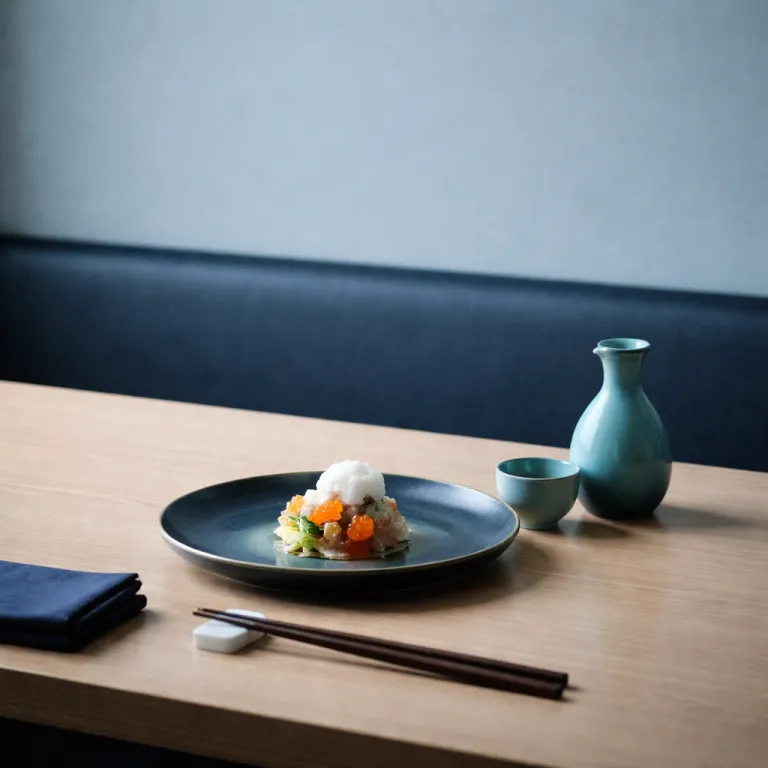
Member dining economics as a hotel culinary branding laboratory
Soho House Tokyo is about hotel culinary branding as a balance sheet tool, not just décor. For F&B leaders, the membership model reframes the brand strategy around predictable cover frequency, higher food beverage spend per visit, and measurable brand loyalty that can be priced into the business case. When a hospitality brand can forecast member visits at three to four times the rate of transient guests, the restaurant brand becomes a recurring revenue asset rather than a volatile amenity.
The core question is whether the club floor, bar, and restaurant branding can carry their own P&L while lifting the overall hospitality business. Membership dining typically drives a richer mix of food, beverage, and ancillary service sales, from private events to retail, which strengthens the brand image and the perceived value of the hospitality experience. For investors, that repeat customer experience lowers acquisition costs and supports a premium brand identity that justifies higher ADR and membership fees.
Tokyo will test how far a hospitality brand can lean on local food culture while maintaining global brand consistency in menu engineering and service rituals. Japanese ingredients such as shiso, sesame, miso, and shochu cocktails allow the restaurant brand to localise without diluting the international brand voice that members expect across cities. For hotel groups watching from London, Dubai, or Singapore, the study is whether this well designed membership restaurant can outperform a successful restaurant open to the street in both loyalty and margin.
Japan specific levers for hospitality brand differentiation
Tokyo’s membership clubs have historically struggled because the strategies to attract local diners often clashed with global branding playbooks. Many concepts underinvested in breakfast and all day food service, even though Japanese business travel patterns reward early, efficient, and high quality morning formats. Soho House Tokyo is being read as a live case study in hotel culinary branding that respects omotenashi while still protecting a distinctive hospitality brand identity.
Omotenashi service standards demand a level of anticipation and discretion that will stress test brand consistency across every touchpoint, from the front desk to the restaurant menu and bar snacks. The hospitality industry has learned that a single weak link in the member journey can damage brand image more than a public restaurant misstep, because the perceived promise of exclusivity amplifies any failure. That is why marketing strategies here must align tightly with operations, so that every piece of content, every social media post, and every on property interaction reinforces the same brand voice.
Japan’s deep sake and shochu culture also forces a sharper brand strategy around beverage programming and supplier partnerships. A hospitality business that treats the bar as a profit centre rather than a décor accessory can use local distillers and brewers to build emotional loyalty among members and travelling guests. For a detailed operational breakdown of how membership dining economics, cover mix, and ancillary spend are playing out in Tokyo, hospitality executives are already turning to this dedicated analysis of the Soho House Tokyo membership dining and Japan F&B playbook.
Read across for hotel culinary branding, from boutique hotels to large groups
For hotel groups, the Tokyo experiment matters because it clarifies which hotel culinary branding strategies actually move the needle on loyalty and RevPAR. A boutique hotel that builds a club style restaurant brand for locals can often outperform a larger hotel restaurant in both check average and brand loyalty, provided the concept is grounded in real food culture rather than generic lifestyle marketing. Larger portfolios are now commissioning a formal study of member style dining, asking whether a dedicated club floor or private restaurant branding can justify the capex through higher customer experience scores and repeat travel.
Appellation Healdsburg in California offers a parallel example of hotel culinary branding that puts the kitchen at the centre of the hospitality business. There, Chef Charlie Palmer and co founder Christopher Hunsberger worked with EDG Hospitality Design & Branding to make the kitchen the visual and operational heart of the hotel, and internal data show that this culinary first brand identity has lifted guest satisfaction scores and occupancy. As the project team explains in its own positioning, "Its integration of culinary excellence into the hotel experience" is what differentiates the brand in a crowded industry and keeps food focused guests returning.
For F&B directors, the operational takeaway is clear ; creating memorable dining experiences is now the primary lever for building a resilient hospitality brand. Whether in boutique hotels or global flags, a well designed restaurant brand with clear marketing strategies, disciplined menu engineering, and consistent service standards will outperform a generic outlet on both margin and loyalty. Leaders who want to go deeper into cultural food strategies and guest journey design are increasingly using specialised resources on elevating guest journeys through cultural food experiences at hotels to benchmark their own concepts against the most successful restaurant and club models in the market.