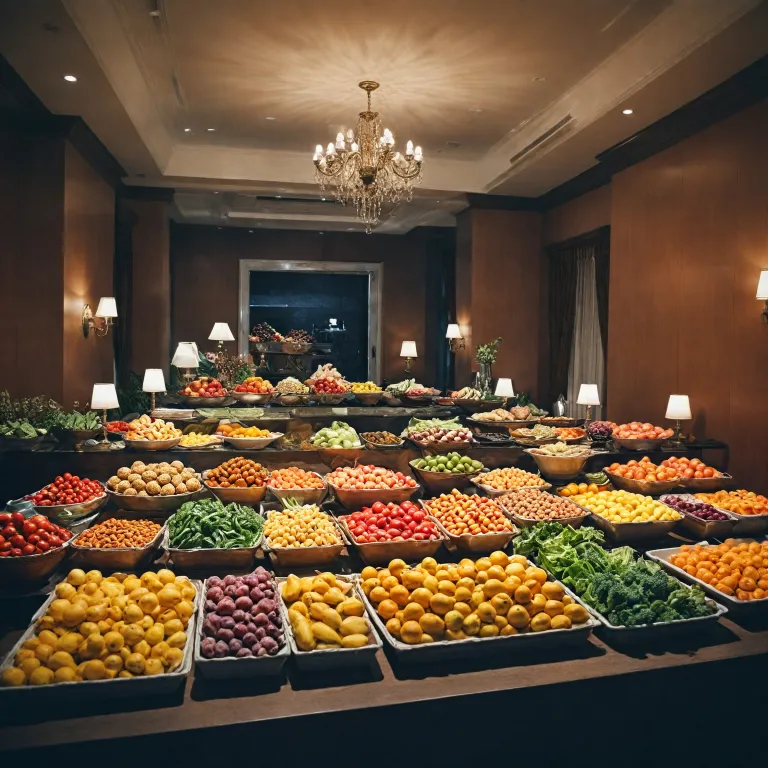
Understanding the dynamics of healthy eating at hotel buffets
Hotel buffets present a unique challenge and opportunity for F&B directors, executive chefs, hotel groups, independent operators, F&B suppliers, and restaurant investors. The sheer width of food choices, from breakfast buffets to dinner spreads, can make healthy eating both accessible and overwhelming. Guests are increasingly seeking healthy buffet options that support weight loss, balanced nutrition, and overall well-being. For hospitality professionals, curating a buffet that encourages healthy eating without sacrificing enjoyment is essential. The focus must be on providing a variety of foods, including protein-rich options, brown bread, eggs, and fresh produce, while minimizing refined carbohydrates and high-sugar items. The average calorie intake at buffets can reach 3000 calories, with 67 percent of guests tending to overeat. This reality underscores the importance of offering healthy breakfast options and mindful eating tips. F&B leaders must consider not only the nutritional profile of the foods but also the presentation and accessibility of healthy options buffet-wide. By integrating healthy tips and innovative approaches, such as smaller plates and clear nutritional labeling, hotels can help guests fill their plates wisely and enjoy food without excess. The challenge is to create a buffet environment where healthy eating is the default, not the exception, and where guests can find healthy choices easily.Designing buffets for optimal healthy eating and guest satisfaction
For hotel breakfast and breakfast buffets, the layout and design play a crucial role in promoting healthy eating. Placing healthy foods like salads, lean proteins, and whole grains at the beginning of the buffet line encourages guests to fill their plates with nutritious options first. The use of smaller plates, as recommended by the Mayo Clinic, helps control portion sizes and supports weight loss goals. Hotels should also provide a variety of protein options, such as eggs and grilled meats, to cater to guests seeking a healthy breakfast. Buffets should feature clear signage indicating healthy options and nutritional information, making it easier for guests to make informed food choices. Limiting the prominence of high-calorie, high-sugar foods and refined carbohydrates can further guide guests toward healthier selections. F&B suppliers can support hotels by offering a range of healthy buffet ingredients and ready-to-use solutions. For more insights on optimizing buffet design for healthy eating, explore this comprehensive guide to buffet management: buffet management strategies. By prioritizing guest satisfaction and health, hotels can position themselves as leaders in the evolving hospitality landscape.Implementing practical tips for healthy eating at buffets
Practical strategies are essential for both guests and operators to ensure healthy eating at hotel buffets. Encouraging guests to eat a small, healthy snack before attending the buffet can help curb excessive hunger and prevent overeating. Positioning seating areas away from the buffet reduces the temptation for multiple servings, supporting mindful eating habits. Hotels can also provide water or unsweetened beverages as the default drink option, helping guests avoid unnecessary sugar and calories. Offering a diverse range of healthy foods, including brown bread, fresh fruits, and lean proteins, ensures that guests have ample healthy breakfast and breakfast option choices. Operators should train staff to guide guests toward healthy buffet selections and answer questions about food ingredients and preparation methods. For a deeper dive into practical healthy eating tips at buffets, visit healthy buffet best practices. These actionable tips eating strategies not only enhance guest experience but also reinforce the hotel's commitment to health and well-being.Leveraging technology and innovation for healthier buffet experiences
Technology is transforming the way hotels approach healthy eating at buffets. Mobile apps that track food intake and provide real-time nutritional information empower guests to make informed choices. Hotels can partner with nutritionists or dietitians to develop digital resources and healthy tips tailored to their buffet offerings. The integration of technology also allows for personalized recommendations, helping guests find healthy options that align with their dietary needs and preferences. Innovative buffet setups, such as live cooking stations and customizable breakfast option bars, enable guests to control portion sizes and select ingredients that support healthy eating. Digital signage can highlight healthy buffet choices and promote weight loss-friendly foods. F&B suppliers are increasingly offering tech-enabled solutions, such as QR codes for instant nutritional data, to enhance the healthy buffet experience. By embracing innovation, hotels can set new standards for healthy eating at buffets and differentiate themselves in a competitive market.Addressing health concerns: stroke, sugar, and refined carbohydrates
The link between diet and health outcomes, such as stroke risk, is well established. Buffets that emphasize healthy eating and limit refined carbohydrates and added sugar can play a significant role in promoting guest health. Offering whole grain options like brown bread, alongside a variety of protein-rich foods, helps guests maintain stable blood sugar levels and supports cardiovascular health. Eggs, lean meats, and plant-based proteins should be central to the breakfast buffet and other meal periods. Hotels must be vigilant in reducing the presence of high-sugar foods and desserts, instead offering fresh fruit and low-sugar alternatives. Clear communication about the health benefits of certain foods and the risks associated with excessive sugar and refined carbohydrate intake can empower guests to make better food choices. By prioritizing healthy buffet options, hotels demonstrate their commitment to guest well-being and position themselves as responsible industry leaders. The impact of these efforts extends beyond individual guests, contributing to broader public health goals.Empowering F&B professionals: training, partnerships, and continuous improvement
F&B directors, executive chefs, and hotel groups must invest in ongoing training and development to stay ahead of healthy eating trends. Collaborating with nutritionists, dietitians, and health-focused partners ensures that buffet offerings remain aligned with the latest dietary guidelines and guest expectations. Regularly updating menus to include new healthy foods and breakfast buffets options keeps the buffet experience fresh and engaging. Staff should be equipped with the knowledge and skills to answer guest questions about healthy eating, protein sources, and weight loss strategies. Encouraging feedback from guests and monitoring buffet consumption patterns can inform continuous improvement efforts. As Dr. Michael Mosley advises, "Opt for fresh fruits, vegetables, lean proteins like grilled chicken or fish, and whole grains. Avoid fried foods, creamy sauces, and sugary desserts." This expert guidance, combined with practical tips eating and innovative approaches, empowers F&B professionals to deliver exceptional healthy buffet experiences that meet the needs of today's discerning guests.Key statistics on healthy eating at hotel buffets
- Average calorie intake at buffets: 3000 calories
- Percentage of people who overeat at buffets: 67 percent
Frequently asked questions about healthy eating at hotel buffets
What are the healthiest options to choose at a hotel buffet?
Opt for fresh fruits, vegetables, lean proteins like grilled chicken or fish, and whole grains. Avoid fried foods, creamy sauces, and sugary desserts.
How can I avoid overeating at a buffet?
Use a smaller plate, start with a salad or soup, eat slowly, and be mindful of portion sizes. Avoid going back for multiple servings.
Is it okay to indulge in desserts at a buffet?
It's fine to enjoy desserts in moderation. Choose a small portion of a dessert you truly enjoy, or opt for fresh fruit as a healthier alternative.