Transforming hospitality with pet friendly hotel dining: trends and guest expectations
Pet friendly hotel dining has become a defining feature for hotels and restaurants aiming to attract a broader clientele. As more guests travel with their dogs and cats, the demand for dog friendly and pet friendly hotels with tailored dining experiences has surged. Establishments now recognize that offering pet friendly outdoor seating, dedicated dog menus, and water bowls is not just a trend but a necessity to remain competitive. The best hotels and restaurants are reimagining their food and beverage strategies to include pets as valued guests, ensuring that every visit is memorable for both owners and their pets.
San Francisco, Los Angeles, and beach destinations such as Newport Beach have witnessed a rise in friendly hotels and restaurants bars that cater to pets. The inclusion of friendly patios, live music, and craft beer selections creates a vibrant atmosphere where guests and their pets can relax together. Breed restrictions are carefully considered to ensure inclusivity, while partnerships with local pet boutiques and animal welfare organizations enhance the overall experience. The presence of a dog park or friendly outdoor spot nearby further elevates the appeal of these locations, making them the best choice for pet lovers seeking a seamless booking experience.
Innovative hotels like L'Ermitage Beverly Hills and Balboa Bay Resort have set new standards by offering luxury amenities such as in-room dining for dogs and gourmet dog menus. These initiatives not only differentiate the hotel but also foster guest loyalty. As the Food and Drug Administration (FDA) clarifies guidelines allowing dogs in outdoor dining areas, more establishments are embracing pet friendly policies, ensuring compliance while delivering exceptional service. The integration of wine, beer, and food options suitable for both humans and pets underscores the commitment to a holistic, friendly dining experience.
Designing pet friendly dining spaces: from outdoor seating to room service
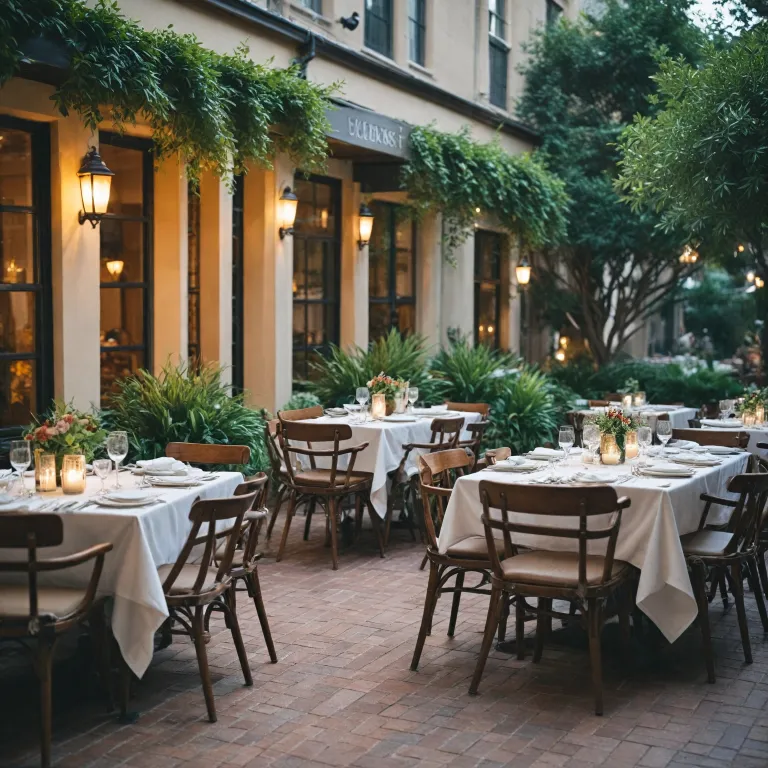
Creating a truly pet friendly hotel dining environment requires thoughtful design and operational planning. Outdoor seating areas must be spacious, safe, and equipped with amenities like water bowls and shaded spots to accommodate dogs, cats, and their owners comfortably. Hotels in urban centers such as San Francisco and Los Angeles have pioneered the use of friendly patios and outdoor seating, transforming traditional dining spaces into welcoming environments for pets. The inclusion of a dog park or nearby green space further enhances the appeal, allowing pets to exercise before or after meals.
Room service has evolved to include friendly room options, offering dog menus and pet friendly meal choices delivered directly to the guest’s room. This level of service is particularly valued by guests with breed restrictions or those seeking privacy. Hotels like Fairmont Copley Plaza have introduced dog friendly in-room dining menus, setting a benchmark for others to follow. The best hotels also collaborate with local pet food companies to ensure that the food offered meets the nutritional needs of various breeds and sizes of dogs and cats.
Restaurants and hotels are increasingly integrating live music and craft beer selections into their pet friendly dining offerings, creating a lively atmosphere that appeals to both pet owners and non-pet guests. The presence of friendly outdoor spaces and dedicated dog parks encourages longer stays and repeat visits. For operators seeking to optimize their pet friendly dining strategy, resources such as F&B management best practices provide valuable insights into operational efficiency and guest satisfaction. By prioritizing comfort, safety, and inclusivity, hotels can position themselves as leaders in the pet friendly hospitality sector.
Innovative amenities and services: setting new standards in pet friendly hotel dining
The evolution of pet friendly hotel dining is marked by the introduction of innovative amenities and services that cater to the unique needs of pets and their owners. Gourmet dog menus, crafted in collaboration with chefs and pet nutritionists, offer a range of options from protein-rich meals to treats suitable for dogs and cats of all breeds. Hotels such as Ysidro Ranch and San Ysidro have embraced this trend, providing guests with a curated selection of pet friendly food and beverage choices. The availability of water bowls, complimentary treats, and toys further enhances the guest experience, making each visit special.
Outdoor seating and friendly patios are now standard features in many hotels and restaurants, allowing pets to dine alongside their owners in comfort. The integration of craft beer and wine selections, paired with pet friendly menu items, creates a sophisticated yet relaxed dining environment. Live music events and themed nights add to the appeal, attracting both local residents and travelers seeking the best pet friendly dining experiences. The presence of a dog park or friendly outdoor spot nearby encourages guests to extend their stay and explore the local area.
Booking a pet friendly hotel room has never been easier, with many establishments offering dedicated booking platforms and transparent policies regarding breed restrictions and fees. As the FDA continues to provide guidance on pet friendly dining regulations, hotels and restaurants are well positioned to innovate and exceed guest expectations. For a comprehensive overview of the latest trends and best practices, industry professionals can refer to pet friendly hospitality insights for actionable strategies and case studies.
Operational challenges and regulatory compliance in pet friendly dining
Implementing pet friendly hotel dining comes with a unique set of operational challenges, from maintaining hygiene standards to managing guest expectations. Compliance with local regulations, such as those set forth by the Food and Drug Administration (FDA), is paramount. The FDA’s clarification allowing dogs in outdoor dining areas has provided a framework for hotels and restaurants to develop compliant policies. However, indoor access remains subject to local laws and individual hotel guidelines, requiring operators to stay informed and adaptable.
Staff training is essential to ensure that all team members understand the nuances of pet friendly service, including handling breed restrictions and accommodating guests with multiple pets. Clear communication of pet policies, including any associated fees, is critical to avoid misunderstandings during booking and check-in. “Policies vary by establishment; many allow pets in outdoor dining areas, while indoor access depends on local regulations and individual hotel policies.” This quote underscores the importance of transparency and flexibility in policy implementation.
San Francisco and Los Angeles have set benchmarks for operational excellence in pet friendly dining, with many hotels and restaurants adopting best practices such as regular sanitation of outdoor seating areas and provision of dedicated pet amenities. The integration of technology, such as online booking systems and digital menus, streamlines the guest experience and ensures compliance with evolving regulations.
Enhancing guest loyalty through personalized pet friendly experiences
Personalization is at the heart of successful pet friendly hotel dining, with hotels and restaurants leveraging data and guest feedback to tailor services. The best hotels offer customized dog menus, breed-specific amenities, and friendly room options that cater to the individual needs of each guest and their pets. Collaboration with local pet boutiques and animal welfare organizations enables hotels to offer exclusive experiences, such as pet spa treatments and guided dog park visits, further enhancing guest satisfaction.
Outdoor seating and friendly patios are designed to accommodate a variety of pet breeds and sizes, ensuring that all guests feel welcome. The inclusion of live music, craft beer, and wine tastings creates a dynamic atmosphere that encourages repeat visits and positive reviews. “Amenities may include special pet menus, outdoor seating areas, water bowls, and sometimes complimentary treats or toys.” This quote highlights the range of services that contribute to a memorable pet friendly dining experience.
Hotels in beach destinations, such as Newport Beach and Santa Cruz, have capitalized on their location by offering pet friendly outdoor dining with stunning views and access to dog parks. The integration of booking platforms that highlight pet friendly features simplifies the reservation process and attracts a loyal clientele. By continuously innovating and responding to guest feedback, hotels and restaurants can build lasting relationships with pet owners, driving long-term success in the competitive hospitality market.
Future outlook: the evolving landscape of pet friendly hotel dining
The future of pet friendly hotel dining is shaped by evolving guest expectations, regulatory changes, and technological advancements. As the number of pet owners traveling with their dogs and cats continues to rise, hotels and restaurants must adapt their offerings to remain relevant. The development of gourmet dog menus, friendly outdoor seating, and dedicated booking platforms reflects a commitment to inclusivity and innovation. “Yes, many hotels charge additional fees for pets; it's advisable to check with the hotel directly for specific charges.” This quote emphasizes the importance of transparency in pricing and policy communication.
San Francisco, Los Angeles, and other major cities are leading the way in pet friendly hospitality, with hotels like The Ben West Palm and Seacliff Inn setting new standards for service and amenities. The integration of live music, craft beer, and wine tastings into pet friendly dining experiences creates a unique value proposition for guests. As breed restrictions and regulatory requirements evolve, hotels must remain agile and proactive in updating their policies and training programs.
Collaboration with local businesses, pet food companies, and animal welfare organizations will continue to drive innovation in the sector. The adoption of sustainable practices, such as eco-friendly pet amenities and locally sourced food, further enhances the appeal of pet friendly hotel dining. By staying attuned to guest needs and industry trends, hotels and restaurants can secure their position as leaders in the dynamic world of pet friendly hospitality.
Key statistics on pet friendly hotel dining
- 23 states allow dogs in outdoor dining areas, according to FDA guidelines.
- Increasing number of hotels and restaurants are offering pet friendly dining options.
- Development of specialized pet menus featuring gourmet and nutritious options is on the rise.
Frequently asked questions about pet friendly hotel dining
Are pets allowed in all hotel dining areas?
Policies vary by establishment; many allow pets in outdoor dining areas, while indoor access depends on local regulations and individual hotel policies.
Do hotels charge extra fees for pet friendly accommodations?
Yes, many hotels charge additional fees for pets; it's advisable to check with the hotel directly for specific charges.
What amenities are typically offered in pet friendly hotel dining?
Amenities may include special pet menus, outdoor seating areas, water bowls, and sometimes complimentary treats or toys.
Trusted sources for pet friendly hotel dining
- www.fda.gov
- www.lermitagebeverlyhills.com
- www.fairmont.com/copley-plaza-boston/