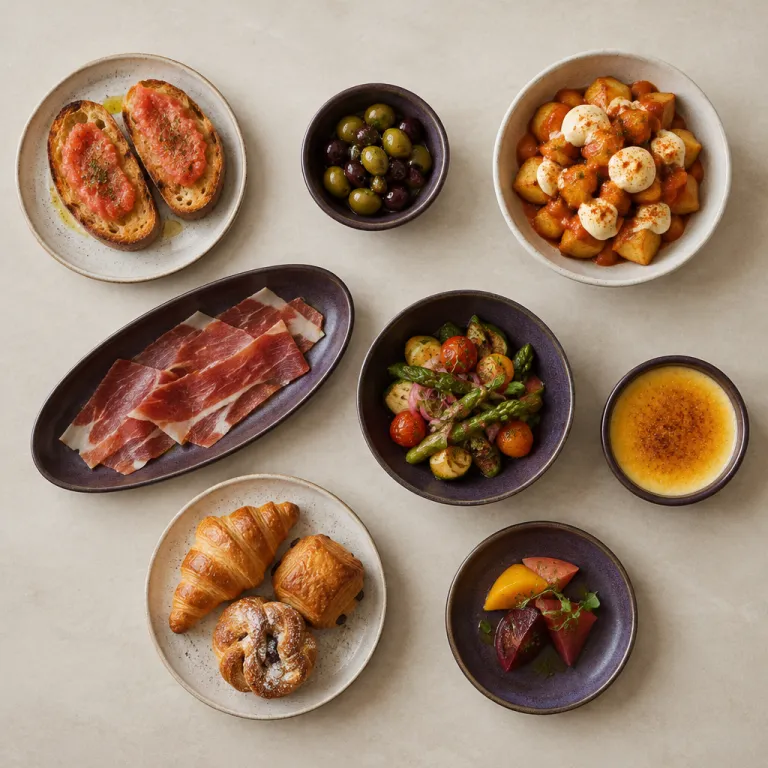
Why foods in Barcelona matter for strategic F&B positioning
Foods in Barcelona offer a live laboratory for Mediterranean menu strategy. In this city, the mix of sea and mountains, or mar i muntanya, turns every traditional Catalan dish into a case study for hotel restaurants. For Directeurs F&B and chefs exécutifs, the way guests eat in Barcelona today anticipates what they will expect tomorrow in urban hotels across Spain and in other Mediterranean destinations.
The local pattern of eating late, with lunch around 14:00 and dinner after 21:00, forces Barcelona restaurants to rethink service flows, bar staffing, and prep rhythms. Studies by Turisme de Barcelona show that this schedule extends peak trading by roughly two hours versus many Northern European cities, a window that well-run hotel bars can monetise with targeted tapas and beverage offers. When you analyse foods in Barcelona carefully, you see how tapas bars, wine lists, and casual lobby spaces can merge into one coherent profit centre rather than three disconnected outlets.
For investors in restauration and groups hôteliers, Barcelona’s food ecosystem shows how a city can monetise identity through food. The best operators use tapas, seafood, and jamón Ibérico not only as products but as storytelling tools that justify higher average checks. At properties such as W Barcelona or Hotel Arts, Spanish dishes including tortilla española, paella, and crema catalana appear in contemporary formats that consistently outperform generic international restaurants that simply serve anonymous fried items.
From tapas to tasting menus: designing profitable formats around foods in Barcelona
Tapas in Barcelona are no longer just small plates; they are a flexible revenue architecture. A well-designed tapas bar inside a hotel can shift seamlessly from quick business eat occasions at noon to high-margin wine and cocktail pairings at night. The key is to curate a tight list of dishes that express Catalan identity while remaining operationally lean.
Classics such as patatas bravas, pimientos de Padrón, gambas al ajillo, and pan con tomate travel perfectly from independent tapas bars to hotel concepts. When Barcelona tapas favourites are reworked with premium cured meats and excellent olive oil, they support higher price points without alienating guests. Smart Directeurs F&B use these dishes as modular building blocks, combining them into sharing boards, tapas tasting menus, or bar snacks that keep guests in the property instead of sending them to external restaurants.
For investors, the most profitable foods in Barcelona often sit at the intersection of comfort and perceived authenticity. A plate of jamón Ibérico with pan con tomate and a glass of Spanish wine can deliver food cost ratios below 25% in well-negotiated operations, according to benchmarking by HotStats and STR. To deepen this strategy, study how local restaurants serve sweet and savoury signatures, then adapt ideas such as churros con chocolate or crema catalana into formats that support room service, lobby bars, and even poolside kiosks, while you explore sweet and sour profit drivers through resources such as this analysis of strategic shrimp dishes in hotel F&B: strategic profit driver in modern hotel F&B.
Seafood, paella, and the new expectations for hotel restaurants
Seafood in Barcelona is both a heritage pillar and a performance benchmark for hotel kitchens. Guests arrive in the city expecting the best paella or a memorable fideuà, and they increasingly compare hotel restaurants directly with specialist seafood houses in neighbourhoods like Barceloneta. This raises the bar for sourcing, cooking techniques, and menu storytelling in any property that wants to compete seriously.
Local practice still favours grilling over wood fire, slow stews, and careful roasting of vegetables such as tomato, pepper, and eggplant to support seafood dishes. These methods, combined with a disciplined use of olive oil and fresh herbs, create a flavour profile that international travellers now associate instinctively with food in Barcelona. For hotel F&B teams, aligning with this expectation means investing in seafood base strategies, from stocks to sauces, as outlined in professional resources like this guide on elevating culinary excellence with seafood: seafood base strategies for F&B professionals.
From a financial perspective, seafood-focused foods in Barcelona can support premium positioning when managed with rigorous yield control. Whole grilled fish for two, shared paella pans, and seafood tapas such as gambas al ajillo or fried calamari encourage social dining and strong beverage attachment. Case studies from coastal resorts in Catalonia show that menus anchored in Spanish dishes of this type can lift average check by 8–15% and raise F&B revenue per available room by 5–10% compared with more generic international fish offers.
Leveraging cooking classes and experiential formats in the city
Experiential formats around foods in Barcelona have moved from niche to mainstream guest expectations. Cooking class offers that teach visitors how to prepare tortilla española, pan con tomate, or a seasonal paella now appear in both independent cooking schools and upscale hotels. For groups hôteliers, integrating such experiences in house can transform the restaurant from a cost centre into a marketing engine.
A well-structured cooking class in Barcelona typically combines a market visit, hands-on cooking, and a shared meal with wine pairings. This format allows hotels to showcase their sourcing standards, from fresh seafood to cured meats and vegetables, while reinforcing the narrative of the Mediterranean diet recognised as UNESCO Intangible Cultural Heritage in 2010. When participants eat what they have cooked, they also become ambassadors for the hotel’s restaurants, often returning later to sample more dishes or to bring colleagues.
Independent exploitants can use foods in Barcelona as a framework for themed weeks or seasonal academies. For example, a winter programme might focus on calçots, grilled over open flame, served with romesco, and paired with local wine, while a summer series highlights chilled seafood, fried tapas, and light Catalan desserts. In every case, the goal is to turn the act of eating into a story that differentiates the property from the many restaurants and tapas bars that visitors can find across the city.
Local sourcing, regenerative thinking, and the Mediterranean diet
The context of foods in Barcelona is inseparable from the Mediterranean diet and its emphasis on vegetables, olive oil, seafood, and moderate wine consumption. For hotel F&B leaders, this is not just a culinary style; it is a framework for procurement, menu engineering, and brand positioning. Guests increasingly expect that the food they eat in Barcelona reflects both local taste and responsible sourcing.
Working closely with suppliers of vegetables, seafood, and cured meats allows hotels to align with the city’s identity while controlling quality and cost. Partnerships with producers of olive oil, jamón, and natural wine can be framed as part of a broader regenerative agriculture strategy, which strengthens both marketing narratives and ESG reporting. To go further, F&B teams can study how regenerative agriculture partnerships are reshaping hotel supply chains in other regions through analyses such as this one on beyond local sourcing: regenerative agriculture partnerships in hotel supply chains.
For investors and groups hôteliers, the long-term value of foods in Barcelona lies in this blend of pleasure and responsibility. Menus that highlight grilled seafood, seasonal vegetables, and traditional Catalan dishes like crema catalana or escalivada can be both profitable and aligned with health-conscious trends. Industry reports from WTTC and UNWTO indicate that hotels communicating clearly about origin, seasonality, and cooking methods often see higher guest satisfaction scores and repeat-visit intent than those that treat sourcing as a back-of-house detail.
Operational lessons from Barcelona’s bars, taverns, and neighbourhood restaurants
The everyday operations of neighbourhood bars and taverns around Barcelona offer sharp lessons for hotel F&B teams. Many of these small restaurants serve a compact menu of tapas, fried snacks, and a few daily dishes, yet they maintain high table turns and strong beverage sales. Their success rests on disciplined mise en place, clear menu engineering, and a deep understanding of when and how locals eat.
Observing how a traditional tapas bar manages peak hours can inspire more agile service models in hotel lobbies and pool bars. Staff move fluidly between bar, terrace, and dining room, while the kitchen focuses on a limited number of high-impact items such as patatas bravas, tortilla española, and simple grilled seafood. This approach reduces waste, simplifies training, and allows consistent quality even when volumes spike during major events in the city.
For Directeurs F&B, one practical tactic is to map which foods in Barcelona are best suited to each outlet type. Jamón Ibérico and pan con tomate work beautifully as bar snacks, while more elaborate Catalan dishes fit the main restaurant. As local guides often remind visitors, “Toasted bread rubbed with tomato, garlic, olive oil and salt” defines the essence of pa amb tomàquet, and this same simplicity can anchor a coherent, profitable offer across all hotel restaurants and bars.
Key figures and performance benchmarks around foods in Barcelona
- The Mediterranean diet, which underpins most foods in Barcelona, was recognised by UNESCO as Intangible Cultural Heritage in 2010, a status that strengthens the city’s positioning for health-conscious travellers and supports premium pricing in hotel restaurants.
- Local tourism guides typically highlight around 12 must-try dishes in Barcelona, including paella, fideuà, crema catalana, and various tapas, giving hotel F&B teams a clear benchmark for which items international guests expect to find on menus.
- Service patterns in Barcelona, with lunch around 14:00 and dinner after 21:00, can extend profitable trading hours by 2 to 3 hours per day for hotel bars and restaurants that adapt staffing and menu formats accordingly.
- Shared formats such as paella pans for two or more guests often generate strong beverage attachment in successful Barcelona restaurants, making them powerful tools for boosting wine and cocktail sales.
- Properties that integrate experiential offers such as a cooking class focused on Catalan dishes frequently report higher ancillary revenue per occupied room, as guests pay for both the experience and the subsequent meals in on-site outlets.
FAQ about leveraging foods in Barcelona for hotel F&B
What are the essential foods in Barcelona that hotel menus should feature?
Core expectations include tapas such as patatas bravas, pimientos de Padrón, and gambas al ajillo, alongside paella or fideuà, tortilla española, and pan con tomate. Guests also look for quality jamón Ibérico, grilled seafood, and at least one traditional Catalan dessert such as crema catalana. Covering these dishes ensures that hotel restaurants align with what visitors hope to eat in Barcelona.
How can hotel bars compete with independent tapas bars in the city?
Hotel bars should focus on a concise, high-quality tapas offer built around foods in Barcelona that travel well, such as cured meats, fried snacks, and simple grilled items. Pair these with a strong Spanish wine and vermouth selection, and design service to match local late-night habits. The goal is not to copy every neighbourhood bar, but to offer a polished, convenient alternative that still feels authentically Barcelona.
Are cooking classes around Catalan dishes worth the operational effort?
When structured carefully, a cooking class can generate direct revenue, strengthen the hotel’s culinary reputation, and drive incremental restaurant visits. Teaching guests how to prepare tortilla española, paella, or pan con tomate showcases ingredient quality and chef expertise. Many properties find that participants return to eat in the restaurant, recommend the hotel to others, and share their experience on social media, amplifying marketing reach.
How should hotels approach seafood sourcing in Barcelona?
Hotels should work with reputable local suppliers to secure consistent quality for key seafood dishes such as paella, fideuà, and grilled fish. Aligning with the broader Mediterranean diet narrative means prioritising freshness, seasonality, and responsible fishing practices. Clear communication on menus about origin and catch methods helps build trust with guests who choose to eat seafood in Barcelona specifically because of the city’s maritime reputation.
What role do desserts like crema catalana and churros con chocolate play in strategy?
Traditional desserts linked to foods in Barcelona offer high-margin opportunities and a strong emotional finish to the meal. Items such as crema catalana or churros con chocolate are simple to execute at scale and resonate with both leisure and business travellers. Featuring them across restaurants, bars, and room service helps create a coherent culinary identity that differentiates the property within the competitive Barcelona restaurant scene.