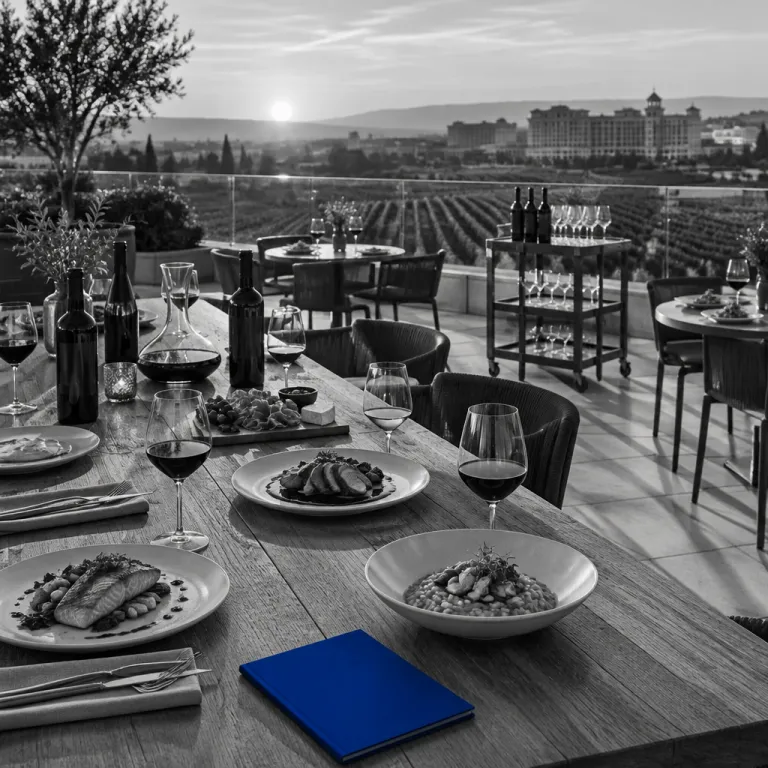
Section 1 – Why pinot noir food pairing matters for profitable beverage programs
Pinot noir sits at a unique crossroads between red wine power and white wine finesse. For Directors of Food & Beverage and executive chefs, mastering pinot noir food pairing unlocks higher average checks, stronger guest loyalty, and cleaner inventory rotation. When a beverage program treats each pinot noir as a gastronomic tool rather than a generic red, both guest satisfaction and gross margin rise measurably.
Unlike many red wines, pinot noir typically shows moderate tannins, bright acidity, and delicate red fruit notes that respond sensitively to food context. This means a single pinot noir reference can support multiple pairings across tasting menus, banqueting offers, and in-room dining, provided the team understands how to match pinot with savory dishes, cheese courses, and even tomato-based plates. A structured pairing guide for pinot noir therefore becomes a training asset, not just a marketing story, especially when new teams rotate through seasonal concepts.
From a portfolio perspective, pinot-based red wines from Burgundy, Oregon, Central Otago, or Baden can cover a wide spectrum of flavors, from light and earthy notes to richer, more fruit-driven styles. This versatility allows hotel groups and independent operators to rationalize SKUs while still offering guests a sense of choice between different wines and pinot noir pairings. When investors in restaurant and bar operations evaluate beverage performance, they increasingly look at how intelligently a property uses wine pairing strategies to turn a single grape such as pinot into multiple profitable guest experiences.
Section 2 – Sensory architecture of pinot noir: acidity, fruit, and earthy notes
Designing a high-impact pinot noir food pairing program starts with understanding the wine’s sensory architecture. Classic pinot noir wine shows bright acidity, light to medium body, and red fruit aromas such as cherry, raspberry, or cranberry that can be easily overwhelmed by heavy sauces. Many terroirs also contribute earthy flavors, with mushroom, forest floor, and subtle spice notes that align naturally with savory hotel cuisine.
Because wine acidity in pinot is generally higher than in many other red wines, it behaves almost like a structured white wine when matched with food. This bright acidity cuts through fat in dishes such as duck confit, roast chicken with jus, or creamy mushroom velouté, while the delicate fruit notes echo any red-fruit-based glaze or garnish. When chefs and sommeliers build pairings, they should always ask whether the plate will amplify the wine’s earthy notes or its fruit-driven profile, then adjust seasoning and cooking methods accordingly.
For beverage programs that already leverage creative tools such as chocolate spoons to elevate beverage spend, pinot noir offers similar upsell potential through curated wine-and-cheese flights and mushroom-focused small plates. A pinot noir food pairing that highlights truffle, roasted beetroot, and aged cheese can be positioned as a premium bar snack experience rather than a simple appetizer. By articulating these flavor bridges clearly in staff training, Directors of F&B ensure that every team member can explain why a specific pinot wine pairs best with a given dish instead of defaulting to generic red wine recommendations.
Section 3 – Building a structured pairing guide for multi outlet hotel operations
Large hotel groups and multi-outlet resorts need a pinot noir pairing guide that works from brasserie to fine dining. The same core pinot references should adapt to casual food pairing in the lobby bar, elevated wine-and-cheese service in the lounge, and gastronomic menus in the signature restaurant. A clear internal guide also helps independent operators standardize guest experience across lunch, dinner, and banqueting without multiplying SKUs.
One effective framework is to classify each pinot wine by weight, fruit intensity, and earthy notes, then map these profiles to dish families. Lighter red wines with bright acidity and delicate red fruit suit charcuterie, grilled salmon, and poultry with herb jus, while fuller-bodied pinot with deeper fruit notes can pair successfully with lamb, game birds, or richer mushroom-based sauces. Tomato-based dishes such as duck with cherry and tomato compote or tomato-braised rabbit can work, but chefs should avoid excessive chili heat or sweetness that would dominate the wine’s subtle flavors.
From a financial perspective, pinot noir can be treated as a strategic profit engine in the same way that some properties treat iconic labels, as explored in this analysis of how hospitality leaders turn costly wine brands into profit drivers. By positioning a curated set of pinot pairings at slightly higher margins, Directors of F&B can nudge guests away from generic white wines or entry-level red options. The key is to train teams to present the pairing guide as a service-oriented tool that enhances the guest’s food experience, not as an upsell script, which in turn builds trust and repeat orders.
Section 4 – Comparing pinot noir with white wines and other reds on the menu
Any serious pinot noir food pairing strategy must be framed against the broader wine list. Guests often hesitate between a red wine and a white wine when ordering fish, poultry, or vegetarian dishes, and this is where pinot can shine as a bridge. For Directors of F&B, the objective is to position pinot noir wines as the flexible choice that respects both the chef’s cuisine and the guest’s comfort zone.
Compared with structured red wines such as Cabernet Sauvignon or Syrah, pinot typically offers softer tannins, higher wine acidity, and more delicate red fruit, which makes it safer with lighter food. When guests might usually order sauvignon blanc or other aromatic white wines with dishes like roast chicken, seared tuna, or mushroom risotto, a well-chosen pinot wine can provide extra savory depth without overpowering the plate. This is particularly effective in tasting menus where the chef wants to maintain a coherent narrative of flavors while limiting the number of different wines poured.
At the same time, beverage teams should maintain clear talking points about when to avoid pinot noir and steer guests toward white wine or fuller-bodied red options. Very spicy tomato-based curries, heavily smoked meats, or intensely sweet sauces can flatten the subtle notes of pinot and make even the best pairings feel thin. Training materials should therefore include side-by-side comparisons, explaining when sauvignon blanc, Chardonnay, or more structured red wines will pair best, so that staff can guide guests confidently rather than relying on generic wine pairing clichés.
Section 5 – Operational tactics: from staff training to menu engineering
Translating pinot noir theory into profitable practice requires disciplined operations. Beverage managers should embed pinot noir food pairing principles into pre-service briefings, menu tastings, and ongoing coaching, so that every server can explain why a specific pinot food combination works. Short, focused training on acidity, fruit, and earthy notes will equip staff to answer guest questions quickly and credibly.
Menu engineering is equally critical, because layout and language strongly influence which wines guests choose to pair with their food. Highlighting a small set of recommended pinot pairings directly under key dishes, such as duck breast, mushroom ravioli, or roast chicken, encourages guests to order pinot noir without feeling pressured. Descriptors should reference concrete flavors like red fruit, mushroom, and savory spice rather than abstract adjectives, which helps guests visualize how the wine and food will interact.
In multi-property groups, central F&B leaders can create standardized pairing guide templates that local teams adapt to regional cuisine and available wines. Case studies from luxury operators, such as this interview on culinary excellence and guest experience in luxury hotels, show how a coherent beverage philosophy strengthens brand identity. When investors in restaurant operations review performance, they often see that properties with disciplined wine pairing programs achieve higher wine-and-cheese attachment rates, better stock rotation, and more resilient profitability during demand fluctuations.
Section 6 – Advanced pairing scenarios: cheese, mushroom, and challenging dishes
Some of the most memorable pinot noir food pairing opportunities arise in advanced scenarios that go beyond classic meat dishes. Cheese service, vegetarian tasting menus, and late-night bar snacks all offer fertile ground for creative pinot pairings that differentiate a hotel’s beverage program. For Directors of F&B, these moments can quietly lift revenue while reinforcing the property’s gastronomic positioning.
With cheese, pinot noir often works best alongside semi-soft and washed-rind styles rather than very strong blue cheeses, which can overwhelm the wine’s delicate flavors. A curated wine-and-cheese flight might feature a lighter red wine pinot with Tomme or Reblochon, a more structured pinot wine with Comté or aged Gouda, and a contrasting white wine such as sauvignon blanc for goat cheese, allowing guests to compare how wine acidity and fruit notes interact with different textures. Mushroom-based dishes are another natural arena for pinot pairings, because the earthy notes in both the food and the wine create a seamless bridge that feels intentional rather than accidental.
Challenging dishes such as tomato-based braises, sweet glazes, or heavily spiced plates require more caution, and sometimes the best decision is to avoid pinot noir entirely. When chefs insist on pairing pinot with such food, they should moderate sweetness, reduce chili heat, and emphasize umami-rich ingredients like mushroom, soy, or roasted vegetables to support the wine’s savory character. By documenting these edge cases in the internal pairing guide, beverage leaders give their teams a practical tool that respects both culinary creativity and the structural limits of red wines based on pinot noir.
Key statistics on pinot noir and restaurant wine programs
- A global survey by Wine Intelligence reported that pinot noir ranks among the top three most recognized red wine styles for premium consumers, which supports its use as a flagship grape in hotel wine lists. The exact ranking varies by market and survey year, so operators should review the latest Wine Intelligence country reports before quoting figures in brand presentations.
- Data from the Wine Market Council indicated that guests who order wine pairings with tasting menus typically spend around 20 to 30% more per cover than those ordering à la carte beverages, highlighting the revenue potential of structured pinot noir food pairing programs. These percentages are based on aggregated on-premise studies; individual properties should benchmark against their own POS data.
- Restaurant benchmarking from industry consultants such as Technomic has shown that curated wine pairing menus can increase overall wine sales mix by roughly 8 to 12%, especially when staff receive targeted training on specific grapes like pinot noir. Methodologies differ by study, but most combine menu audits with operator interviews and sales tracking over several months.
- Studies on menu design published in the International Journal of Hospitality Management have found that placing recommended wine pairings directly under dishes can raise attachment rates by up to 15%, which is highly relevant for pinot pairings on high-margin signature plates. These findings typically come from controlled experiments using test menus and measured changes in guest ordering behavior.
FAQ about pinot noir food pairing in hospitality
How should we position pinot noir versus white wines on a hotel menu?
Position pinot noir as the flexible choice between heavier red wines and lighter white wines, especially for poultry, pork, and mushroom dishes. Use tasting notes that emphasize bright acidity and red fruit to reassure guests who usually order sauvignon blanc or Chardonnay. This framing helps staff guide guests toward pinot wine without creating decision fatigue.
Which cheeses work best with pinot noir in a wine cheese flight?
Pinot noir generally pairs best with semi-soft and medium-intensity cheeses such as Tomme, Reblochon, Comté, or aged Gouda. Very strong blue cheeses or heavily smoked cheeses can dominate the wine’s delicate flavors and earthy notes. For variety, include at least one white wine alongside the pinot wine to show how wine acidity changes the perception of salt and fat.
Can pinot noir work with tomato based dishes in hotel restaurants?
Tomato-based dishes can work with pinot noir when the sauce is savory rather than sweet and when chili heat is moderate. Emphasize umami-rich ingredients such as mushroom, olives, or roasted vegetables to align with the wine’s earthy notes and red fruit character. If the dish is very spicy or sweet, it is usually better to avoid pinot noir and suggest another red wine or a structured white wine instead.
How many pinot noir references should a multi outlet hotel carry?
Most multi-outlet hotels can operate effectively with three to six pinot noir references covering different price points and styles. A balanced selection might include one by the glass, one mid-tier bottle, and one premium cuvée for gastronomic pairings and banqueting. The key is to ensure that each pinot wine has a clear role in the pairing guide rather than duplicating flavors.
What training format works best for teaching staff about pinot pairings?
Short, focused tastings that compare pinot noir with one white wine and one fuller-bodied red wine are highly effective. During these sessions, ask staff to taste with simple food samples such as cheese, mushroom tart, and tomato-based bites to feel how wine acidity and flavors interact. Document the results in a concise pairing guide so that new team members can learn quickly and apply the knowledge in service.