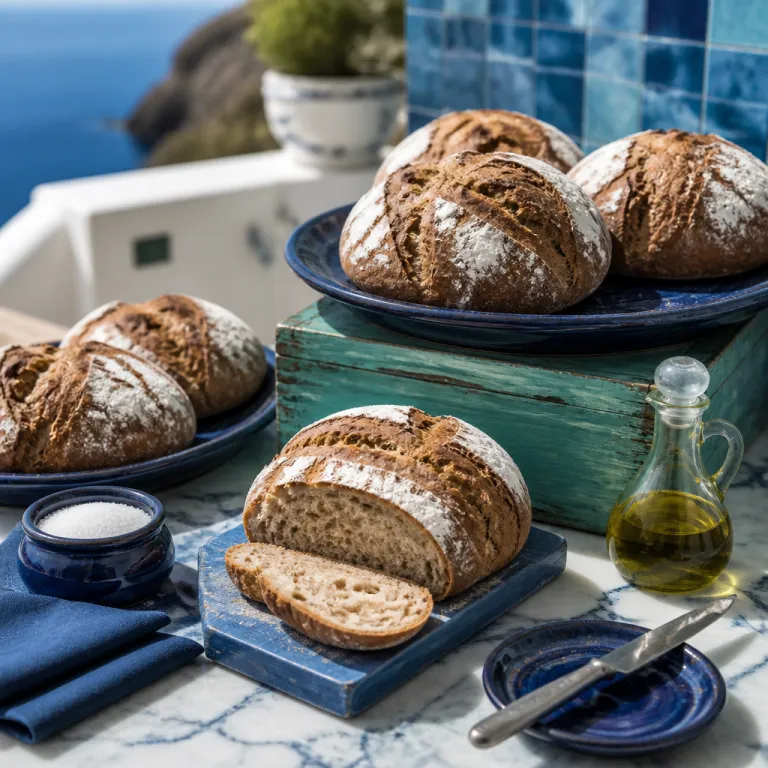
Pane rustico in hospitality: from Sicilian peasant bread to signature program
From Sicilian pane rustico to strategic signature bread
Pane rustico, the traditional Sicilian sourdough bread, can become a strategic pillar in modern hospitality programs. When Directeurs F&B and chefs exécutifs treat this rustic loaf as more than a classic peasant bread, they unlock a platform for menu differentiation, storytelling, and margin expansion. In Sicily, Sicilian bakers still rely on natural yeast, wood fired ovens, and long dough rest times to achieve a light airy crumb that feels both humble and luxurious.
For hotel groups and independent operators, anchoring a bread program around pane rustico means aligning with a centuries old culinary heritage while still leaving room for innovation. The base dough, typically built from wheat flour or a blend of bread flour and durum wheat, offers a robust structure that tolerates extended fermentation and operational variability in a busy bakery or hotel kitchen. Because this pane rustico is naturally versatile, the same loaf can move from breakfast buffet to premium sandwich service and even to elevated french toast applications without compromising consistency.
Operationally, the core recipe is simple: flour, water, salt, and a mature sourdough starter, with yeast sometimes added in small quantities to stabilise proofing in large scale production. The dough can be mixed in standard spiral mixers, then transferred to a sheet pan or banneton before going into a deck oven, a wood fired oven, or even a dutch oven format for boutique properties seeking theatre. What matters most is respecting the dough rest and learning how to fold dough correctly, because these steps create the open crumb and crust character that guests immediately love.
From a nutritional perspective, pane rustico aligns well with wellness focused positioning without claiming to be a diet product. A 57 g serving of rustic bread typically provides around 130 kcal, 25 g of carbohydrates, and 4 g of protein, which is consistent with values reported for similar wheat sourdough breads in the USDA FoodData Central database and the Italian Council for Agricultural Research and Economics (CREA) tables.1,2 For investors in restauration, this balance between perceived authenticity, operational simplicity, and strong guest appeal makes the category particularly attractive.
Engineering the dough: from flour blend to light airy crumb
Designing a pane rustico program for a hotel or resort starts with the flour strategy. A thoughtful blend of wheat flour, bread flour, and a controlled percentage of durum wheat allows chefs to tune flavour, colour, and structure while keeping the dough manageable for non specialist teams. Some properties also test small inclusions of rice flour in the recipe to adjust crust crispness and improve handling when they need to fold dough repeatedly during bulk fermentation.
The hydration ratio of flour and water is the second decisive lever, because it directly shapes the final loaf volume and crumb texture. Higher hydration supports a more light airy structure, but it demands stronger training for the bakery brigade to manage sticky dough, extended dough rest, and precise timing in the oven. For large groupes hôteliers, standardising this recipe across properties requires clear SOPs that specify mixing minutes, dough temperature targets, and the exact number of folds during bulk fermentation.
Fermentation management is where Sicilian practice meets modern hotel constraints. Traditional Sicilian bakers rely on natural sourdough yeast and long, cool proofing, while international hotels often need a hybrid approach that combines sourdough starter with a small quantity of commercial yeast to secure predictable rise times. When the dough is shaped, operators can either cover dough in bannetons for overnight proofing or place shaped loaves on a sheet pan for shorter ambient fermentation, depending on breakfast service volumes and oven capacity.
Once proofed, the baking format becomes a key branding choice for Directeurs F&B. A flagship restaurant might bake pane rustico in a visible wood fired oven, while a lifestyle hotel could use individual dutch oven bakes to create dramatic table side bread service. For high volume banqueting, classic deck ovens or rotating rack ovens still deliver excellent crust, provided that steam injection and loading patterns are calibrated to protect the delicate, fermented dough structure.
Finally, innovation does not stop at the loaf itself; it extends to how this bread interacts with the wider F&B ecosystem. Properties that already work on elevated dessert menus, for example with concepts such as banana chimichanga innovation, can repurpose day old pane rustico into premium french toast or sweet bread puddings. This approach reduces waste, reinforces the signature status of the bread, and creates a coherent narrative across savoury and sweet courses.
Menu architecture: pane rustico across dayparts and concepts
When pane rustico becomes a signature bread, it should appear intelligently across multiple dayparts. At breakfast, a single base loaf can support a recipe breakfast section that includes simple toast, avocado toast, and indulgent french toast, all built on the same dough platform. This strategy simplifies procurement and production while giving guests the impression of abundant choice and customisation.
For the breakfast buffet, operators can slice the bread in different thicknesses to signal distinct experiences. Thin slices work well for light avocado toast with cherry tomatoes and pistachio pesto, while thicker cuts are ideal for rich french toast topped with cream cheese and seasonal fruit. In both cases, the light airy crumb of the pane rustico absorbs sauces and syrups without collapsing, which is crucial for maintaining visual appeal on high traffic buffets.
During lunch and all day dining, the same pane rustico loaf can anchor a focused sandwich program. A classic peasant bread style grilled cheese with local cheese and herb pesto sits comfortably next to a more contemporary open sandwich with whipped cream cheese, roasted cherry tomatoes, and pistachio pesto on toasted slices. Because the dough structure is robust, the bread tolerates toasting, pressing, and extended holding in a warm cabinet without losing its rustic italian character.
In the evening, fine dining outlets can reposition the bread as a premium table service element. Small individual loaves of pane rustico, baked in mini dutch oven vessels or on a sheet pan and finished with olive oil, can be served with cultured butter, flavoured cream cheese, or a savoury pistachio pesto dip. For beverage driven venues, pairing this bread with dessert wines or fortified wines, as explored in analyses of how French dessert wine can elevate beverage programs, creates incremental revenue opportunities through curated tasting flights.
Snacking and retail also deserve attention from investors restauration. Pre sliced pane rustico packaged as a premium bread option for in room dining or grab and go concepts can carry a higher price point than generic white bread, especially when the label highlights sourdough fermentation and Sicilian heritage. When integrated with other profitable snack formats, such as those examined in strategies on caramel corn as a profit driver, pane rustico helps build a cohesive, high margin retail portfolio.
Operational playbook: from bakery workflow to training and equipment
Translating the romance of Sicilian pane rustico into a repeatable hotel operation requires a disciplined workflow. The process starts with accurate scaling of flour, water, salt, and yeast or sourdough starter, because even small deviations can destabilise the dough and compromise the final loaf. Many groupes hôteliers now rely on centralised recipe management systems to lock in hydration levels, mixing minutes, and dough rest parameters across multiple properties.
Once ingredients are combined, the mixing phase determines gluten development and dough strength. Under mixing leaves the dough slack and difficult to fold, while over mixing can damage the delicate structure that supports a light airy crumb in the finished bread. A practical approach is to mix until the dough just begins to pull away from the bowl, then rely on a series of folds during bulk fermentation to complete the structure.
During bulk fermentation, bakers should fold dough every 30 to 45 minutes, depending on ambient temperature and dough hydration. Each fold strengthens the gluten network, redistributes yeast and bacteria, and gently degasses the dough to prevent large, uneven holes in the loaf. In high volume hotel bakeries, scheduling these folds alongside other production tasks is essential to avoid bottlenecks and ensure that the dough rest does not extend beyond the optimal window.
Shaping and proofing are the next critical stages in the operational playbook. Teams can pre shape the dough into rounds, allow a short bench rest, then perform a final shaping before placing loaves seam side up in bannetons or seam side down on a sheet pan, depending on the desired crust pattern. To protect the surface and prevent drying, it is important to cover dough with cloths or food safe plastic during proofing, especially in air conditioned hotel environments.
Baking parameters must be calibrated to each oven type in the property. Wood fired ovens deliver intense bottom heat and a distinctive flavour profile, while modern deck ovens offer precise temperature control and steam injection that helps maximise oven spring. Some boutique hotels use a dutch oven method inside a standard oven to mimic the steam rich environment of professional equipment, which can be particularly effective when launching a pane rustico program in smaller independent properties.
Innovation with toppings, formats, and cross cultural applications
Once the core pane rustico recipe is stable, innovation shifts to toppings, formats, and cross cultural pairings. For breakfast, chefs can design a recipe breakfast section that showcases both savoury and sweet options on the same bread, such as avocado toast with cherry tomatoes and pistachio pesto alongside french toast with cream cheese and citrus compote. This approach leverages the bread’s neutral yet characterful flavour to support multiple culinary identities without fragmenting production.
In casual dining outlets, the sandwich category offers fertile ground for experimentation. A grilled pane rustico sandwich with local cheese and herb pesto can sit next to a plant forward option featuring marinated vegetables, pistachio pesto, and a smear of cream cheese to add richness. Because the dough structure is resilient, these sandwiches hold well under gentle heat, which is crucial for room service and banqueting operations that must balance quality with logistical realities.
Fine dining teams can push the concept further by treating pane rustico as a plated component rather than a simple bread basket item. Thin, toasted slices can serve as a base for canapés topped with whipped cheese, cherry tomatoes confit, and micro herbs, while thicker pieces can accompany braised meats or seafood stews as an intentional part of the dish architecture. In both singular and plural applications, these breads act as flavour carriers that connect Sicilian heritage with local terroir in each property.
Cross cultural applications also resonate strongly with international travellers. In Asian properties, for example, pane rustico can be paired with miso butter or fermented chilli pesto, while Middle Eastern hotels might serve it with labneh and za’atar to create a bridge between rustico italian tradition and regional flavours. For investors restauration, these adaptable formats demonstrate how a single loaf can underpin multiple concepts, reducing complexity while expanding perceived variety.
Finally, operators should not ignore the emotional dimension of this bread. Guests often express genuine love for a well baked rustic loaf, especially when they can see the dough being shaped or the bread emerging from the oven in an open bakery. By telling the story of Sicilian bakers, natural yeast, and wood fired methods on menus and digital channels, brands reinforce authenticity and justify premium pricing without resorting to gimmicks.
Financial performance, sourcing, and sustainability for pane rustico programs
From a financial perspective, pane rustico offers one of the most attractive cost to value ratios in the F&B toolkit. The core inputs of flour, water, salt, and yeast or sourdough starter are inexpensive, while the perceived value of a hand crafted rustic loaf is high in both luxury and lifestyle segments. When Directeurs F&B engineer menus carefully, this bread can support strong contribution margins across breakfast, sandwich, and bar snack categories.
Sourcing strategy plays a decisive role in reinforcing both brand positioning and sustainability credentials. Partnering with local grain farmers for wheat flour, bread flour, and durum wheat echoes the Sicilian model, where pane rustico is deeply connected to regional agriculture and peasant bread traditions. Some hotel groups also experiment with small percentages of rice flour in the blend to highlight local crops in Asian markets, while still maintaining the classic crumb and crust profile that defines rustico italian loaves.
Energy and equipment choices influence both operating costs and guest perception. Wood fired ovens deliver unmatched flavour and theatre, but they require careful management of fuel, ventilation, and staff training, whereas modern deck ovens and combi ovens offer efficiency and precise control for large scale production. For smaller independent properties, a dutch oven method inside a standard oven can provide an accessible path to high quality pane rustico without major capital expenditure.
Sustainability also extends to waste management and product lifecycle. Day old bread can be transformed into premium french toast, croutons, or savoury bread puddings, ensuring that every loaf contributes maximum value before leaving the operation. By designing recipes that intentionally use yesterday’s pane rustico in both singular and plural formats, operators reduce waste, improve food cost, and reinforce a narrative of responsible luxury.
Finally, aligning nutrition communication with guest expectations strengthens trust. With around 130 kcal, 25 g of carbohydrates, and 4 g of protein per 57 g serving, figures that mirror standard composition data for wheat sourdough in USDA and EU databases,1,3 pane rustico can be presented as a balanced carrier for nutrient dense toppings such as cheese, avocado, or cherry tomatoes rather than as an indulgence on its own. Clear labelling on buffets and menus, combined with transparent sourcing stories, helps guests make informed choices and positions the brand as both indulgent and responsible.
Key statistics for pane rustico in hospitality
- Rustic bread such as pane rustico provides around 130 kcal per 57 g serving, which makes it energy efficient for breakfast and sandwich applications while leaving room for nutrient dense toppings (values aligned with USDA FoodData Central and CREA, Italy, for wheat sourdough bread).1,2
- The same 57 g portion typically delivers about 25 g of carbohydrates, giving chefs a predictable base for menu engineering and portion control in buffet and à la carte formats (based on USDA and EU food composition references for standard wheat bread).1,3
- With approximately 4 g of protein per 57 g serving, pane rustico contributes modest protein while acting as a carrier for higher protein ingredients such as cheese, cream cheese, or charcuterie (data consistent with Italian CREA and USDA tables for rustic sourdough loaves).1,2
- Traditional Sicilian practice emphasises wood fired baking and natural sourdough fermentation, a combination that supports long term cultural heritage and culinary diversity in regional hospitality ecosystems.
- Growing interest in traditional breads and artisanal baking has increased guest willingness to pay a premium for authentic loaves such as pane rustico, especially when operators highlight local grain sourcing and hand crafted methods; industry case studies from European city hotels indicate that replacing generic white bread with a signature rustic loaf can contribute to higher average checks on breakfast and bar snack menus, although results vary by concept and market.
FAQ about pane rustico in hospitality programs
What is pane rustico and why does it matter for hotels ?
Pane rustico is a traditional Sicilian sourdough bread characterised by a robust crust and a light airy crumb. For hotels and resorts, it offers a versatile, high perceived value bread that can appear at breakfast, in sandwich programs, and as a premium table bread. Its authentic story and simple ingredient list make it ideal for brands seeking both differentiation and operational simplicity.
How is pane rustico made in a professional hospitality kitchen ?
In professional settings, pane rustico is typically made from wheat flour or bread flour, water, salt, and a sourdough starter, sometimes supported by a small amount of commercial yeast for consistency. The dough undergoes a long fermentation with periodic folds, followed by shaping, proofing, and baking in a deck oven, wood fired oven, or dutch oven format. Respecting dough rest times and managing oven steam are crucial to achieving the desired crust and crumb.
Which dishes pair best with pane rustico on hotel menus ?
Pane rustico pairs naturally with soups, stews, cold cuts, and cheeses, making it ideal for both casual and upscale outlets. At breakfast, it works well for toast, avocado toast, and french toast, while at lunch and dinner it shines in grilled sandwiches or as a side to braised dishes. Its neutral yet characterful flavour also supports creative toppings such as pistachio pesto, cream cheese spreads, and roasted cherry tomatoes.
Can pane rustico be produced at scale for large hotel groups ?
Yes, pane rustico can be scaled effectively when recipes, fermentation schedules, and baking parameters are standardised across properties. Large hotel groups often centralise flour specifications, hydration levels, and mixing minutes, then train local bakery teams to fold dough and manage proofing consistently. Some brands also use central production facilities to par bake loaves, which are then finished on site for fresh from the oven service.
How can operators integrate pane rustico into sustainable F&B strategies ?
Operators can source wheat flour, bread flour, and durum wheat from local farmers, echoing the Sicilian model of close ties between bakeries and agriculture. Day old loaves can be repurposed into french toast, croutons, or bread based desserts, reducing waste and improving food cost. Communicating these practices on menus and digital channels reinforces a narrative of responsible, authentic hospitality.
1. USDA FoodData Central, standard wheat sourdough bread entries. 2. Italian Council for Agricultural Research and Economics (CREA), national food composition tables for bread and bakery products. 3. EU and national food composition databases reporting typical macronutrient values for wheat bread and sourdough loaves.