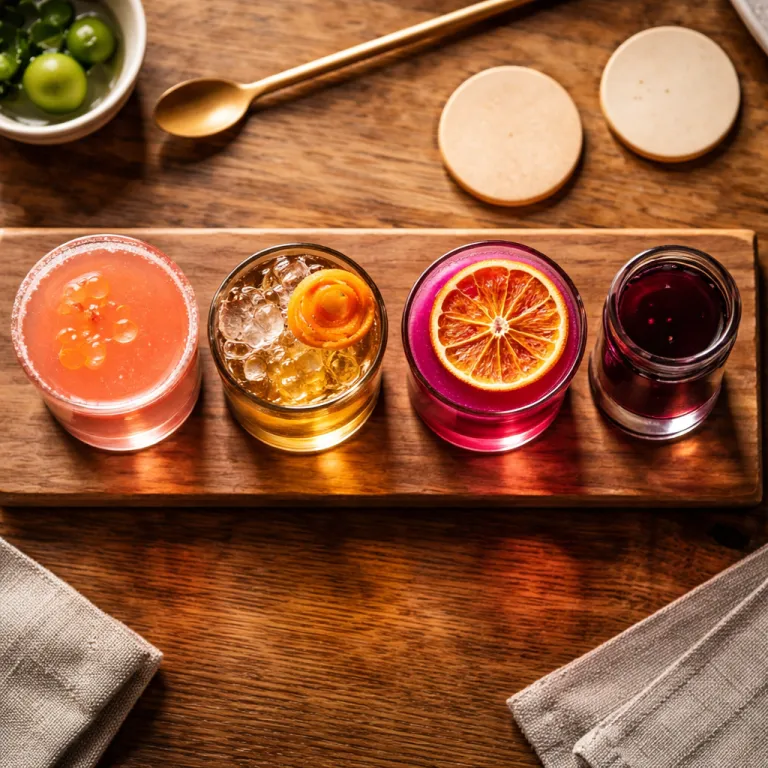
Half-size cocktails as a strategic lever in hotel bar concepts
Half-size cocktails can look like a discount tactic to many revenue leaders. In reality, within modern hotel bar concepts they operate as a precision tool to extend time on property, increase cocktails per cover, and lift guest satisfaction without diluting brand positioning. When hotel bars align half-size formats with a clear bar design narrative, the result is a contemporary bar that feels curated and experiential rather than cheap.
Across hotels that treat the bar as a destination space rather than a lobby afterthought, half-size serves are reframing the guest journey. EHL Hospitality Insights reports that half-size cocktails at roughly half the price are trending, with bars offering cocktail tasting experiences paired with bites as a fine-dining approach to mixology; this aligns perfectly with bars and restaurants that already run chef-driven menus and want a tighter pairing between the restaurant and the bar lounge.1 For a luxury hotel, that tasting logic allows the bar counter to behave like a chef’s table, with the bar area becoming the most profitable square metre of F&B real estate.
Consumer behaviour is moving in the same direction as these hotel bar ideas. Southern Glazer’s Liquid Insights notes that over half of consumers are moderating alcohol intake, so half-size formats align directly with wellness-oriented behaviour without forcing NA substitution; that is exactly where a bar restaurant can win incremental spend from guests who would otherwise stop at one drink.2 When the interior design, lighting, and seating comfort support longer stays, those same guests often add a small plate, a second half-size cocktail, and sometimes a dessert in the lounge or even back in the room.
Modern hotel bar concepts that integrate half-size cocktails work best when design, operations, and merchandising are aligned. The bar setup must support fast production of multiple recipes, with a clear mise en place cabinet system and a compact bar counter that keeps bartenders within a tight working triangle. In that context, the hotel bar becomes a flexible space where guests can move from pre-dinner drinks to post-dessert nightcaps without friction, and where the bar area, restaurant design, and lobby lounge all feel like one coherent interior.
The pour-cost and pricing math behind half-size formats
From a revenue and margin perspective, half-size cocktails in hotel bars are not a charity gesture. The pour-cost on a 90 millilitre serve is rarely a clean 50% of a 180 millilitre standard, because dilution, ice, and garnish costs do not scale linearly. When a hotel bar prices the half-size at roughly 55–65% of the full serve, the gross margin per cent often improves while the guest perceives a fair, even generous, bar setup.
Consider a simplified P&L example for a signature cocktail in a luxury hotel bar. A 180 ml drink might carry a total cost of €4.00 (spirits €2.80, modifiers €0.60, garnish and ice €0.60) and sell at €18.00, yielding a 22.2% pour-cost and €14.00 gross profit. A 90 ml version using 60% of the spirits and modifiers but nearly the same garnish and ice could cost €2.70 (spirits €1.70, modifiers €0.40, garnish and ice €0.60). If the half-size is priced at €11.00 (about 61% of the full price), pour-cost drops to 24.5% but gross profit per drink is €8.30. Three half-size cocktails then generate €24.90 gross profit versus €14.00 on a single full serve, while the guest experiences variety and moderation.
Illustrative pour-cost comparison
| Serve size | Selling price | Total cost | Pour-cost % | Gross profit |
|---|---|---|---|---|
| Full (180 ml) | €18.00 | €4.00 | 22.2% | €14.00 |
| Half (90 ml) | €11.00 | €2.70 | 24.5% | €8.30 |
| Three half-size | €33.00 | €8.10 | 24.5% | €24.90 |
In practice, the most successful hotel bar concepts treat half-size cocktails as a tasting flight architecture, not a discount line. A three-glass progressive flight at the bar counter, each at 60% of the full price, can lift average check by 20–30% when paired with a small savoury bite, as seen in several luxury hotel lounges tracked by Hotel Management.3 When you add the attach rate of bar snacks and the probability that the guest will stay in the bar area for an extra 30 minutes, the revenue per occupied room starts to move in a measurable way.
For revenue directors, the key is to model not only pour-cost but also frequency and attach. A guest who orders one full cocktail and leaves generates a certain contribution margin, while a guest who orders three half-size cocktails, shares a bar restaurant snack, and then takes a final drink to the room generates a very different total. Southern Glazer’s data on moderation supports this; guests want to try more without feeling over-served, which is exactly what half-size formats in a modern bar or bar lounge enable.
Pricing strategy must also consider the no and low alcohol spectrum. A well-structured no and low alcohol bar program that actually makes money, with clear pour-cost and positioning, can sit alongside half-size alcoholic cocktails without cannibalisation, as long as the bar design and menu layout separate them into distinct but complementary ideas. When the interior furniture, bar stools, and lighting hierarchy highlight both categories equally, guests feel they are choosing between two luxury bar experiences rather than a “real” and a “fake” option.
Menu formats: flights, paired bites, and chef-driven bar experiences
Menu engineering is where half-size cocktails either become a signature of hotel bar concepts or fade into a confusing list of SKUs. The most effective hotels build clear structures: progressive flights, regional narratives, or spirit-led journeys that turn the bar counter into a stage. In these formats, the guest experience is anchored in storytelling, not in millilitres.
Progressive flights work particularly well in a luxury hotel that already runs a strong restaurant. A three or four step cocktail flight can mirror the tasting menu in the restaurant design, with each half-size drink paired to a small bite that uses the same hero ingredient, from citrus to mustard relish. When the bar and restaurant teams collaborate on these bar ideas, the bar lounge becomes an extension of the dining room rather than a separate area, and guests move fluidly between spaces.
Paired bites also change the economics of the bar area. A hotel bar that sells a €12 half-size cocktail with a €6 snack can often achieve a higher blended margin than on a single €18 full-size drink, especially when food cost is tightly controlled and the kitchen uses cross-utilised mise en place. Concepts like the strategic use of condiments to elevate hotel menus and guest satisfaction show how small, flavour-dense elements can justify premium pricing in both bars and restaurants. When guests feel that the bar restaurant offers a coherent culinary point of view, they are more willing to order a second or third half-size cocktail.
One anonymised city-centre luxury hotel, for example, introduced a four-course agave flight at the bar counter, each half-size cocktail paired with a one-bite garnish from the tasting menu. Within three months, the hotel reported a 27% increase in cocktails per cover in the bar lounge, a 19% rise in average check, and a measurable uplift in guests moving from the bar area into the main restaurant for dinner, confirming the value of a chef-driven bar experience.
Operational and physical bar implications: design, flow, and systems
Once half-size cocktails become a core part of hotel bar concepts, the physical bar setup and interior design must adapt. Higher drink counts per guest mean more glassware, more garnishes, and more touchpoints at the bar counter, which can strain a traditional linear station. Smart bar design solves this by tightening the working triangle, adding under-counter refrigeration, and using a modular bar cabinet system to keep mise en place within arm’s reach.
Glassware is a critical detail that shapes both perception and operations. Half-size cocktails should not look like “short pours” in full-size glasses; they need dedicated vessels that feel intentional, with stems or bases that match the rest of the bar furniture and restaurant design language. When hotels invest in a coherent glassware family, the visual rhythm across the bar area, lounge, and restaurant space reinforces the idea that these are curated flights, not budget options.
Lighting and acoustics also need attention. Layered lighting over the bar counter, back bar, and seating area allows the team to shift the mood from late afternoon to late night without changing the fundamental comfort of the lounge. A modern bar that uses warm pools of light over bar stools and softer washes over low seating can keep guests in the space longer, which directly supports the economics of multiple half-size cocktails per guest.
On the systems side, POS configuration must handle flights, substitutions, and timed experiences cleanly. Each hotel bar should build specific buttons for flights, with clear pour-cost data and recipe links so that the équipe can track profitability by bar ideas and not just by individual SKUs. For operators, a practical checklist includes: mapping every flight as a single POS item with linked recipes, pre-programming common substitutions, tagging half-size cocktails for reporting, and aligning printer routing so the kitchen sees paired bites instantly. When the POS, the physical bar design, and the staffing model are aligned, hotel bars can run high-volume half-size programs without compromising speed, accuracy, or guest satisfaction.
Staff training, merchandising, and measurable outcomes for hotel bars
Half-size cocktails only deliver their full potential in hotel bar concepts when the équipe knows how to present them. The language at the bar counter and in the lounge must frame flights as an elevated tasting experience, not as a cheaper way to drink. When bartenders and servers talk about “exploring three expressions of agave” rather than “smaller cocktails”, guests lean into the narrative.
Training should focus on three behaviours: offering flights as a way to personalise the guest experience, suggesting a paired bite from the bar restaurant menu, and reading cues about alcohol comfort levels. A guest who hesitates after the first drink is a perfect candidate for a half-size second cocktail, especially in hotels where wellness and moderation are part of the brand story. In that context, the modern bar becomes a partner in the guest’s wellbeing rather than a pushy seller of full-strength drinks.
Measurement is where revenue directors can prove the value of these hotel bar ideas. Track cocktails per cover, average check, time on property, and the share of guests who move from the bar area to the restaurant or back to the room with a final drink. Review data from Condé Nast Traveler and Forbes Travel Guide shows that travellers increasingly mention hotel bars as a reason to choose one hotel over another, and internal review keywords like “tasting flight”, “bar lounge”, and “cocktail experience” often correlate with higher overall guest satisfaction scores.4
Finally, benchmark your bar concepts against other F&B innovations that turn non-traditional spaces into revenue engines, such as campus dining models that treat food as a strategic hospitality asset. When you view the bar as a flexible interior space that can host tastings, small events, and collaborations with local artisans, the furniture, lighting, and seating layout become tools to drive both RevPAR and F&B revenue. Over time, the hotels that treat their hotel bar as a fully fledged concept, not just an amenity, will capture more local traffic, more external covers, and a stronger brand position in their market.
FAQ
What defines a modern hotel bar in terms of concept and design ?
A modern hotel bar is defined as a space blending local culture, innovative design, and unique experiences. In practice, that means integrating local ingredients into cocktails, using interior design and layered lighting to create a distinctive lounge atmosphere, and positioning the bar area as a destination for both hotel guests and locals. When these elements align, the hotel bar becomes a strategic revenue driver rather than a secondary amenity.
How do half-size cocktails affect profitability in hotel bars ?
Half-size cocktails can improve profitability because pour-cost does not scale linearly with volume, while frequency and attach often increase. Guests are more likely to order multiple half-size drinks, add snacks from the bar restaurant menu, and stay longer in the bar lounge, which lifts average check and revenue per seat. The key is to price half-size serves at more than half the full price and to integrate them into structured flights that feel premium.
What operational changes are needed to support cocktail flights in a hotel bar ?
Running cocktail flights requires adjustments in bar setup, glassware, and POS configuration. The bar counter needs efficient station flow, with a well-organised bar cabinet and refrigeration to handle higher drink counts per guest. The POS should include dedicated buttons for flights and recipes so that the équipe can track pour-cost, speed of service, and guest satisfaction accurately.
How can design and lighting improve the guest experience in hotel bars ?
Design and lighting shape how long guests stay and how much they spend in hotel bars. Comfortable seating, coherent furniture, and layered lighting that highlights the bar area, lounge, and restaurant transitions make the space feel intentional and welcoming. When guests feel at ease, they are more likely to order additional half-size cocktails, explore bar ideas like flights, and return on subsequent nights.
Why are hotel bars focusing on local elements and storytelling ?
Hotel bars focus on local elements and storytelling to attract both in-house guests and local residents with authentic experiences. Using regional spirits, collaborating with local artisans, and designing interiors that reference the destination help differentiate hotels in competitive markets. This approach supports higher pricing power, stronger guest satisfaction, and more coverage from industry publications such as Hotel Management, Condé Nast Traveler, and Forbes Travel Guide.
References