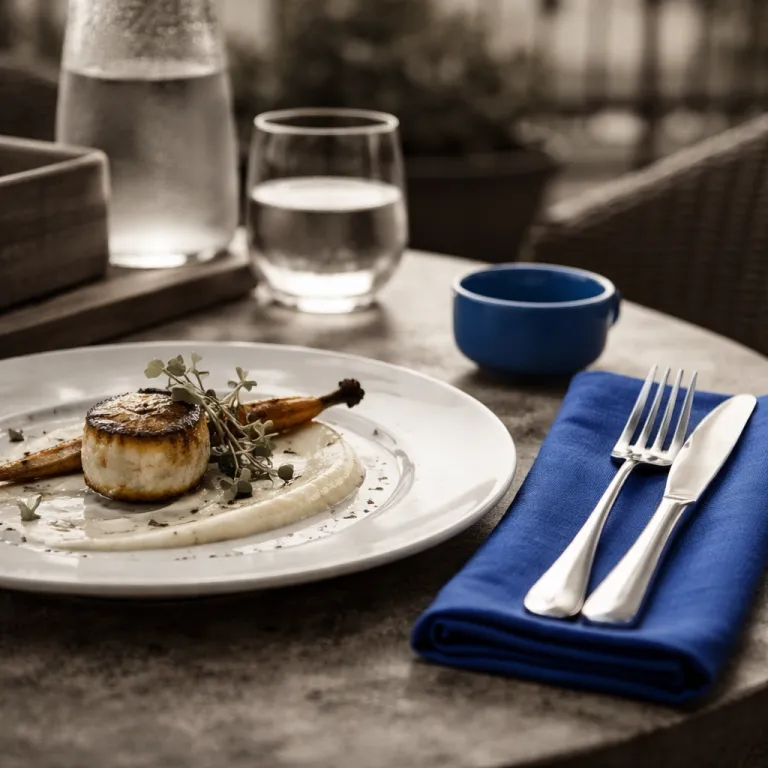
From forgotten amenity to flagship concept
Room service innovation starts with a blunt financial truth for every hotel. The plated in room dinner in a single hotel room often carries a higher gross margin than a comparable cover in the signature restaurant, yet most hotels still treat that room as a logistical nuisance rather than a strategic dining room. When Directeurs F&B and hotel owners reframe room service as a core F&B concept instead of a late night emergency service, the entire hospitality management mindset around staffing, menus and technology shifts.
Across the hospitality industry, the most progressive hotels offer in room dining that feels curated, not improvised. These hotels use room service innovation to position the hotel room as a private chef’s table, with a menu architecture that is deliberately narrower than the restaurant menus but richer in perceived value, and they align management systems so the ordering process, production and delivery run with the same discipline as banqueting. When you design room service as a hero experience rather than a defensive amenity, guest satisfaction, average order value and loyalty programs performance all move in the right direction.
The hospitality landscape is also being reshaped by technology that finally treats the guest experience in hotel rooms as a connected ecosystem. Digital menus, entertainment systems, mobile apps and management systems now talk to each other, which means a guest can move from streaming a series to browsing a chef curated menu and placing an order in real time without calling the front desk. In that context, room service innovation is no longer about adding more food options ; it is about orchestrating systems, apps and people so that every hotel room becomes a profitable, data rich F&B node.
Menu engineering for plated room service that earns the 85 euro cover
Designing a plated room service menu that justifies an 85 euro cover starts with ruthless menu engineering. The menu must privilege food that travels well on a trolley through long hotel corridors, holds temperature for at least fifteen minutes and still lands in the room looking like a restaurant plate rather than banqueting leftovers. That means fewer fragile garnishes, more intelligent saucing, and a clear separation between dishes suited to hotel rooms and those that should stay in the dining room.
Room service innovation in menus also relies on digital menus and tablet merchandising that guide the guest through options with visual storytelling. Hotel Communication Network’s DineIN tablets show how tablet based ordering can lift in room checks when the menu layout highlights plated experiences, wine pairings and dessert add ons, and this mirrors the uplift seen when hotels use half sized cocktails and tasting flights to raise average bar spend without losing guests, as analysed in this piece on raising average bar spend. When the ordering process is handled through mobile apps or in room entertainment systems, you can A/B test menu photos, descriptions and pricing in real time, then push the most profitable combinations to the top of the menus.
For the hospitality professional, the key is to treat each hotel room as a micro restaurant with its own P&L logic. You engineer the room service menu so that a limited number of hero dishes carry the margin, while sides, beverages and desserts are structured as high contribution add ons that the apps and digital menus surface at the right moment in the ordering journey. Done well, this approach turns room service from a cost centre into a controllable profit engine that complements the main restaurant rather than cannibalising it.
Delivery logistics and the service ritual at the door
The most elegant room service innovation fails if the delivery logistics do not match the promise of the plated food. A hotel that wants to charge 85 euros for an in room dinner must invest in plate warming cabinets, insulated trolleys and clear routing systems so that each order moves from pass to hotel room in under twelve minutes, with real time tracking visible to both the kitchen and the front desk. When the service ritual at the door is choreographed as carefully as a restaurant guéridon service, the guest immediately feels the difference between a tray drop and a private dining experience.
Technology is now central to that choreography in modern hospitality. Breeze Technology’s QR code platform shows how digital menus and apps can streamline the ordering process, while Savioke’s Dash robot demonstrates that a robot developed by Savioke to deliver items to hotel rooms can handle certain deliveries without tying up staff on elevators. In parallel, HCN’s DineIN program illustrates how in room tablets can integrate local restaurant partners into the hotel service ecosystem, echoing the way Soho House Tokyo uses membership dining and a tightly curated F&B playbook to extend its brand beyond a single restaurant, as analysed in this article on the Japan F&B playbook.
For Directeurs F&B, the operational question is which deliveries justify human service and which can be delegated to robots or runners. High value plated dinners in suites and premium hotel rooms should always involve a trained server who can stage the table, explain the menu and quietly upsell beverages, while lower value orders such as snacks or forgotten amenities can move through automated systems or Dash style robots. This tiered approach to delivery and service protects labour costs, maintains eco friendly practices by optimising trolley runs, and ensures that the guest experience aligns with the price point of each order.
Booking, merchandising and the role of hotel tech
Room service innovation is increasingly shaped by how the guest books and personalises the in room dining experience. Instead of a static paper menu in the room, leading hotels use mobile apps, voice commands and in room entertainment systems to present time sensitive menus that adapt to occupancy, kitchen capacity and even weather in real time. A guest might see a chef’s tasting menu for two promoted on the television screen at 18:30, then receive a push notification on the app with a limited availability message that nudges them to order before the kitchen closes a time slot.
Behind that seamless guest experience sit tightly integrated management systems. Property management systems, point of sale platforms and kitchen display systems must share données so that the front desk, F&B équipe and even housekeeping know when a room service order is in progress, when the tray is in the corridor and when the hotel room should be cleared, and this is where artificial intelligence can start predicting peak ordering windows and staffing needs. When hotels offer loyalty programs that recognise in room dining behaviour, you can push personalised food options, late night menus or even pre arrival upsells based on previous orders, similar to how a signature dish strategy like the one analysed for pasta pescatore in this article on strategic signature dishes can anchor restaurant identity.
For the hospitality industry’s tech leaders, the priority is to select systems and apps that talk to each other without adding friction for the guest. Voice commands should trigger the same ordering process as a tap on the tablet, and digital menus on the television should mirror the options in the mobile apps so that the guest never wonders which menu is accurate. When artificial intelligence is layered on top of these management systems, it can suggest eco friendly delivery batching, dynamic menu pricing and targeted offers that lift guest satisfaction while protecting food cost and labour.
Kitchen brigade design, measurement and investor level metrics
Turning room service innovation into a durable profit stream requires a brigade structure that treats in room dining as a defined station, not a side task. Many hotels still route room service orders through the main line, which creates friction between the restaurant and the room service équipe every time a large order lands at 20:00, and the result is inconsistent plating and slower delivery for both outlets. A better approach is to assign a dedicated in room dining station with clear prep lists, mise en place and a small team that flexes up or down based on forecasted order volume.
From an investor perspective, the only room service innovation that matters is the one that moves measurable KPIs. You should track per cover spend in hotel rooms versus the restaurant, attach rate for beverages and desserts on room service orders, repeat ordering by the same guest during a stay, and the appearance of room service related keywords in guest reviews on Booking or Google, and these metrics should sit alongside food cost, labour cost and tray retrieval time in your management dashboards. When hotels offer chef curated in room experiences such as picnic style meals on private patios or plated dinners on terraces, the data from digital menus and apps often shows a higher average order value and stronger guest satisfaction scores than traditional restaurant covers.
For hotel owners and investors in restauration, the strategic question is capital allocation. Spending on entertainment systems that integrate ordering, on eco friendly packaging that protects food quality, or on robots like Dash for low value deliveries will only make sense if the uplift in guest experience and revenue per occupied room is clear in the numbers. When you can show that a reengineered room service program lifts RevPAR through higher F&B spend, improves loyalty programs retention and reduces complaints at the front desk, room service innovation stops being a nice to have and becomes a core asset in the hospitality landscape.
FAQ
How can digital menus improve room service performance in a hotel ?
Digital menus allow hotels to update prices, food options and availability in real time without reprinting, which reduces waste and errors. When integrated with apps and entertainment systems, they also enable better merchandising, such as pairing suggestions and limited time offers that lift average order value. For the guest, the ability to browse photos, filter by dietary needs and place an order without calling the front desk improves both convenience and perceived hospitality.
What role does artificial intelligence play in room service innovation ?
Artificial intelligence can analyse historical ordering données to predict peak times, preferred dishes and likely add ons for different guest segments. This allows management systems to schedule staff more efficiently, adjust prep levels and push targeted offers through mobile apps or in room screens. Over time, AI driven recommendations can increase guest satisfaction by making the guest experience feel more personalised without adding manual workload for the équipe.
Are service robots like Dash relevant for all hotels ?
Robots such as Dash are most effective in larger hotels with long corridors, multiple towers or limited elevator capacity, where staff spend significant time simply moving items. In these environments, robots can handle low value deliveries like amenities or simple food orders, freeing human staff for high touch service moments. Smaller independent hotels may find that well trained runners and optimised routing systems deliver better ROI than robotics.
How should F&B directors measure the success of a new room service concept ?
Key metrics include per cover spend in hotel rooms, contribution margin by dish, delivery time from order to door and tray retrieval time. You should also track guest review mentions related to room service, repeat ordering behaviour during a stay and the impact on overall guest satisfaction scores. Comparing these KPIs before and after implementing new menus, apps or logistics systems will show whether the room service innovation is delivering sustainable results.
What are the main operational risks when elevating plated room service ?
The primary risks are overcomplicating the menu, underestimating the labour required for in room service rituals and failing to integrate systems so that orders flow smoothly. If the kitchen brigade is not structured to handle simultaneous restaurant and room service peaks, both experiences will suffer. Clear station design, realistic forecasting and tight coordination between F&B, front desk and housekeeping are essential to avoid these pitfalls.