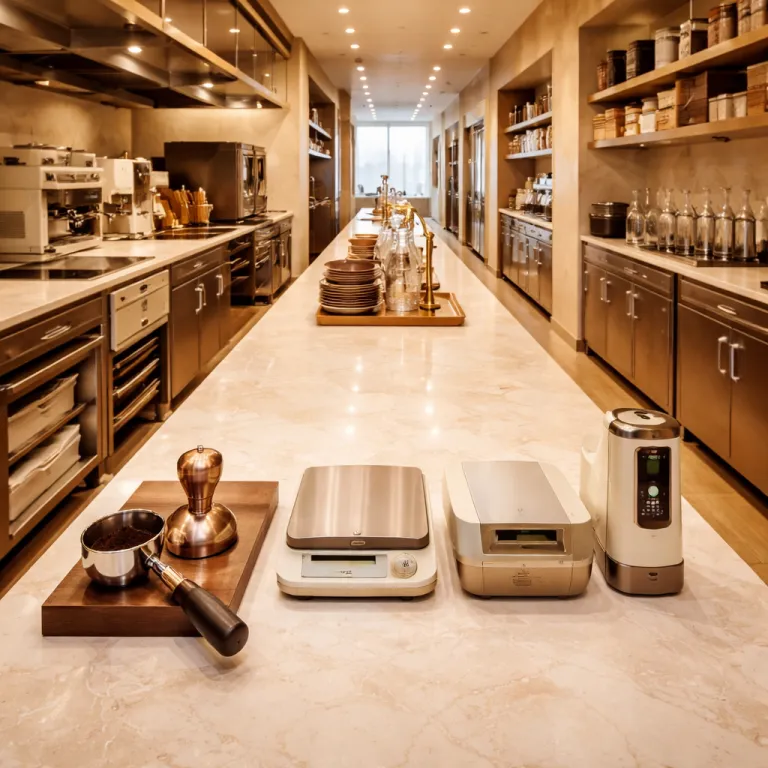
Why hotel FB management is now an investment thesis, not a cost center
Across every hotel segment, hotel FB management has shifted from amenity to underwriting lever. Investors now walk into each hotel property asking whether the food and beverage concept can justify higher average daily rate and support the overall revenue story, because the hospitality industry has seen hotel F&B profit margins narrow while food cost ratios creep into the mid thirties. For a general manager, that means hotel food and beverage services are no longer just about guest satisfaction ; they are about whether the f&b department can carry its cost of capital.
Hotel F&B revenue still averages roughly a quarter of total hotel revenue, yet many hotels treat f&b operations as a fixed operations template instead of a strategic asset. The hotel industry investors meeting around IHIF in Berlin are now writing cheques for chef partnership leases, third party operated restaurants and beverage operations that bring brand equity, because distinctive dining experiences make underwriting easier. JLL has been clear that hotels with strong food beverage concepts can sustain higher room rates, and that reality should reshape every conversation between a beverage manager, a food and beverage manager and ownership about seasonal capex.
Seasonal peaks expose weak management more brutally than any budget review. When summer leisure guests or festive corporate groups flood a hotel, inefficient inventory management, poor beverage services design and uncontrolled food waste can erase a year of careful pricing in a few weeks. That is why the core responsibilities of a hotel F&B manager remain non negotiable ; overseeing staff, managing inventory, ensuring service quality.
For GMs, the seasonal question is simple but unforgiving. Does your current hotel f&b model generate incremental hotel revenue at peak periods, or does it just generate overtime, food waste and guest complaints about slow service. The hospitality leaders who treat seasonal menus, room service redesign and bar programming as part of hotel FB management strategy will be the ones who leave Berlin with term sheets instead of just business cards.
Seasonal menu engineering that protects margins and guest experience
Seasonal demand spikes are where hotel FB management either protects margin or bleeds it. A well engineered seasonal menu lets the f&b hotel team concentrate purchasing, reduce food waste and simplify operations, while still elevating the guest experience with local food stories and precise beverage pairings. Poorly planned seasonal food beverage offerings, by contrast, create inventory chaos, inconsistent customer service and a fragile P&L.
Start with food cost discipline that respects both the customer and the investor. In many hotels, seasonal menus drift into low margin comfort food that overloads kitchen operations and hides weak inventory management behind volume, when the better strategy is a tight core of high contribution dishes supported by a few rotating specials. Case studies on condiment led differentiation, such as the analysis of how mustard relish can elevate hotel menus and guest satisfaction in this hotel menu optimisation piece, show how small, high impact tweaks can transform perceived value without inflating food cost.
For the hospitality industry, the seasonal breakfast buffet remains the quiet margin engine. A property that tightens its breakfast food beverage mix, rationalises SKUs and trains the f&b department to monitor waste in real time can move guest review scores and protect profitability simultaneously. One European city hotel cut breakfast food waste by 18 % over a summer by linking POS data, inventory software and live production sheets, while maintaining guest satisfaction scores above 4.6 for dining experiences.
Room service is the other seasonal pressure point in hotel FB management. Late night orders from leisure guests and families can destroy beverage operations efficiency if the menu is too broad and the service model too labour heavy, so many hotels are shifting to curated, packaging friendly hotel food offers that travel well and support beverage services upsell. For a GM, the test is whether your seasonal room service menu improves guest experience metrics while holding food cost and labour within target, or whether it simply adds complexity to already stretched operations.
Structuring F&B deals at IHIF season: what investors really want to see
As IHIF season approaches, hotel FB management becomes a negotiation topic as much as an operations discipline. On the sidelines in Berlin, investors will ask whether your hotel f&b concept can stand alone as a destination restaurant, whether beverage operations can support a serious bar programme and whether the overall hospitality positioning justifies the capex. The operators who arrive with a clear F&B thesis will find that food and beverage deals often move faster than room focused conversations.
Three deal types dominate the current hotel industry conversation. First, chef partnership leases where a recognised culinary name runs the dining room, pays base rent plus percentage of revenue and anchors the property as a local dining destination, which can lift both hotel revenue and asset valuation. Second, third party operated restaurants and bars that take over f&b operations risk in exchange for control of concept and beverage services, often improving guest experience scores while stabilising management focus on rooms.
The third category is brand aligned ready to drink and spirits collaborations, where beverage managers integrate RTD cocktails or signature pours that bring marketing support and incremental revenue without heavy capex. To walk into Berlin prepared, a GM should carry a concise F&B deck that details food cost history, f&b department labour ratios, inventory management systems and customer service scores across all services. This is where the detailed IHIF Berlin preview on what F&B deals investors are actually writing cheques for, available in this investor focused analysis, becomes essential reading for any serious hotel FB management team.
Investors on the IHIF floor will ask hard questions about waste, staffing and resilience. They will want to know how your hotel food beverage concept performs in shoulder seasons, how quickly you can flex menus to protect margin and how social media sentiment around dining experiences correlates with RevPAR. The properties that can show disciplined management of food waste, strong beverage operations controls and consistent guest experience scores across both hotel and external guests will be the ones that convert hallway conversations into letters of intent.
From seasonal spike to year round system: operational playbook for GMs
Turning seasonal wins into permanent gains is the real test of hotel FB management. A summer of strong food and beverage performance means little if the systems behind it are not codified into daily operations, from prep lists to inventory management rules and guest feedback loops. For a general manager, the priority is to translate seasonal playbooks into standard operating procedures that survive staff turnover and budget cycles.
Start with data that connects operations to guest experience and revenue. Use POS systems and inventory software to track food cost by daypart, link beverage services sales to specific promotions and monitor food waste by station, then sit down with your food and beverage manager weekly to review variances. The official guidance that efficient operations lead to cost savings and increased revenue is not theory ; it is a practical reminder that every percentage point of waste reduction in a 300 room property can fund the next concept refresh.
Customer service training must follow the same seasonal to systemic path. During peak periods, many hotels bring in temporary staff who can damage guest experience if they are not integrated into the f&b department culture, so invest in short, scenario based training that focuses on service recovery, menu knowledge and upsell of beverage operations. Over time, this builds a hospitality industry reputation where both hotel guests and local customers trust your dining experiences, which in turn strengthens social media advocacy and repeat business.
Finally, treat concept evolution as a portfolio exercise, not a series of isolated restaurant openings. Benchmarks on multi concept restaurant portfolios, such as those analysed in this piece on menu strategies for elevating multi concept portfolios, show how disciplined menu architecture can protect margin while keeping the offer fresh. For any property, the goal is a coherent hotel FB management framework where each outlet, from lobby bar to room service, contributes to hotel revenue, brand equity and a guest experience that investors can underwrite with confidence.
FAQ
What are the key responsibilities of a hotel F&B manager during peak season ?
During peak season, a hotel F&B manager must stabilise operations while protecting margin and guest experience. That means aligning staff schedules with forecasted demand, tightening inventory management to reduce food waste and ensuring beverage services can handle volume without compromising service standards. The formal definition still applies in high season ; overseeing staff, managing inventory, ensuring service quality.
How does hotel FB management impact overall hotel profitability ?
Hotel FB management directly affects hotel revenue through restaurant, bar, banquet and room service sales, but its impact on profitability is driven by cost control and concept strength. Efficient f&b operations reduce food cost, labour overruns and waste, while strong dining experiences support higher room rates and longer stays. When investors underwrite a hotel, they increasingly view food and beverage performance as a core driver of asset value, not just an ancillary service.
Which tools are essential for modern f&b operations in hotels ?
Modern hotel FB management relies on integrated POS systems, robust inventory software and structured customer feedback tools. These systems allow a beverage manager and food and beverage manager to track food cost in real time, monitor beverage operations performance and link guest experience scores to specific services or outlets. Without this data, it is almost impossible for a property to manage seasonal spikes, control food waste and present credible numbers to investors.
How can hotels reduce food waste without damaging guest experience ?
Hotels can reduce food waste by engineering tighter menus, using smaller batch cooking for buffets and training the f&b department to adjust production based on live demand signals. Linking inventory management to POS data helps identify low moving items, while guest feedback highlights where portion sizes can be adjusted without hurting perceived value. When executed well, these changes improve both sustainability credentials and profitability, while maintaining or even enhancing guest satisfaction.
What should a GM prepare before pitching an F&B concept to investors at IHIF ?
A GM should prepare a concise deck that outlines the hotel food beverage concept, historical revenue and profit performance, food cost and labour ratios, and clear evidence of strong guest experience scores. Investors will expect to see credible management systems for inventory, waste and customer service, along with a realistic capex plan and return profile. Bringing this level of detail signals that hotel FB management is being treated as a serious investment thesis, not just a hospitality amenity.