From themed décor to liquid identity in hotel bar concepts
Hotel bar concepts used to start with a theme and stop at décor. A modern bar that now competes for local spend treats the bar lounge as a profit center, not a decorative lounge area, and builds every decision around check average, dwell time and repeat visits. When hotel owners and asset managers see that bars generate around 20 % of total hotel revenue, the conversation about bar design, bar interior and beverage strategy becomes as serious as room inventory.
Across the global hotel market, operators report a 15 % rise in hotel bar patronage since the early 2020s. That growth did not come from more bar stools or a shinier wooden bar counter ; it came from sharper concepts, better restaurant design alignment and menus that speak to locals as much as in house guests. The most resilient hotel bar concepts now treat the hotel restaurant, the bar restaurant and even the coffee counter in the hotel lobby as one integrated revenue ecosystem.
Real differentiation starts where the lobby ends. A boutique hotel that positions its luxury bar as a neighborhood cocktail lounge, with a distinct restaurant interior and a clearly defined bar counter experience, will pull in local patrons who never see the rooms. Those same guests will share photos of the bar design, the lighting and the seating area, turning the hotel lobby and bar lounge into free marketing assets that compound over time.
Japanese ingredients as the new language of the modern bar
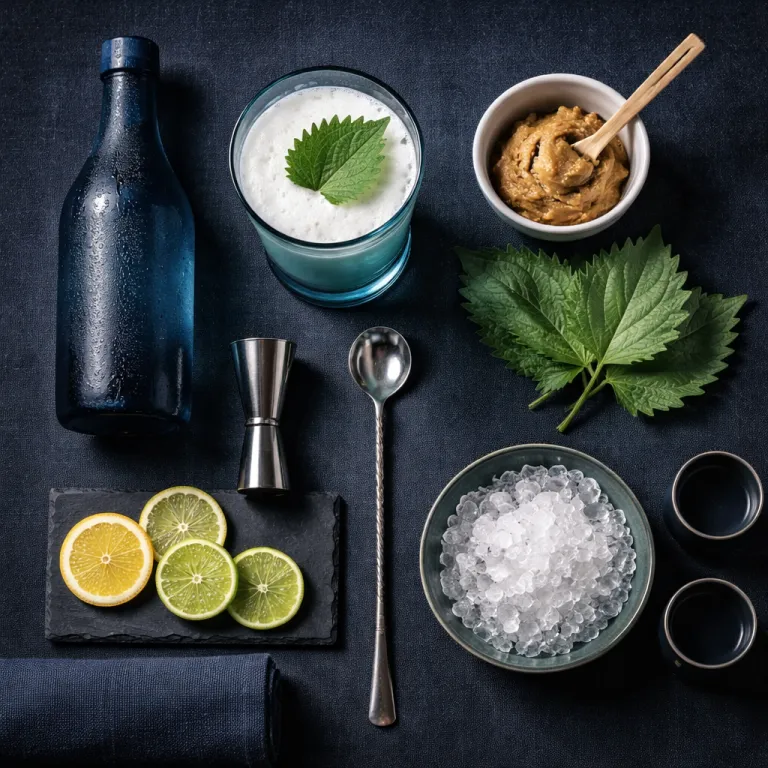
Japanese vodka, shochu, sake, shiso, sesame and miso are expected to add umami and complexity to cocktail programs in 2026, giving bartenders a vocabulary for differentiation (EHL Hospitality Insights). When a hotel bar treats these products as everyday tools rather than seasonal novelties, they become the backbone of a modern bar identity that guests remember and pay a premium for. In luxury hotel environments, these ingredients help bridge the gap between a refined restaurant interior and a bar interior that must feel both cozy and commercially sharp.
Each ingredient brings a distinct operational lever. Shochu offers a lower alcohol base that lets the bar restaurant extend dwell time without spiking intoxication, while sake gives the boutique hotel bar a versatile tool for low ABV pairings with izakaya style bar food at the hotel restaurant. Shiso, sesame and miso add aromatic depth and texture, allowing bartenders to reduce sugar and juice costs while still delivering a luxury bar mouthfeel that justifies higher prices at the bar counter and the surrounding tables.
For F&B directors, the question is not whether to use these ingredients, but where they sit in the overall hotel bar concepts portfolio. A hotel with multiple outlets might anchor one bar lounge in Japanese forward cocktails, while another modern bar in the lobby focuses on coffee by day and lighter shochu spritzes by night. The key is to align interior design, bar stools, seating layouts and lighting with the flavor story, so that every area from reception desk to lounge bar feels like part of a coherent bar design narrative.
Pour cost, sourcing and the hard numbers behind Japanese led bar ideas
Once the creative excitement fades, Japanese ingredients live or die on pour cost. Import logistics, minimum order quantities and shelf life can erode the margin of even the most elegant hotel bar concepts if the bar counter team and the revenue director are not aligned. The operators who win treat shochu, sake and Japanese vodka like any other core spirit, negotiating with suppliers, tracking data and tying every new cocktail to a clear gross profit target.
Shelf stable products such as miso, sesame oil and certain shiso based syrups give the bar restaurant a buffer against waste, especially when integrated into both the bar and hotel restaurant mise en place. Fresh shiso and delicate sake styles demand tighter forecasting, but they also create opportunities for limited time menus that drive urgency and fill bar stools on shoulder nights. Linking these ingredients to kitchen prep, and even to kitchen IoT and predictive prep systems that cut waste by 20 to 35 %, can turn a boutique hotel bar into a benchmark for sustainable bar interior operations.
Sourcing strategy should mirror the design strategy. A luxury hotel that invests heavily in restaurant design, wooden bar finishes and bespoke bar stools cannot afford to run out of its signature shiso highball on a Saturday night. At the same time, a smaller hotel with a single bar lounge and compact seating area might focus on two or three high margin Japanese cocktails that rotate seasonally, keeping inventory lean while still giving the modern bar team a distinctive story to tell at the counter.
Menu architecture, training and guest facing storytelling in the hotel lobby bar
Japanese inflected cocktails work best when they are structured, not scattered. The most effective hotel bar concepts use a clear menu architecture that balances a few bold signature drinks with subtle integrations across classics, low ABV options and even coffee based serves in the lobby lounge. That structure lets bartenders guide guests from safe choices at the bar counter to more adventurous options, increasing both average check and guest recall.
Training is where many hotel bar and restaurant teams fall short. Bartenders need more than recipes ; they need tasting notes, cultural context and a shared vocabulary that makes shochu, sake and miso feel approachable to guests who may never have visited Japan. When the équipe at the reception desk, the hotel lobby bar and the hotel restaurant all understand the same story, they can cross sell naturally, moving guests from a pre dinner drink at the bar lounge to a full pairing menu in the main restaurant interior.
Visuals reinforce the narrative. High quality photos of the modern bar, the bar design details, the seating area and the cocktails themselves should appear across digital channels and in room collateral, always aligned with the actual interior design and lighting. A boutique hotel that shows a cozy wooden bar with intimate tables and then delivers a bright, echoing bar interior will lose trust fast, while a luxury hotel that matches imagery, service and product will see both bar stools and restaurant tables filled by external guests.
Cultural credit, local partnerships and the next wave of hotel bar interiors
There is a fine line between using Japanese ingredients intelligently and sliding into appropriation. Hotel bar concepts that succeed over the long term give cultural credit, work with Japanese producers or trained consultants, and avoid turning shiso and miso into caricatures. That respect should be as visible in the bar interior and restaurant design as in the menu copy, from the choice of wooden bar finishes to the restraint in decorative clichés.
Local partnerships can anchor this respect in practice. Collaborations with Japanese diaspora chefs, local craft breweries experimenting with rice based beers, or cultural institutions hosting tastings in the bar lounge help the hotel bar become a genuine community node rather than a themed set. When local patrons feel that the boutique hotel bar and the larger hotel restaurant are adding to the city’s cultural life, they return more often, filling seating areas and bar stools on nights when transient hotel demand is soft.
Strategically, the next wave of hotel bar interiors will be less about spectacle and more about coherence. A modern bar that integrates Japanese ingredients into a broader narrative of sustainability, waste reduction and thoughtful design will outperform a louder, less focused luxury bar over time. For revenue and commercial directors, the task is to align bar ideas, interior design, staffing, training and pricing so that every square meter from lobby to bar restaurant delivers both cultural relevance and measurable profit.
FAQ
What are the most effective hotel bar themes for attracting locals ?
Speakeasy inspired spaces, rooftop lounges and locally anchored bar design concepts consistently draw non resident guests. When these themes are combined with a coherent restaurant interior and a clear bar lounge identity, they help the hotel compete directly with independent cocktail bars. The key is to ensure that the bar interior, lighting, music and seating layouts all support the same story.
How can a hotel bar integrate Japanese ingredients without confusing guests ?
The most successful hotel bar concepts start with a small set of signature cocktails that clearly explain shochu, sake or shiso in plain language. Staff at the bar counter and reception desk are trained to offer simple comparisons to familiar spirits and flavors, guiding guests gently toward these options. Over time, the bar restaurant can extend Japanese elements into classics and low ABV serves, always keeping the menu structure intuitive.
Why are hotel bars investing in sustainable practices and waste reduction ?
Guests increasingly expect visible sustainability efforts, and bar operations generate significant glass, citrus and packaging waste. By aligning bar design, wooden bar construction, ingredient sourcing and prep systems with eco friendly goals, hotels can cut costs while meeting these expectations. This approach also strengthens the positioning of the boutique hotel or luxury hotel as a responsible local actor.
How do hotel bars compete with independent cocktail bars in the same neighborhood ?
Hotel bars that win against independents treat their bar lounge and restaurant design as standalone destinations, not just extensions of the lobby. They invest in distinctive bar ideas, strong bar interior acoustics, sharp lighting and a product mix that includes credible Japanese influenced cocktails alongside classics. Consistent service, fair pricing and targeted local marketing then convert nearby residents into regulars.
What role does interior design play in the profitability of a hotel bar ?
Interior design directly affects dwell time, check average and table turn in both the hotel restaurant and the bar restaurant. Well planned seating areas, comfortable bar stools, efficient circulation around the bar counter and thoughtful lighting all contribute to higher spending and smoother operations. A cohesive design that links the hotel lobby, bar lounge and restaurant interior also strengthens brand identity and guest recall.