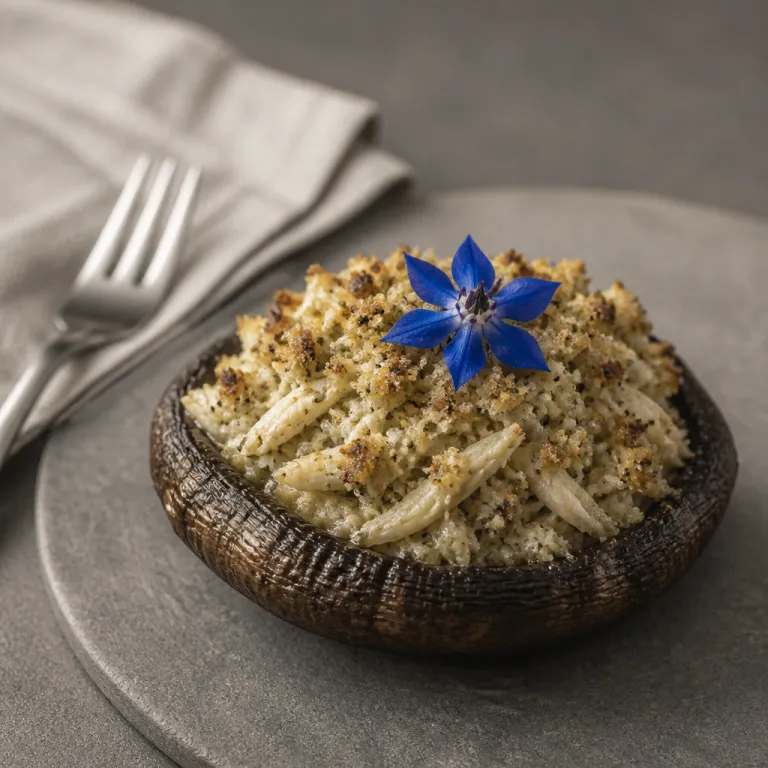
Why crab stuffed portobello mushrooms belong on a modern hotel menu
Crab stuffed portobello mushrooms sit at the crossroads of comfort food and premium dining. For Directeurs F&B and chefs exécutifs, this single recipe can operate as a versatile main course, a refined appetizer, or a shareable bar bite that lifts average check value. When engineered correctly, these stuffed caps also become a textbook case of how to turn relatively simple mushrooms and crab into a contribution margin powerhouse.
Portobello mushrooms offer generous mushroom caps that behave almost like miniature casseroles, holding a rich crab mixture without collapsing during cooking. The visual impact of a large roasted portobello mushroom, crowned with golden cheese and flecks of roasted red pepper, travels well on social media and room service trolleys alike. Guests read crab stuffed on a menu and immediately associate it with indulgence, while your équipe can still control portion size, minutes in the oven, and labor cost with precision.
From a positioning standpoint, crab and mushroom dishes answer several current guest expectations at once. They showcase vegetables and seafood together, aligning with lighter eating trends while still delivering the satisfaction of crab meat and melted cheese. They also give hotel groups and exploitants indépendants a flexible platform for seasonal twists with fresh herbs, lemon wedges, or a touch of bay seasoning without rewriting the core recipes or retraining the brigade. As one executive chef summarized during a menu review, “It eats like a crab entrée, but plates like a modern vegetable-forward dish,” which is exactly where many hotel concepts want to be.
Engineering the plate: from crab mixture to contribution margin
Menu engineering around crab stuffed portobello mushrooms starts with a clear plate architecture. You are essentially selling three value drivers on one dish: premium crab meat, generous portobello mushrooms, and aromatic filling built from garlic, herbs, and cheese. Each component must be costed, standardized, and locked into a recipe that your équipe can execute in consistent minutes during peak service.
Begin with the crab mixture, deciding where you sit on the spectrum between lump crab and more economical blends. Using 60 to 70% lump crabmeat for texture, then extending with finely chopped bell pepper, roasted red pepper, and mushroom stems, lets you protect margin while keeping the perception of abundant meat. Binding the filling with cream cheese and a controlled quantity of grated cheese stabilizes the stuffed portobello structure, shortens cooking time, and reduces waste from caps splitting or leaking juices.
For room service and banqueting, this dish becomes even more powerful when aligned with a lean card strategy. When you cut the number of hot items but keep a hero main course such as crab stuffed portobello mushrooms, you simplify mise en place, reduce shrink on fresh mushrooms and crab, and accelerate ticket times. This is exactly the type of thinking behind room service menu optimization and cutting the card in half to double the margin, where a few well engineered stuffed mushrooms or a single signature portobello mushroom preparation can outperform a long list of unfocused crab cakes and seafood plates.
Standardizing preparation: workflow, timing, and labor control
Operational success with crab stuffed portobello mushrooms depends on a disciplined prep workflow. The methods promoted by Chicken of the Sea and the Mushroom Council are aligned with what high volume hotel kitchens already do efficiently: remove mushroom stems, chop them finely, mix crab with cream cheese and herbs, then stuff the mushroom caps and bake until tender. This linear process can be batched in off peak hours, then finished à la minute in 12 to 18 minutes during service.1,2
Start by calibrating mushroom size, because irregular portobello mushrooms will destroy both cooking time and plating consistency. Specify a diameter range with your fournisseur, then train the équipe to trim and weigh mushroom caps so that each stuffed portobello portion carries the same quantity of crab meat and filling. Once the caps are brushed with oil, seasoned with salt and pepper, and par baked for a few minutes, they become a stable base that can be chilled, filled with the crab mixture, and held safely before final cooking.
On the cold side, your team mixes lump crab, chopped mushroom stems, bell pepper, roasted red pepper, garlic, herbs, bay seasoning, and cheese into a cohesive filling. To keep execution practical and consistent:
- Portion the crab mixture with a scoop so every cap receives the same weight of meat and cheese.
- Arrange filled mushrooms on standardized trays labeled by time and station.
- Use a single oven temperature and a narrow time window for all formats.
When orders fire, the tray of stuffed mushrooms moves directly into a hot oven, and you can promise a clear time window such as 15 minutes from order to pass, which is realistic for both à la carte and room service operations. In practice, this makes the dish feel like a simple stuffed mushrooms recipe for the brigade, even though the guest experiences it as a premium portobello crab entrée.
Flavor architecture: balancing crab, mushrooms, and aromatics for scale
For menu engineering, flavor is not only about taste; it is about repeatability and guest memory. Crab stuffed portobello mushrooms must deliver a recognizable profile every time, whether served in a five star urban property or a resort operated by an independent exploitant. That means defining a precise balance between the sweetness of crab meat, the umami of roasted mushrooms, and the brightness of lemon and herbs.
In practice, this starts with the base seasoning of the crab mixture. A measured quantity of bay seasoning, freshly ground black pepper, minced garlic, and a touch of red pepper or finely diced bell pepper creates depth without overwhelming the delicate meat. Lemon juice folded into the filling, then lemon wedges served on the side, allow guests to adjust acidity at the table, which is particularly appreciated when the dish is positioned as a main course rather than a small appetizer.
Cheese selection also plays a strategic role in both flavor and margin. A blend of cream cheese for structure and a sharper grated cheese for aroma gives the stuffed mushrooms a luxurious mouthfeel while keeping dairy cost under control. When the mushroom caps emerge roasted and bubbling, with golden cheese and visible pieces of lump crab and roasted red pepper on top, the visual promise matches the menu description, which is critical for online reviews and repeat business across hotel groups.
Positioning, pricing, and contribution margin of a signature crab dish
Once the operational base is stable, the next step is to position crab stuffed portobello mushrooms correctly on the menu. For many hotels, this dish works best as a flexible item that can appear in several formats: a single stuffed portobello mushroom as a starter, two caps as a main course, or a tray of mini stuffed mushrooms for banqueting. Each format uses the same core recipes and prep, which simplifies forecasting and purchasing for mushrooms and crab.
Pricing should be built on contribution margin rather than food cost percentage alone. A crab stuffed main course that uses premium lump crabmeat and large portobello mushrooms will naturally show a higher cost, but it can still be one of the most profitable plates on the card if the absolute euro margin per portion is strong. This is the logic behind the idea that contribution margin is the only menu metric that matters, where a high value crab and mushroom dish can subsidize lower margin items such as simple salads or sides.
Menu language and visual cues then support the price point. Describing roasted portobello mushrooms filled with a warm crab mixture, fresh herbs, garlic, and cheese, finished with lemon wedges and a hint of roasted red pepper, creates a premium perception that justifies a higher check. When guests compare this to more familiar crab cakes, they often perceive the stuffed portobello option as more generous and more original, which increases both order frequency and overall satisfaction scores for the restaurant.
Adapting the crab stuffed portobello blueprint across concepts and dayparts
One of the strongest arguments for adopting crab stuffed portobello mushrooms is their adaptability across hotel concepts. The same core mushroom caps and crab mixture can be dressed differently for a lobby bar, a brasserie, a fine dining outlet, or a banqueting operation. This multiplies revenue opportunities from a single SKU set while keeping training and mise en place under control for your équipe.
At lunch, a single portobello mushroom stuffed with crab meat and topped with lightly melted cheese can be paired with a small salad for a lighter main course. In the evening, two larger stuffed mushrooms with richer filling, extra roasted red pepper, and a side of seasonal vegetables can command a higher price point. For banquets, mini portobello mushrooms or even button mushroom caps filled with the same crab mixture become elegant canapés that echo the signature dish from the main restaurant.
Suppliers and investisseurs restauration also benefit from this modularity. Standard contracts for fresh mushrooms, frozen or chilled lump crab, and dairy can be negotiated at scale across hotel groups when the same recipes appear in multiple properties. As the Mushroom Council notes in its guidance, “Portobello mushrooms filled with crab mixture, baked until tender” answer both operational and guest satisfaction goals, and this simple idea can be leveraged into a family of high margin, high impact dishes built around crab, mushrooms, and carefully engineered fillings.2
Key figures and operational benchmarks for crab stuffed portobello programs
- Standard preparation time for a batch of crab stuffed portobello mushrooms is around 45 minutes for four servings, based on data from Chicken of the Sea, which fits comfortably into off peak prep windows.1
- Typical baking time for stuffed mushrooms at 200 °C is 12 to 18 minutes, which aligns with average ticket times for casual upscale hotel restaurants and room service operations.1,2
- Using pre trimmed portobello mushrooms with a consistent diameter can reduce trimming waste on mushroom caps by 10 to 15%, improving overall ingredient yield and margin, according to internal supplier studies shared with hotel groups. These figures are indicative benchmarks and should be validated against your own purchasing data.
- Switching from 100% lump crabmeat to a 70% lump crab and 30% flake blend in the crab mixture can lower plate cost by up to 20%, while maintaining perceived quality when supported by strong seasoning and cheese, as reported in manufacturer cost comparison sheets. Treat these percentages as illustrative until confirmed with your specific suppliers.
- Positioning crab stuffed portobello mushrooms as a premium main course rather than an appetizer typically allows a 25 to 40% higher selling price, which significantly boosts contribution margin per cover in menu engineering simulations.
For example, a two cap main course might carry a food cost of €6.00 per portion (crab €3.40, mushrooms €1.10, dairy and aromatics €1.50) and sell at €21.00, generating a contribution margin of €15.00. Even if the food cost percentage appears high on paper, the absolute euro margin compares favorably with lower priced starters, which is why this format often becomes a financial anchor on the card.
FAQ about crab stuffed portobello mushrooms in hotel operations
How do you make crab stuffed portobello mushrooms at scale in a hotel kitchen ?
For high volume operations, remove and chop the mushroom stems, mix crab meat with cream cheese, herbs, garlic, bay seasoning, and red pepper, then stuff the mushroom caps and bake until tender and golden. Par baking the portobello mushrooms first, then chilling and filling them with the crab mixture, allows you to finish portions in 12 to 18 minutes during service. This approach keeps labor predictable and ensures consistent texture for both the mushroom and the crab filling.
What ingredients are essential for a profitable crab stuffed portobello recipe ?
The core ingredients are portobello mushrooms, crab meat or lump crabmeat, cream cheese or another soft cheese, breadcrumbs, garlic, herbs, and spices such as bay seasoning and black pepper. Many chefs add lemon juice, roasted red pepper, or diced bell pepper to brighten the flavor and visually highlight the crab mixture on top of the mushroom caps. Each of these elements should be costed precisely so that the final stuffed mushrooms deliver both strong flavor and a healthy contribution margin.
How long should you bake crab stuffed portobello mushrooms for optimal texture ?
Most hotel kitchens bake crab stuffed portobello mushrooms at around 200 °C for 12 to 18 minutes, depending on the size of the mushroom caps and the thickness of the filling. The goal is to have the portobello mushroom tender but still holding its shape, while the cheese on top is melted and lightly browned. Overbaking dries out the crab meat, so it is important to test several minute settings and standardize the one that gives a moist interior and roasted exterior.
Can crab stuffed portobello mushrooms replace crab cakes on a hotel menu ?
They can complement or partially replace crab cakes, often with better storytelling and perceived value. A well presented stuffed portobello main course showcases whole mushrooms, visible crab meat, and fresh aromatics such as lemon wedges and herbs, which many guests find more interesting than traditional crab cakes. From a menu engineering perspective, both dishes use similar ingredients, but the stuffed mushrooms may offer more flexibility in portioning and plating across different outlets.
Are crab stuffed portobello mushrooms suitable for banquets and room service ?
Yes, this format is particularly well suited to banquets and room service because the components can be prepared in advance and finished quickly. For banquets, smaller mushroom caps or mini stuffed mushrooms allow precise portion control and easy service, while for room service a single large portobello mushroom with generous crab filling travels well under cloche. Standardized recipes and clear holding guidelines ensure that quality remains consistent across large volumes and varied service conditions.
1 Preparation and baking benchmarks adapted from Chicken of the Sea foodservice crab applications and training materials, used here as indicative examples rather than audited performance guarantees. 2 Methodology and timing ranges informed by Mushroom Council foodservice guidance on stuffed portobello mushrooms, interpreted for hotel operations and intended as practical reference points.