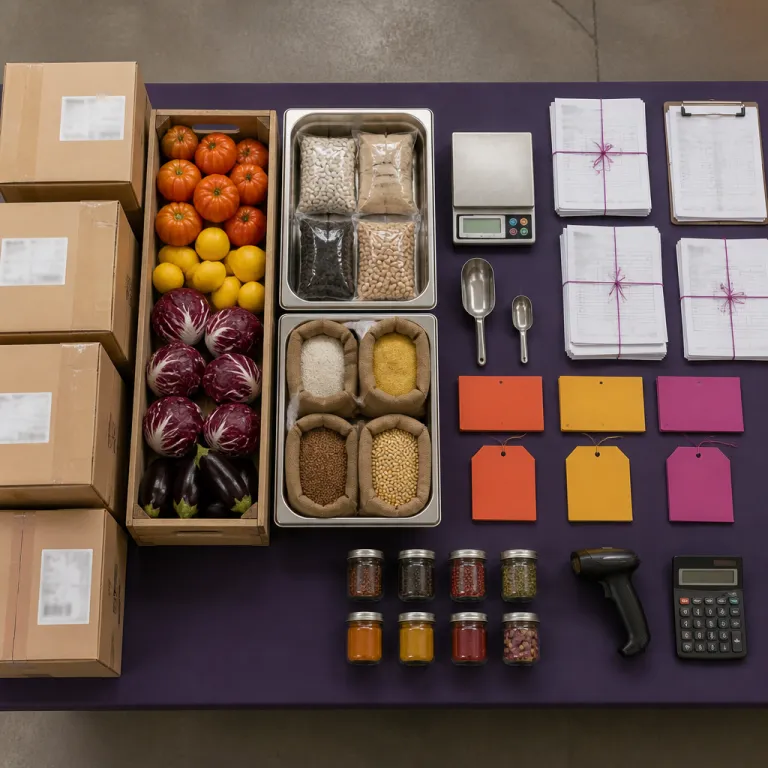
The new FB cost control hotel reality under tariff pressure
US tariffs sitting at multidecade highs have turned every hotel kitchen into a live case study in cost control. For any FB cost control hotel strategy, the old playbook of quietly absorbing each new cost and hoping to protect food and beverage margins is now a direct threat to profitability. When 76 % of operators say rising ingredient costs impact profit, the gap between hotels that actively control food and beverage costs and those that simply track them is widening every quarter (National Restaurant Association, “Restaurant Business Conditions Survey,” 2023).
Tariffs hit the actual cost of imported food items first, but the shock quickly spreads across the entire F&B department through higher cost of goods sold, tighter cash flow and more volatile cost percentage on every menu. Hotel procurement managers now see cost increases not only in premium protein and beverage categories, but also in basic kitchen staples that underpin breakfast, banqueting and minibar service, which means food and beverage cost decisions can no longer be delegated to monthly variance reports. Trade policy has effectively become a line item in your food cost, beverage cost and labor cost models, and ignoring that reality leaves restaurant and bar revenue exposed just when investors expect resilient margins.
Global logistics data shows supply chain disruption rates around 25 %, which means that even when the price looks stable on paper, the risk of stockouts, emergency purchases and waste in the kitchen is structurally higher (DHL, “Global Connectedness Report 2023,” logistics disruption indicators). For F&B directors, this turns cost control from a back office accounting exercise into a daily operational discipline that links inventory, menu engineering, staff deployment and guest service standards. The hotel F&B leaders who win will be those who treat tariffs, cost of sales and cost of goods sold as variables they can actively manage through procurement strategy, not as external shocks they simply endure.
Tariffs raise costs of imported goods, impacting budgets. How do tariffs affect hotel procurement? What strategies can hotels use to mitigate tariff impacts? Why is procurement strategy crucial in the current market?
In this environment, every restaurant and bar concept inside a hotel must be rethought through the lens of cost, control and revenue resilience rather than only design and storytelling. A breakfast buffet that once relied on imported charcuterie and cheeses now needs a local first approach to food items, or the food costs and cost percentage will quietly erode the entire day’s profitability. When the beverage program leans heavily on imported spirits and wines, the beverage cost becomes a second tariff exposure, and only disciplined cost control, supplier diversification and precise selling price strategy can protect both guest perception and gross margin.
Hotel procurement managers, suppliers and tariff regulators have become unexpected co authors of the food and beverage cost narrative, because their decisions shape the real cost of goods and the volatility of F&B costs. Procurement teams that still negotiate only on unit price miss the deeper opportunity to control food and beverage cost drivers such as lead time, minimum order quantities and quality consistency, all of which affect waste and labor in the kitchen. The hotels that treat procurement as a strategic function, with data analytics, supplier management systems and AI driven tools, are already seeing better food cost outcomes than competitors who still rely on manual spreadsheets and legacy contracts.
From unit price to portfolio strategy in FB cost control hotel programs
Most hotel groups still run their FB cost control hotel programs as if the only lever that matters is the negotiated price per kilogram or per bottle. That mindset ignores how tariffs, disruption risk and supplier health now shape the total actual cost of food and beverage items across the full life cycle, from purchase order to plate and glass. When average tariff increases of around 15 % hit key categories, the gap between nominal price and real cost of sales becomes too large to ignore (World Trade Organization, “World Tariff Profiles 2023,” hospitality related categories).
Strategic procurement for food and beverage categories starts by mapping which menu items and restaurant concepts are structurally exposed to tariffs and which can pivot to local or regional sourcing without damaging guest value perception. A rooftop bar that depends on imported spirits will feel beverage cost pressure very differently from an all day dining outlet that can shift to regional grains, pulses and seasonal produce, so the FB cost control hotel strategy must segment outlets by risk profile rather than applying a flat cost percentage target. Once that segmentation is clear, procurement managers can negotiate multi tier contracts that balance cost, quality and security of supply, while finance teams model how different cost scenarios flow through to revenue, gross margin and overall profitability.
Labor cost and kitchen productivity are often missing from procurement conversations, yet they are central to real cost control in a hotel environment. A cheaper imported product that requires more prep time, more skilled staff and generates more waste can easily end up with a higher actual cost per portion than a slightly more expensive local alternative that fits existing kitchen workflows. When you factor in labor scheduling, staff training and the impact of waste on both cost of goods sold and sustainability KPIs, the hotel F&B leaders who integrate procurement, operations and finance into one decision loop consistently outperform those who chase the lowest invoice price. One city centre property that switched from imported pre trimmed steaks to a local butcher, for instance, cut trimming waste by 40 % and reduced combined food and labor cost per cover by 6 % despite a higher headline price per kilogram.
Menu engineering becomes the bridge between procurement strategy and guest facing experience, because it translates cost structures into selling price, portion size and perceived value. By analysing food costs, beverage costs and cost percentage at the level of individual menu items, F&B directors can steer demand toward dishes and drinks that deliver better food margins without compromising service quality. A detailed playbook on hotel F&B cost control, such as a 34 percent food cost framework for flat margin years, shows how aligning menu engineering with procurement can lift restaurant revenue even when tariffs and input costs are rising.
For hotel groups, the portfolio view is critical, because one flagship restaurant with high food cost but strong external sales can subsidise a lobby bar with lower margins but high strategic value for loyalty and brand positioning. Investors in restauration increasingly expect F&B departments to present cost control and cost of sales scenarios at asset review meetings, not just topline revenue and guest satisfaction scores. The FB cost control hotel narrative that resonates with boards is the one that links procurement decisions on cost of goods, supplier diversification and inventory policies directly to asset level profitability and valuation.
Procurement software and data analytics now allow hotel procurement managers to benchmark F&B costs across properties, regions and concepts with a level of granularity that was impossible with manual reporting. By tracking actual cost, cost percentage and waste by outlet and by day, leaders can identify where control food practices are strong and where they are leaking value through overproduction, poor portioning or inconsistent service standards. In this sense, procurement strategy is no longer a back office function; it is the operating system for FB cost control hotel performance across the entire portfolio.
Diversified sourcing, local first and waste as a procurement KPI
Relying on a single supplier for key food or beverage categories was always risky, but under current tariffs and a 25 % disruption rate it has become indefensible for any serious FB cost control hotel program. Diversified sourcing, with at least three qualified suppliers per critical category, is now a survival strategy rather than a theoretical best practice. When one vendor faces bankruptcy, regulatory delays or logistics bottlenecks, diversified contracts protect both cost and continuity of service.
Local first purchasing plays a double role in this new procurement landscape, acting both as a hedge against tariffs and as a marketing asset that can lift restaurant sales and guest satisfaction. By shifting a portion of food items such as vegetables, dairy and bakery to local producers, hotels reduce exposure to imported cost shocks while telling a credible terroir story that supports higher selling price points on certain menu items. The FB cost control hotel leaders who succeed here are those who treat local sourcing not as a romantic gesture, but as a disciplined cost control lever with clear targets for cost of goods, waste reduction and revenue growth.
Waste has quietly become one of the most powerful procurement KPIs, because every kilogram thrown away represents both lost cost of goods and unnecessary labor in the kitchen. When procurement teams collaborate with chefs to design menus and production plans that minimise overproduction, they reduce both food costs and labor cost without touching guest facing service levels. Case studies of zero waste hotel kitchens show that structured waste reduction programs can cut food cost by 3 to 5 %, which is often the difference between a struggling outlet and a profitable one in a flat revenue environment (WRAP, “Food Waste in Hospitality and Food Service,” 2022).
For F&B directors, the next step is to embed waste metrics directly into supplier negotiations and contract structures. Suppliers who can deliver in smaller, more frequent batches at a stable price help hotels control food inventory more tightly, reducing spoilage and the need for emergency promotions that erode selling price integrity. When procurement, kitchen and service staff share aligned targets on waste, cost percentage and guest satisfaction, the FB cost control hotel framework becomes a shared language rather than a finance imposed constraint.
Technology is amplifying these shifts by giving hotel procurement managers real time visibility into inventory levels, goods sold and cost of sales across outlets. AI driven procurement platforms can flag anomalies in F&B costs, such as a sudden spike in beverage cost for a specific bar or an unexplained increase in food costs for banqueting, prompting rapid investigation before the month end P&L. When these tools are combined with training for staff on portioning, storage and control food procedures, the result is a virtuous cycle where better data leads to better decisions and, ultimately, better food cost outcomes.
Hotels that integrate waste, local sourcing and diversified suppliers into their annual budget cycle, rather than treating them as ad hoc initiatives, build structural resilience into their FB cost control hotel models. This means setting explicit targets for cost control, cost of goods sold and F&B costs at the planning stage, then using procurement software and supplier management systems to track progress monthly. Over time, this approach shifts the culture from reactive firefighting to proactive margin management, which is exactly what investors and owners now expect from modern F&B departments.
Technology, menu design and the procurement led guest experience
Technology has moved from a nice to have to a non negotiable foundation for any serious FB cost control hotel strategy. Procurement software, data analytics and AI tools now automate supplier comparison, track quality incidents and generate alerts when price spikes threaten cost percentage targets on key menu items. In a world where tariffs and logistics shocks can move the actual cost of goods within weeks, manual spreadsheets are simply too slow to protect profitability.
AI enabled platforms can ingest historical sales data, seasonality patterns and upcoming events to forecast demand at outlet level, which allows procurement managers to align orders with expected goods sold rather than with rough estimates. This reduces both stockouts and overstocking, cutting waste while stabilising cost of sales and labor planning in the kitchen. When chefs and F&B directors trust these forecasts, they can design menu engineering strategies that push high margin dishes at the right time, aligning selling price, portion size and perceived value with real time cost structures.
Menu engineering is where procurement strategy becomes visible to the guest, because it shapes which dishes and drinks appear, how they are priced and how they are positioned. A well designed menu can steer demand toward items with lower food cost and beverage cost without any sense of compromise, especially when those items tell a compelling story about local sourcing or comfort dining. One detailed analysis of how oxtail osso buco can redefine comfort dining in modern hotels shows how a single hero dish, built on secondary cuts with attractive cost of goods profiles, can lift both revenue and margin when integrated into a coherent restaurant concept.
Service design must also adapt to this procurement led reality, because staff are the final link between cost control strategy and guest experience. When front of house teams understand which menu items deliver better food margins and why certain beverage pairings protect beverage cost while enhancing perceived value, they can guide guests in ways that support both satisfaction and profitability. Training programs that connect procurement decisions, cost structures and storytelling give staff the confidence to sell with integrity rather than pushing upsells that feel disconnected from the concept.
Room service, banqueting and minibar programs are often the blind spots in FB cost control hotel strategies, yet they are heavily exposed to tariffs and logistics risk. Here, procurement led redesigns can have outsized impact, such as replacing imported single use minibar items with locally produced snacks that carry lower cost of goods and higher perceived authenticity. In banqueting, standardising on a smaller set of menu items built around resilient supply chains and predictable food costs can stabilise margins even when last minute group bookings strain kitchen capacity.
Ultimately, procurement strategy is becoming the new competitive advantage because it allows hotel groups to promise consistent quality, fair price points and reliable availability in a volatile world. Guests may never see the supplier contracts, the AI dashboards or the waste reports, but they feel the results in the form of menus that make sense, service that feels confident and restaurants that stay open and relevant through cycles of inflation and disruption. For F&B leaders, the message is clear: the era when procurement was a back office function is over, and the hotels that treat it as a core pillar of FB cost control hotel performance will set the benchmark for the next decade.
Key figures that define procurement and FB cost control in hotels
- Average tariff increases of around 15 % on imported goods have become a structural feature of the hospitality supply chain, forcing hotels to rethink cost control and supplier diversification strategies rather than relying on historical pricing (World Trade Organization, “World Tariff Profiles 2023,” hospitality section).
- Supply chain disruption rates of approximately 25 % mean that one in four deliveries may face delays or issues, which directly impacts inventory reliability, waste levels and the actual cost of goods sold in hotel kitchens (DHL, “Global Connectedness Report 2023,” foodservice logistics chapter).
- Survey data indicating that 76 % of operators report rising ingredient costs as a direct hit to profit underlines how food costs and beverage costs are now board level concerns, not just operational headaches (National Restaurant Association, “Restaurant Business Conditions Survey,” 2023).
- Zero waste kitchen programs in hotels typically reduce food cost by 3 to 5 %, which can translate into several percentage points of margin improvement on F&B revenue when combined with disciplined procurement and menu engineering (WRAP, “Food Waste in Hospitality and Food Service,” 2022–2023 case studies).
- Hotels that implement procurement software and AI driven analytics for F&B cost control often report measurable reductions in cost percentage within the first budget cycle, as real time visibility into cost of sales and inventory enables faster corrective action (Hotel Management, “Technology Adoption in F&B Operations,” 2022).
For procurement teams, three actions turn these figures into results: first, map tariff exposure by outlet and category; second, build a local first, multi supplier sourcing plan with waste targets; third, deploy basic analytics or AI tools to track food and beverage cost trends weekly and intervene before month end.