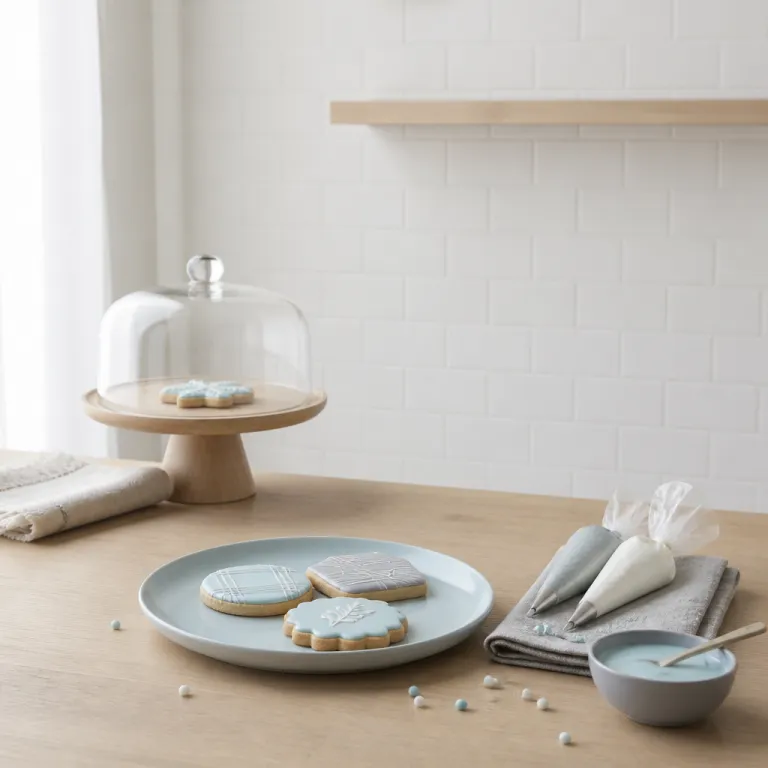
From “cookie decorating class near me” to high value on property traffic
When guests type “cookie decorating class near me” into a search engine, they are signalling a desire for hands on, social food experiences rather than formal pastry training. For hotel food and beverage directors and executive chefs, positioning the pastry lab as the answer to that decorating class search can convert anonymous local demand into qualified, high margin footfall. A well designed cookie decorating offer also strengthens the hotel’s reputation as a welcoming community hub rather than a closed, intimidating cake fortress.
Think of each cookie decorating class as a micro event that blends leisure, learning, and revenue. A two hour decorating workshop hosted in the lobby lounge, chef’s table area, or rooftop bar can be priced attractively, yet still generate strong sales on food, beverages, and upsold gift bags. When these classes are framed as a relaxed opportunity for friends, families, or colleagues to meet, unwind, and decorate cookies together, they become a recurring reason for locals to step into the property.
The most effective concepts move beyond a generic decorating class and lean into themed cookie narratives. A beginner halloween cookie decorating series, a christmas cookie afternoon tea, or a decorating intermediate masterclass for corporate teams each targets a different segment with distinct expectations. By mapping these cookie decorating classes to specific demand pockets, F&B teams can smooth weekday covers, activate off peak dayparts, and reduce dependence on weekend brunch peaks.
Designing profitable cookie decorating formats for hotel environments
To turn a simple cookie decorating class into a repeatable profit center, structure matters more than spectacle. Start with a clear grid of formats: a beginner cookie session for families, a decorating intermediate workshop for enthusiasts, and a cake decorating clinic for pastry curious locals. Each class should have a defined capacity, a fixed menu of cookies and icing, and a precise list of materials needed to control food cost and minimise waste.
For the beginner format, keep the decorating cookie journey reassuring and playful. Offer pre baked cookies, pre filled piping bags, and a curated palette of food colors so that guests focus on fun rather than technique. Short demonstrations on how to handle royal icing, how to use basic piping tips, and how to correct mistakes with extra icing or sprinkles will give confidence without overwhelming participants.
More advanced decorating classes can introduce buttercream textures, tiered cake assembly, and writing techniques for personalised messages on celebration cookies. Here, chefs can showcase signature cake decorating skills while still anchoring the experience around the cookie decorating theme that brought guests in. To extend reach beyond the property, consider an online version of the decorating workshop that uses shipped cookie kits and live streaming from the hotel kitchen, similar to how strategic food tours in San Juan or Lisbon turn hotels into culinary magnets for remote audiences.
Programming seasonal and themed cookie events that actually get sold out
Seasonality is the most powerful lever for turning a “cookie decorating class near me” search into a fully sold event. In July, a summer themed cookie decorating workshop with bright colors, citrus notes, and fresh fruit inspired icing can anchor your summer season prep and support your strategy to turn the hotel restaurant into a neighborhood magnet before peak traffic. As autumn approaches, a beginner halloween cookie series with spooky shapes, edible glitter, and dark food colors will attract families and groups of friends seeking playful activities.
For the festive period, christmas cookie decorating classes can be paired with mulled wine, hot chocolate, and live music or carol singers. Each christmas cookie session should feature a mix of simple cookies for beginner guests and more intricate themed cookie designs for decorating intermediate participants, ensuring that all skill levels feel challenged yet comfortable. When these classes are scheduled as a recurring workshop calendar, cookies will become a visual signature of the property’s festive programming and a recognisable motif in your holiday marketing.
Do not overlook corporate and MICE segments, which often search for creative food experiences that foster connection and break meeting fatigue. A decorating class positioned as a “friends cookie lab” for colleagues can be sold as a team building add on, with personalised bags of cookies branded for the company or event. Link these offers to other concepts such as chef pop ups and residencies, using your cookie decorating events as a soft entry point into more ambitious culinary activations described in your broader chef pop up strategy.
Operational playbook : materials, mise en place, and guest flow
Operational discipline is what transforms a charming cookie decorating idea into a scalable F&B product. Before launching, define a standard kit of materials needed for each class: pre baked cookies, piping bags, spatulas, bowls, food colors, royal icing bases, and buttercream batches. This mise en place should be designed so that one pastry chef and one commis can comfortably manage a group of 12 to 16 guests without compromising quality or safety.
Guest flow starts at arrival, where participants receive aprons, name tags, and a tray with their cookies and icing bags. A short safety and hygiene briefing reassures both hotel management and food and beverage investors that the activity respects food safety protocols and brand standards. During the decorating workshop, structure the session into clear chapters: basic piping tips, filling and flooding with royal icing, adding buttercream details, and final writing techniques for names or messages.
To keep the room dynamic, alternate chef demonstrations with hands on decorating cookie time and short breaks for drinks or snacks. Offer optional upsells such as extra cookies, premium food colors, or personalised gift bags that can be sold on the spot or pre booked. At the end, invite guests to place their creations on a styled table for a quick photo gallery moment, which encourages social sharing and organically amplifies the “cookie decorating class near me” positioning of your property across local search and social platforms.
Pricing, marketing, and conversion from online search to on property spend
Revenue management for a cookie decorating class should be as rigorous as for any banquet product. Start by calculating the full cost of food, materials needed, labour, and room usage, then set a base price that protects margin while remaining accessible for local audiences. Offer tiered pricing for beginner, decorating intermediate, and private friends cookie sessions, with clear value differences such as longer duration, more cookies, a welcome drink, or a small tiered cake element.
On the marketing side, the phrase “cookie decorating class near me” should appear naturally in your website copy, Google Business Profile, and social media captions. Use high quality images of cookies, icing, and guests in action to anchor the promise of a convivial decorating class rather than a technical pastry course. Short videos showing piping tips in use, royal icing being mixed with vivid food colors, and friends laughing over slightly imperfect cookies will outperform static visuals and help your listing stand out in crowded local search results.
Conversion hinges on frictionless booking and clear information. Every online listing must specify what cookies will be provided, what guests can bring, and whether bags or boxes for transport are included in the decorating workshop fee. Encourage guests to share their creations in a dedicated photo gallery on your site or social highlights, which reinforces social proof and signals to search engines that your decorating classes are active, relevant, and valued by the community.
Extending the concept : from cookie decorating to a full experiential F&B ecosystem
Once the cookie decorating class format is stable, ambitious F&B leaders can expand it into a broader experiential ecosystem. Start by integrating cake decorating modules, where guests learn to apply buttercream finishes, stack a small tiered cake, and use writing techniques for celebration messages. These cake focused classes should still reference the original cookie decorating concept, perhaps by using cookies as toppers, as edible place cards, or as a warm up exercise.
Next, explore collaborations with local artisans, food brands, or F&B suppliers who can co host decorating workshops. A chocolatier might lead a session on pairing cookies with ganache, while a coffee roaster curates beverage pairings that elevate the food experience and drive incremental spend. Such partnerships deepen the narrative that your hotel is a culinary hub, not just a place to sleep, and they often unlock cross promotion to new local audiences.
Finally, consider how cookie decorating can support larger strategic goals such as loyalty, data capture, and weekday traffic. Offer members only decorating classes for your CRM database, or bundle a beginner halloween cookie session with family staycations to increase length of stay and total spend. By treating each “cookie decorating class near me” search as the first step in a long term relationship, food and beverage directors and hospitality investors can turn a simple pastry workshop into a durable revenue and brand asset.
Key figures and performance benchmarks for experiential F&B programming
- Hotels that add paid culinary experiences such as decorating classes often report measurable lifts in F&B revenue per available room in internal dashboards, especially when experiences are bundled with rooms or restaurant offers.
- Properties that host at least two food focused workshops per week frequently see a higher share of local guests in their restaurants, which reduces dependence on in house guests for covers and stabilises weekday performance.
- Social media posts featuring hands on activities like cookie decorating or cake decorating typically generate stronger engagement than standard plated dish photography, according to aggregated analytics shared by city hotels using Meta Business Suite and similar tools.
- Family oriented experiences such as beginner halloween or christmas cookie workshops can support school holiday occupancy when packaged with rooms and breakfast, as indicated in post campaign reviews from resort properties in leisure destinations.
- Online booking data from experiential platforms such as Airbnb Experiences and GetYourGuide shows that classes with clear descriptions of materials needed and skill level tend to convert significantly better than vague “workshop” listings, a pattern that hotel teams can replicate on their own booking engines.
FAQ : cookie decorating classes in hotel and resort settings
What skill levels should a hotel target with cookie decorating classes ?
Most properties succeed by offering at least two levels: a beginner cookie class for families and casual guests, and a decorating intermediate workshop for enthusiasts who already know basic piping tips. Advanced cake decorating or tiered cake sessions can be added later once demand is proven. Clear labelling of skill level in all online and on property communication reduces guest frustration, improves satisfaction scores, and helps staff recommend the right decorating class.
How many guests can one pastry chef handle in a decorating workshop ?
For a hands on cookie decorating class using royal icing and buttercream, one experienced pastry chef with one assistant can comfortably manage 12 to 16 participants. Larger groups require either additional staff or a more demonstration led format with less individual coaching. Capacity planning should also consider table layout, access to water, and the time needed for icing to set before guests pack their cookies into bags or boxes.
What are the essential materials needed for a professional level class ?
A standard kit should include pre baked cookies, piping bags, spatulas, mixing bowls, food colors, royal icing bases, and buttercream for texture work. Disposable table covers, aprons, and cleaning supplies are also critical for maintaining hygiene and quick turnover between classes. Hotels that invest in durable piping tips, reusable tools, and stackable storage often see better long term ROI than those relying solely on single use items.
How should hotels price cookie decorating experiences ?
Pricing should cover food cost, labour, overhead, and a healthy margin, while remaining competitive with local cooking schools and independent workshops. Many hotels adopt a per person fee that includes a set number of cookies, all decorating materials, and a drink, with optional upsells such as extra cookies or premium gift bags. Dynamic pricing by day of week and season can help fill soft periods without eroding perceived value or confusing guests.
Can cookie decorating classes work in resorts with strong all inclusive models ?
Yes, but the positioning must be adapted to the all inclusive promise. Some resorts include a basic decorating class in the package and offer paid upgrades for themed cookie events, christmas cookie sessions, or cake decorating masterclasses. Clear communication about what is included and what is a supplement prevents guest dissatisfaction, supports incremental revenue, and keeps the experience aligned with brand standards.