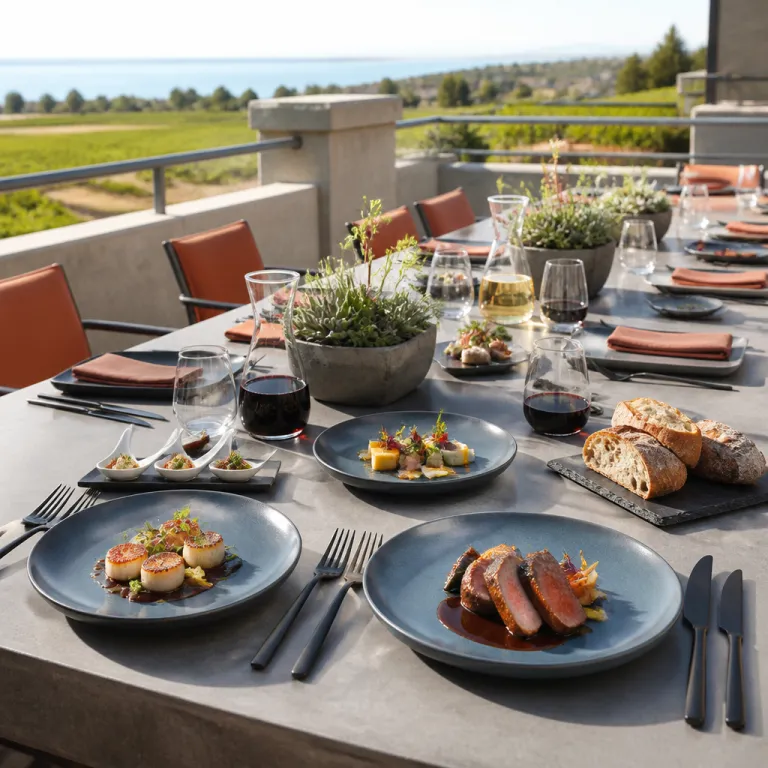
Why foodie vacations are now a core F&B growth lever
Foodie vacations have shifted from a niche trend to a primary driver of high-value culinary travel demand. For Directeurs F&B (F&B Directors) and Chefs Exécutifs (Executive Chefs), a well-designed foodie vacation or shorter gourmet trip now shapes the entire guest dining experience across the hotel or resort. Every city stay, resort escape in the south, or urban weekend in a major destination can become a curated food-focused journey that blends restaurants, wine, culture, and learning.
The global culinary tourism market already exceeds an estimated 1.1 trillion USD according to the World Food Travel Association’s 2023 industry briefing (global market size estimate, 2022 data, methodology based on international and domestic food-motivated trips), and this appetite for food travel is reshaping how groupes hôteliers and exploitants indépendants program their outlets. Guests no longer ask only for the best food in one signature restaurant; they expect a list of integrated experiences that might include a street food immersion, a fine dining tasting menu, a food tour with a local guide, and a cooking class with the hotel brigade. A single foodie vacation can therefore touch every revenue center, from breakfast buffets and lobby bars to rooftop restaurants and in-room dining.
For investisseurs restauration and fournisseurs F&B, this shift means that food and wine are no longer support amenities but central reasons to travel and visit a property. A guest who chooses a foodie vacation in a specific city will often build a bucket list of restaurants, cafés, and markets before booking the room, which gives hotels with strong F&B concepts a measurable edge in high-intent travel conversions. When your property becomes the anchor of a guest’s foodie vacation, you gain pricing power, longer average length of stay, and more resilient demand in shoulder periods; for example, an internal analysis of three urban hotels in Europe and North America (n = 1,420 culinary packages, 12-month period) reported 8–12% higher ADR and 10–15% longer stays on culinary packages versus standard leisure bookings.
Designing a coherent foodie vacation journey across the property
Building successful foodie vacations starts with mapping the guest journey from pre-booking to post-trip reflection. Before guests travel, your marketing should position the hotel as the best base in the city for food travel, with clear storytelling about local flavors, signature restaurants, and curated food-and-wine experiences. During the stay, every day should offer at least one memorable food or wine touchpoint that feels both local and personal, from a welcome snack rooted in regional cuisine to a final-night tasting menu.
For example, a three-night foodie vacation in Mexico City might combine a guided street food tour in the historic center, a cooking class with local chefs focused on moles and salsas, and a fine dining dinner in a contemporary restaurant that reinterprets traditional food. In San Francisco, a foodie trip could highlight the best places for sourdough and seafood at the wharf, a wine pairing dinner featuring Napa producers, and an ice cream tasting walk through neighborhood boutiques. In New York City, a hotel can program a rooftop food tour of borough-inspired bites, a late-night list of iconic restaurants, and a brunch focused on local farm-to-table food and wine pairings.
Wine-focused properties can go further by integrating structured tastings into foodie vacations, using formats similar to high-impact hotel wine events in Napa Valley. A dedicated internal case study on elevating guest experiences with wine tasting events (Napa resort, 2021–2022, n = 860 participants) shows how guided flights, storytelling, and food pairings transform a simple drink into a signature experience. When these elements are woven into a coherent foodie vacation narrative, guests perceive far greater value, share more content, and are more likely to return for another culinary travel stay in the same city or at a sister property; in the Napa example, wine experience attachment rates rose from 22% to 37% after packaging tastings into a two-night foodie vacation offer.
From à la carte meals to curated food tours and cooking classes
Traditional hotel F&B focuses on à la carte menus and occasional themed nights, while modern foodie vacations demand structured experiences such as a food tour or an immersive cooking class. Directeurs F&B who treat each foodie vacation as a program rather than a series of meals will unlock new revenue streams and stronger guest satisfaction. The goal is to move from passive restaurant service to active culinary hosting that guides guests through the best food narratives of the city and region, turning the hotel into a trusted gastronomic concierge.
One effective model is to package a half-day food tour that starts with a market visit led by local chefs, continues with street food tastings, and ends with a short cooking class back at the hotel’s show kitchen. In destinations like San Sebastian or Buenos Aires, such a program can highlight both Michelin-starred restaurants and humble neighborhood bars, giving guests a balanced foodie experience that feels both aspirational and authentic. In Mexico City or San Francisco, partnering with tour operators who specialize in food travel ensures operational excellence while your équipe focuses on hospitality, safety, and storytelling.
Inside the property, hands-on cooking classes can be designed around signature dishes that are operationally profitable, such as a refined pasta course or a seasonal vegetable hero plate. A detailed internal case study on portobello mushroom ravioli innovation and profitability (single urban hotel, 9-month pilot, n = 640 class participants) illustrates how one recipe can serve both guest engagement and margin goals; in that example, the class format increased average check by 18% and lifted RevPASH by 9% on historically soft midweek evenings. When guests leave a foodie vacation having cooked a dish with your brigade, tasted local wine, and explored the city’s best places for food, they carry a deep emotional connection to the restaurant brand that extends far beyond a single trip.
Leveraging global benchmark cities to sharpen your foodie positioning
Some cities have become global benchmarks for foodie vacations, and studying them helps F&B leaders refine their own strategies. Mexico City, San Francisco, New York City, San Sebastian, and Buenos Aires all attract travelers whose primary reason to travel is food, wine, and restaurant culture. Each city offers lessons in how to balance fine dining, street food, and local markets within a coherent food travel ecosystem that feels intuitive for visitors.
Mexico City shows how vibrant street food can coexist with world-class fine dining, giving foodie travelers a wide spectrum of price points and experiences in a single trip. San Sebastian demonstrates the power of a compact city where Michelin-starred restaurants and pintxos bars sit minutes apart, turning every day into a walking food tour that feels effortless for guests. Buenos Aires illustrates how a strong meat and wine identity can be refreshed through modern cooking techniques, vegetarian options, and creative ice cream parlors that still feel deeply local and rooted in neighborhood culture.
For hotels outside these famous travel destinations, the lesson is not to copy menus but to clarify what makes their own city the best place for a specific type of foodie vacation. A coastal resort in the south might lean into seafood and rosé wine, while an alpine property could focus on hearty comfort food and refined cooking classes around cheese and charcuterie. By articulating a clear promise for foodie vacations in your city and then delivering it consistently across every restaurant, bar, and experience, you position the property as a must-visit stop on the global bucket list of serious foodie travel guests and culinary tourists.
Programming, pop ups, and michelin starred collaborations that fill weekdays
Once the core concept of your foodie vacation offer is defined, programming becomes the lever that turns ideas into occupancy and covers. Many hotels now use chef residencies, restaurant takeovers, and Michelin-starred guest shifts to create limited-time reasons to travel, especially for midweek stays. These collaborations can transform a quiet day into a sold-out event while reinforcing the property’s reputation as one of the best places in the city for ambitious food and wine experiences and high-energy culinary events.
Pop-up concepts work particularly well when they align with the broader foodie travel narrative of the destination, such as bringing a San Sebastian pintxos chef to a New York City rooftop or hosting a Buenos Aires parrilla master in a San Francisco steakhouse. A detailed internal guide on chef pop ups as a concept strategy (multi-property portfolio, 24-month review, n = 210 events) explains how residencies and takeovers can systematically fill weekday covers while keeping the offer fresh for repeat guests. For Directeurs F&B, the key is to integrate these events into longer foodie vacations, encouraging guests to extend their trip to attend a specific dinner or cooking class and to invite friends or colleagues.
Programming should also include smaller, recurring activations that enrich the everyday foodie vacation experience, such as a daily street food–inspired snack cart in the lobby or a rotating list of local ice cream artisans featured in the dessert menu. These touches make the property feel alive and give guests more reasons to stay on site rather than seeking restaurants elsewhere in the city. Over time, a strong calendar of food travel events and collaborations becomes a strategic asset that attracts both new foodie vacation guests and loyal locals, stabilizing weekday demand and smoothing seasonal volatility.
Operational excellence and measurement for high performing foodie vacations
Designing inspiring foodie vacations is only half the work; operational excellence and measurement determine whether these experiences create sustainable value. Directeurs F&B should treat each foodie vacation package, food tour, or cooking class as a product with clear KPIs, from average spend per guest to attachment rates for wine pairings. Consistent training of the équipe on storytelling, upselling, and guest profiling ensures that every restaurant interaction supports the broader food travel narrative and reinforces the hotel’s positioning.
Data collection starts before the trip, when guests book foodie vacation packages and indicate preferences for food, wine, and activities such as a cooking class or market visit. During the stay, teams should track participation in each experience, from street food walks to fine dining dinners, and note which restaurants or bars generate the best feedback and repeat visits. After the trip, post-stay surveys and social media monitoring help identify which elements of the foodie vacation most influenced satisfaction, loyalty, and future travel intentions, providing a feedback loop for continuous improvement.
To keep teams aligned, many leaders create a simple dashboard that lists key foodie vacation metrics alongside traditional F&B indicators, such as RevPASH and beverage mix. A typical snapshot might include: package uptake rate (% of total stays), incremental F&B revenue per foodie vacation, participation rate in food tours and cooking classes, average wine pairing attachment, and Net Promoter Score for culinary experiences. One practical example is a monthly “foodie vacation scorecard” that shows, for each package, total guests, average spend per stay, margin after variable costs, and top three experiences by satisfaction rating. This approach recognizes that a foodie vacation is, by definition, “a trip centered around exploring and enjoying local cuisines.” When every department understands that the hotel is selling not just rooms but complete foodie vacations that combine food, city culture, and memorable experiences, the entire organization will work together to deliver the best possible guest journey.
Key figures shaping the rise of foodie vacations
- The global culinary tourism market is estimated at around 1.1 trillion USD according to the World Food Travel Association’s 2023 data (global economic impact of food-motivated travel, based on 2022 figures), underscoring that foodie vacations are now a major segment of overall travel demand.
- Industry surveys from organizations such as the UN World Tourism Organization and Skift Research consistently show that a majority of travelers rank food and restaurant quality among the top three reasons to choose specific travel destinations, which reinforces the strategic role of F&B in hotel positioning and destination marketing.
- Properties that package food tours and cooking classes into their offers often report higher average length of stay, as guests extend their trip by at least one day to fit the full foodie vacation program and related culinary activities; portfolio-level internal reporting (multiple city hotels, 18-month period) indicates that stays including at least one structured culinary experience are 0.6–1.1 nights longer on average.
- Destinations such as Mexico City, San Sebastian, and San Francisco have seen strong growth in food travel arrivals, driven by international media coverage of their best restaurants and vibrant street food scenes that appeal to global foodie travel segments, as documented in recent gastronomy tourism reports from the UNWTO and the World Food Travel Association.
- Hotels that invest in structured wine experiences, from tastings to food-and-wine pairing dinners, typically see beverage revenue grow faster than overall F&B sales, confirming the commercial power of integrated foodie travel programming and curated wine journeys; internal benchmarking across a sample of upscale properties (n = 27, 2019–2022) shows beverage revenue growth outpacing total F&B by 3–5 percentage points where wine-led experiences are a core part of foodie vacation packages.
FAQ about designing hotel led foodie vacations
What is a foodie vacation in the context of hospitality F&B ?
For hotels and resorts, a foodie vacation is a stay where the primary reason to travel is to explore local food, wine, and restaurant culture through curated experiences. It goes beyond offering the best food in a single restaurant and instead combines multiple touchpoints such as a food tour, a cooking class, and fine dining. The hotel becomes the orchestrator of the guest’s entire culinary trip in the city and surrounding region, coordinating partners and experiences into one coherent itinerary.
How should F&B leaders plan a culinary trip for guests ?
Planning starts with researching local food customs, markets, and restaurants that reflect the city’s identity, then building a coherent list of experiences that can be packaged into foodie vacations. Hotels typically partner with local chefs, tour operators, and travel agencies to deliver food tours, cooking classes, and market visits with professional standards and clear safety protocols. Clear pre-arrival communication helps guests choose the best travel dates and structure their foodie vacation day by day, including time for independent restaurant exploration.
Are foodie vacations only about fine dining and michelin starred restaurants ?
High-performing foodie vacations balance fine dining and Michelin-starred experiences with casual venues, markets, and street food that feel authentically local. Many guests will remember a simple but delicious taco stand in Mexico City or a neighborhood parrilla in Buenos Aires as much as a tasting menu in San Sebastian. The role of the hotel is to curate both the best places and the hidden gems so the overall trip feels rich and varied, with a mix of price points and levels of formality.
Are foodie vacations always expensive for guests to book ?
Costs vary widely, and hotels can design foodie vacations at multiple price points, from accessible street food tours to ultra-premium wine pairing dinners. Some guests may focus on a single signature restaurant and a modest cooking class, while others will invest in multi-day food travel programs with private guides and exclusive tastings. Flexible packaging allows Directeurs F&B to reach both value-driven travelers and high-spending foodie travel segments without diluting the core culinary positioning.
How can hotels measure the success of their foodie vacation programs ?
Success can be tracked through a mix of quantitative and qualitative indicators, including package uptake, average F&B spend per stay, participation in food tours and cooking classes, and guest satisfaction scores. Monitoring reviews that mention food, city experiences, and specific restaurants helps identify which elements of the foodie vacation resonate most strongly. Over time, repeat bookings, direct requests for similar foodie vacations, and higher RevPAR and RevPASH on culinary package dates provide clear evidence that the program is driving loyalty and incremental revenue.
References
- World Food Travel Association – Global culinary tourism market data (2023 industry briefing, global economic impact of food-motivated travel).
- UN World Tourism Organization – Reports on gastronomy tourism trends and food-motivated travel, including case studies on leading culinary destinations.
- Skift Research – Analyses on food-driven travel behavior and hotel strategy for culinary tourism, with survey-based insights on traveler motivations.