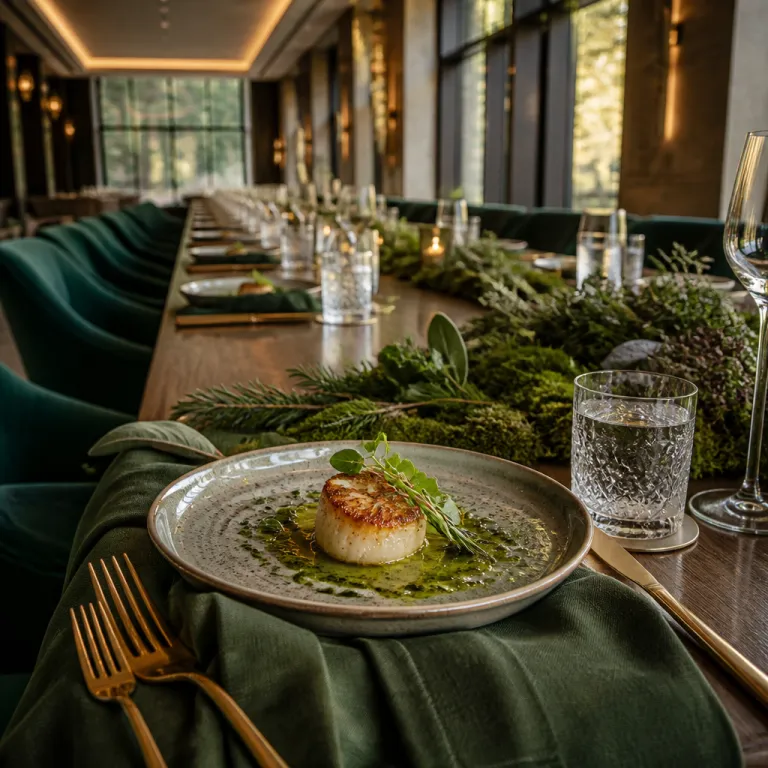
Turning le réveillon into a flagship guest dining experience
For French hotels and resorts, le réveillon is no longer just a festive meal; it is a strategic moment to stage a high‑value guest dining experience. This late‑night celebration on Christmas Eve and on Saint‑Sylvestre concentrates demand, emotion, and spending in a very short seasonal window, which makes it a decisive lever for Food & Beverage revenue management. When you treat each réveillon dinner as a curated journey rather than a simple Christmas menu, you unlock pricing power, upsell potential, and long‑term loyalty.
Across France, réveillon traditions remain strong. A 2019 survey by the French National Institute of Statistics and Economic Studies (INSEE) on end‑of‑year celebrations indicates that close to nine out of ten residents take part in at least one festive meal around Christmas or New Year’s Eve, which confirms the scale of the opportunity for every F&B director. French families and friends expect a generous réveillon de Noël with emblematic food and drink such as foie gras, oysters, fine wine, and a rich yule log or bûche de Noël, yet they are increasingly open to global cuisine influences from Italy or beyond. This tension between rooted French Christmas traditions and cosmopolitan recipes is exactly where innovative hotels can differentiate their Christmas Eve and Saint‑Sylvestre offers.
In practice, the most successful properties in France and in other European destinations design le réveillon as a complete hospitality concept, not just a menu. They choreograph the guest journey from arrival before midnight mass to the last glass of wine after Christmas Day brunch, integrating décor, music, service rituals, and even tours or activities for family groups. One Parisian five‑star hotel, for example, now sells a two‑night “Réveillon Signature” package that combines a tasting menu, wine pairings, and late check‑out; the property reports that this bundle lifts total spend per occupied room by more than 40 % compared with a standard December stay. When the réveillon dinner becomes the emotional climax of a multi‑day stay, it justifies premium room rates, curated food‑and‑wine pairings, and targeted experiences for investors and restaurant operators seeking strong seasonal returns.
From tradition to strategy : decoding guest expectations for le réveillon
Understanding the cultural codes of le réveillon is essential before you redesign the guest dining experience. In French Christmas culture, the réveillon meal on Christmas Eve and on the night of Saint‑Sylvestre is a late, often multi‑hour feast that can extend well past midnight, especially when guests attend midnight mass beforehand. This means your kitchen brigade, service team, and F&B suppliers must be prepared for unusual timelines in December, with mise en place starting early in the day and service stretching into the first hours of the following morning.
Guests associate réveillon celebrations with specific Noël dishes such as foie gras, smoked salmon, oysters, capon as the main course, and rich desserts like the yule log or bûche de Noël, often served with sweet wine and cheese boards featuring goat cheese and aged Comté. At the same time, many cosmopolitan travellers now expect lighter, more contemporary cuisine, sometimes inspired by Italy or other Mediterranean regions, with olive‑oil‑based sauces, vegetable‑forward recipes, and refined food‑and‑drink pairings. Balancing these expectations requires segmenting your audience between traditionalists, wellness‑focused guests, and experience seekers who want a modern take on French Christmas without losing the emotional link to family traditions.
Resort operators can also extend the réveillon experience beyond the dining room by activating other spaces, just as luxury properties do when they design elevated poolside bar concepts for summer; the same logic applies to winter. For example, insights from curated elevated F&B experiences around hotel bars can inspire how you stage aperitif moments before Christmas dinner or digestifs after the main course. As one Riviera F&B director explains, “We treat the lobby bar as the prologue and the cigar lounge as the epilogue of réveillon,” using live music, signature cocktails, and small plates to frame the main feast. When every touchpoint from lobby welcome to bar service reflects the spirit of le réveillon, guests perceive a coherent narrative that justifies premium pricing and strengthens brand positioning.
Menu engineering for réveillon Noël and Saint Sylvestre year eve
Menu design for le réveillon must reconcile heritage, operational feasibility, and profitability. A classic French Christmas réveillon de Noël menu in France will usually start with canapés and food‑and‑drink pairings, move to foie gras or seafood, continue with a roasted main course, then transition to cheese and finally to a yule log or bûche de Noël dessert. Each course is an opportunity to express your property’s identity while controlling food cost, kitchen workflow, and perceived value.
For the starter, foie gras remains a powerful symbol of Noël in France, but you can offer both traditional terrine and lighter versions, perhaps paired with goat cheese and seasonal fruit to appeal to younger guests. In coastal regions or resorts with strong seafood sourcing, positioning oysters or langoustines as a premium alternative starter can lift average checks, especially when combined with curated wine flights from France and Italy. Throughout the menu, use high‑quality olive oil, herbs, and vegetables to bring freshness to rich recipes, which reassures health‑conscious travellers without betraying the indulgent spirit of Christmas Eve and Saint‑Sylvestre.
Interactive elements can further elevate the réveillon dinner, particularly in resorts where guests stay several days around Christmas Day and New Year’s Eve. Drawing on the logic of guest engagement through cooking classes, you might stage a pre‑dinner workshop on bûche de Noël glazing or cheese‑and‑wine pairing, led by your chef exécutif or head sommelier. A mountain resort in Savoie, for instance, offers a limited‑seating “build your own yule log” class at €45 per person, which regularly sells out and generates incremental pastry sales on Christmas Day. These experiences not only deepen the connection to French cuisine and family traditions, they also create ancillary revenue streams and content for social media, which is crucial when December is your most visible time of year for brand storytelling.
Operational excellence : staffing, pacing, and guest flow on réveillon nights
Delivering a flawless réveillon service requires meticulous operational planning, because the rhythm of the evening differs sharply from a standard Christmas dinner or weekend banquet. Guests often arrive in waves before or after midnight mass, some with children waiting for Père Noël, others in adult‑only groups focused on wine and cocktails, which complicates pacing and seating strategies. To maintain both guest satisfaction and profitability, F&B directors must orchestrate reservations, table turns, and staffing with the precision of a large‑scale event.
Start by defining clear seatings for Christmas Eve and Saint‑Sylvestre, with distinct time slots that respect local traditions while protecting the kitchen from overload. In many parts of France, families prefer an earlier réveillon de Noël on 24 December, while younger guests may choose a later service for New Year’s Eve on 31 December, so you can segment menus and entertainment accordingly. Use prepayment or credit‑card guarantees for all réveillon bookings, especially for groups and tours, to secure revenue and reduce no‑shows during this critical time of year.
Back of house, mise en place is your insurance policy against chaos when the main course and cheese platters must leave the pass almost simultaneously for multiple tables. Prep foie gras, sauces, and garnishes well ahead, and design recipes that can be finished à la minute without compromising quality, using combi ovens and hot holding intelligently. Front of house, brief the team on the emotional stakes of le réveillon for French families and international guests, because a single mismanaged food‑and‑drink incident can overshadow an otherwise perfect meal on such a symbolic day.
As a practical checklist, many full‑service hotels use a three‑shift pattern on réveillon nights (prep from late morning to mid‑afternoon, first service from early evening to midnight, and late service until bar close), combined with a simplified limited‑choice menu to stabilise food‑cost ratios and protect kitchen capacity. A typical benchmark in upscale operations is one server for every 12 to 15 covers during the main seating, supported by runners and a dedicated sommelier, which helps maintain pacing even when several tables reach the main course at the same time.
Storytelling, marketing, and upselling around le réveillon
Positioning le réveillon as a signature experience starts long before December, with storytelling that connects your property to the broader culture of Christmas in France. Your communication should evoke the warmth of French families gathering for a festive meal, the anticipation of Père Noël for children, and the elegance of Saint‑Sylvestre celebrations for adults. When guests feel that your réveillon de Noël embodies both timeless traditions and contemporary hospitality, they are more willing to commit early and to spend more per person.
Digital campaigns can highlight specific elements of your cuisine, such as a focus on regional cheese and goat cheese, a cellar featuring rare wine from France and Italy, or a pastry program renowned for its bûche de Noël and modern yule log variations. Use high‑quality photography and short videos to show the progression of the réveillon dinner from aperitif to main course to dessert, including shots of family‑style sharing platters and refined plating for couples. Social media is also the ideal channel to communicate about limited seatings, chef’s tables, and collaborations, which can be inspired by the logic of chef pop‑up and residency strategies adapted to the festive season.
On property, upselling should feel like part of the narrative rather than a hard sell, especially on emotionally charged days like Christmas Day and New Year’s Eve. Offer curated wine pairings that tell a story of terroirs from different regions of France and Italy, or premium supplements such as aged foie gras, caviar, or rare cheese selections for connoisseurs. For investors, restaurant owners, and hotel groups, tracking the incremental revenue from these réveillon upsells versus standard December services provides clear evidence of the ROI of a well‑designed festive F&B strategy. One Parisian brasserie, for example, publicly reports that its fixed‑price réveillon menus, priced between €95 and €145 with optional pairings, generate average checks almost 50 % higher than a regular winter Saturday.
Beyond december : extending the impact of le réveillon on annual performance
While le réveillon is anchored in December, its impact on your F&B performance extends across the entire year. Guests who experience a memorable réveillon celebration are more likely to return for other occasions, recommend the property to their family, and engage with your brand during lower‑demand months such as June. Treat each réveillon dinner as a showcase of your cuisine, service culture, and storytelling, because it becomes a reference point against which guests judge all future visits.
Data collection is essential: track covers, average spend, wine sales, and menu mix for both Christmas Eve and Saint‑Sylvestre, then compare these figures with other peak periods like summer. Analyse which recipes and food‑and‑wine pairings generated the highest satisfaction and margins, from foie gras starters to cheese boards to yule log desserts, and use these insights to refine your offer for the next festive season. For hotel groups operating across France and Italy, centralising réveillon performance data allows you to benchmark properties, identify best practices, and negotiate better terms with F&B suppliers for key products such as olive oil, wine, and premium dairy.
Finally, consider how the narrative of le réveillon can feed your content strategy throughout the calendar. Share behind‑the‑scenes stories about your chef exécutif perfecting the bûche de Noël, your sommelier selecting wine for French Christmas pairings, or your team organising tours to local Christmas markets for international guests. When you keep the emotional memory of the réveillon dinner alive beyond Christmas Day, you transform a single festive night into a long‑term asset for brand equity, guest loyalty, and sustained F&B profitability.
Key figures and operational benchmarks for le réveillon
- According to INSEE’s analyses of end‑of‑year celebrations, close to nine out of ten residents in France participate in at least one festive meal each December, creating a near‑universal market for hotels and restaurants that stage réveillon dinners. The 2019 survey on Christmas and New Year’s Eve confirms that these gatherings remain central to family life and hospitality spending.
- Traditional réveillon services in France typically run from early evening until after midnight, and in many properties the festive meal continues into the early morning hours, which requires extended staffing patterns and careful labour‑cost management.
- Publicly available figures from upscale Paris and Riviera hotels shared in trade press indicate that réveillon menus often generate average checks that are 30 to 50 % higher than standard December dinners, especially when wine pairings, premium foie gras, and cheese supplements are actively promoted.
- Properties that introduce prepayment for réveillon de Noël and Saint‑Sylvestre menus often report a significant reduction in no‑show rates compared with regular days, which stabilises revenue forecasting for this critical time of year.
- Guest satisfaction surveys in upscale French Christmas operations frequently show that the quality of the main course and the creativity of the bûche de Noël or yule log are the two strongest drivers of overall réveillon dinner ratings.
FAQ about le réveillon in hotels and restaurants
What is typically served during réveillon in French hotels and restaurants ?
In most properties in France, the réveillon dinner on Christmas Eve or Saint‑Sylvestre features festive food such as foie gras, oysters, smoked salmon, and a roasted poultry or fish main course, followed by cheese and a bûche de Noël or yule log. Wine and champagne play a central role in these Christmas dinner celebrations, often with curated pairings. Many hotels now add lighter recipes and vegetarian options to align with contemporary cuisine expectations while preserving traditional flavours.
How long does a réveillon service usually last in hospitality settings ?
Réveillon services generally start in the early evening and can continue well past midnight, especially when guests attend midnight mass or stay for live music and dancing. In resort hotels, the festive meal may blend into a late‑night bar experience, with food‑and‑drink service extending into the early morning. This extended duration requires careful planning of kitchen shifts, service rotations, and guest flow between restaurant, bar, and lobby areas.
Is réveillon celebrated outside France, and how should international hotels adapt ?
Réveillon traditions exist in French‑influenced regions such as Québec and New Orleans, and many international hotels now stage their own versions for Christmas Day and New Year’s Eve. For brands operating outside France, the key is to respect local Christmas traditions while integrating emblematic French Christmas elements like foie gras, cheese boards, and bûche de Noël. Adapting wine lists, music, and décor to the local culture while keeping the structure of the réveillon dinner creates authenticity without cultural dissonance.
How can F&B directors maximise revenue from réveillon menus without harming guest satisfaction ?
The most effective approach is to design tiered réveillon de Noël and Saint‑Sylvestre offers, with a core menu at an accessible price and premium supplements for wine pairings, rare ingredients, or chef’s table experiences. Clear communication about what is included in each réveillon dinner level prevents frustration on the day, while prepayment secures revenue. Monitoring feedback on portion sizes, pacing, and perceived value after Christmas Eve and New Year’s Eve helps refine the balance between profitability and guest delight.
What operational risks are specific to le réveillon in hotels and how can they be mitigated ?
Key risks include kitchen overload due to simultaneous ordering of the main course, stock shortages of high‑demand items like foie gras or champagne, and service delays caused by irregular arrival patterns around midnight mass. Mitigation strategies include limited‑choice menus, strong mise en place, accurate forecasting based on previous December data, and close coordination with F&B suppliers for critical products. Training the team on the emotional importance of le réveillon for family celebrations also reduces service errors and improves recovery when issues arise.