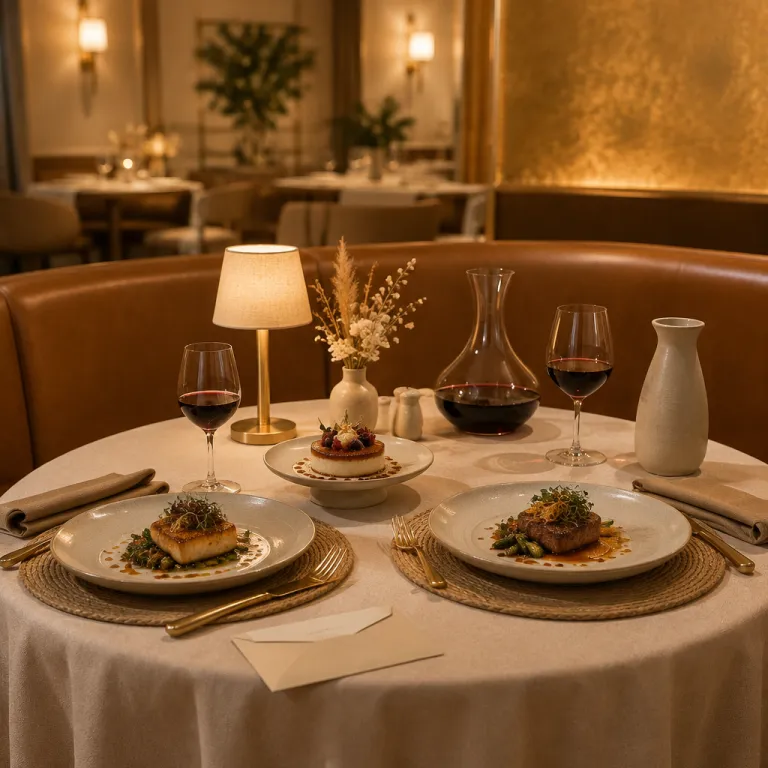
Why elevated date night spots are a strategic F&B growth lever
Date driven occasions are one of the most profitable guest segments for urban and resort restaurants. When a couple chooses your restaurant for a date night, they are usually ready to book higher margin food, wine and cocktail experiences and they often return when the relationship reaches a special occasion milestone. For Directeurs F&B and chefs exécutifs, building a portfolio of differentiated date night spots across the property can turn sporadic romantic dinners into a predictable revenue stream.
Guests searching for the best date night spots rarely start with the hotel brand; they start with a website, a map application or a curated list of the best restaurants in a given city. This means your restaurant and bar concepts must be positioned as stand alone night spots with their own identity, from the wine bar to the cocktail bar, and not only as amenities for in house guests. In markets such as Austin’s east side, where independent bars and wine bars dominate, hotel restaurants that behave like local favorites win both neighborhood and visitor traffic for every date and every dinner service.
To compete with neighborhood restaurants, your dining room design, menu engineering and service choreography must be optimized for the favorite date use case. Couples want a cozy table, a clear view or focal point, and a menu that balances shared plates with a few indulgent mains that feel meant shared without being awkward to divide. When you treat each romantic dinner as a micro event, your team can upsell prix fixe experiences in the USD 65–95 range per person, a focused tasting menu and the best wine pairings while still keeping the atmosphere relaxed and intimate.
Designing the guest journey for romantic dinners that convert
The guest journey for date night starts long before the couple walks into the restaurant. It begins when one partner searches a website for the best restaurants for a first date or a special occasion and then tries to book a table that feels both impressive and relaxed. If your date night spots are not clearly presented with photography of the dining room, the bar and the view, you lose the reservation to a competitor that understands this emotional decision making process.
On your restaurant website, create a dedicated date night page that highlights the most romantic spot in each venue, from the intimate wine bar corner to the terrace with the best view over the city. Include a curated list of suggested experiences such as a three course prix fixe dinner, a chef’s tasting menu with shared plates meant shared, or a late night happy hour at the cocktail bar with small plates. For hotel groups, this page should also cross sell sister restaurants in other cities, turning a favorite date ritual into a brand wide habit.
Operationally, align your reservation system, floor map and service standards around these romantic use cases. Tag reservations that mention date night, anniversary or special occasion with clear labels such as “date_night”, “anniversary” or “proposal”, and pre assign the most cozy tables or bar seats with partial privacy. For teams designing high yield foodie vacations and guest dining experiences, aligning room packages with guaranteed access to your best date night spots can be a powerful upsell, as explored in this guide on designing high yield foodie vacations that elevate the guest dining experience.
Menu strategy for memorable date night food and beverage experiences
A successful date night menu is not just a shorter version of your à la carte offer. It is a carefully structured narrative that helps guests relax, connect and share while quietly guiding them toward higher margin food, wine and cocktail choices. The best date night spots use menu design to reduce decision fatigue, encourage shared plates and highlight a few signature items that become the reason guests rebook the same restaurant for their next date.
Start by identifying which dishes are genuinely meant shared and which are better enjoyed individually, then signal this clearly on the menu with subtle icons or wording. Offer at least one prix fixe option and one tasting menu that can be completed within a predictable time frame, such as 75–90 minutes, which reassures guests who have a later event or childcare constraints. In markets like central Austin, where guests are used to casual bars and wine bars, pairing a relaxed shared plates concept with a focused list of the best wine by the glass can position your restaurant as both approachable and refined.
Do not neglect non alcoholic pairings, which are increasingly requested for date night and special occasion dinners. A dedicated section on the menu for crafted zero proof cocktails at the bar, along with organic and low intervention options, signals care and inclusivity. For hotel operators exploring organic sourcing, the operational and marketing implications are detailed in this analysis on elevating guest experiences with organic food options in hotels, which can be directly applied to romantic dinner menus.
Space, lighting and acoustics in the dining room and bar
Physical design often determines whether a venue becomes one of the city’s go to date night spots. Couples remember how a dining room feels long after they forget the exact food cost or the name of the cocktail. For Directeurs F&B and investors, this means that capital expenditure on lighting, acoustics and seating layout can have a direct impact on the perceived value of the restaurant and the bar.
Segment your floor map into micro zones that serve different romantic needs, such as a cozy banquette corner for a first date, a table with a dramatic view for a proposal and a high top near the cocktail bar for a more casual night. A simple layout might label zones as “Z1 First Dates” for two tops along a wall, “Z2 Celebrations” for four tops with a view and “Z3 Bar Romance” for counter seats with partial screening. In multi outlet hotels, consider positioning a dedicated wine bar or aires café style concept on the east side of the lobby or terrace to capture both early evening and late night date traffic. When these spaces are designed as flexible night spots, they can host happy hour, pre theater dinner and late dessert service without losing their intimate character.
Acoustics are often underestimated, yet they are critical for any favorite date venue. Guests want to hear each other without shouting, while still feeling the energy of the restaurant and nearby bars. Use soft materials, strategic music volume and directional speakers to create sound pockets, and train staff to adjust levels dynamically as the night progresses and the mix of couples, groups and bar guests evolves.
Local positioning, marketing and the power of neighborhood narratives
Romantic venues that feel rooted in their neighborhood outperform generic hotel restaurants in both revenue and reputation. In cities like Austin, guests often search specifically for date night spots in distinct districts or on the east side, expecting a certain mix of independent bars, creative food and relaxed service. Your marketing narrative should therefore position each restaurant, wine bar and cocktail bar as part of the local fabric rather than as an isolated hotel outlet.
Curate a public list of your best restaurants and bars for different types of date night, such as first date, anniversary, business date or last minute dinner before a concert. Share this list on your website, in room collateral and with concierge teams, and update it regularly to include your own restaurant openings and seasonal pop ups. When you highlight a specific spot as the best Italian option for a romantic dinner or as the bar with the best wine by the glass, you help guests self select the venue that matches their expectations and budget.
Partnerships with local businesses can further embed your venues into the neighborhood story. Collaborate with nearby wine bars, galleries or music venues to create progressive date night itineraries that move guests from aires café style aperitivo to a tasting menu dinner and then to a late night cocktail bar. For a deeper look at turning seasonal traffic into long term loyalty, many operators study frameworks such as this playbook on turning seasonal volume into year round dining loyalty, which can be adapted specifically for romantic dining segments.
Revenue management, data and measuring the impact of romantic occasions
To treat date night spots as a serious revenue pillar, you need clear data and disciplined revenue management. Track how many reservations mention date night, anniversary or special occasion, and compare their average check to standard dinner bookings in the same restaurant or bar. Most operators find that romantic dinners generate higher spend on wine, cocktails and desserts, especially when the menu and service are designed to support sharing and celebration.
Use your reservation system and point of sale data to build a map of guest behavior across your restaurants, bars and wine bars. Identify which dining room layouts, menu structures and price points correlate with the highest spend for date night and favorite date occasions. Then test targeted offers such as a limited prix fixe menu, a pre theater tasting menu or a late night happy hour at the cocktail bar, and measure whether these interventions increase both revenue and guest satisfaction.
Finally, integrate feedback loops into your website and post stay communications. Invite guests who booked a date night dinner to rate the atmosphere, the food, the wine and the service, and ask whether they would choose the same spot again for their next special occasion. Over time, this qualitative data will help you refine which venues truly function as high performing night spots and which require adjustments in concept, pricing or guest journey design.
Case applications for multi outlet hotels and independent operators
Multi outlet hotels have a structural advantage when building a portfolio of date night spots, because they can position each restaurant and bar for a different romantic use case. One venue might focus on a casual aires café atmosphere with shared plates and a strong happy hour, while another emphasizes a refined dining room with a tasting menu and a deep list of the best wine. Independent restaurants, by contrast, must often combine several roles within a single space, from early evening wine bar to late night cocktail bar.
In a competitive market such as Austin, a hotel might designate its rooftop restaurant as the best Italian inspired venue for a special occasion dinner, with a prix fixe option and a panoramic view, while using the lobby bar as a relaxed first date spot with small plates meant shared. The key is to ensure that each restaurant and bar has a clear identity on the website, in local media and on mapping platforms, so that guests can easily book the right venue for their specific date. Over time, certain tables, corners or even bar stools become legendary among locals as the favorite date locations, which reinforces loyalty and word of mouth.
For investors and owners, the financial logic is straightforward. Romantic occasions tend to concentrate on Thursday, Friday and Saturday night, precisely when you want to maximize revenue per seat in both restaurants and bars. By aligning concept, design, menu and marketing around these high value night spots, you transform what might have been just another dinner service into a repeatable, premium experience that couples actively seek out and share with their networks.
Key figures on romantic dining and guest spending
- Research from OpenTable in its 2018 “Date Night Dining Trends” report indicated that restaurants promoting date night experiences saw up to 20% higher average checks on those nights compared with standard services, highlighting the revenue potential of targeted romantic positioning.
- A survey by the National Restaurant Association in the 2019 “Special Occasions Dining” snapshot found that more than 70% of adults view restaurants as their top choice for celebrating a special occasion, which confirms the strategic importance of owning this guest moment in both hotels and independent venues.
- Data from Yelp’s 2020 “Local Economic Impact Report” showed that searches related to date night increased by double digits year over year in major urban markets, with cities like Austin showing particularly strong growth, which benefits restaurants and bars that optimize their online presence.
- Booking platform analyses published in 2021 by several reservation providers reported that tables for two during peak night periods can generate up to 30% more revenue per minute of seat occupancy than larger parties, due to higher spend on wine, cocktails and desserts.
- Consumer research by Wine Market Council in its 2017 “Wine Consumer Segmentation” study revealed that couples dining out are significantly more likely to order a bottle rather than glasses, which directly supports the business case for strong wine bar programs within date focused restaurants.
FAQ about building successful date night spots in hospitality
How can we identify which venues in our portfolio should focus on date night ?
Analyse reservation comments, average check data and guest feedback to see where couples already choose to dine. Venues with a cozy layout, a strong wine or cocktail program and a good view are natural candidates. Once identified, refine the concept, menu and marketing to lean into the romantic positioning.
What menu changes have the biggest impact on romantic guest spend ?
Introducing a well priced prix fixe option, a compact tasting menu and clearly signposted shared plates usually has the strongest effect. These formats reduce decision fatigue and encourage guests to explore more of the menu. Pairing them with a focused list of the best wine by the glass or bottle further increases average check.
How important is online positioning for attracting date night guests ?
Online positioning is critical because most guests start their search on a website or map platform rather than with a specific brand in mind. High quality photography, clear descriptions of the atmosphere and a simple booking path strongly influence choice. Being included in local lists of the best restaurants or night spots for couples also drives significant traffic.
Should we create separate concepts for hotel guests and local date night traffic ?
In many cases, one well designed concept can serve both segments if it feels authentic to the neighborhood. However, large hotels often benefit from differentiating venues, such as a casual aires café for all day use and a more refined restaurant for special occasion dinners. The key is to ensure each space has a clear identity and guest promise.
How do we measure the long term value of romantic dining experiences ?
Track repeat bookings from the same guests, especially when they mention anniversary, engagement or other milestones. Monitor average check, upsell rates on wine and cocktails, and review sentiment related to atmosphere and service. Over time, this data will show whether your date night spots are building loyalty and incremental revenue beyond standard dinner trade.