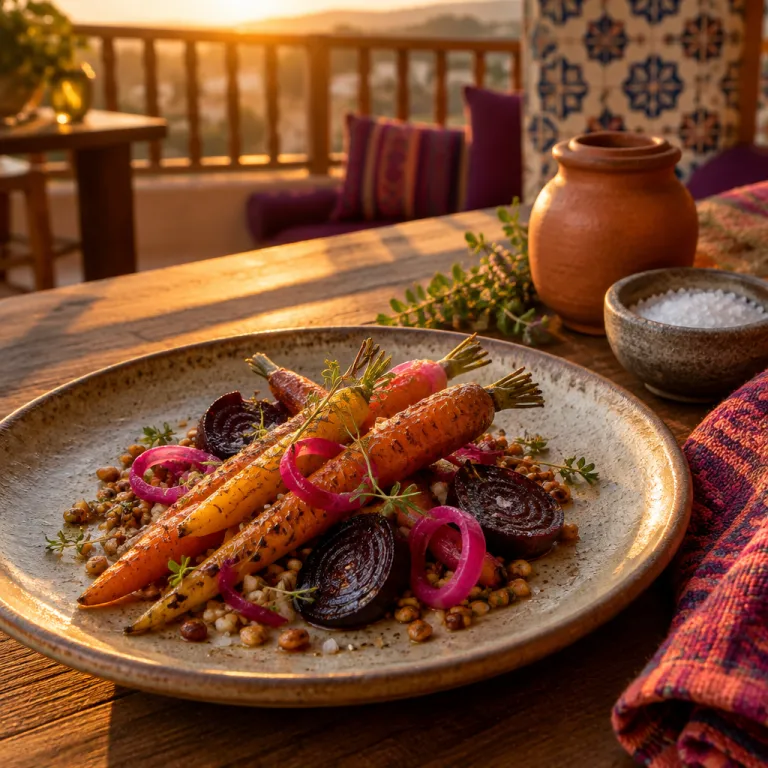
Why regional culinary heritage is reshaping hotel restaurant trends
Hotel restaurant trends are shifting away from anonymous global fusion toward rooted regional stories. In the hospitality industry, the properties that lean into local culinary heritage are the ones turning a hotel restaurant from an amenity into a stand-alone destination that drives revenue and repeat guests. This shift is not about nostalgia; it is about using heritage food and beverage offerings to create differentiated guest experiences that competitors cannot easily copy.
For many travelers, the restaurant is now the primary lens through which they judge a hotel experience. When hospitality businesses default to the international buffet, they flatten guest experiences and make it impossible for guests to feel recognized as curious consumers who want to understand where they are staying. The most resilient hotel restaurants instead use regional food, beverage offerings and design to stage immersive experiences that make guests feel they are eating in this place, not just in another generic property of the same hotel brand.
Across the hospitality industry, guest satisfaction surveys and CRM data consistently show that authentic culinary narratives correlate with higher loyalty and stronger ancillary revenue. For example, Marriott’s “Eat Local” initiatives and Hyatt’s focus on regionally led concepts have both reported uplifts in restaurant spend and intent to return after introducing heritage-driven menus. These insights are now shaping capital allocation, as owners see that a focused heritage concept can lift total hotel revenue per available room and extend the customer journey beyond the room into the bar, lobby and terrace.
Choosing the right heritage angle for your hotel and your guests
Not every hotel can or should run a purist regional concept, but every hotel restaurant can anchor its menu in a clear culinary point of view. The starting point is data: analyze guest profiles, booking patterns and market insights to understand which travelers you serve and which food experiences they are actually seeking. A luxury resort with long-stay guests will make different choices from an urban midscale hotel that relies on neighborhood traffic and pre-theater covers.
Map your customer journey from pre-arrival emails to post-stay feedback and identify where food and beverage offerings can signal heritage without overwhelming less adventurous consumers. In many hotel restaurants, a focused breakfast program built around regional bakery, dairy and condiments does more for guest satisfaction than a sprawling buffet that tries to please everyone. For city properties, a tight à la carte menu that highlights two or three regional hero dishes can become the hook that turns the hotel restaurant into a neighborhood magnet and supports a strategy of turning the hotel restaurant into a local favorite before peak season.
Kitchen capability and supply chain resilience must shape which heritage angle you choose, because no concept survives if the team cannot execute consistently well. Assess whether your brigade can master the techniques, mise en place and service choreography that authentic regional food requires, from slow braises to live-fire grilling or precise pastry work. The most successful hotel restaurant trends respect operational reality; they select a heritage focus that fits the hotel, the guests and the local supply chain rather than chasing every passing industry trend.
From storytelling to ROI: measuring what heritage menus really deliver
Regional culinary heritage feels romantic, but for a hotel general manager the question is always what it does to revenue, loyalty and margin. To move beyond anecdotes, you need clean data on guest experience, guest satisfaction and spend per cover before and after a menu pivot toward heritage. That means tracking performance by segment, from corporate travelers to leisure guests, and linking those insights to both restaurant P&L and overall hotel performance.
Build a simple KPI set that connects heritage-driven guest experiences to measurable outcomes along the customer journey. Track metrics such as:
- Average check and gross margin by daypart
- Attachment rate of local beverage offerings and tasting flights
- Uptake of heritage-driven tasting menus or chef specials
- Share of non-resident guests in total covers and repeat-visit rate
- Outlet revenue per available room and impact on total RevPAR
- Guest satisfaction scores and review sentiment mentioning authenticity or sense of place
A structured framework such as an ROI model for experiential dining in hotel F&B helps hospitality businesses understand which immersive experiences genuinely move the needle and which are just décor. At the Fogo Island Inn in Canada, for instance, a menu built around North Atlantic cod, foraged berries and traditional breads has helped turn a remote property into a culinary destination, with restaurant demand that supports premium pricing and extended stays. Similarly, a coastal resort in central Vietnam that replaced a generic grill with a regional seafood concept centered on local boats and nước chấm variations reported double-digit growth in restaurant revenue per available room within the first year.
Artificial intelligence can support this analysis by mining guest data and unstructured feedback for patterns in how guests feel about new heritage dishes, service rituals and design changes. When survey respondents repeatedly mention that they feel recognized because a server explained the provenance of a regional ingredient, you have qualitative proof that the concept is working. Over time, these insights allow you to refine the balance between authenticity and accessibility, ensuring that trends driving your menu evolution continue to align with both guest expectations and hard financial results.
Sourcing, training and execution: making heritage credible on the plate
Authentic regional food is not a garnish strategy; it is a supply chain and training commitment that touches every part of the hospitality business. Once a hotel chooses its heritage angle, the F&B team must secure specialist suppliers who can guarantee consistent quality of key ingredients, from heritage grains to regional cheeses and spirits. Without that backbone, even the best design and menu copy will not prevent guests from feeling that the restaurant is faking it.
Training is where many hotel restaurants fail, because they underestimate the craft required to deliver heritage dishes at scale while maintaining guest satisfaction. Chefs de cuisine need to break down complex preparations into repeatable systems that line cooks can execute during a busy service, while still leaving room for the kind of table-side touches that make guests feel recognized and valued. Service teams must be coached not only on the food itself but also on how to translate heritage into simple, engaging stories that fit naturally into the guest experience without slowing the pace.
For luxury properties, immersive experiences such as chef counter tastings, regional bread services or spirits flights can turn heritage into theater and justify higher price points. These experiences work best when they are tightly scripted, with clear talking points based on real data and insights about what different consumers want to hear. When guests leave saying they now understand why a particular dish matters to the region, you know that your hotel restaurant is no longer just feeding travelers; it is acting as an ambassador for local culture.
Designing spaces and beverage programs that express place
Menu changes alone rarely shift hotel restaurant trends; the room, the bar and even the breakfast buffet layout must also speak the language of place. Thoughtful design choices, from materials to lighting to how the open kitchen frames the action, help guests feel that the entire hospitality experience is anchored in a specific region. When guests feel this coherence, they are more likely to extend their stay in the bar, explore more beverage offerings and share their experiences with other travelers.
Beverage programs are a powerful but often underused lever for expressing heritage in hotel restaurants. A bar that builds its list around regional spirits, fortified wines or teas can create immersive experiences that complement the food and lengthen the customer journey from aperitif to nightcap. For teams looking to structure such offers, a detailed playbook for launching a hotel cocktail tasting experience with a clear margin blueprint can help align creativity with profitability.
Across the hospitality industry, the properties that integrate heritage into both design and programming are setting the industry trends that others now follow. They use guest data and operational insights to refine everything from minibar curation to lobby snacks, ensuring that even small food and beverage touchpoints reinforce the same story. Over time, this consistency builds loyalty, as guests come to associate the hotel not just with a comfortable bed but with a set of guest experiences that feel inseparable from the destination itself.
FAQ
How can a midscale hotel start integrating regional heritage without a full concept overhaul?
A midscale hotel can begin with focused moves in breakfast, bar snacks and one or two signature dishes that reflect local food traditions. Use guest data and simple survey feedback to identify which flavors resonate, then phase in more heritage items as guest satisfaction and revenue improve. This approach lets the team test hotel restaurant trends in a controlled way while protecting existing loyal guests.
What role should artificial intelligence play in shaping heritage driven menus?
Artificial intelligence is most useful for analyzing large volumes of guest data, reviews and operational information to spot patterns that humans might miss. It can highlight which dishes drive repeat visits, which immersive experiences generate the highest check averages and where guests feel friction in the customer journey. The final creative decisions should still rest with chefs and F&B leaders, who interpret these insights within the realities of supply chain, labor and brand positioning.
How do I avoid cultural appropriation when using global flavors in a hotel restaurant?
Start by choosing cuisines that have a clear connection to your location, ownership, team or guest mix, then invest in proper training and supplier relationships. Credit the origins of dishes on the menu, respect traditional techniques and avoid using heritage elements as mere décor or marketing hooks. When possible, collaborate with local cultural institutions or chefs to ensure that guests feel the restaurant treats the cuisine with seriousness and respect.
Can a strong regional concept work in an airport or transit hotel?
Yes, but the execution must respect time constraints and the specific needs of travelers who may have only 30 minutes to eat. Focus on a compact menu of high-impact dishes that travel well, can be produced quickly and still communicate a sense of place. Clear signage, smart design and efficient service help guests feel they are getting a real taste of the region without risking their connection.
What metrics best show whether a heritage concept is succeeding?
Track a mix of quantitative and qualitative indicators, including average check, outlet revenue per available room, share of external guests, repeat visit rate and guest satisfaction scores that mention food, drink and sense of place. Monitor online reviews and direct feedback for language about authenticity, local flavor and how guests feel recognized by the concept. When these data points move in the right direction while maintaining healthy margins, you have evidence that heritage is functioning as a true hotel dining signature.