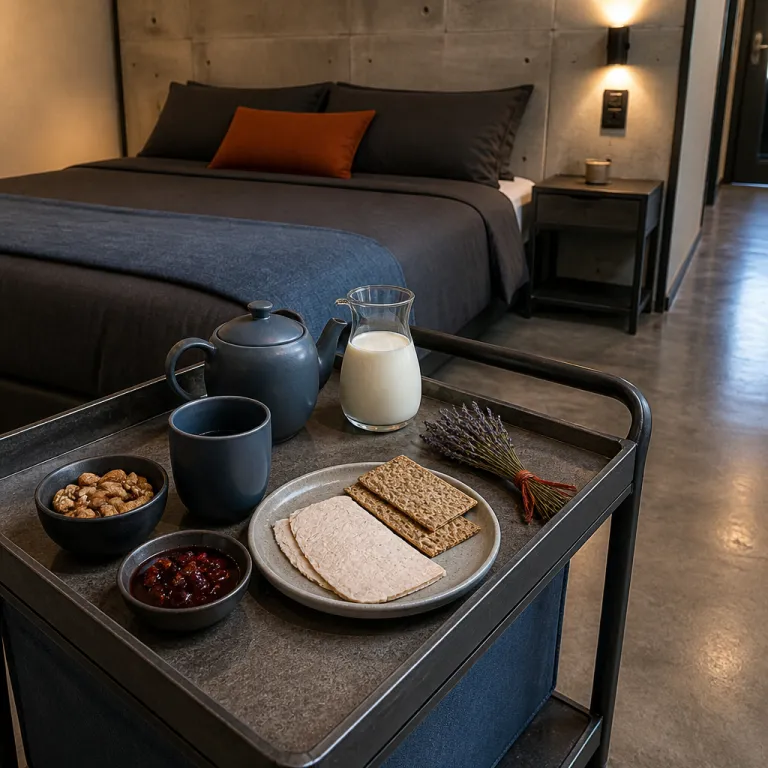
Why sleep-friendly hotel food is the next F&B profit center
Most hotel F&B management teams obsess over mattresses and blackout curtains while ignoring the food that quietly sabotages sleep. For a general manager responsible for full P&L, this is a missed operations management lever, because late night hotel food and beverage can either calm the nervous system or keep a business guest awake until two in the morning. Treating sleep friendly room service as a core part of hotel F&B management turns a cost center into a loyalty engine that restaurant operations and bar teams can execute with existing skills.
In many properties, the typical hotel restaurant menu after 22:00 still pushes burgers, fries, heavy sauces and high sugar desserts. Those items may please a tired customer in the moment, yet they undermine the guest experience when that same guest lies awake with indigestion and then blames the hotel, not the restaurant, for a poor night’s rest. Smart managers in the hospitality industry now read guest reviews line by line and see that sleep quality, not just service touchpoints, drives rebooking and corporate rate negotiations.
From a management perspective, sleep oriented food and beverage strategy is low risk and high margin. You do not need a new restaurant concept or a celebrity chef; you need a focused F&B operations playbook that aligns menu engineering, beverage services and cost control with what sleep science already tells us about nutrition and circadian rhythms. When operations managers and every F&B manager frame this as a wellness upgrade rather than a restriction, teams embrace it because it simplifies jobs, stabilizes food cost and elevates the perceived value of the hotel F&B offer.
The science of sleep-supportive food and beverage in hotels
For hotel F&B management to treat sleep as a design parameter, directors must understand the basic physiology behind night time food and beverage choices. Tryptophan rich proteins such as turkey, eggs and some dairy support melatonin production, while magnesium from nuts, seeds and leafy greens helps relax muscles and the nervous system for a calmer guest experience. Complex carbohydrates from whole grains assist tryptophan uptake, which means the right combination of hotel food on a late night tray can genuinely improve how quickly guests fall asleep, as shown in controlled trials where higher tryptophan intake shortened sleep onset latency (for example, a randomized crossover study by Afaghi et al. in the American Journal of Clinical Nutrition, 2007).
On the negative side, caffeine, high sugar desserts and heavy saturated fats delay gastric emptying and spike blood glucose, which fragments sleep cycles. Caffeine has a biological half life of roughly five to seven hours in most adults, as summarized in reviews such as Institute of Medicine’s Caffeine for the Sustainment of Mental Task Performance (2001), so a 20:00 espresso can still be active well past midnight, while high glycemic snacks increase nighttime awakenings in clinical sleep studies. When a hospitality restaurant still promotes espresso martinis, chocolate lava cake and double cheeseburgers as the default late night restaurant service, the hotel is effectively programming wakefulness into its operations. For a general manager, this is not just a nutrition issue; it is a customer service and reputation management issue that shows up in Net Promoter Score, Booking ratings and corporate RFP outcomes.
F&B managers should work with a nutritionist or a well briefed executive chef to map existing menus against these sleep principles. That exercise usually reveals that many restaurants already stock the right food and beverage components but assemble them into sleep hostile combinations. A parallel review of beverage operations often shows similar patterns, where herbal teas and tart cherry juice, which has been linked in small randomized trials to modest improvements in sleep duration and efficiency (for instance, Pigeon et al., Journal of Medicinal Food, 2010, and Howatson et al., European Journal of Nutrition, 2012), sit in the storeroom while sugary sodas and high caffeine drinks dominate beverage services, even though a simple pivot could support wellness and reduce waste, as explored in this analysis of hotel food recovery becoming an operational standard on hotel food recovery practices.
Designing the evening menu for rest, wellness and margin
Translating science into hotel F&B management reality starts with a disciplined menu engineering session focused on sleep friendly patterns. Build a compact night menu where every food and beverage item earns its place by supporting rest, from light proteins with whole grains to herbal infusions and low sugar options that respect circadian rhythms. This is not about creating a separate wellness restaurant; it is about curating a targeted list that room service, lobby bars and even grab and go outlets can execute consistently with existing teams.
Prioritize dishes built around grilled or poached fish, eggs, tofu or small portions of poultry paired with brown rice, quinoa or whole grain bread. Add sides such as steamed vegetables, leafy salads with magnesium rich seeds and small portions of fermented dairy, while removing heavy cream sauces, deep fried items and oversized desserts from the late night window. For beverage services, push chamomile, lemon balm and peppermint teas, warm milk variations, tart cherry based drinks and low sugar mocktails, while clearly flagging caffeine free choices on the menu so a tired customer does not need to think twice. A simple sample late night sleep menu might include a grilled salmon and quinoa bowl, a turkey and hummus whole grain wrap, a tofu and vegetable stir fry with brown rice, a small yogurt with seeds and berries, and a beverage list limited to herbal teas, warm milk and one or two low sugar juices.
To make this concrete, consider a grilled salmon and quinoa bowl with steamed greens and an herbal tea. If the raw ingredient cost for salmon, grains, vegetables and tea averages 6.50 in local currency and the selling price is 19.50, the gross margin is around 67 percent. A typical club sandwich with fries and a soda might carry a food and beverage cost of 7.80 and sell for 18.50, yielding roughly 58 percent margin. Even allowing for regional variation, this kind of side by side comparison helps F&B managers demonstrate that sleep supportive dishes can outperform legacy comfort items on profitability as well as guest satisfaction.
Pricing, cost control and the business case for sleep menus
From a finance lens, sleep friendly hotel food is a rare case where guest experience improves while cost control tightens. Most of these dishes rely on simple preparations, minimal transformation and lower cost proteins, which means gross margin on each plate can exceed that of traditional burgers or steaks, even at a slightly lower selling price. When managers position these items as part of a wellness journey, they can also justify a premium over standard room service, especially for business travelers on expense accounts.
In practice, a grilled salmon with quinoa, steamed greens and an herbal tea often carries a lower raw food cost than a club sandwich with fries and a soda. Labor in restaurant operations also benefits, because mise en place is simpler, cooking times are shorter and plating is more standardized, which reduces errors and speeds up service during late shifts. For operations managers and every F&B manager, this translates into better use of full time and part time labor, fewer overtime spikes and more predictable purchasing patterns across restaurants and bars. In one city business hotel that introduced a four item sleep menu, late night average check rose by 8 percent while kitchen labor hours after 22:00 fell by 12 percent over three months, and guest comments mentioning “good sleep” increased noticeably in post stay surveys; these figures are illustrative but reflect patterns reported in internal benchmarking by several international chains.
Revenue management and F&B management teams should collaborate on pricing ladders that clearly segment wellness oriented items. Bundle a sleep friendly main, a beverage and perhaps a small functional dessert into a “rest and recharge” package with a modest premium, and test uptake against traditional à la carte orders. For example, if à la carte mains sit at 18 to 22 in local currency and beverages at 5 to 7, a bundled sleep menu at 26 to 28 can feel like value while still protecting margin. The same logic can extend to private dining and in suite experiences, where a curated, sleep focused menu delivered by a private chef can command significant rates, as shown in this analysis of what you really pay for when you bring a private chef into your hotel or residence on private chef economics.
Marketing, loyalty and the role of hotel F&B management
Once the menu is in place, the real work of hotel F&B management is to weave it into the hotel’s wellness narrative. A general manager should ensure that sales, marketing and operations speak the same language about sleep, positioning the hotel restaurant, bar and room service as allies in rest rather than temptations that derail it. That story belongs on the website, in pre arrival emails, in room collateral and in conversations between front office teams and frequent guests.
For business travelers, the promise is simple; this hotel will help you arrive rested at your morning meeting, not just provide a bed and a late check out. When a guest can order a thoughtfully designed sleep menu at 22:30, enjoy calm beverage services and then wake up genuinely refreshed, the perceived value of the stay rises sharply. Over time, that translates into higher rebooking rates, stronger corporate account retention and more positive word of mouth, which are all measurable outcomes that justify the management effort. A midscale airport hotel that piloted a sleep focused late night offer saw repeat corporate bookings rise by around 6 percent year on year, while review scores mentioning “quiet” and “restful” increased in parallel; again, these figures are indicative rather than tied to a single published case study, but they mirror trends many revenue leaders now track.
To make this stick, F&B managers and beverage managers must train teams on the why, not just the what, and embed that training into a simple checklist. In practice, that means four recurring steps: first, a quarterly menu engineering review that scores each late night item on sleep impact, margin and prep time; second, short, scenario based briefings for cooks and servers on how to present sleep supportive choices without pressure; third, clear KPIs such as mix of sales for sleep friendly dishes, average check, guest comments about rest and repeat booking rates; and fourth, regular feedback loops where results are shared in pre shift meetings and successful upsell behaviors are recognized. When operations managers track guest comments, upsell rates and repeat orders for these items, they can refine the offer and prove that a sleep friendly guest experience is not a marketing slogan but a durable competitive advantage for hotel F&B.
People, skills and daily operations behind sleep-friendly service
No sleep oriented strategy survives contact with reality unless it is embedded in daily operations and jobs. That means rewriting task lists, prep sheets and handovers so that night teams in the hotel restaurant, bar and room service know exactly which food and beverage items to prioritize and how to talk about them. For a general manager, this is where hotel F&B management shifts from concept to culture, because every F&B manager and supervisor must model the behavior.
Training should focus on practical skills rather than abstract wellness theory. Teach cooks how to execute the new dishes consistently in less time than legacy items, and show servers how to frame them as smart choices for guests who have an early flight or an important presentation. In many properties, the same full time night team handles both restaurant operations and in room dining, so simplifying the menu actually reduces stress and errors while improving the guest experience.
Finally, align incentives and recognition with the new priorities. Track how often guests choose sleep friendly options, how they rate their stay and whether they return, then share those data with teams so they see the impact of their work on loyalty and revenue. When managers treat this as a core part of operations management, not a side project, sleep supportive food and beverage operations become a signature of the brand and a quiet reason why guests pick this hotel over the one across the street.
FAQ
How can I start a sleep-friendly menu without redesigning my whole restaurant?
Begin by auditing your existing menu and identifying dishes that are already light, low in sugar and built around lean proteins and whole grains. With minor adjustments to garnishes, sauces and portion sizes, most hotels can assemble a compact sleep friendly section for room service and late night service without changing the core restaurant concept. Train teams to highlight these options after 21:30 and monitor guest feedback before expanding further, using simple KPIs such as mix of sales, guest comments about sleep and late night average check.
Which beverages are best for supporting guest sleep in a hotel context?
Herbal teas such as chamomile, lemon balm and peppermint are reliable choices, as are warm milk based drinks and tart cherry beverages with limited added sugar. These options fit easily into existing beverage operations and require minimal new stock keeping units. Make them highly visible on late night menus and instruct servers to mention them when guests order coffee or caffeinated soft drinks after dinner, reminding staff that caffeine consumed within six hours of bedtime is more likely to disturb sleep according to sleep medicine guidelines.
Will a sleep-focused room service menu hurt late-night revenue?
Most hotels that shift toward lighter, wellness oriented items see stable or higher average checks, because guests are willing to pay a small premium for food that helps them feel better. Food cost often decreases thanks to simpler preparations and cheaper proteins, which protects margin even if volume stays flat. The real upside appears in loyalty metrics, as better sleep leads to higher satisfaction scores and more repeat bookings, which in turn support stronger corporate rate negotiations and group business.
How do I measure the impact of sleep-friendly F&B on loyalty?
Combine operational data such as sales mix for sleep friendly items with guest feedback from surveys, review platforms and corporate travel managers. Look for correlations between uptake of these dishes and improvements in sleep related comments, overall satisfaction and intent to return. Over several months, this evidence base will help justify further investment and refine the offer, especially when you can show that guests who order from the sleep menu are more likely to rate their stay nine or ten out of ten.
Do I need a nutritionist to design a sleep-supportive menu?
Working with a nutritionist or dietitian is ideal, especially for larger groups that want a standardized approach across multiple hotels. Smaller independent properties can start with established guidelines on caffeine, sugar, fats and portion sizes, then iterate based on guest feedback and operational feasibility. In both cases, collaboration between the executive chef, F&B managers and the general manager is essential to balance wellness goals with brand positioning and profitability, and to ensure that sleep supportive dishes remain practical for busy night shifts.