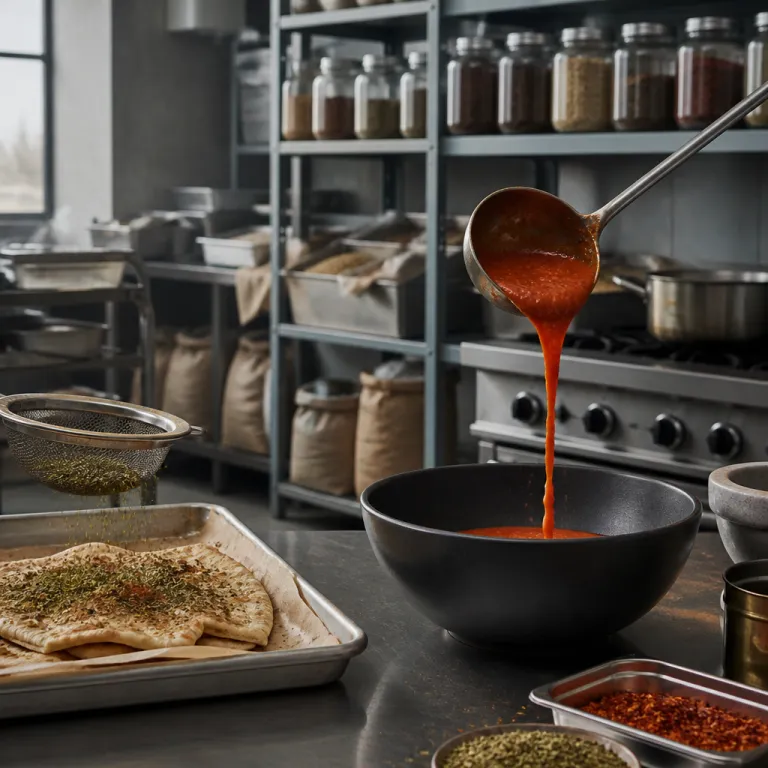
How Middle Eastern flavors are quietly redefining hotel restaurant trends
Hotel restaurant trends are shifting from occasional themed nights to embedded flavor strategies. Middle Eastern and North African ingredients now sit beside olive oil and soy sauce in many hotel kitchens, changing how chefs think about food and beverage programming. This is not a niche experiment in one hotel restaurant, but a structural pantry shift across brands and independent hotels that track data and guest experience with discipline.
For a general manager watching the full customer journey, these flavors solve several problems at once. Za’atar, harissa, sumac, tahini, and preserved lemons deliver high perceived value, strong aroma, and visual impact while keeping food cost per plate under tight control in both a single restaurant and multi outlet hotel f&b environment. They also align with industry trends around plant forward eating, flexible diets, and the need for hotel food that works across experiences channels from breakfast to late night room service.
Guests want personalization without complexity, and Middle Eastern flavors offer exactly that. A base of grilled vegetables, grains, or lean proteins can be finished in real time with a harissa yogurt, a tahini drizzle, or a sprinkle of za’atar, letting guests feel recognized without blowing up mise en place or labor. For hotel management teams, this approach supports cross channel consistency, so the same food beverage language appears in the lobby bar, the signature restaurant, and casual hotel restaurants, reinforcing brand loyalty and a coherent hospitality narrative.
Why MENA flavors work for hotel f&b economics and guest experience
From a P&L perspective, Middle Eastern ingredients are a gift to the hospitality industry. Dried spice blends like za’atar and ground sumac have long shelf lives, low storage costs, and minimal waste, yet they transform basic hotel food such as roast chicken, eggs, or grilled vegetables into something that feels crafted. That combination of low ingredient cost and high sensory impact is rare in the restaurant industry and explains why these flavors sit at the center of many trends driving hotel restaurant innovation.
They also fit how today guests eat across dayparts in hotels. Labneh, hummus, and olive oil with za’atar work at breakfast, as bar snacks with a beverage pairing, and as part of a late night room service tray, which means one prep block can feed multiple channels and reduce overtime. When you add harissa to condiments, you suddenly have a signature burger sauce in the casual restaurant, a marinade for banqueting chicken, and a base for a Bloody Mary riff at the rooftop bar, all aligned with broader hotel restaurant trends around global flavor storytelling.
Dietary inclusivity is another reason these flavors are reshaping hospitality. Many Middle Eastern staples are naturally vegetarian, often vegan, and frequently gluten free, which lets a hotel or resort serve mixed tables of guests without building separate menus that fragment the operation. For the guest experience, that means fewer awkward substitutions and more confident ordering, while for hotel management it means better table turns, cleaner data guest analysis, and a stronger brand position in competitive hospitality markets where guests feel choice fatigue.
Breakfast, bar, and room service: where the pantry shift pays off
The most profitable hotel restaurant trends rarely start with a new signature restaurant; they start with breakfast and the bar. At breakfast, a simple move from generic spreads to a Middle Eastern inspired station can change both review scores and check averages, as seen in properties that add labneh with olive oil and za’atar, hummus, and warm flatbreads beside the usual pastries. That kind of hotel f&b adjustment also aligns with the booking power of the morning meal, as detailed in analyses of the hotel breakfast as a booking differentiator.
Bar programs are another high margin arena where Middle Eastern ingredients quietly reshape hospitality industry playbooks. A sumac salt rim on a margarita, a dash of rose water in a gin highball, or a preserved lemon garnish in a spritz can become signature markers that guests share across social channels, effectively turning the bar into a marketing engine for the hotel brand. For rooftop and poolside venues, these flavors integrate naturally with the kind of global, sun friendly menus that already drive revenue per square metre, as explored in strategies for engineering the summer hotel bar for maximum revenue.
Room service is where the pantry shift can radically improve both margin and guest satisfaction. A compact menu built around mezze style food beverage combinations — think grilled chicken with harissa, grain salads with preserved lemon, and crudités with hummus — travels well, holds temperature, and keeps labor predictable across time bands. This approach mirrors the logic behind room service menu optimization, where a smaller, smarter offer can drive higher loyalty, better reviews, and a more coherent customer journey from booking to checkout.
Operationalizing the pantry shift: sourcing, training, and cross channel design
Turning Middle Eastern flavors into a durable hotel restaurant strategy starts with sourcing. Hotel chefs and purchasing teams need reliable food suppliers who can deliver za’atar, harissa, and sumac at volume without quality drift, because stale spices will undermine both flavor and guest trust. Growth data such as the 93 % increase in za’atar new product introductions and the 74 % rise in harissa menu appearances show that supply is expanding, but hotel management still must vet blends carefully to protect the brand.
Collaboration with local spice vendors and regional distributors helps hotels secure consistent quality while keeping costs aligned with f&b targets. Many successful hotels treat these ingredients as pantry staples rather than specialty imports, integrating them into standard purchasing lists and recipe costing tools so that data on usage, waste, and margin flows through existing channels. That cross channel visibility lets revenue leaders see how a single harissa batch supports the lobby restaurant, banquets, and in room dining, which is essential for understanding trends driving profitability in complex hospitality operations.
Training is the other pillar of this pantry shift, because technique matters as much as sourcing. Kitchen équipes must learn fundamentals such as blooming spices in fat, balancing acidity with sumac or preserved lemon, and emulsifying tahini so it does not split on the pass, all while maintaining speed during peak service time. When line cooks understand why “What is za'atar?” and “How is harissa used in cooking?” matter to guests, and when they hear directly that “Why are Middle Eastern ingredients trending? Due to consumer interest in bold, global flavors.”, they can execute with more confidence and help guests feel the restaurant industry’s evolution in every bite.
Positioning MENA flavors within wider global industry trends
Middle Eastern ingredients are part of a broader wave of global flavors reshaping hotel restaurant trends. Southeast Asian staples like fish sauce and lemongrass, Japanese elements such as miso and yuzu, and Latin American signatures like aji amarillo and chimichurri now share the same shelves as harissa and tahini in many hotel kitchens. For hotel restaurants that want to stay ahead of industry trends, the question is not whether to use these ingredients, but how to structure them into a coherent brand narrative that supports loyalty and repeat business.
One effective approach is to define a clear flavor point of view for each hotel restaurant while keeping a shared pantry across outlets. A rooftop bar might lean into Levantine mezze and Middle Eastern spice in cocktails, while the lobby restaurant uses the same pantry to create globally inflected comfort food that appeals to both hotel guests and local regulars. This cross channel strategy keeps inventory tight, simplifies training, and ensures that data guest insights about preferences in one outlet can inform menu engineering in another, strengthening the overall hospitality ecosystem.
Digital touchpoints are the final piece of the puzzle, because they shape how guests experience these flavors before they even taste them. Menu photos, concise dish descriptions, and smart use of marketing channels such as email and in app messaging can highlight how hotel food has evolved, turning curiosity into bookings and covers. When a hotel or resort uses real time feedback, tracks which dishes drive engagement, and adjusts offers so guests feel recognized across the entire customer journey, Middle Eastern flavors become more than a trend driving novelty — they become a durable asset in modern hospitality.
FAQ
What is za’atar and why is it useful in hotels ?
Za’atar is a Middle Eastern spice blend of thyme, oregano, sumac, and sesame seeds, and it is extremely versatile in hotel kitchens. It can season eggs at breakfast, flatbreads in the lobby restaurant, and grilled meats in banqueting, all from the same low cost pantry item. That flexibility supports both guest experience and f&b margins across multiple outlets.
How is harissa used in hotel food and beverage programs ?
Harissa is a chili paste used in marinades, sauces, and spreads, and it adapts well to hotel restaurant operations. Chefs use it to flavor chicken for banquets, to enrich burger sauces in casual outlets, and to create spicy dips for bar snacks. Because a small amount delivers strong flavor, it helps control food cost while keeping menus exciting for guests.
Why are Middle Eastern ingredients trending in the hospitality industry ?
Middle Eastern ingredients are trending because guests seek bold, global flavors that still feel approachable and healthy. Many of these foods are naturally plant forward and work for multiple dietary needs, which simplifies menu design in hotels serving diverse international travelers. At the same time, they align with global industry trends that favor authentic regional cuisines over generic fusion.
How can hotel management train teams on MENA techniques without disrupting service ?
Hotel management can integrate short, focused training sessions on spice blooming, tahini emulsification, and flavor balancing into existing pre service briefings. Starting with a few hero dishes in each restaurant keeps the learning curve manageable while still signaling change to guests. Over time, cross training across outlets builds a shared skill base that supports consistent execution and better guest experience.
What supply chain issues should hotels watch when sourcing za’atar and harissa ?
Hotels should verify the freshness and composition of za’atar blends, since low quality substitutes can lack sumac or rely on excessive salt. For harissa, consistency of heat level and texture is critical, especially when multiple restaurants share the same base for sauces and marinades. Working with trusted food suppliers and periodically tasting batches against a reference standard helps protect both flavor and brand reputation.