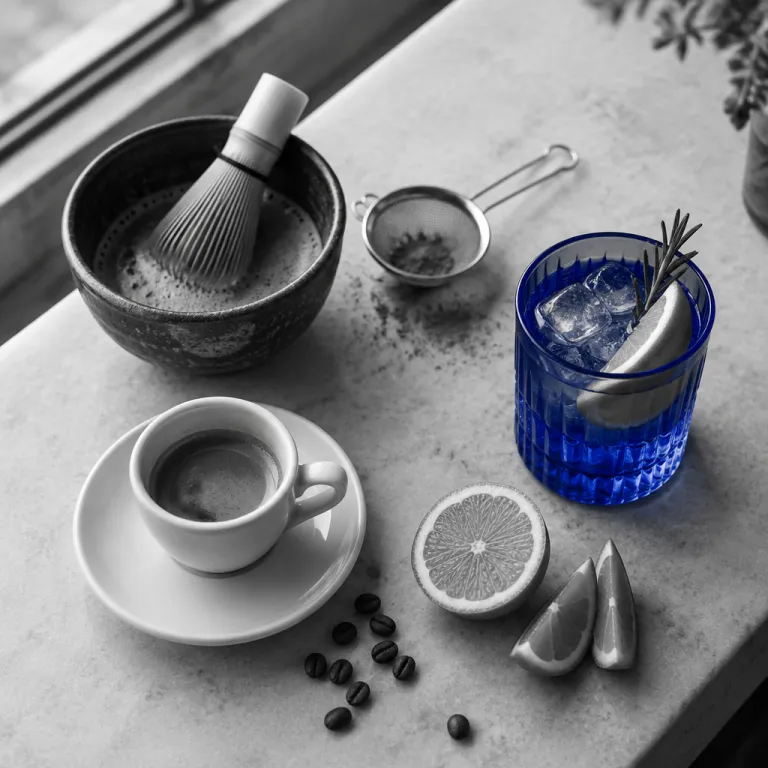
Reframing hotel bar concepts as all day revenue engines
The typical hotel bar earns nothing for half the day, while fixed occupancy costs keep running quietly in the background. For revenue leaders, the only rational response is to treat hotel bar concepts as all day assets, with a coffee, matcha, and no proof aperitivo program that monetizes every hour from 7:00 to 19:00. When you frame the bar as a piece of revenue generating real estate rather than a night only amenity, the conversation about bar design, staffing, and pricing changes completely.
Most hotel bars were built for late night cocktails, not for laptop users who arrive at 9:30 with a specialty drink order and stay for two hours. Yet the same square metres can host a morning café crowd, an afternoon daycap economy, and an early evening low ABV aperitivo if the design bar layout, menu engineering, and service choreography support multiple dayparts. That is where modern hotel bar concepts must evolve, because the non alcoholic beverage market growth of roughly 20–22 % year over year reported by sources such as NielsenIQ1 is not a side trend but a structural shift in guest behaviour.
Think of the bar as a flexible interior hub inside the hotel, where guests and locals explore touch points with the brand from sunrise to pre dinner. In a luxury hotel lobby, that means aligning bar design with the grab and go strategy already reshaping lobby concepts, as analysed in this hotel grab and go market benchmark. For independent bars inside lifestyle hotels, the opportunity is to select touch friendly layouts, where device users can work comfortably, users explore a clear drink offer, and the same counter supports espresso shots at 8:00 and no proof aperitivo flights at 18:00.
Designing the daypart ladder: from coffee to no proof aperitivo
A profitable daytime strategy starts with a clear ABV ladder that guides guests from coffee to matcha to low or no proof aperitivo, without confusing the bar team. In practice, that means a dedicated day menu where hotel bar concepts articulate three distinct but connected occasions: morning caffeine, afternoon functional drinks, and early evening aperitivo that feels like a bar ritual even when the drink is zero proof. This is where program design must be as rigorous as any tasting menu, because each daypart has different pour costs, speed expectations, and food attachment patterns.
Morning belongs to coffee and matcha, with a design bar layout that lets one bartender pull espresso shots while another handles grab and go pastries and simple breakfast plates. Here, device users need power outlets, comfortable interior seating, and a modern atmosphere that feels more like a specialty café than a dark hotel bar, so gestures hotel teams make around lighting, music, and scent matter as much as the beans. Afternoon then shifts to tea forward and functional drinks, where ideas luxury such as adaptogenic lattes, cold brew with botanicals, and lightly sparkling herbal spritzes can be priced closer to cocktails than to soft drinks, as long as the glassware and garnish signal value.
Early evening is the no proof aperitivo moment, when guests explore autocomplete style menus that suggest an ABV ladder from zero to low, and bar staff can explain clearly what a no proof aperitivo is. Here you can quote the operational playbook directly: “A bitter or herbal drink styled like an aperitivo with zero alcohol.” Matcha still plays a role as a base for spritz style drinks, and this is where a functional nutrition positioning, as analysed in this longevity menu and functional beverage strategy, can differentiate a luxury hotel bar from the generic lobby lounge down the street.
Bar design, interior merchandising, and digital touch behaviour
Once the daypart ladder is clear, bar design and interior merchandising must support it with the same discipline you apply to room inventory. A modern hotel bar that aims to earn its footprint from morning to night needs a front bar that can visually pivot from espresso station to aperitivo counter, with refrigerated display for grab and go and back bar shelving that highlights both zero proof spirits and classic bottles. The goal is to let users explore the offer at a glance, whether they enter from the lobby or arrive from the street as local regulars.
Digital behaviour now shapes physical expectations, and the best hotel bar concepts quietly mirror the way device users navigate their phones. Guests are used to swipe gestures, autocomplete arrows, and tap to select touch patterns, so the menu layout should feel equally intuitive, with clear sections, simple arrows review style icons, and pricing that reads cleanly on a small screen. When you design bar menus for touch device reading, you reduce friction at the point of sale, because users explore options faster, enter select choices with confidence, and order a second drink more readily.
Think about how guests review enter their choices on mobile ordering systems, and translate that logic into the physical bar: clear categories, limited options, and strong hero items. Printed menus can echo explore autocomplete behaviour, where a guest starts with a base like coffee, tea, or tonic, then adds flavour, function, and ABV level in a guided flow. Training the équipe to read micro gestures hotel guests make at the counter — a phone placed face down, a laptop half closed, a glance at the back bar — helps staff time the next touch swipe of service, whether that is a refill, a food suggestion, or a discreet check drop.
As you refine the concept, remember that “Why include matcha? Popular non-caffeinated alternative with antioxidant appeal.” and “How to price daytime drinks? Price like cocktails not soft drinks to preserve perception and margins.” are not lifestyle slogans but operational guardrails. They anchor decisions on menu mix, pricing tiers, and the balance between speed and theatre at different hours of the day. Finally, “What is a no-proof aperitivo? A bitter or herbal drink styled like an aperitivo with zero alcohol.” should be printed in the training manual, because clarity on that definition keeps the guest experience consistent across shifts and locations.
Costing, pricing, and staffing for profitable daytime beverage
Turning daytime drinks into real profit starts with a hard look at pour cost, labour, and occupancy, not with a mood board. Fixed occupancy costs for a hotel F&B outlet often sit around the mid single digits as a percentage of sales, and when the bar is dark from 10:00 to 16:00 those euros per square metre are simply wasted. A daytime beverage program that treats coffee, matcha, and no proof aperitivo as premium experiences rather than cheap add ons can flip those dead hours into a margin positive shift.
On the cost side, espresso and matcha have low product cost but require investment in equipment and training, while zero proof spirits and functional ingredients carry higher unit costs but support cocktail level pricing. The key is to engineer recipes where the cost of goods sold stays under 20 to 22 % for coffee based drinks and under 25 % for no proof aperitivo serves, while maintaining a perceived value that justifies pricing close to alcoholic cocktails. That is why the dataset guidance that daytime drinks should be priced like cocktails, not soft drinks, is so critical for hotel bar concepts that aim to lift revenue per square metre rather than just add noise to the lobby.
Staffing must follow the same logic, with dual mode bar teams who can run a café style service in the morning and a classic bar service at night. Cross training reduces labour as a percentage of sales, because the same bartender can handle both espresso and spritz, and the same supervisor can manage both breakfast and aperitivo mise en place. For multi property groups, investing in recruiting the next generation of hotel F&B leaders who understand both beverage and commercial levers, as discussed in this analysis of the talent pipeline for hotel F&B leadership, is essential to scale these hotel bar concepts without diluting standards.
Metrics, local traffic, and the role of reviews
Once the program is live, revenue and commercial directors need a tight KPI set that reflects the new reality of all day hotel bars. At minimum, track covers by daypart, average check by drink category, food attachment rate, and the share of local versus in house guests using the bar between 8:00 and 18:00. When those données are segmented by day of week and by offer — coffee, matcha, functional drinks, no proof aperitivo — you can see clearly which ideas luxury resonate with locals and which are only appealing to transient guests.
Digital behaviour again matters, because device users leave a trail of feedback that shapes future demand. Encourage guests to review enter their experience on major platforms, and pay attention to how often words like coffee, matcha, non alcoholic, and aperitivo appear in the arrows review patterns across comments. A spike in positive mentions around the daytime offer is a leading indicator that your hotel bar concepts are working, while silence or confusion around the no proof aperitivo section suggests a need to refine naming, design, or staff explanations.
Finally, think of the bar as a local third place as much as a hotel amenity, and design bar programming that gives neighbours reasons to enter select your venue over the café across the street. Host small format tastings of zero proof spirits, partner with local roasters for limited edition beans, and use explore touch points like seasonal matcha drinks to keep the menu fresh without overcomplicating operations. When users explore the space throughout the day, using swipe gestures on their phones to pay, autocomplete arrows in your booking widgets to reserve seats, and touch device interfaces to order a second drink, you know the bar has become an integrated part of both the hotel and the neighbourhood economy.
FAQ
What is a no proof aperitivo in a hotel bar context ?
A no proof aperitivo in a hotel bar is a bitter or herbal drink styled like a classic Italian aperitivo but containing zero alcohol. It uses ingredients such as non alcoholic spirits, vermouth alternatives, and tonic or soda to create complexity and bitterness. The goal is to deliver the same pre dinner ritual and perceived sophistication as a cocktail, while serving guests who prefer moderation.
How should we price daytime coffee, matcha, and functional drinks ?
Daytime drinks in hotel bar concepts should be priced closer to cocktails than to standard soft drinks, especially when they use premium beans, matcha, or zero proof spirits. Operators typically target a cost of goods sold under 25 % for these beverages, which supports healthy margins even during traditionally low revenue hours. Transparent pricing tiers by category help guests understand value while protecting the brand’s luxury positioning.
Why include matcha alongside coffee in a daytime bar program ?
Matcha expands the addressable market beyond traditional coffee drinkers and appeals strongly to wellness oriented guests. It offers a different caffeine profile and an antioxidant narrative that fits well with functional beverage positioning in modern hotel bars. Including both coffee and matcha also allows the bar to create layered menus that move from hot drinks in the morning to iced and sparkling formats later in the day.
Which metrics best show whether a daytime bar program is working ?
The most useful metrics are covers by daypart, average check per guest, food attachment rate, and the share of local versus in house clientele. Tracking repeat visits from locals over several months shows whether the bar has become a true neighbourhood destination rather than a one time curiosity. Layering in review analysis around keywords such as coffee, matcha, and non alcoholic helps connect operational changes to guest perception.
How can bar design support both daytime and evening service without major renovation ?
Flexible bar design focuses on lighting, signage, merchandising, and small equipment rather than structural changes. Simple moves such as adjustable lighting scenes, modular back bar displays, and mobile pastry or bottle carts allow the same counter to shift from café mode to aperitivo mode quickly. Investing in power outlets, comfortable seating, and clear wayfinding also makes the bar more attractive to daytime device users without compromising its evening atmosphere.
1 Growth figures are indicative and based on publicly reported non alcoholic beverage market data; operators should review the latest NielsenIQ or equivalent datasets for their region before finalising forecasts.