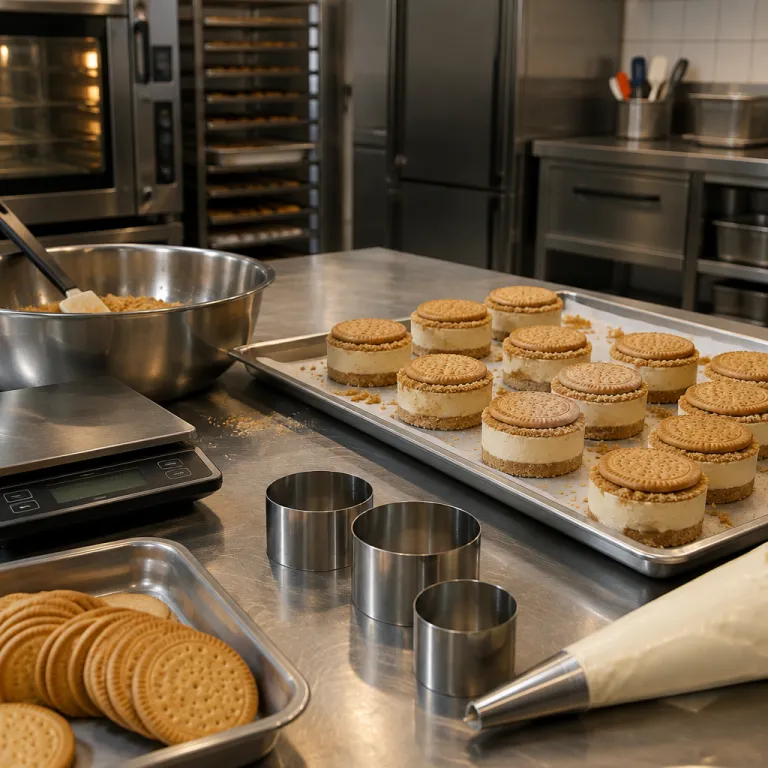
From royal tea biscuit to scalable hotel staple
Bolacha Maria began as a commemorative tea biscuit in England and quietly became a global hospitality workhorse. Created by Peek Freans bakery to honour Grand Duchess Maria Alexandrovna of Russia, this round biscuit was engineered with a neutral flavour that absorbs liquids and aromas over time. Today, its journey from royal table to buffet cart offers hotel F&B leaders a precise template for product innovation at scale.
For Directeurs F&B and chefs exécutifs, the appeal of bolacha Maria lies in its consistent structure and predictable behaviour in both hot coffee and cold dairy preparations. The single layer format, docking holes and patterned rim make each biscuit easy to portion, stack and plate in high volume environments. Compared with richer cookies or fragile cake bases, the wider Maria biscuit family delivers a rare balance of cost, stability and guest recognition.
The category now spans classic bolacha, whole grain variants and gluten free options, which allows groups hôteliers to segment products by outlet and price point. In Portugal and Spain, guests expect a simple maria biscuit with espresso at any neighbourhood coffee place, while in Latin America the same biscuits underpin layered desserts. For investors in restauration, this dual role as both snack and dessert component turns each bolacha Maria product into a low risk, high rotation asset within the broader portfolio of dry foods.
Engineering profitable portuguese dessert menus with bolo de bolacha
Within hotel pastry, bolo de bolacha has become the flagship portuguese dessert that showcases what bolacha Maria can do for margins and guest satisfaction. Built from layers of coffee soaked biscuits and buttercream or remaining icing from other preparations, this bolo bolacha transforms surplus product into a signature cake with strong emotional resonance for Portuguese and Brazilian guests. For a Directeur F&B, that means higher perceived value with a very controlled food cost per portion.
The classic version uses plain bolacha Maria or branded options such as Cuétara bolacha and Moacor bolacha, dipped quickly in strong coffee or rich tea to avoid structural collapse. Because each single layer of biscuits is identical in thickness, pastry teams can standardise recipes, calculate precise yield and adjust price add strategies for banqueting versus lobby bar service. In practice, a 24 centimetre biscuit cake ring can deliver 12 to 16 portions, allowing you to position the price at the top of your casual dessert range while still protecting margin.
As a concrete benchmark, a midscale Lisbon hotel reported a direct food cost of roughly €0.35 per slice for a 14-portion bolo de bolacha built with private label maria biscuits, coffee and repurposed buttercream, and an average selling price of €4.50 per portion, resulting in a gross margin above 90% before labour. Groups hôteliers that already work with industrial suppliers like Cuétara or Maria Oro can negotiate mixed pallets of marie biscuits and other biscuits to optimise logistics. Independent exploitants, by contrast, often rely on the local grocery store, where the shelf price of each product fluctuates more frequently and erodes predictability. For both profiles, integrating bolo de bolacha into a broader strategy of strategic profit drivers, alongside cured meats as shown in this analysis of hot coppa as a profit driver, helps anchor dessert menus in products with proven rotation and cross outlet versatility.
Designing cross outlet concepts around maria biscuits and marie biscuits
Once bolacha Maria is secured as a core pantry item, the next step is to design cross outlet concepts that reuse the same biscuit base in multiple formats. In an all day restaurant, marie biscuits can appear at breakfast as a simple tea biscuit, at lunch as a biscuit rich crumble over yoghurt and at dinner as a plated portuguese dessert. This multi moment approach increases the rotation of each product and reduces the risk of slow moving foods occupying valuable storage space.
Coffee driven outlets are particularly well suited to maria biscuits and maria cookies, because the neutral flavour amplifies the aroma of espresso and filter coffee without competing with it. A coffee place inside a hotel can offer a small plate of biscuit and rich tea assortments as an upsell next to the beverage, with a modest price add that still lifts average check. In banqueting, a single layer of crushed bolacha Maria can replace more expensive cake bases in verrines, while remaining icing from celebration cakes can be repurposed as a topping, reducing waste and labour time.
Suppliers such as Cuétara bolacha and Moacor bolacha already provide food service formats that simplify handling for large properties in Spain and Portugal. When combined with other shelf stable products like dry salami, which has been analysed as a strategic lever for modern hospitality menus, these biscuits help build a resilient pantry for high season peaks. For investors, the fact that maria biscuits, marie biscuit assortments and related cookies can move seamlessly between breakfast buffets, lobby bars and room service carts makes them a low complexity, high utility asset.
Brand architecture, origin stories and guest perception
Guests rarely know that bolacha Maria was created by Peek Freans bakery to celebrate the marriage of Grand Duchess Maria Alexandrovna, yet this origin story can be leveraged in menu storytelling. When a maître d’hôtel explains that the humble biscuit on the plate has roots in a royal tea tradition, the perceived value of a simple biscuit cake or plated portuguese dessert rises immediately. For premium outlets, this narrative allows you to justify a higher price while still serving a very accessible product.
Brand architecture matters here, because names like Maria Oro, Cuétara bolacha and Moacor bolacha each carry different associations in markets such as Spain, Portugal and Latin America. A group hôtelier might position Maria Oro biscuits as the star product for a top tier afternoon tea, while using more economical maria biscuits in staff canteens and banqueting buffets. Independent exploitants, on the other hand, may highlight a local grocery store brand of marie biscuit as part of a regional foods story, turning a low cost item into a point of differentiation.
For international travellers, the word bolacha signals Portugal, while marie evokes the British and Indian tea biscuit tradition and biscuit suggests a broader European cookie culture. Curating a small cart of biscuits and cookies from these different lineages, anchored by bolacha Maria, allows hotels to stage a micro tasting that feels both educational and indulgent. This is where editorial style storytelling, similar to the approach used in analyses of how San Sebastián food is reshaping culinary innovation, can elevate an everyday biscuit into a memorable brand touchpoint.
Operational excellence, nutrition data and waste reduction
From an operational standpoint, bolacha Maria offers a rare combination of long shelf life, stable quality and clear nutrition data. Typical values for standard biscuits show around 430 kilocalories and 22 grams of sugar per 100 grams, based on nutrition panels from major Portuguese brands such as Cuétara and Maria Oro, which positions them below many butter rich cookies and makes portion control easier. Because each single layer biscuit is uniform, pastry teams can calculate exact gram weights per portion and communicate transparent information to health conscious guests.
Waste reduction is another strong argument for integrating maria biscuits and marie biscuits into hotel pastry systems. Crumbled cookies can rescue slightly overbaked cake layers, while remaining icing from celebration cakes can be piped between layers of bolacha Maria to create quick parfaits. When a property standardises on one or two core biscuit rich bases, it becomes easier to redirect surplus foods from breakfast buffets into afternoon tea biscuit assortments or late night room service desserts.
Operationally, the simplicity of tools required for bolacha based desserts — essentially an oven for any in house baking, a rolling pin or biscuit cutter for custom shapes and cold storage — keeps capital expenditure low. This stands in contrast to more complex pastry products that demand specialised equipment and highly skilled labour over long preparation time windows. For investors and suppliers, the fact that maria biscuits, maria cookies and related products can be handled by relatively junior staff without compromising quality strengthens the business case for expanding this category.
Procurement strategy, pricing architecture and menu engineering
Strategic procurement of bolacha Maria and related biscuits starts with mapping every outlet where the product will appear. A large resort might use maria biscuits in breakfast buffets, coffee places, banqueting, minibar snacks and staff dining, which justifies negotiating pallet level contracts with brands such as Cuétara bolacha, Maria Oro and Moacor bolacha. Smaller independent hotels may rely on the local grocery store, but can still benefit from standardising on one or two biscuit suppliers to stabilise price and quality.
Pricing architecture should reflect both the low cost of the base product and the high emotional value of the final portuguese dessert or biscuit cake. A simple plate of maria cookies served with coffee can carry a modest price add that lifts beverage profitability without guest resistance, while a multi layer bolo bolacha can sit at the top of the dessert range. The key is to present the biscuit rich nature of the product as a deliberate culinary choice, not as a cost saving compromise, using menu language that references heritage, comfort and time honoured recipes.
Menu engineering tools can then track which bolacha Maria products perform best by outlet, time of day and guest segment. Items that consistently reach star status in sales mix analyses — such as a signature marie biscuit parfait or a cart service of assorted cookies and rich tea biscuits — deserve prime placement on menus and displays. Over time, this data driven approach allows Directeurs F&B to refine assortments, adjust portion sizes and align procurement volumes, turning a simple bolacha into a quiet but powerful driver of profitability across the property.
Key figures and benchmarks for bolacha Maria in hospitality
- Typical energy content for standard bolacha Maria style biscuits is around 430 kilocalories per 100 grams, with values in this range reported on the nutrition labels of leading Portuguese brands, which positions them below many butter rich cookies and makes portion control easier.
- Average sugar content of approximately 22 grams per 100 grams, again based on manufacturer nutrition data, allows pastry teams to design portuguese dessert portions that stay under 15 grams of sugar per serving when combined with unsweetened dairy or coffee.
- In many Iberian grocery store chains, internal category reviews by hotel buyers indicate that private label maria biscuits are priced roughly 20 to 40 percent lower per kilogram than branded cookies, creating significant margin headroom for hotel F&B operations when used as dessert bases.
- Operational trials shared by large hotels in Portugal and Spain often show that bolo de bolacha style biscuit cake can be assembled in 30 to 40 percent less time than comparable sponge based cakes, due to the absence of baking and rapid layering of pre made biscuits.
- Because bolacha Maria and related marie biscuits are shelf stable for several months when stored correctly, purchasing teams report that properties can reduce emergency deliveries and last minute procurement by up to one third during peak season.
FAQ about bolacha Maria in hotel and restaurant operations
Who invented bolacha Maria and why does it matter for menus ?
Who invented bolacha Maria? Peek Freans bakery in England. Why is it called Maria? Named after Grand Duchess Maria Alexandrovna. Why is this relevant for hospitality ? Because the royal tea biscuit origin supports premium storytelling, allowing hotels to frame a simple maria biscuit as part of a long European tradition and justify higher perceived value in afternoon tea or dessert menus.
How is bolacha Maria typically used in professional kitchens ?
What is bolacha Maria used for? Eaten with tea or used in desserts like bolo de bolacha. In hotel pastry, chefs exécutifs extend this usage into layered cakes, verrines, biscuit rich tart bases and crumble toppings, often pairing the biscuits with coffee, chocolate or citrus creams. The consistent texture and single layer format make it ideal for large batch production and precise portioning.
Is bolacha Maria suitable for health conscious or family guests ?
Standard maria biscuits are not a diet product, but their relatively moderate fat profile compared with some cookies allows for controlled indulgence when portions are managed carefully. Families often appreciate the mild flavour and low crumb mess compared with flaky pastries, which makes bolacha Maria a practical choice for kids’ menus and in room snacks. For wellness outlets, whole grain or reduced sugar marie biscuits can be integrated into yoghurt parfaits or fruit based portuguese dessert options.
How should hotels source and store maria biscuits efficiently ?
Large properties usually contract with industrial suppliers such as Cuétara bolacha, Maria Oro or Moacor bolacha to secure consistent price and quality across multiple outlets. Smaller hotels may buy from a nearby grocery store but should still standardise on a limited range of products to simplify recipes and inventory. In all cases, biscuits must be stored in dry, cool conditions and rotated by date to preserve crispness for both direct consumption and biscuit cake applications.
Can bolacha Maria support sustainability and waste reduction goals ?
Because bolacha Maria is shelf stable and highly versatile, it helps reduce both product spoilage and plate waste. Crumbled maria cookies can absorb remaining icing, sauces or fruit compotes that might otherwise be discarded, turning them into new desserts such as parfaits or bolo bolacha variations. This aligns with broader sustainability strategies by maximising the use of purchased foods while maintaining guest facing quality.