Rethinking “can you make french toast with sourdough bread” for hotel F&B
For any hotel or resort wondering whether you can make french toast with sourdough bread, the answer is a decisive yes. When Directeurs F&B and executive chefs treat sourdough bread as a strategic asset rather than a rustic curiosity, french toast suddenly becomes a high margin signature dish that elevates the entire breakfast positioning. This shift matters because guests now expect breakfast to feel crafted, not commoditized, and they judge the overall culinary narrative from those first slices on the plate.
Classic bread french preparations rely on neutral loaves, yet sourdough french variations bring natural acidity, structure, and aroma that transform a simple toast recipe into an experience. The lactic tang of sourdough interacts beautifully with the milk egg base, so every bite of french toast carries depth instead of just sugar and fat, while the crumb resists over soaking and stays tender rather than soggy. For hotel groups standardizing menus across properties, this means one core recipe can flex from casual buffet to plated à la carte service simply by adjusting toppings and plating time minutes.
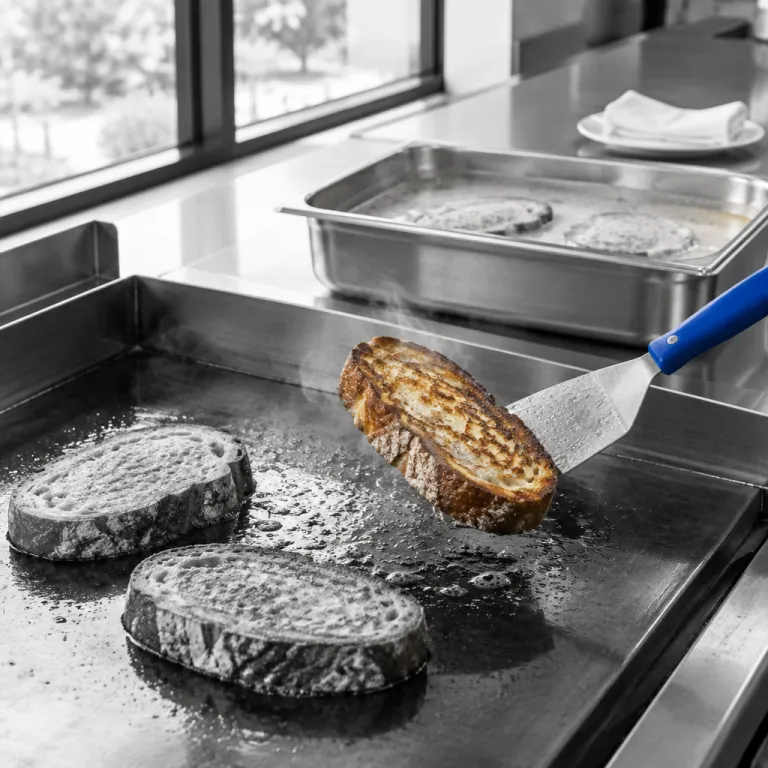
From an operational angle, using slightly stale sourdough for breakfast french toast is an elegant way to reduce waste and protect margin. Yesterday’s slices bread that might otherwise be discarded can be trimmed into consistent slices, soaked in a precise egg mixture, and seared to a golden brown finish on medium heat with clarified butter. In practice, you can make french toast in about three to four minutes per side for each batch, which fits smoothly into peak service flows when the brigade is also firing eggs, viennoiseries, and hot savory items.
Product design : from baker yeast to sourdough systems
Most hotel bakeries still rely heavily on commercial baker yeast doughs, yet shifting part of the bread portfolio to natural sourdough unlocks both flavor and storytelling. When you answer can you make french toast with sourdough bread at scale, you are also answering how your brand thinks about fermentation, provenance, and craft, which are themes that resonate strongly with international travelers and corporate clients. A well managed sourdough program lets you position breakfast as a curated tasting of grains rather than a generic buffet line.
From a technical standpoint, sourdough bread offers superior water retention and structure compared with standard baker yeast loaves, which is crucial when you soak bread in a rich milk egg mixture for french toast. The natural acidity tightens the crumb, so slices hold their shape during the soak and on the plancha, while still absorbing enough milk and eggs to remain custardy inside. This makes it easier to hit the ideal golden brown color on each side in about three to four minutes without burning the crust or drying the interior, even when line cooks are working under pressure.
For concept development, chefs can design multiple recipes around one base sourdough french loaf, from savory breakfast toast with veal sausage pairings to sweet plates finished with maple syrup and seasonal fruit. When you build a signature veal sausage and sourdough french toast with herb butter, you create a bridge between breakfast and brasserie culture that guests remember. For deeper inspiration on how heritage products can drive innovation, many culinary leaders study veal sausage excellence and operational insights as a model for balancing tradition and modern efficiency.
Engineering the perfect sourdough french toast recipe for operations
Once leadership accepts that you can make french toast with sourdough bread, the next question is how to engineer a repeatable toast recipe that works from five star resorts to limited service hotels. The goal is a system where any trained cook can produce consistent slices of sourdough french toast with minimal variance in texture, color, and timing. This requires clear specifications on bread thickness, egg mixture ratios, cooking heat, and holding procedures, all documented in your culinary playbook.
A robust base recipe might use slices bread cut to about 2 centimeters, soaked for 30 to 60 seconds per side in a blend of whole milk, pasteurized eggs, sugar, and a restrained amount of cinnamon. The milk egg ratio should be calibrated so the mixture clings without pooling, allowing each slice to soak bread evenly while still draining quickly on a rack before hitting the plancha. Cooking on medium heat with clarified butter or ghee helps achieve a uniform golden brown crust in roughly three to four minutes per side, depending on equipment and load.
For high volume breakfast service, consider par cooking sourdough french toast to about 80 percent doneness, then finishing à la minute to order, which keeps texture crisp while controlling ticket times. This approach pairs well with other slow cooked items such as pork shank, where chefs already manage low and slow techniques to protect yield and flavor, and resources like strategic pork shank profit drivers show how to align cooking curves with service peaks. When your brigade understands these shared principles, they can execute both savory and sweet recipes with the same discipline, from braised meats to elevated french toast with maple syrup and cultured butter.
Guest experience : positioning sourdough french toast as a signature
Guests rarely ask can you make french toast with sourdough bread ; they simply react when the plate lands. A well executed sourdough french toast with caramelized edges, a soft custard center, and a restrained sweetness can become the breakfast dish that anchors online reviews and repeat bookings. For Directeurs F&B, this is not just about taste but about how the dish photographs, how it aligns with brand storytelling, and how it supports beverage and upsell strategies.
Visual appeal starts with the bread itself, so choose a sourdough bread that has an open yet controlled crumb and a gently blistered crust, then cut generous slices that signal generosity without inflating food cost. When the kitchen cooks each slice on medium heat in foaming butter, the result is a golden brown surface that contrasts beautifully with powdered sugar, roasted fruit, or a glossy ribbon of maple syrup. Texture is equally critical, so train cooks to manage soak times carefully ; under soaked slices feel dry, while over soaked slices collapse and lose the pleasant chew that defines great sourdough french toast.
Menu language should highlight both craft and comfort, for example by naming the bakery partner or the in house levain used to make the bread. You can frame the dish as an easy make indulgence for guests who want something familiar yet elevated, perhaps offering a small portion alongside eggs and salad for lighter appetites. Thoughtful beverage pairings, from single origin filter coffee to a curated sparkling wine by the glass, can be aligned with your broader wine program strategy, and resources on hotel wine program margin opportunities show how breakfast can support all day revenue.
Cost control, waste reduction, and menu engineering
From a financial perspective, the question can you make french toast with sourdough bread quickly becomes how this choice affects food cost, labor, and waste. Sourdough loaves typically carry a slightly higher unit price than standard baker yeast bread, yet their superior keeping quality and ability to shine even when slightly stale sourdough often offset the difference. When you design recipes that intentionally use yesterday’s slices, you transform potential loss into a profitable breakfast hero.
Menu engineering should quantify the contribution margin of sourdough french toast compared with other breakfast items, factoring in eggs, milk, butter, toppings, and labor minutes. Because the dish relies on relatively inexpensive ingredients like milk egg custard and pantry spices such as cinnamon, it usually delivers a strong gross margin, especially when priced as a premium signature. Careful portion control on maple syrup, whipped cream, and compound butter helps maintain that margin without compromising perceived value, and standardized plating diagrams ensure that every plate leaving the pass looks generous yet controlled.
Operationally, batching the egg mixture and pre slicing bread french loaves during mise en place reduces chaos during peak breakfast minutes. Clear guidelines on soak bread timing, plancha temperature, and minutes side cooking windows allow even junior cooks to make french toast consistently, freeing senior chefs to focus on à la carte eggs or complex savory dishes. Over time, tracking sales mix and reply patterns from guest feedback will show whether your sourdough french toast recipe is pulling its weight as a profit driver or needs refinement in portion size, sweetness level, or accompaniments.
Innovation pathways : beyond classic maple syrup and cinnamon
Once your teams are confident that they can you make french toast with sourdough bread at scale, the next frontier is innovation that respects both brand identity and operational reality. Sourdough’s natural acidity and structure make it an ideal canvas for regional twists, seasonal toppings, and cross selling opportunities with local suppliers. For hotel groups, this allows a consistent core recipe while still giving each property room to express its terroir and culinary personality.
One approach is to design a matrix of recipes that all start from the same base egg mixture of milk, eggs, sugar, and a touch of cinnamon, then vary only the finishing elements. In alpine resorts, you might serve sourdough french toast with browned butter, roasted apples, and smoked bacon crumbs, while coastal properties lean into citrus segments, passion fruit, and coconut yogurt. Urban lifestyle hotels could offer a plant forward version using coconut milk in place of dairy milk egg custard, paired with nut butters and seeds, provided allergen controls and cross contamination protocols are rigorously enforced.
Innovation also extends to service formats, from grab and go slices wrapped for early departures to small tasting portions on brunch buffets that encourage guests to try multiple items. Because the base bread french component is relatively neutral, you can integrate it into sweet and savory flights, pairing mini slices with charcuterie, cheeses, or even a small portion of braised meats for adventurous diners. As you test these concepts, track dwell time minutes at breakfast, average check, and guest reply scores to understand which variations of sourdough french toast with creative toppings genuinely enhance both experience and profitability.
Key statistics on breakfast, bread, and guest expectations
- Industry surveys from the American Hotel & Lodging Association consistently show that breakfast is among the most consumed meals in hotels, with a majority of leisure guests choosing to eat at least one breakfast on property during their stay, which makes dishes like sourdough french toast critical for perception.
- Consumer research from the International Food Information Council indicates that many guests associate sourdough bread with higher quality and better digestibility compared with standard baker yeast loaves, supporting premium pricing strategies for sourdough based breakfast items.
- Menu trend reports from the National Restaurant Association suggest that items described with specific production methods, such as “naturally leavened sourdough” or “stone baked bread”, can outperform generic descriptions, which is directly relevant when naming french toast recipes.
- Internal waste audits in full service hotels often reveal that a noticeable share of bread production becomes surplus, and redirecting this surplus into controlled french toast applications can significantly reduce both food cost and environmental impact.
- Benchmarking from STR and other hospitality analytics providers shows that properties with strong breakfast satisfaction scores tend to achieve higher overall guest satisfaction index ratings, which correlates with improved retention and direct booking rates.
FAQ : sourdough french toast in hotel and restaurant operations
Can you make french toast with sourdough bread in a buffet setting ?
Yes, you can make french toast with sourdough bread for buffets, provided you control soak times and holding conditions carefully. Par cook slices to just under golden brown, then finish on a greased plancha or in a convection oven at medium heat as trays need replenishing. Use slightly stale sourdough for better structure, and avoid stacking hot slices directly to prevent steaming and sogginess.
What thickness of sourdough slices works best for french toast ?
For most hotel operations, slices bread cut to about 2 to 2.5 centimeters balance custard absorption and structural integrity. Thinner slices dry out quickly, while thicker ones require longer minutes side on the plancha and can slow service. Standardizing slice thickness across properties helps ensure that your toast recipe delivers the same texture and time minutes everywhere.
How long should sourdough bread soak in the egg mixture ?
In practice, you should soak bread for 30 to 60 seconds per side for fresh loaves and up to two minutes mins for slightly stale sourdough, depending on crumb density. The goal is for the egg mixture of milk and eggs to penetrate about two thirds of the way into the slice without saturating the crust completely. Always drain slices briefly on a rack before cooking in butter to avoid excess custard pooling on the plancha.
Which toppings pair best with sourdough french toast for upscale guests ?
Upscale guests tend to appreciate balanced sweetness and clear flavor stories, so pair sourdough french toast with cultured butter, real maple syrup, roasted seasonal fruit, and perhaps a small quenelle of mascarpone or yogurt. Savory options, such as smoked salmon, soft eggs, or veal sausage, can also work when the base recipe is not overly sweet. Keep plating elegant and restrained, allowing the bread and its golden brown crust to remain the visual focus.
Is sourdough french toast more expensive to produce than classic versions ?
The ingredient cost of sourdough bread is often slightly higher than standard baker yeast loaves, but the ability to use surplus or day old bread offsets much of this difference. Because the other components, such as milk, eggs, cinnamon, and butter, are relatively low cost, the overall plate cost remains attractive. With thoughtful pricing and portion control on toppings, sourdough french toast can deliver excellent margin while enhancing brand perception.