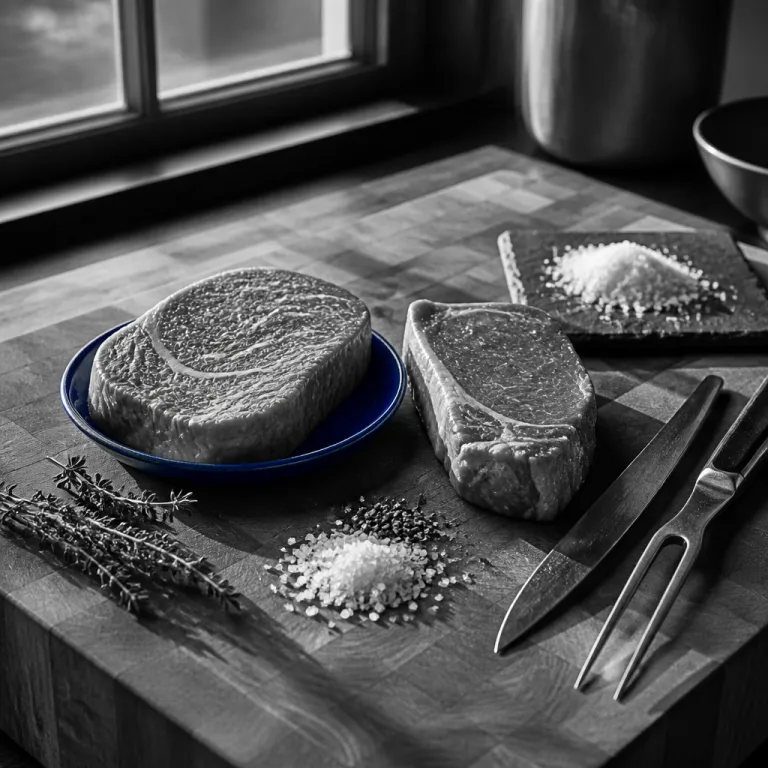
Section 1 – wagyu beef vs angus as a strategic choice for hotel menus
For hotel and resort operators, the debate around wagyu beef vs angus is no longer a purely culinary question. It has become a strategic decision that shapes menu engineering, gross margin, guest perception, and long term sustainability positioning. When you choose between wagyu beef and angus beef for a signature steak, you are effectively defining what “premium beef” means in your property.
Japanese wagyu cattle are genetically selected for very high intramuscular fat, which creates the famous intense marbling and a melt in the mouth texture. Angus cattle, originally from Scotland and now widely raised as American angus cattle, deliver a firmer beef texture, a more pronounced beef flavor, and a consistent quality that many guests already trust. In practice, the choice between wagyu beef and prime angus beef is a choice between extreme richness and a more familiar, beef forward taste profile.
Data from specialist handbooks show that wagyu cattle can reach intramuscular fat levels around 25 %, while angus cattle typically sit closer to 8 % intramuscular fat under comparable feeding regimes. That difference in fat content explains why wagyu fat feels so rich and why a wagyu steak can be portioned smaller without losing perceived value. For Directeurs F&B and chefs exécutifs, this means that a 120 g japanese wagyu steak can satisfy a luxury guest as much as a 220 g american angus steak, if the narrative, plating, and pricing ladder are carefully aligned.
Section 2 – genetics, feeding, and the sustainability profile of wagyu cattle and angus cattle
The core technical difference in wagyu beef vs angus starts with genetics and continues with feeding protocols. Wagyu cattle have been selected in Japan for centuries for their ability to deposit intramuscular fat, while angus cattle were selected for hardy performance and reliable beef yield. These genetic breeding choices now interact with modern feeding practices, from grain finishing to grass fed systems, and they shape both flavour and environmental impact.
In many american wagyu programs, producers cross wagyu cattle with angus cattle to create wagyu angus or angus wagyu hybrids that balance marbling, beef flavor, and feed efficiency. These beef wagyu crosses often reach higher marbling scores than standard angus beef, but with lower fat content than full blood japanese wagyu, which can support a more sustainable feed conversion ratio. For hotel groups that report on ESG metrics, such crossbred types of beef can offer a pragmatic compromise between premium beef positioning and carbon intensity per kilogram of meat.
Feeding strategy is equally decisive for both wagyu beef and angus beef, especially when you compare grass fed systems with grain finished ones. Grass fed angus cattle may show lower intramuscular fat and less melt in the mouth tenderness, yet they often carry a stronger, more mineral beef flavour that some guests now associate with authenticity and terroir. When you design a sustainability focused steakhouse or a seafood and grill concept that already highlights responsible sourcing, such as those inspired by sustainable sourcing strategies for hotel F&B leaders, aligning your beef sourcing narrative with your shellfish and seafood story becomes essential.
Section 3 – marbling, oleic acid, and the sensory science behind taste and flavour
From a sensory perspective, wagyu beef vs angus is fundamentally a question of marbling, fat chemistry, and how these elements translate into taste and flavour. The very high marbling in japanese wagyu, driven by elevated intramuscular fat, creates a soft, almost custard like meat texture that many guests describe as butter like. Angus beef, even at usda prime level, tends to offer a firmer steak bite and a more linear beef flavor, which some diners perceive as the best expression of traditional steakhouse meat.
Wagyu fat is unusually rich in oleic acid, a monounsaturated fatty acid associated with a lower melting point and a cleaner, less waxy mouthfeel. This high oleic acid content explains why a japanese wagyu or american wagyu steak can literally melt in the mouth at serving temperature, releasing a layered, lingering flavour that coats the palate. By contrast, prime angus or other premium beef types of beef rely more on the interplay between lean meat fibres and moderate intramuscular fat to deliver a robust, savoury beef taste that pairs well with bolder sauces and tannic wines.
For menu engineering, this means that wagyu beef is often best served in smaller steak formats, tasting flights, or shared plates where its rich fat content does not overwhelm the guest. Angus beef, especially usda prime angus or high quality grass fed angus, can anchor larger steak cuts that satisfy appetite driven guests without excessive heaviness. When you build a broader narrative around local sourcing and regional identity, as explored in this analysis of how hotels source local ingredients for sustainable hospitality, you can position angus beef as the familiar, terroir driven option and wagyu beef as the rare, globally sourced indulgence.
Section 4 – pricing, positioning, and guest expectations for premium beef in hotels
In the context of wagyu beef vs angus, pricing is not just a cost plus exercise ; it is a storytelling tool. Japanese wagyu, with its extreme marbling and limited supply, commands a significantly higher wholesale price than even usda prime angus beef. American wagyu and other beef wagyu crosses sit between these two poles, offering high marbling and premium beef perception at a more manageable cost for hotel restaurants.
Guests who order a japanese wagyu steak in a luxury hotel expect an almost theatrical experience, from tableside explanations of wagyu cattle origins to precise cooking and carving. They are not simply paying for meat ; they are paying for the narrative of japanese heritage, the science of intramuscular fat, and the promise of the best possible melt in the mouth texture. When the same menu also offers angus beef or prime angus options, you create a clear value ladder that allows different guest segments to self select based on budget and desired richness of flavour.
For all day dining outlets and banqueting, many Directeurs F&B now reserve full blood wagyu beef for limited signature dishes while relying on angus beef or wagyu angus blends for high volume steak and burger formats. This approach protects margin while still allowing the property to communicate that it works with wagyu beef and premium beef programs. By clearly labelling american wagyu, japanese wagyu, and angus wagyu on the menu, and by training service teams to explain differences in fat content, beef flavor, and texture, you reduce the risk of guest disappointment and build trust in your beef sourcing strategy.
Section 5 – sustainability, animal welfare, and the future of luxury beef sourcing
As sustainability expectations rise, the wagyu beef vs angus debate must also consider environmental footprint, animal welfare, and supply chain transparency. High marbling in wagyu cattle usually requires longer feeding periods and more concentrated rations, which can increase emissions per kilogram of meat compared with some grass fed angus systems. At the same time, the higher value of wagyu beef can support better farm level practices, from improved animal welfare to more rigorous traceability, if hotel buyers demand it.
For groups that operate across regions, a tiered sourcing model is emerging where local grass fed angus beef anchors everyday menus, while carefully selected japanese wagyu or american wagyu appears in flagship properties and special experiences. This model allows operators to reduce the overall environmental intensity of their beef portfolio while still offering guests access to the rich taste and unique flavour of wagyu fat on specific occasions. It also opens the door to partnerships with regional producers who are experimenting with oleic acid rich genetics and more efficient feeding, creating new types of beef that balance marbling, beef flavor, and sustainability.
When you integrate these choices into a broader culinary innovation strategy that already embraces regional spices and plant forward dishes, such as those highlighted in this feature on Middle Eastern ingredients reshaping hotel menus, beef becomes one element of a diversified protein mix rather than the sole star. That shift allows Directeurs F&B and chefs exécutifs to reduce portion sizes of the richest wagyu beef cuts without compromising guest satisfaction. It also creates space to communicate more nuanced messages about fat content, intramuscular fat, and the role of premium beef within a balanced, responsible dining experience.
Section 6 – operational guidelines for specifying wagyu beef and angus beef in hotel supply chains
Translating the wagyu beef vs angus strategy into purchasing specifications requires precise language and disciplined supplier management. For wagyu beef, you should clearly define whether you are buying full blood japanese wagyu, crossbred american wagyu, or other beef wagyu programs, and you should specify minimum marbling scores and carcass grading standards. For angus beef, it is essential to distinguish between generic angus type cattle and certified angus beef or usda prime angus programs, which guarantee higher quality and more consistent beef flavor.
Technical sheets should capture target intramuscular fat ranges, preferred fat content, and acceptable feeding regimes, including whether grass fed or grain finished systems are required for each type of steak or cut. Where possible, request documentation on oleic acid profiles or at least on the genetics and feeding practices that influence wagyu fat composition, as these factors directly affect taste, texture, and perceived richness. For premium beef items, especially japanese wagyu and american wagyu, many hotel groups now require full traceability back to the farm or cooperative, which strengthens brand protection and supports credible sustainability claims.
Training culinary and service teams is the final operational step in making wagyu beef vs angus a value creating choice rather than a cost centre. Chefs must understand how different types of beef respond to heat, why a high marbling wagyu steak needs gentler cooking, and how to portion rich cuts to avoid guest fatigue. Service teams should be able to explain in simple terms why wagyu cattle produce such rich meat, why angus cattle deliver a more classic steak experience, and how guests can choose between these options based on desired flavour intensity and portion size.
Key statistics on wagyu beef vs angus for hotel F&B
- Specialist reference data indicate that wagyu cattle can reach around 25 % intramuscular fat, while angus cattle average closer to 8 % under similar feeding conditions, which explains the much higher marbling in wagyu beef and its characteristic melt in the mouth texture (Wagyu Handbook).
- Industry comparisons consistently show that wagyu beef commands a significantly higher wholesale price than angus beef, primarily due to its extreme marbling, longer feeding periods, and limited supply, which requires careful menu engineering to maintain margins in hotel restaurants.
- Nutrition analyses report that wagyu fat contains a higher proportion of monounsaturated fats, including oleic acid, than many other types of beef, which contributes to its lower melting point and softer mouthfeel compared with typical angus fat profiles.
- Crossbreeding programs that produce american wagyu or wagyu angus hybrids are expanding globally, as operators seek beef that offers higher marbling than standard angus beef but with better feed efficiency and more accessible pricing than full blood japanese wagyu.
FAQ – wagyu beef vs angus in hotel and resort operations
What is the main difference between Wagyu and Angus beef?
What is the main difference between Wagyu and Angus beef? Wagyu has higher marbling; Angus offers a beefier flavor. For hotel menus, this means wagyu beef delivers a richer, softer texture, while angus beef provides a firmer steak bite and a more traditional beef flavor that many guests already recognise.
Is Wagyu beef more expensive than Angus for hotel purchasing?
Is Wagyu beef more expensive than Angus? Yes, due to its rarity and marbling. For Directeurs F&B, this price gap means japanese wagyu and high grade american wagyu are best reserved for signature dishes, while angus beef or wagyu angus crosses can support high volume outlets and banqueting.
Which beef is healthier, Wagyu or Angus, for regular hotel menus?
Which beef is healthier, Wagyu or Angus? Wagyu has more monounsaturated fats; Angus is leaner. In practice, wagyu fat contains more oleic acid and delivers a softer mouthfeel, while angus beef usually has lower overall fat content, which can be preferable for everyday menu items and wellness focused concepts.
How should hotels portion wagyu beef compared with angus beef?
Because wagyu beef has very high intramuscular fat and intense marbling, hotels can serve smaller steak portions, often 80 to 150 g, without reducing perceived luxury. Angus beef, including usda prime angus, is less rich, so larger cuts between 200 and 300 g are typically appropriate for main course steaks in both casual and upscale outlets.
When does it make sense to use crossbred american wagyu in a hotel?
American wagyu or wagyu angus crossbred beef is particularly useful when a property wants more marbling and a richer flavour than standard angus beef, but cannot justify the cost or limited availability of full blood japanese wagyu. These hybrids offer a balance of premium beef perception, manageable fat content, and better feed efficiency, which suits high end burger programs, steak frites concepts, and mid tier luxury hotels.