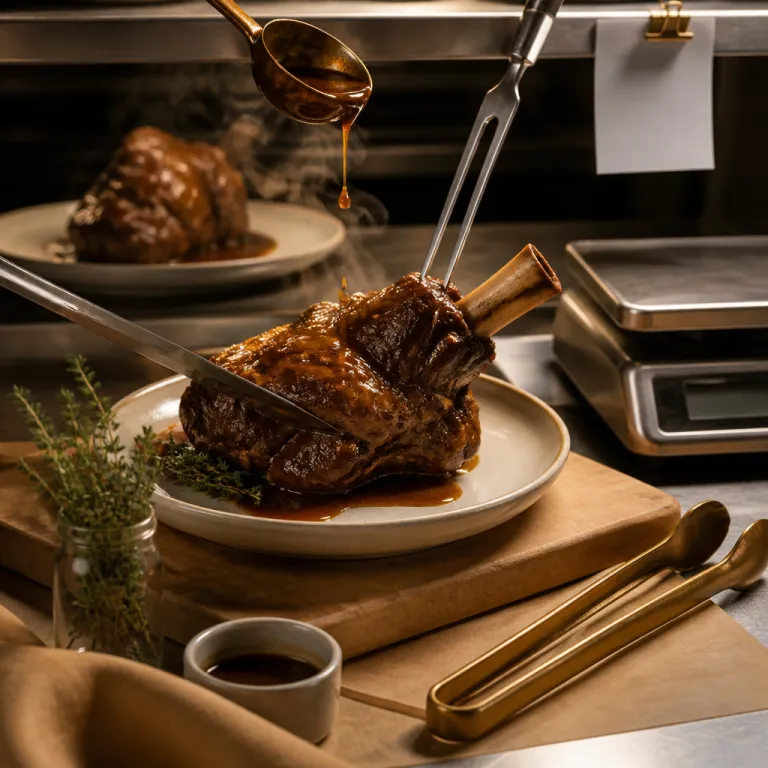
Understanding what a pork shank is in a hotel kitchen context
For any serious hotel or resort brigade, understanding what a pork shank is goes far beyond a basic butchery definition. In operational terms, this pork cut is the lower leg portion of the pig, a collagen-rich shank that weighs on average around 700 g and behaves very differently from loin or shoulder meat. Because this section carries the animal’s weight, the bone structure, sinew and dense muscle fibers demand slow cooking if you want the meat tender enough for refined restaurant service.
From a culinary management perspective, pork shanks sit in the same family as ham hocks and other so‑called secondary cuts, yet they offer a more elegant plate profile for banqueting and à la carte menus. The shank muscles surround a central bone that releases gelatin and rich pork stock during long cooking hours, which means a single cut generates both cooked portions and a deeply flavored base for sauce work. This dual yield is where Directeurs F&B and chefs exécutifs can unlock margin, because one piece of pork effectively supports multiple menu items across different dayparts.
In sensory terms, a well handled pork shank delivers a silky mouthfeel that rivals premium braised beef, while the bone–meat connection creates a dramatic visual on the plate that guests remember. The key is to manage prep time, cook time and holding so that the internal temperature reaches food safety standards without drying the meat, which often happens when teams rush the process. When you respect low‑and‑slow parameters, the natural juices released after carving remain inside the fibers, and the final flavor profile supports everything from classic European sauces to modern Asian‑inspired glazes.
From tough cut to signature dish: why slow methods win
Operationally, the most reliable answer to the question what is a pork shank in practice is straightforward: it is a cut that only shines when you cook low and slow. Direct heat or quick grilling rarely works, which is why many experts state without hesitation that “Slow cooking methods like braising are ideal.” When you respect that principle, the transformation from tough, sinewy meat on the bone to spoonable texture becomes a powerful lesson in culinary technique and cost control.
In hotel environments, the slow cooker, combi oven and heavy Dutch oven are your best allies for pork shanks, because they stabilize temperature over long hours and free the équipe for other tasks. A typical workflow might start with a short sear of the pork in a roasting pan, then chefs add mirepoix, garlic and herbs before deglazing with wine and pork broth to build a complex sauce base. Once covered and transferred to a low‑temperature oven or programmed slow cooker, the shank gently braises for several hours until the internal temperature is safe and the collagen has melted into gelatin.
For menu engineering, this slow approach creates predictable total time and cook‑window benchmarks that align with banqueting schedules and room service peaks. You can standardize prep time in the morning, set low‑temperature parameters for four to six hours, then hold the cooked pork safely for late service without sacrificing tenderness. When you pair this with refined vegetable sides such as elevated wax bean preparations, as explored in this guide to refined recipes for wax beans that elevate hotel and restaurant menus, the pork shank becomes a versatile centerpiece for both business and leisure guests.
Designing pork shank recipes for multi outlet hotel operations
Once your teams clearly understand what a pork shank is from a technical standpoint, the next step is to design a recipe portfolio that works across outlets. A base braised version with neutral aromatics such as garlic, onion and thyme gives you a canvas that can be finished with different sauce profiles for the brasserie, rooftop bar or in‑room dining. This modular approach lets you control total time and resting minutes at the pass, because the core cooking is already done and only final glazing or grilling requires extra minutes.
For example, a classic European‑style pork shank recipe might finish in the oven with a mustard and beer reduction, while an Asian‑leaning variant receives a soy, ginger and honey sauce that caramelizes under high heat for a short finishing period. Both rely on the same batch of braised meat prepared earlier in the day, which means your cook time for service is limited to reheating and finishing rather than full cooking from raw. In banqueting, you can plate the shanks whole on sharing platters or carve the meat off the bone into medallions, using the remaining pork broth as a base for jus or velouté.
For high‑end tasting menus, chefs exécutifs sometimes adapt the same shank preparation into refined small plates, shredding the cooked pork and pressing it into terrines or crispy croquettes. This mirrors the strategic thinking used when elevating traditional Italian pastries, as shown in this analysis of how to elevate the caggionetti recipe preparation method for high end hospitality menus. Across these formats, the internal temperature and food safety controls remain identical, but the guest perception shifts from rustic comfort to contemporary gastronomy.
Balancing flavor, technique and equipment: slow cooker, oven and bbq
For Directeurs F&B and investors, a key part of answering what is a pork shank lies in understanding which equipment best supports consistent results at scale. In many hotel kitchens, the slow cooker or combi oven handles the initial braise, while the à la carte line uses the main oven or even a controlled bbq station for final caramelization. This two‑step method ensures the tenderizing effect of long cooking while still delivering the charred flavor and visual appeal that guests associate with premium pork dishes.
From a technical standpoint, the first phase focuses on low‑temperature cooking where the shank sits partially submerged in pork broth, aromatics and perhaps a light tomato sauce. Chefs usually cook at around 120 to 140 °C (250 to 285 °F) for several hours, checking internal temperature periodically to ensure food safety while avoiding over‑reduction of the cooking liquid.[1] Once the meat is nearly falling away from the bone, the shanks can be chilled for later service or moved directly to a hotter oven or bbq grill for a short finishing time of 10 to 15 minutes.
During this finishing stage, teams add glazes, brush on sauce and manage resting time carefully so the surface caramelizes without drying the pork. A sticky bbq‑style finish works well for casual outlets, while a glossy demi‑glace suits fine dining, and both can be produced from the same base batch of cooked meat. For menu documentation and training, many groups now maintain digital specifications that resemble a print recipe format, including prep time, cook time, total time and clearly defined internal standards, with all rights reserved notices for internal intellectual property.
Cost control, yield management and menu engineering with pork shanks
From a financial perspective, understanding what a pork shank is means recognizing its role as a high‑yield, low‑cost protein in the broader meat category. Compared with premium loin or tenderloin, shanks and ham hocks typically carry a lower purchase price per kilogram, yet the long cooking process and bone‑in structure generate strong perceived value on the plate. Guests see a generous portion of slow‑cooked pork wrapped around a dramatic bone, and they often associate this with rustic luxury rather than economy.
For hotel groups and exploitants indépendants, this perception gap is a strategic opportunity to improve gross margin without compromising guest satisfaction. By standardizing portion sizes, tracking raw‑to‑cooked yield and monitoring internal temperature and holding times, you can ensure that every pork shank delivers consistent tenderness and flavor. The braising liquid, enriched with collagen and pork broth, can be reduced into sauce for other dishes, which effectively spreads the ingredient cost across multiple menu items and improves overall ROI on pork purchases.
Menu engineering tools allow Directeurs F&B to position pork shanks as star or plowhorse items depending on outlet strategy, using pricing, accompaniments and storytelling to drive mix. For example, pairing a shank main course with a high‑margin side dish or dessert, such as a sweet and sour shrimp appetizer analyzed in this piece on how sweet and sour shrimp can become a strategic profit driver in modern hotel F&B, can lift the average check. Over time, careful tracking of prep time, cook time, total time and labor allocation will show whether the slow‑cooker‑ or combi‑oven‑based program is delivering the expected profitability.
Operational standards, safety and training around pork shank programs
In large hotel operations, the question what is a pork shank quickly becomes a question of standards, because multiple brigades must execute the same recipe flawlessly. Clear specifications for raw weight, trimming, seasoning, searing and braising ensure that every batch of pork shanks behaves predictably in the oven or slow cooker. Training should emphasize why this cut requires low‑temperature cooking over several hours, and how deviations in cooking time or holding can compromise both safety and texture.
Food safety teams need to define target internal temperature thresholds for cooked pork, along with cooling and reheating protocols that respect HACCP guidelines. Many hotel groups align with widely used benchmarks of at least 63 °C (145 °F) for whole cuts, with higher targets such as 70 °C (160 °F) often adopted as internal standards for banqueting to provide an additional safety margin.[2] Because the bone‑in structure retains heat differently from boneless cuts, chefs must verify temperatures at the thickest part of the shank, not just near the surface. Documented procedures should also specify how to handle the pork broth and sauce components, including reduction times, seasoning checks and the safe reuse of braising liquids across multiple service periods.
For front‑of‑house and marketing équipes, a strong understanding of the production process helps them explain to guests why the tender texture and deep flavor justify the price point. Storytelling around slow cooking, garlic and herb aromatics, and the transformation of a humble shank into a signature dish reinforces the perceived value of the experience. When all these elements align, the pork shank program becomes a benchmark of culinary and operational excellence that can be replicated across properties and adapted to local tastes without losing its core identity.
Key figures and operational benchmarks for pork shank in hospitality
- Average raw weight per pork shank is around 1.5 pounds (approximately 680 to 700 g) according to professional culinary guides and commercial meat specifications, which typically yields one generous main course portion or two smaller tasting portions.[1]
- Effective braising programs usually target a low cooking temperature of 120 to 140 °C (250 to 285 °F) for 3 to 5 hours, which balances collagen breakdown with labor planning in hotel kitchens that operate across breakfast, lunch and dinner.[1]
- Well managed pork shank programs often achieve raw‑to‑cooked yield rates of 65 to 75 %, depending on trimming and bone size, which compares favorably with many other bone‑in meat cuts used in banqueting.[3]
- In multi‑outlet hotels, a single batch of braised pork shanks can support three to five distinct menu applications, from à la carte mains to bar snacks, which significantly improves ingredient utilization and reduces waste.
- Guest satisfaction scores for slow‑cooked meat dishes, including pork shank and similar cuts, frequently outperform grilled items in winter and shoulder seasons, making them valuable tools for revenue stabilization during lower occupancy periods.
FAQ: strategic questions about pork shank in hotel F&B
What is the best way to cook pork shank in a hotel kitchen ?
For professional hospitality operations, the best method is braising the pork shank at low temperature in an oven, combi oven or slow cooker, using aromatics, garlic and pork broth to build flavor. This slow approach over several hours breaks down collagen and turns the bone‑in structure into tender portions suitable for both banqueting and à la carte. High‑heat grilling alone is not recommended, because the dense meat fibers will remain tough and dry.
Is pork shank the same as pork hock in menu planning ?
Pork shank and ham hocks come from adjacent areas of the pig’s leg, but they are not identical cuts and behave slightly differently in cooking. Shanks usually present a more elongated bone and a higher ratio of lean pork to connective tissue, which makes them visually appealing on the plate. Ham hocks, by contrast, often contain more skin and fat, which can be valuable for certain recipes but less suited to refined restaurant presentations.
Can pork shank be grilled or used for bbq concepts ?
Direct grilling of raw pork shanks is rarely successful, because the cut is too tough to become tender within a reasonable cook time on the bbq. A more effective strategy is to braise the shank first in a slow cooker or oven until fully cooked, then finish it on the grill for 10 to 15 minutes with a bbq sauce glaze. This two‑stage method delivers both safety and flavor, while keeping total time manageable during service.
How do I control internal temperature and food safety for pork shanks ?
Chefs should monitor internal temperature at the thickest part of the meat, avoiding contact with the bone, and ensure that cooked pork reaches the legally required threshold for safety in their jurisdiction. Many operations reference guidelines such as 63 °C (145 °F) minimum for whole cuts, with higher internal targets for banqueting or cook‑chill systems as defined in their HACCP plans.[2] Once braised, shanks must be cooled rapidly if not served immediately, then reheated to safe temperatures before service, with clear documentation of prep time, cook time and holding periods. Consistent procedures across brigades protect both guests and brand reputation.
Why should hotel groups invest in pork shank programs instead of premium cuts ?
Pork shank programs offer a strong balance of cost, yield and guest appeal, because the relatively low purchase price of shanks and ham hocks contrasts with the high perceived value of a generous, slow‑cooked portion. The same batch of braised pork can feed multiple concepts and dayparts, from casual outlets to fine dining, which improves ingredient utilization and reduces waste. For Directeurs F&B and investors, this combination of operational efficiency and guest satisfaction makes pork shanks a compelling strategic choice.
References
[1] Typical professional guidelines compiled from classical European charcuterie manuals and contemporary hotel kitchen training materials, aligned with temperature ranges commonly used in low‑temperature braising.
[2] Common temperature benchmarks based on widely cited food safety authorities such as the USDA Food Safety and Inspection Service and adapted into internal HACCP plans by international hotel groups.
[3] Yield ranges drawn from large‑scale banqueting cost sheets and meat purchasing specifications used in multi‑property hospitality portfolios, where raw‑to‑cooked conversion is tracked by cut and cooking method.