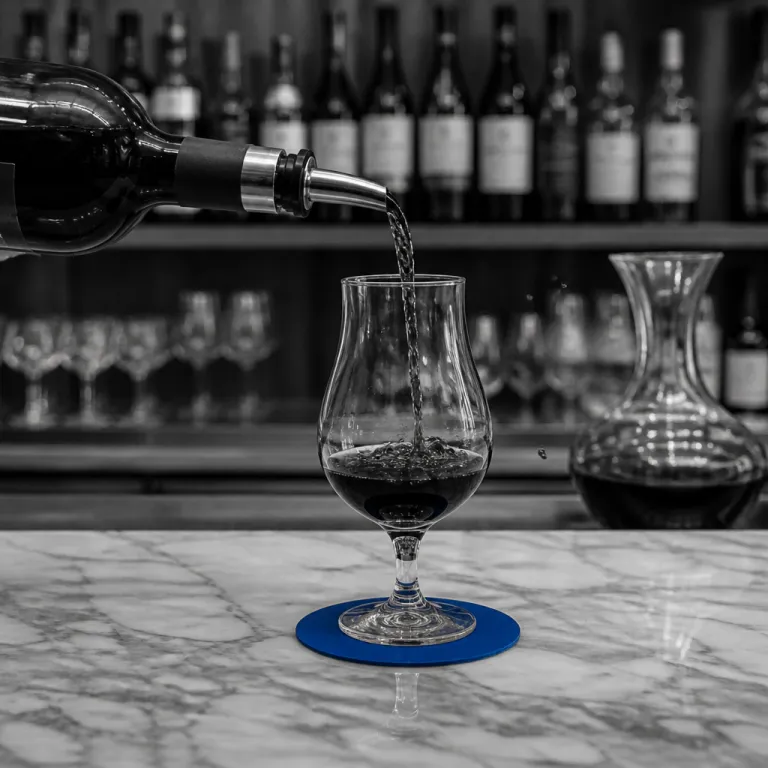
Why the best Porto wine matters for modern hotel beverage strategy
For any ambitious hotel or resort, the best Porto wine is no longer a niche indulgence but a strategic pillar in the beverage program. When Directeurs F&B and chefs exécutifs treat each port as a revenue generating asset, they unlock new pricing tiers, pairing menus, and guest experiences that justify premium room rates. A focused port wine strategy also signals authority to investors in restauration who read market data closely and expect clear beverage positioning.
Port, as a fortified wine from the Douro region, offers a rare combination of heritage, versatility, and margin potential that few wines can match. The best examples of ruby port, tawny styles, and single quinta vintage ports allow you to design tiered flights that move guests from entry level ports to collectible bottles in a single tasting. When these wines are framed within a coherent story about the Douro Valley and Porto’s historic port houses, guests perceive higher value and willingly drink across categories rather than stopping at one glass.
For groups hôteliers and exploitants indépendants, the question is not whether to list port wines, but how to curate the best portfolio of port wines for each property profile. Urban hotels with strong corporate business might emphasize by the glass ruby port and late bottled vintage port for quick bar service, while resort properties along a river or coastline can lean into slow, contemplative tawny port service with food pairings. In both cases, the best Porto wine selection becomes a signature of the wine house identity you project to guests and trade partners, especially when supported by clear menu language and disciplined staff training.
Building a profitable Porto wine ladder from ruby to vintage
Designing a Porto wine ladder starts with clear segmentation between ruby port, tawny port, and vintage port styles. Ruby ports are fresh and fruit driven wines that work perfectly as approachable entry points in wine tasting flights or as components in cocktails for younger guests who mainly drink mixed beverages. Tawny ports, especially aged expressions, bring nutty complexity and allow Directeurs F&B to price tasting portions higher while still offering strong value compared with other dessert wines.
Vintage port and declared vintage ports sit at the top of the ladder and should be treated as limited allocation assets rather than simple list items. These wines age in bottle for decades, so investors in restauration can justify cellaring costs by building verticals that support premium tasting tours for VIP guests and corporate groups. When you position a carefully chosen vintage port from a respected port house like Taylor Fladgate or Niepoort alongside a more accessible ruby port from the same producer, guests intuitively understand the hierarchy and often trade up.
To deepen engagement, integrate structured wine tasting experiences that move from ruby to tawny to vintage in a single seated session. A practical format might be a three glass flight of 6 cl pours: an entry level ruby, a 10 or 20 year old tawny, and a mature vintage port, priced as a bundled experience at 2.5 to 3 times the cost of a single glass. This format allows your équipe to explain in concrete terms “What is the difference between Ruby and Tawny Port?” and to answer “How should Port wine be served?” while guests taste the contrast. For hotels already working on elevated cocktail programs, pairing this ladder with Portuguese inspired drinks, as outlined in this guide to Portuguese cocktails that elevate modern hotel beverage programs, creates a coherent narrative from aperitif to digestif.
Leveraging Douro Valley storytelling and Porto terroir in guest experiences
The emotional power of the best Porto wine lies in its origin along the Douro River and across the steep terraces of the Douro Valley. When your équipe explains that every glass of port wine begins as grapes grown in Douro Portugal and then travels down the Douro River to the historic lodges in Vila Nova de Gaia, guests connect their drink to a real landscape. This terroir narrative transforms a simple drink into a journey that many guests later extend through actual tours in the region.
For hotel beverage leaders, this means integrating references to iconic sites such as Quinta Noval, Ramos Pinto, and other renowned port houses into menu copy and staff training. A tasting room experience in your property can be framed as a prelude to visiting a wine house in Vila Nova de Gaia or a quinta in the upper Douro Valley, with curated maps and images that show the flow from vineyard to port house. When guests read concise but vivid descriptions of Douro Portugal on your menu, they are more likely to book wine focused tours through your concierge, which strengthens ancillary revenue.
Group level strategies can go further by partnering with selected producers in Porto and Vila Nova de Gaia to create co branded wine tasting packages. These might include a stay in Porto, a guided tour of a historic port house, and a structured tasting of vintage ports and tawny ports that are also poured in your hotel bars worldwide. For a deeper dive into how a regional focus can anchor beverage performance, many executives now consult this analysis of how Porto and Portugal wine can anchor high performing hotel beverage programs and adapt its principles to their own portfolios.
Curating producer portfolios from Graham’s to Ramos Pinto for different hotel profiles
Choosing the best Porto wine for a luxury urban hotel is not the same as building a list for a coastal resort or a boutique property. In a flagship city hotel, a focused selection from benchmark producers such as Graham’s, Taylor Fladgate, and Niepoort can signal authority to well informed guests who already know these names. Graham’s Six Grapes Reserve, Taylor Fladgate Fine Ruby Porto, and a Niepoort declared vintage port together create a compact but powerful core of port wines.
Resort properties and independent food port concepts, by contrast, can lean into more exploratory portfolios that highlight houses like Croft for reserve tawny port and Cockburn’s for aged tawny ports. These wines pair beautifully with Porto food inspired desserts, cheese boards, and even savory dishes that integrate local food traditions from Porto and Douro Portugal. When chefs exécutifs and Directeurs F&B collaborate on pairing menus, they can position each port wine as either a classic match or a surprising counterpoint to the food on the plate, for example a 20 year old tawny with roasted almonds and citrus tart or a rich ruby with dark chocolate fondant.
For investors in restauration evaluating new concepts, a clear producer strategy around port wines can be as important as the overall wine list. A concept that integrates a dedicated tasting room for port, with flights built around Graham’s, Ramos Pinto, and Quinta Noval, offers a differentiated identity that is hard to replicate. To understand how such focused beverage pillars can drive profitability, many executives now study case based content on strategic profit drivers in hospitality F&B and then apply similar thinking to port wine programs.
Designing Porto centric experiences on property and in destination
Hotels in Porto and across Vila Nova de Gaia hold a unique advantage when working with the best Porto wine. They can integrate on property wine tasting sessions with curated off site tours that follow the route from the Douro Valley to the riverfront cellars in Gaia. A guest might begin with a guided tasting of ruby port and tawny port in your bar, then continue the next day with a private tour of a port house along the Douro River.
Such experiences benefit from clear, educational messaging that uses the verified guidance “Can Port wine age in the bottle? Yes, especially Vintage Ports.” as a talking point when presenting vintage ports. Your équipe can structure a short educational segment in each tasting room session that explains how vintage port differs from late bottled vintage and why certain vintage ports are held back in the cellar. When guests read this information on a concise tasting card, ideally including recommended serving temperatures and a simple flavor wheel, they are more likely to purchase bottles to take home or to order higher priced glasses during their stay.
Destination hotels can also collaborate with local operators to create themed tours that combine food, wine, and culture. A “Douro River and Port Wine” package might include a cruise along the river, a visit to a wine house in Nova Gaia, and a dinner featuring Porto food pairings with different ports. For exploitants indépendants, even a small scale partnership with a single port house in Vila Nova de Gaia can differentiate their offer and justify premium pricing for both rooms and F&B experiences.
Operational excellence, training, and data for a high performing port program
Even the best Porto wine list fails without disciplined operations, staff training, and data driven decision making. Directeurs F&B should treat port wines as a distinct category with its own KPIs, tracking metrics such as by the glass velocity, average check uplift from port pairings, and conversion rates from tastings to bottle sales. When these données are reviewed monthly, teams can adjust pricing, portion sizes, and promotional focus to protect margins while maintaining guest satisfaction.
Training is equally critical, because many guests still see port as an occasional drink rather than a versatile category. Structured briefings should cover service temperatures, glassware, and the practical answers to “How should Port wine be served?” for both ruby and tawny styles, ensuring consistency across shifts and outlets. Role play exercises where staff guide a guest through a mini wine tasting of two ports and one still wine help build confidence and encourage natural upselling, especially when they practice suggesting a 6 cl tasting pour instead of a full 10 cl glass for hesitant guests.
Finally, technology and market analysis now support smarter decisions about which ports to list and how to price them. The most advanced groups hôteliers already use a mix of expert reviews, consumer ratings, and historical data to refine their port portfolios, while some partners experiment with AI tools for trend analysis in fortified wines. For suppliers F&B and investors in restauration, aligning on shared dashboards that track port performance across properties turns a traditional category into a modern, data backed profit engine.
Key figures shaping the Porto wine opportunity in hospitality
- Recent trade reports indicate that global port wine shipments remain in the multi million case range each year, confirming that the category is significant enough to justify dedicated hotel programs; hotels can reference the latest association report or national export statistics when updating internal business cases.
- Industry data and Port Wine Institute materials show strong demand for aged tawny port in premium venues, often in the 10 to 30 year old range, which supports higher price points and reinforces the value of carefully selected mature inventory on wine lists.
- Leading European wine publications specializing in fortified wines report rising popularity of aged tawny ports in high end restaurants, suggesting that hotels which highlight these styles can capture guests already primed by fine dining experiences elsewhere.
- Market analysis also indicates increased interest in vintage ports among collectors, giving hotels with strong cellars an opportunity to host vertical tastings and special events that drive both F&B and room revenue.
- Growth in port wine tourism around Porto and the Douro Valley benefits hotels that integrate port focused tours and tastings into their concierge offers, as these packages often command higher average daily rates and longer stays.
FAQ about integrating the best Porto wine in hotel beverage programs
What is the difference between ruby and tawny port for hotel menus ?
Ruby port is typically aged for a shorter period in large vats, which preserves fresh red fruit aromas and a vibrant color that works well for cocktails and by the glass service. Tawny port spends longer in smaller barrels, developing nutty, caramelized flavors and a lighter hue that pairs naturally with desserts and cheese boards. On a hotel menu, ruby ports often serve as approachable entry level options, while aged tawny ports justify higher pricing and more elaborate pairings.
How should port wine be served in a professional hospitality context ?
Operational standards in hotels usually recommend serving ruby port slightly chilled, around 14 to 16 degrees Celsius, to highlight its fruit and keep alcohol in balance. Tawny port is generally served closer to room temperature, around 16 to 18 degrees Celsius, which allows its oxidative, nutty notes to express fully. Consistent glassware, careful portion control, and clear guidelines for open bottle shelf life are essential to maintain quality and protect margins.
Can port wine age in the bottle and how should hotels manage this ?
Yes, especially vintage ports, which are designed to evolve in bottle for decades and can gain complexity that supports premium pricing in mature wine programs. Hotels with strong cellars often hold back selected vintage ports from top houses, tracking them as long term assets rather than everyday stock. Clear inventory policies, regular condition checks, and collaboration with trusted suppliers help ensure that these bottles reach guests at their peak.
Which styles of port are most profitable for hotel beverage programs ?
By the glass ruby port and reserve tawny port usually deliver the strongest margins and fastest rotation, making them ideal for bars and casual outlets. Aged tawny ports and declared vintage ports move more slowly but can generate high absolute profit per bottle when positioned in tasting flights or special menus. The most successful programs balance these segments, using accessible ports to drive volume and rare bottles to build prestige and incremental revenue.
How can hotels use Porto and Douro Valley storytelling to increase sales ?
Guests respond strongly when staff connect each glass of port to the Douro Valley vineyards, the Douro River transport route, and the historic lodges in Vila Nova de Gaia. Simple tools such as maps on the wine list, short origin stories for key producers, and curated recommendations for local tours in Porto turn a drink into part of a larger journey. This narrative approach not only boosts on site port sales but also encourages guests to book destination experiences through the hotel, increasing overall spend.
References
- International Wine Association (global fortified wine and port category reports)
- Port Wine Institute (technical sheets and age profile data for tawny and vintage ports)
- Leading European wine publications specializing in fortified wines and on trade performance