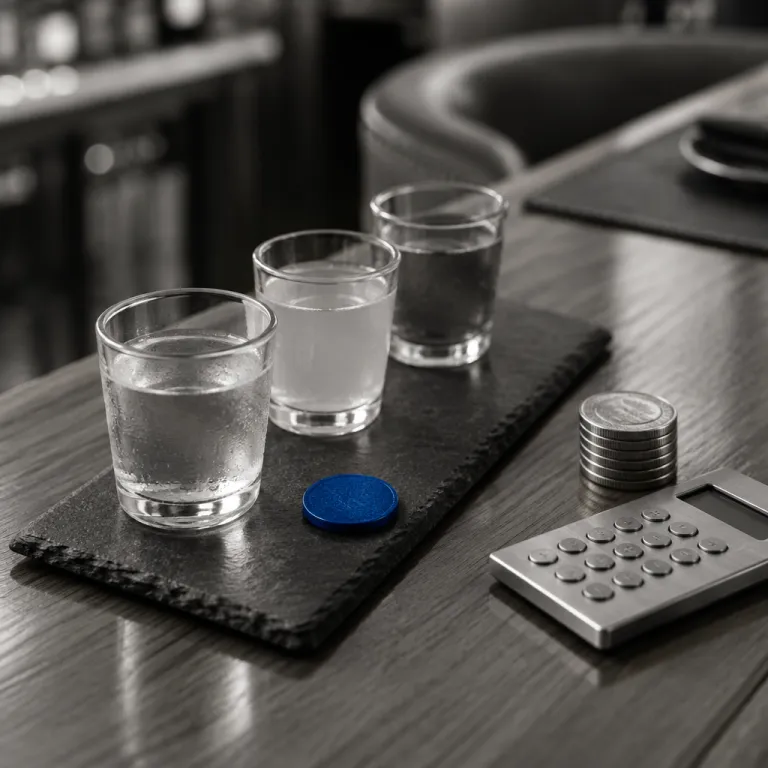
Defining the cocktail tasting format inside modern hotel bar concepts
A cocktail tasting experience inside a hotel bar is not a loose happy hour ; it is a fixed format of four to six cocktails paired with small bites, fully seated, and tightly timed to 75 to 90 minutes. This format turns the bar of a luxury hotel or design hotel into a revenue programmed room where every guest, every seat, and every table is pre sold, which changes how you think about bar layout, staffing, and pricing. For F&B leaders, this is one of the few hotel bar concepts that can lift guest satisfaction, bar revenue, and overall hospitality positioning without adding new hotel dining outlets or extra hotel rooms.
In operational terms, the tasting runs as a micro service inside the bar area, usually in a semi private space with 10 to 14 seats and a dedicated bar counter or satellite station. The best hotel bars schedule two or three seatings per week, with one lead mixologist and one server managing a maximum of 12 guests, which keeps labor predictable and protects the guest experience from the chaos of a high volume bar. Because the experience is reservation only, the bar hotel team can pre batch elements, align equipment and glassware, and calibrate lighting, music, and furniture to support a narrative arc rather than random walk in traffic.
This narrative is what separates tasting driven hotel bar concepts from standard bars in hotels, where the bar design and interior design often serve lobby traffic more than intentional experiences. Each cocktail course can be tied to the hotel location, the design modern story of the property, or the wider trends hotel audience cares about, such as no waste mixology or low alcohol pairings. When the bar area is treated as a stage, with bar stools, tables, and seating arranged for both comfort and visibility, the guest experience feels closer to a chef’s counter than a lobby bar, and that is exactly where the pricing power comes from.
Pricing architecture and margin math for cocktail tasting experiences
The financial case for cocktail tastings in hotel bar concepts is unusually strong ; you are selling spirits and coffee based pairings at a fixed per person price with a gross margin that typically lands between 78 and 82 percent. A common structure in luxury bar environments is a 4 cocktail format at 65 to 75 dollars per guest, or a 6 cocktail format at 95 to 120 dollars, with small bites costed at 18 to 22 percent of revenue and liquid pour cost held under 16 percent. Compared with à la carte hotel dining, where food cost often runs above 30 percent and bar revenue is volatile, this tasting model gives revenue and commercial directors a predictable, high margin block of business inside the same physical space.
To make the numbers work, you design the bar layout and bar counter workflow around speed and consistency, not flair bartending, and you choose materials for equipment and furniture that support fast mise en place and easy cleaning. Pre batching base components, standardizing glassware, and aligning bar design with the seating plan allow one mixologist to serve 12 guests without compromising service standards or guest satisfaction. The per person model also simplifies upselling ; you can offer a premium tier with rare spirits, a non alcoholic pairing, or an added coffee and chocolate course, all while keeping the guest experience clearly framed and the bar hotel margin intact.
From a revenue management perspective, a 12 seat tasting at 95 dollars per person generates 1 140 dollars in 90 minutes, with labor limited to two team members and minimal incremental equipment. That compares favorably with many wine by the glass programs in hotel dining, where spoilage and inconsistent demand erode margin, even when using advanced systems such as Coravin or kegging for premium pours as analysed in this deep dive on wine by the glass margin math in hotel dining. When you integrate the tasting calendar into your hotel app and pre arrival communication, you can also shift some bar demand from peak lobby hours into controlled, high yield seatings, which stabilizes staffing and improves the overall guest experience in both the main bar and adjacent hotel areas.
Capacity planning, seating strategy, and revenue modeling in the bar area
Designing capacity for cocktail tastings inside hotel bar concepts starts with the physical space, not the menu ; you need a clearly defined bar area that can hold 10 to 14 seats without blocking circulation to the rest of the bar. Many hotels carve this out of an underused lounge corner, a raised platform near the bar counter, or even a flexible hotel dining room section that converts into a tasting room on select nights. The goal is to create a seating plan where every bar stool and chair feels intentional, with tables sized for small plates and glassware, and lighting tuned for intimacy without sacrificing visibility for service.
For most properties, the sweet spot is 12 guests per seating, with two or three sessions per week, which keeps the experience scarce enough to feel special but frequent enough to matter in the P&L. At 12 seats and a 95 dollar average check, two weekly seatings generate over 9 000 dollars per month in incremental bar revenue, before counting repeat visits to the main hotel bar or bar hotel lounge. When you align this with existing trends hotel data on bar traffic, you can schedule tastings on shoulder nights, using the same bar stools, furniture, and equipment, effectively turning a low yield time slot into a high margin micro event.
Seating strategy also influences labor and guest satisfaction ; a single 12 seat counter facing the mixologist maximizes showmanship and simplifies service, while two tables of six create more private conversation but require tighter choreography. In both cases, the bar layout and interior design should ensure that every guest can see the cocktail preparation, hear the storytelling, and interact with the team without shouting across the room. When the design modern language of the space, from the bar counter materials to the bar design lighting, aligns with the hotel’s overall design trends and brand narrative, the tasting becomes a signature of the property, much like a strong wine program can define a restaurant as shown in this analysis of hotel sommelier driven wine programs as a margin opportunity.
Menu design, storytelling, and how tastings feed the main hotel bar
The most effective cocktail tasting menus in hotel bar concepts are built as seasonal narratives, not random flights of drinks ; each course should connect to a local ingredient, a design detail in the hotel, or a specific moment in the guest journey. A six course format might start with a light, aromatic cocktail served with a cold bite, move through two spirit forward signatures, add a coffee or tea based drink with a warm snack, and finish with a dessert style serve that echoes the hotel dining pastry program. This structure allows the bar team to showcase both classic technique and design modern creativity, while keeping the guest experience balanced in terms of alcohol, sugar, and texture.
Local sourcing and sustainability trends hotel guests care about can be woven into the story without turning the bar counter into a lecture podium. You might highlight herbs grown on the hotel roof, a collaboration with a nearby roastery for the coffee course, or a spirit from a regional distillery that also appears in the minibar and lobby bars. Each cocktail should have a clear talking point that links back to the hotel, whether through interior design references, such as a drink inspired by the lobby lighting, or through the history of the building, which reinforces the identity of the design hotel or luxury hotel hosting the experience.
Critically, the tasting menu must act as a feeder for the regular bar program ; at least half of the cocktails should be available in the main hotel bar after the event, ideally with slight variations to fit the à la carte bar layout and service flow. When a guest falls in love with a particular drink during the tasting, the server should be able to point to where it sits on the standard bar hotel menu, encouraging repeat visits and incremental spend on future nights. Over time, data from which cocktails convert into regular orders can inform broader design trends in the menu, guiding which spirits to stock, which equipment to invest in, and how to adjust furniture and seating zones to support the most profitable guest behaviors.
Staffing, training, and operational choreography in the tasting room
From a staffing perspective, the cocktail tasting format is lean ; one lead mixologist and one server can comfortably manage 12 guests when the bar design, mise en place, and service script are tightly planned. The mixologist handles all cocktail builds at a dedicated bar counter or mobile station, while the server manages water, small bites, table resets, and payment, moving through the space in a pre defined pattern that avoids congestion. This choreography depends on a thoughtful bar layout, with clear paths between tables, bar stools, and the back of house area, and on equipment placement that minimizes unnecessary steps.
Training focuses on both technical and narrative skills ; the team must execute complex drinks consistently while delivering a coherent story that connects the bar, the hotel, and the wider hospitality context. Role playing sessions in the actual room, with full lighting and music, help staff internalize timing cues, such as when to dim lights for a smoke reveal or when to raise them slightly for a coffee course that showcases latte art. Because the experience is seated and time boxed, the team can rehearse down to the minute, which is rarely possible in open ended hotel bars or lobby bar areas.
Operationally, you treat each tasting as a mini event with its own prep list, equipment checklist, and post shift review, just as you would for banquets or high end hotel dining. Over several weeks, the équipe can refine portion sizes for bites, adjust glassware to fit the tables and space more efficiently, and tweak the pacing to keep guest satisfaction high without extending the duration beyond 90 minutes. When the same staff also works regular bar service, the skills and confidence gained from the tasting format often elevate the overall guest experience in the bar hotel environment, improving upsell rates and check averages even outside the formal tastings.
Marketing channels, cross selling, and integration with the wider hotel experience
Marketing a cocktail tasting inside hotel bar concepts works best when it is embedded into the hotel’s direct channels rather than treated as a generic local event ; the hotel app, in room tablet, and pre arrival emails should all present the experience as a limited, bookable amenity. Concierge and front desk teams need a simple script and real time access to availability, so they can position the tasting as a high value alternative to sending guests to external bars in the area. For independent hotels, local social media and event platforms can fill remaining seats, but the primary goal is to convert in house guests into high margin bar revenue.
Positioning matters ; you are not selling a bar stool, you are selling a 90 minute journey through the hotel’s design, flavors, and stories, with guaranteed seating and elevated service. Visuals should highlight the interior design of the bar area, the lighting, the furniture, and the intimacy of the room, rather than only close ups of cocktails, because guests buy the overall experience. Cross selling with other F&B touchpoints, such as breakfast or wine events, can also strengthen the narrative ; for example, a guest who books a tasting might receive a small incentive to try the hotel’s signature breakfast concept, as explored in this analysis of how hotel breakfast became a booking differentiator.
Integration with the wider hotel room and hotel dining ecosystem is where the long term value lies ; a guest who enjoys the tasting should see related elements in the minibar, the lobby coffee bar, and even the in room welcome amenity. Simple touches, such as a recipe card placed on the desk in the hotel room or a QR code on the in room tablet linking to future tasting dates, keep the bar hotel concept top of mind. Over time, tracking KPIs such as repeat bar visits, incremental spend per guest, and review mentions of the hotel bar can prove that the tasting experience is not just a niche event, but a core driver of guest satisfaction and overall hospitality performance.
Designing the physical bar space for tasting driven hotel bar concepts
Physical design is the silent partner of every successful cocktail tasting ; the way you choose materials, arrange furniture, and control lighting in the bar area will either support or sabotage the format. A tasting focused bar layout usually benefits from a single, linear bar counter with 8 to 10 bar stools, plus a few small tables for couples who prefer side by side seating, all within a clearly defined space that feels separate from the main bar traffic. Using warm, adjustable lighting, acoustic treatments, and comfortable but compact chairs allows you to keep guests in the room for 90 minutes without fatigue, while still turning the area quickly between seatings.
Interior design choices should echo the hotel’s broader design modern language, but with functional tweaks for service ; for example, stone or composite bar tops that resist staining from citrus and coffee, non porous tables that handle condensation, and equipment storage built into the bar front to reduce visual clutter. Trends hotel designers are embracing, such as open shelving for spirits and visible prep stations, can work well here if they are balanced with hidden refrigeration and under counter storage to keep the guest experience clean. The aim is to create a luxury bar feel without over specifying materials that are expensive to maintain, which would erode the strong margins that make these hotel bar concepts attractive in the first place.
Even in smaller hotels, a compact tasting corner can be carved out of an underused lounge or lobby area by adding a partial partition, repositioning furniture, and rethinking the flow between the entrance, the bar, and adjacent hotel dining spaces. Careful placement of tables and bar stools ensures that every guest has a clear sightline to the mixologist, while still allowing servers to move efficiently between the bar counter, the back bar equipment, and the kitchen pass for bites. When the space feels intentional and coherent, guests perceive the tasting as a premium, curated event rather than an improvised use of leftover room, which supports higher pricing and stronger guest satisfaction scores.
Key figures and performance benchmarks for hotel cocktail tasting experiences
- Typical gross margin for cocktail tasting formats in hotel bars ranges between 78 and 82 percent, significantly higher than many traditional restaurant tasting menus that often operate around 65 to 70 percent margin according to industry benchmarking from major hotel groups.
- A 12 seat cocktail tasting priced at 95 dollars per person generates 1 140 dollars in revenue per 75 to 90 minute seating, which can translate to over 9 000 dollars in incremental monthly revenue with just two weekly sessions, based on standard four week months.
- Labor for a 12 guest tasting usually represents 12 to 18 percent of revenue when staffed with one lead mixologist and one server, compared with 25 to 30 percent labor ratios commonly seen in full service hotel dining outlets, as reported in North American hospitality P&L surveys.
- Guest satisfaction scores for hotels that introduce structured bar experiences, such as cocktail tastings or mixology classes, have been shown to increase bar related review ratings by 0.3 to 0.5 points on major online travel agencies, based on aggregated review analysis from large urban hotels.
- Properties that integrate bar driven experiences into pre arrival communication and loyalty member offers report up to 20 percent higher attachment rates for on property F&B spend among those guests, according to internal data shared by several international hotel brands.
FAQ about hotel cocktail tasting experiences
How many cocktails should a hotel cocktail tasting include for optimal guest comfort ?
Most hotels find that four to six cocktails over 75 to 90 minutes strike the right balance between perceived value and guest comfort. Fewer than four courses can feel underwhelming at premium price points, while more than six increases the risk of fatigue and operational complexity. Offering a standard four course and an extended six course option allows guests to self select their preferred experience.
What is the ideal staffing model for a 12 person cocktail tasting in a hotel bar ?
The most efficient model is one lead mixologist and one server dedicated to the tasting, supported by a shared bar back or kitchen team as needed. This structure keeps labor predictable and allows for high touch service without overcrowding the space. Cross training regular bar staff to rotate through the tasting shifts also builds bench strength and improves overall bar performance.
How should hotels price cocktail tastings relative to their main bar menu ?
Pricing should sit above the equivalent cost of ordering the same number of premium cocktails à la carte, but below the cost of a full tasting menu in the hotel dining room. Many luxury hotels position a four cocktail tasting at roughly 1.5 to 1.8 times the price of four signature drinks, with the added value coming from storytelling, bites, and guaranteed seating. Transparent, per person pricing helps guests understand the offer quickly and reduces friction at booking.
Can smaller or limited service hotels successfully run cocktail tasting experiences ?
Yes, smaller hotels can adapt the format by reducing capacity, simplifying the menu, and using multi purpose spaces such as a breakfast room or lobby corner during evening hours. The key is to design a bar layout and service flow that fits existing equipment and staffing levels, rather than copying large luxury bar models. Even an 8 seat tasting run once a week can generate meaningful incremental revenue and differentiate the property in competitive urban markets.
How do cocktail tastings impact repeat visits to the main hotel bar ?
Well executed tastings typically increase repeat visits by introducing guests to signature cocktails and the bar team in a focused setting. When those same drinks and personalities are visible in the regular bar program, guests are more likely to return on subsequent nights or future stays. Tracking bar check averages and visit frequency for tasting attendees versus other guests can quantify this halo effect over time.