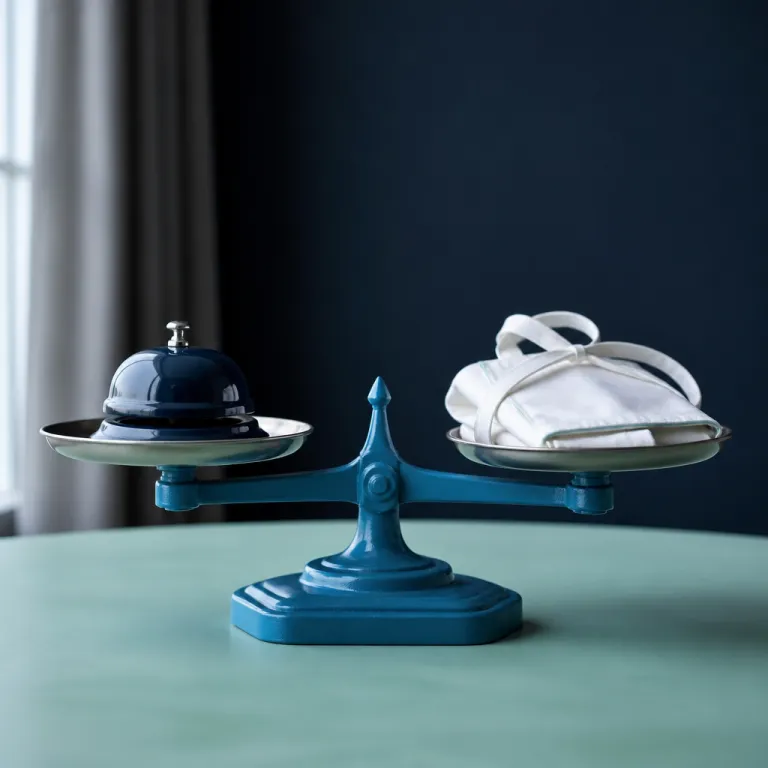
Why the lease versus operate decision now defines hotel restaurant trends
For many hospitality owners, the lease versus operate choice still happens late, almost as a footnote to rooms strategy. Yet in the current hospitality industry cycle, hotel restaurant performance can swing total asset value by several percentage points and reshape guest experiences across all segments. The most successful hospitality companies now treat F&B governance as a board level decision, not a design afterthought.
Across urban hotels and resorts, industry trends show that restaurant industry concepts with strong street access increasingly drive both external covers and higher ADR upstairs. These hotel restaurant decisions influence how guests move through the property, how staff allocate their time, and how the customer journey feels from breakfast to the last cocktail. In practice, hotel restaurants have become cross channel engines that connect rooms, meetings, immersive experiences and local communities into one coherent business story.
For revenue leaders, the core question is no longer whether to have a signature restaurant, but which operating model best aligns with the hotel food positioning and the surrounding restaurant industry landscape. Leasing to a branded operator can stabilise revenue and reduce operational risk, while in house food beverage operations can unlock higher margins and richer guest data. The right answer depends on your market, your team’s experience, and how tightly you want to integrate guest experience, marketing channels and F&B driven demand.
How lease versus operate reshapes guest experience and data ownership
When you lease, you effectively outsource a large part of the guest experience to a specialist, gaining concept expertise but ceding some control over the hospitality narrative. The outside restaurant operator usually owns the customer relationship inside the venue, which means they often capture the most granular data about consumers, spend patterns and visit frequency. In many leased hotel restaurants, the hotel’s CRM only sees room charges, not the full cross channel behaviour that could inform future personalization.
Operating in house flips that equation and keeps the customer journey fully inside the hospitality business, from pre arrival emails to post stay offers. Your équipe can track real time spend across food beverage outlets, link it to room profiles, and build personalized experiences that make each guest feel recognized on every visit. This deeper integration of data, staff training and marketing channels is one reason many upper upscale hotels and resorts still prefer to operate their own hotel restaurant portfolios.
However, lease models can still support strong guest experiences when the contract is structured around shared standards and aligned incentives. Some hospitality businesses now require operators to share anonymised data, participate in joint marketing, and co design immersive experiences that connect the restaurant, lobby bar and events spaces. In these cases, hotel restaurant trends point toward collaborative governance, where both parties treat guest experiences as a shared asset rather than a territorial boundary.
When leasing the restaurant makes more sense than operating it yourself
Leasing the restaurant becomes compelling when the concept risk is high and the hotel lacks the in house expertise to execute at the required level. In gateway cities, hospitality companies often need a brand name chef or a recognised restaurant industry group to cut through the noise and attract local consumers quickly. A lease can transfer much of the operational risk to that partner while still anchoring the hotel restaurant as a flagship for the property.
In luxury hospitality, prestige sometimes matters more than pure F&B margin, especially when the right partner can shift overall hotel restaurant trends in your submarket. A Michelin starred operator or a cult neighbourhood restaurant can transform guest experiences, drive external demand, and reposition the hotel as a dining destination for the entire city. In these cases, the hotel accepts lower direct food beverage profit in exchange for higher ADR, stronger marketing halo and better long term asset value.
Leasing also suits owners who view F&B primarily as a stable income stream rather than a core business capability. Typical lease revenue ranges from roughly 8 to 15 percent of F&B gross, depending on location, concept strength and lease duration. For investors focused on predictable cash flow and limited operational complexity, that fixed or base plus percentage rent can be more attractive than chasing a 20 to 25 percent operated margin with higher volatility and heavier staff management.
Segment specific leasing logic from luxury to select service
At the top end of the hospitality industry, luxury hotels and resorts frequently lease their signature venues to iconic chefs whose names carry global marketing power. These partnerships align with hotel restaurant trends that prioritise destination dining, theatrical experiences and immersive experiences that extend beyond the plate. The hotel benefits from constant media coverage, strong local demand and a guest experience that feels curated by a recognised culinary auteur.
Upper upscale properties, especially those serving corporate travellers and groups, often take a more pragmatic view of the restaurant industry. Here, the focus is on reliable breakfast, efficient lunch, and a bar that keeps guests on property during peak revenue hours. Leasing can still work in this segment, but only when the operator commits to service standards that match brand expectations and integrates with loyalty programmes so that frequent guests feel recognized across all experiences channels.
In select service and limited service hotels, leasing small restaurant spaces to local operators can unlock incremental revenue without adding complex food beverage operations. A strong coffee concept or a casual bistro with its own loyal consumers can enhance guest experiences while keeping payroll light and operational risk low. For owners managing multiple hospitality businesses in a portfolio, this asset light approach can simplify oversight and free time and capital for higher yielding projects elsewhere.
When operating in house protects margin, brand and guest relationships
Operating the restaurant yourself keeps full control of brand expression, menu strategy and service culture inside the hotel. This model aligns with hotel restaurant trends that emphasise integrated guest experiences, where breakfast, lobby bar and in room dining all feel like chapters of the same story. When the F&B concept is tightly linked to the hotel’s positioning, outsourcing that narrative can dilute the overall hospitality experience.
From a financial perspective, well run in house operations can deliver F&B margins in the 20 to 25 percent range, significantly higher than typical lease revenue. That upside comes with higher risk, but it also gives revenue leaders more levers to pull, from menu engineering to dynamic pricing of hotel food offers during peak demand. With full access to data, you can analyse real time spend by segment, adjust marketing channels, and design personalized experiences that increase both check average and stay length.
Owning the restaurant operation also means owning the relationship with every guest who walks through the door, not just those who charge to their room. This matters as hospitality businesses shift toward cross channel loyalty, where a local customer might start as a bar regular, then become a weekend guest, then book events. When your équipe controls the entire customer journey, you can orchestrate immersive experiences that move people fluidly between restaurant, rooms and meeting spaces.
Operational readiness and the cost of getting it wrong
Choosing to operate in house demands a realistic assessment of your staff capabilities, systems and leadership bench. Many hospitality companies underestimate the complexity of running a competitive restaurant industry concept, especially in markets where local consumers have abundant alternatives. Without strong culinary leadership, disciplined cost control and a clear marketing plan, even a beautifully designed hotel restaurant can underperform for years.
Revenue directors should pressure test whether the property has the right general manager, F&B director and chef to execute the desired experience. Ask whether your équipe can manage real time forecasting, labour scheduling and procurement while still delivering personalized experiences that make every guest feel recognized. If the honest answer is no, the theoretical 25 percent margin may never materialise, and a lease or hybrid model might protect both revenue and reputation.
There is also an opportunity cost when senior leaders spend disproportionate time firefighting food beverage issues instead of focusing on rooms, distribution and group sales. In some hotels and resorts, the restaurant becomes a distraction that drains management attention away from higher yielding business lines. In those cases, leasing to a capable operator can refocus the organisation on its core hospitality strengths while still supporting strong guest experiences downstairs.
Hybrid models: management agreements, revenue share and concept licensing
Between pure lease and fully operated models lies a spectrum of hybrid structures that now shape many hotel restaurant trends. Management agreements, revenue share deals and concept licensing allow owners to tap outside expertise while retaining more control and upside than a traditional lease. These structures are particularly attractive in lifestyle hotels and resorts, where F&B is central to the brand but the owner lacks deep restaurant industry experience.
Under a management agreement, the hotel retains the F&B business on its books while an external operator runs day to day operations for a fee. This keeps food beverage revenue and data inside the hospitality business, while leveraging the operator’s systems, staff training and marketing channels. Revenue share models go further by aligning incentives, with both parties participating in upside when guest experiences and covers exceed agreed thresholds.
Concept licensing offers another path, where a hotel restaurant adopts a proven brand, menu and design language under a licensing agreement. The hotel’s équipe operates the venue, but benefits from established playbooks, supplier relationships and cross channel marketing from the parent brand. For hospitality companies managing multiple hotels restaurants across regions, these hybrid models can standardise quality while still allowing local adaptation to consumer preferences and industry trends.
Aligning incentives and protecting the guest journey
The strength of any hybrid model depends on how well incentives align around guest experience, profitability and brand integrity. Contracts should specify not only financial terms, but also service standards, data sharing protocols and joint decision making processes for menu changes or concept refreshes. When both sides share access to real time data on covers, spend and guest feedback, they can adjust quickly and maintain personalized experiences across all experiences channels.
Hybrid structures also allow more nuanced control over how the restaurant interacts with rooms, events and loyalty programmes. For example, a management agreement might require the operator to participate in hotel wide promotions, support elite member benefits, and integrate with the property’s CRM so frequent guests feel recognized at the host stand. This level of integration is harder to achieve under a simple lease, where the operator may prioritise external consumers over in house guests.
For lifestyle hospitality businesses, hybrid models can support immersive experiences that blur the line between lobby, bar, restaurant and co working spaces. The operator brings concept energy and local relevance, while the hotel ensures that the overall customer journey remains coherent from check in to late night. As hotel restaurant trends continue to evolve, these flexible structures are likely to expand, especially in markets where pure leases feel too rigid and full operation feels too risky.
Financial math: comparing lease revenue to operated margins
From a pure P&L perspective, the lease versus operate decision often looks like a trade off between stable, lower income and volatile, higher potential profit. A typical lease might deliver 8 to 15 percent of F&B gross as rent, booked as relatively predictable revenue with limited operating risk. In contrast, a well run in house operation can generate 20 to 25 percent outlet margin, but only if food cost, labour and overhead are tightly controlled by an experienced équipe.
Revenue directors should model multiple scenarios, not just a single base case, when evaluating hotel restaurant options. Start with realistic assumptions about covers, average check, daypart mix and local consumers’ price sensitivity, then stress test them against industry trends and competitive openings. Include capital expenditure, pre opening marketing, and the time required to ramp up guest experiences to target levels, because underperformance in the first two years can materially drag asset returns.
Hybrid models complicate the math but can offer attractive risk adjusted outcomes when structured carefully. A management agreement with a base fee plus incentive tied to GOP can align the operator with both revenue growth and cost discipline, while keeping food beverage data inside the hotel. Revenue share deals can protect downside for the owner while still rewarding the operator for building strong guest experiences and attracting local business through multiple marketing channels.
Beyond outlet P&L: total asset value and indirect returns
Focusing only on the restaurant P&L misses the broader impact of F&B on hotel performance. A strong destination restaurant can lift ADR, improve review scores and increase conversion on direct booking channels, especially when breakfast and bar experiences outperform local alternatives. For a detailed look at how premium pours and by the glass strategies influence both perception and profit, many revenue leaders now study analyses of wine by the glass margin math in hotel dining.
Lease models may show lower direct F&B profit, but they can still enhance total asset value if the operator’s brand attracts high spending consumers and media attention. In some luxury hotels and resorts, the halo from a renowned restaurant industry partner justifies a lower F&B margin because it supports higher room rates and stronger group demand. Conversely, a poorly executed in house concept can depress guest experiences, drag review scores and ultimately reduce both RevPAR and exit valuation.
Owners should therefore evaluate lease versus operate decisions through a total return lens that includes direct outlet profit, incremental room revenue, meeting and events uplift, and long term brand equity. This broader view aligns with how sophisticated hospitality companies now assess hotel restaurant trends, treating F&B not as an isolated business but as a central driver of the overall hospitality journey. The right model is the one that maximises combined financial and experiential value over the full investment horizon, not just next year’s budget.
Guest experience, hotel restaurant integration and segment specific strategies
The operating model you choose will shape how seamlessly the restaurant integrates with rooms, events and other guest touchpoints. In fully operated hotels restaurants, the same leadership team can choreograph the entire guest experience, from welcome drink to late checkout snack. This integration supports cross channel offers, such as packages that bundle breakfast, bar credit and immersive experiences like chef’s table dinners or mixology classes.
Leased venues require more deliberate coordination to avoid a fragmented customer journey that confuses guests. Clear communication about billing, loyalty benefits and reservation priority is essential so that hotel guests feel recognized and valued even when the restaurant is run by an external business. Some hospitality businesses now embed liaison roles whose sole job is to manage the relationship between hotel and operator, ensuring that guest experiences remain consistent across all experiences channels.
Segment matters as well, because luxury, upper upscale and lifestyle properties face different consumer expectations and industry trends. Luxury hotels and resorts can justify more complex partnerships with high profile operators, as long as the resulting restaurant industry concept elevates the entire hospitality narrative. Lifestyle hotels, by contrast, often use hybrid models to keep F&B edgy and locally relevant while still protecting the core guest experience and brand standards.
Breakfast, bars and the often overlooked profit centres
While signature restaurants grab headlines, many hotel restaurant trends are actually being driven by breakfast and bar performance. Revenue leaders increasingly recognise that the morning meal is a booking differentiator that shapes both review scores and repeat business. For a deep dive into how breakfast strategy influences guest experiences and revenue, see this analysis of the hotel breakfast as a booking driver.
Bars and lounges also play a critical role in how guests perceive the hospitality experience, especially in urban hotels and resorts where locals mix with travellers. Whether leased or operated, these venues must align with broader hotel restaurant trends around low waste cocktails, premium by the glass wine and flexible food menus that support both casual consumers and business travellers. The operating model should enable quick adaptation to changing demand patterns, from after work crowds to late night hotel guests seeking relaxed, personalized experiences.
Owners should avoid treating breakfast, lobby bars and grab and go outlets as afterthoughts when negotiating leases or designing in house operations. These spaces often generate the most frequent guest experiences and can significantly influence loyalty, ancillary revenue and overall satisfaction. Structuring agreements so that both hotel and operator care deeply about these dayparts is essential to maintaining a coherent, high quality hospitality journey.
Marketing, data and cross channel performance in leased versus operated models
Marketing strategy and data ownership are now as important as menu design when evaluating hotel restaurant trends. In operated models, the hotel controls branding, digital presence and cross channel campaigns that link rooms, restaurant and events into one coherent story. This allows revenue leaders to use first party data to target high value consumers with personalized experiences, from pre stay dining offers to post stay invitations for local events.
Leased restaurants often run their own marketing channels, which can be both a strength and a weakness for the hotel. On one hand, a strong operator may bring a loyal following, robust social media and powerful word of mouth that benefit the entire hospitality business. On the other, fragmented branding and separate databases can make it harder to track the full customer journey and to measure how restaurant visits influence future hotel bookings.
Hybrid models offer more flexibility, especially when contracts require shared data, joint campaigns and aligned brand guidelines. For example, a management agreement might stipulate that all restaurant reservations capture guest consent for inclusion in the hotel’s CRM, enabling cross channel personalization later. This approach reflects broader hospitality industry trends where F&B is no longer just about food beverage revenue, but about building long term relationships across multiple experiences channels.
Advertising, attribution and the new F&B commercial playbook
As digital advertising costs rise, F&B leaders need sharper attribution models to understand which marketing investments actually drive profitable guest experiences. Operated restaurants give hotels full visibility into the path from ad impression to reservation to spend, enabling more precise optimisation of campaigns. Leased venues complicate this picture, especially when the operator runs separate booking systems and does not share detailed data on consumers and spend.
Some hospitality companies are now rethinking how they advertise F&B, treating it as a performance channel rather than a pure branding exercise. For a detailed look at how strategic campaigns can reshape F&B performance, many revenue directors study this analysis of foodservice advertising in hospitality. The key is to align incentives so that both hotel and operator benefit when marketing drives high value guest experiences, not just footfall.
Regardless of model, the most effective hospitality businesses now treat F&B marketing as an integrated part of the overall commercial strategy. They use real time data to adjust offers, test new experiences channels, and refine messaging so that every guest feels recognized and understood. Whether you operate, lease or choose a hybrid path, the winners will be those who connect restaurant industry creativity with disciplined, data driven hospitality marketing.
Key figures shaping lease versus operate decisions in hotel F&B
- Typical lease revenue for hotel restaurants ranges from roughly 8 to 15 percent of F&B gross, according to multiple brokerage and advisory reports, providing stable income but limited upside.
- Well run operated hotel restaurant outlets can achieve margins in the 20 to 25 percent range on F&B revenue, based on benchmarking from major hospitality consultancies, but only with strong cost control and experienced équipes.
- Industry analyses from firms such as JLL indicate that prestige restaurants operated by external partners are increasingly used as anchor tenants in luxury hotels, supporting higher ADR and asset valuations even when direct F&B margins are lower.
- Guest review data from major online travel agencies consistently shows that properties with highly rated breakfast and bar experiences can see overall review scores improve by 0.3 to 0.5 points on a 10 point scale, which materially influences booking conversion.
- Cross channel marketing studies in the hospitality industry suggest that guests who engage with at least one on property F&B outlet during their stay can generate 20 to 40 percent higher total spend than room only guests, reinforcing the strategic importance of F&B governance.
FAQ about leasing versus operating hotel restaurants
When is leasing a hotel restaurant preferable to operating it in house ?
Leasing is preferable when the hotel lacks strong F&B expertise, when a high profile operator can materially elevate the brand, or when owners prioritise stable, low risk income over maximising outlet margin. It is also attractive in markets where a recognised restaurant industry name can quickly attract local consumers and media attention. In these situations, the lease can support overall guest experiences and asset value even if direct food beverage profit is lower.
How does the operating model affect guest experience integration ?
Operated models allow the hotel to control every aspect of the guest experience, from breakfast to late night room service, ensuring a coherent narrative across all touchpoints. Leased models require more coordination to align service standards, loyalty benefits and communication so that guests do not feel a disconnect between rooms and restaurant. Hybrid structures can balance these needs by combining external expertise with shared standards and joint data strategies.
What financial metrics should owners use to compare lease and operate options ?
Owners should compare expected lease revenue as a percentage of F&B gross against projected operated margins, while also factoring in capital expenditure, ramp up time and management bandwidth. They should model multiple demand scenarios and consider total asset impact, including effects on ADR, occupancy and meeting and events revenue. A comprehensive view looks beyond outlet P&L to the combined financial and experiential value created by each model.
Are hybrid F&B models becoming more common in hotels ?
Hybrid models such as management agreements, revenue share deals and concept licensing are becoming more common, especially in lifestyle and upper upscale segments. These structures let hotels access specialist restaurant industry expertise while retaining more control over brand, data and guest experience than a pure lease. They also allow more flexible incentive structures that can better align both parties around long term performance.
How should data and marketing be handled in leased restaurant arrangements ?
In leased arrangements, contracts should clearly define data sharing, CRM integration and joint marketing responsibilities to avoid fragmented customer journeys. Ideally, both hotel and operator agree on shared KPIs, coordinated campaigns and mechanisms for tracking how restaurant visits influence future hotel bookings. This approach ensures that F&B activity strengthens the broader hospitality business rather than operating in isolation.