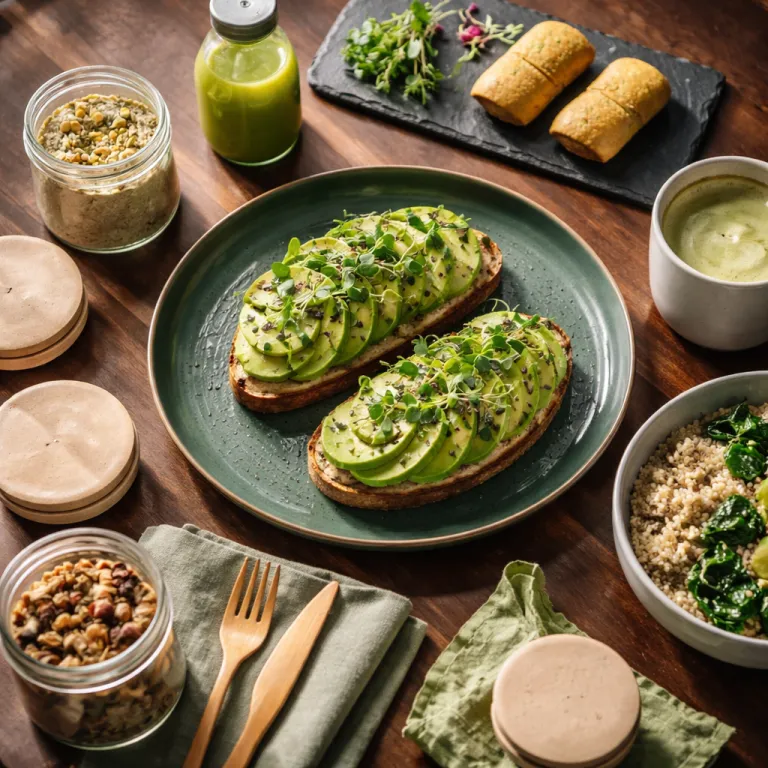
From generic buffet to signature breakfast: where differentiation really starts
Across hotels, breakfast has shifted from obligatory amenity to strategic lever. Morning dining now influences booking decisions almost as strongly as spa access or late checkout, especially for high value travelers who treat the first meal of the day as part of the overall hospitality narrative. For a general manager, the question is no longer whether to offer breakfast, but how the morning program can move both guest satisfaction and total revenue per available room.
Industry surveys consistently show that a majority of in-house guests choose to eat on property in the morning; for many full service and upper midscale brands, internal data places that figure between 70 % and 80 %. STR’s Hotel Food & Beverage Performance reports and chain level P&L benchmarks indicate that roughly 4 % to 6 % of total hotel revenue is effectively allocated to complimentary or bundled breakfast, once food cost, labor, and overhead are included. In that context, the margin impact of every buffet layout, every room service tray, and every coffee or tea choice becomes material for the P&L. Properties that treat breakfast as a brand signature rather than a pure cost line are the ones turning morning service into a booking driver instead of a grudging obligation.
Higher end travelers already show their priorities clearly. Research from WATG Advisory and other hospitality analysts notes that around 60 % of luxury guests prefer staying at hotels with strong restaurant offerings, and that preference now extends to the first meal of the day. Guests expect high quality breakfast items that match the positioning of the hotel food served at lunch and dinner. In practice, this means that evolving breakfast concepts are forcing brands and independent hotels alike to rethink everything from buffet engineering to extended stay pantry design and in room breakfast ideas. As one regional VP for a European upscale chain put it in an internal leadership roundtable, “If our breakfast feels generic, the whole stay feels generic.”
Chef driven stations and curated menus: the new face of the breakfast buffet
The classic self service buffet is not disappearing, but its role is changing fast. The most competitive hotels are moving toward chef driven breakfast stations and compact à la carte menus that reduce waste while lifting perceived value for every guest. In this model, the buffet becomes a curated canvas, while live cooking and made to order breakfast items carry the storytelling.
Interactive elements such as omelette stations, fresh juice pressing, and pastry finishing counters consistently generate higher per cover spend and more review mentions than static chafing dishes, according to guest sentiment analyses and brand level comment mining. Guests talk about the chef who remembers their order, not the stainless steel pan of scrambled eggs, and that emotional memory feeds directly into guest experience scores. For brands positioning their lobby restaurant as a third space for locals and travelers, these breakfast innovations align closely with placemaking strategies that treat hotel F&B as part of the property’s social infrastructure.
For a GM, the operational question is where the breakeven sits between labor heavy stations and lower labor, higher waste buffets. Kitchen teams that track plate counts, waste kilos, and labor minutes per breakfast service often find that a smaller, high quality buffet combined with targeted live stations beats the old model on both cost and guest satisfaction. A practical rule of thumb many operators use is to target a breakfast food cost of 25 % to 30 % of breakfast revenue and to flag any item with more than 8 % plate waste for redesign. The key is to align morning offerings with the hotel room mix, from suites full of families to solo business travelers, and to adjust breakfast ideas by day of week and season rather than locking into a single static plan.
Digital menus, dietary personalization and the new breakfast expectations
Guest expectations around health, allergens, and personalization have risen sharply, and modern breakfast programs reflect that shift. Entegra and similar procurement partners note that guests now expect dietary personalization such as keto, paleo, and gluten free options to be visible through dynamic digital menus, not hidden behind a conversation with a rushed server. For hospitality leaders, this is less about chasing every diet fad and more about building a flexible service framework that can adapt without breaking the kitchen.
Digital ordering systems allow guests to filter breakfast items by allergens, macronutrient profile, or cultural preferences before they even leave the hotel room. When integrated with loyalty profiles, these tools can surface tailored breakfast ideas hotel by hotel, such as plant forward bowls in urban brands and protein heavy grab and go boxes in airport suites properties. Used well, this technology reduces friction for the guest while giving chefs clean data on which morning offerings actually move, which in turn informs smarter food and beverage purchasing. Operators increasingly rely on POS analytics, kitchen display systems, and menu engineering dashboards to refine portion sizes and remove low performing dishes.
Interactive meals like chef led stations generate higher per cover spend and satisfaction, and digital tools can amplify that effect by pre selling upgrades or time slots. A guest might pre book a barista level coffee service or a pastry tasting flight through the app, just as they would reserve a table for dessert innovation in a signature restaurant that focuses on operational excellence. The same logic that elevates dessert menus with precise engineering can be applied to breakfast, where structured upsell ladders, clear communication, and data driven menu design turn morning service into a disciplined revenue engine rather than a chaotic rush.
Economics of breakfast: waste, labor and the real breakeven point
Behind every attractive breakfast buffet lies a spreadsheet of waste percentages, labor hours, and negotiated food costs. Morning service is increasingly shaped by the tension between reducing waste and maintaining enough abundance to satisfy guests who equate full displays with value. The pandemic years accelerated this shift, pushing many hotels to test grab and go options, flexible pricing models, and pre packaged meals that cut both labor and spoilage.
Some hotels are reconsidering free breakfasts due to costs, and that reconsideration is not just about room rates but about the structure of service itself. When roughly 4 % to 6 % of revenue is tied up in complimentary breakfast, a GM must know exactly how much of that spend is lost in untouched buffet trays versus invested in high quality breakfast items that drive guest satisfaction and repeat bookings. Entegra’s waste reduction case studies and pilot programs with major chains suggest that tools such as kitchen IoT sensors and predictive prep models can cut 20 % to 35 % of food waste, with direct impact on GOP margins.
The breakeven between buffet and à la carte is rarely static, because it depends on occupancy patterns, extended stay mixes, and the share of guests who actually eat on property. With internal property data often showing that around three quarters of in house guests take breakfast on site, even small changes in portioning, coffee and tea brewing protocols, or room service tray fees can shift the economics meaningfully. A simple operational checklist many revenue leaders use includes: tracking breakfast revenue per occupied room, monitoring cost per guest against budget, reviewing waste by category at least weekly, and testing at least one upsell such as paid barista upgrades or premium buffet zones each quarter.
Breakfast as booking driver: how reviews, OTAs and brands connect the dots
Online reviews have turned breakfast from a quiet back of house concern into a visible competitive battleground. Properties with compelling dining report substantial surges in positive reviews, and the morning meal is often the most frequently mentioned service in those comments. When a hotel moves from a 4.0 to a 4.7 rating on major platforms after a breakfast overhaul, the impact on conversion and direct bookings is immediate and measurable in brand reporting.
On OTA platforms, filters and review snippets increasingly highlight hotel breakfast quality, buffet variety, and perceived value of morning service. Guests scan for phrases about fresh food, strong coffee, and attentive service long before they look at meeting room photos or spa descriptions, which means breakfast performance hotel by hotel now influences corporate RFP decisions as well as leisure choices. For brands, this creates a need for clear breakfast standards that still allow local ideas, such as regionally sourced items or partnerships with nearby food suppliers that add authenticity.
Global brands like Hilton have already used breakfast as a differentiator between flags, from focused service hotels with streamlined buffets to extended stay suites concepts with in room kitchenettes and optional communal breakfast offerings. Independent hotels can compete by turning their morning meal into a local signature, using hotel food storytelling and targeted coffee and tea programs to stand out in crowded urban markets. A boutique city property, for example, might move from a generic continental spread to a curated buffet with local bakery partnerships and barista coffee, then see breakfast related review mentions double within six months. The common thread is that breakfast items are no longer judged only on taste, but on how they contribute to overall guest experience, perceived generosity, and the sense that the hospitality team understands modern travelers.
Designing breakfast for different segments: business, leisure and extended stay
Not every guest wants the same breakfast, and hotel strategies are fragmenting along segment lines. Business travelers often prioritise speed, predictability, and quiet seating, while leisure guests may value indulgence, local food stories, and Instagram ready displays. Extended stay guests sit somewhere in between, seeking variety over time and the flexibility to alternate between in room options and social breakfast spaces.
For corporate heavy hotels, the winning formula often combines a compact, high quality buffet with strong grab and go options and efficient room service for those working in the hotel room. Here, breakfast ideas hotel teams test might include pre ordered trays, timed coffee delivery, or bundled breakfast items with meeting room rentals to simplify billing. In contrast, resort properties can lean into experiential offerings such as floating trays in private pools, chef hosted stations, or terrace coffee service that turns the first meal into a memory rather than a transaction.
Extended stay suites properties face a different challenge, because guests quickly tire of repetitive buffets and low quality hotel food. Successful operators blend in room kitchen capability with communal breakfast service, offering rotating buffet themes, occasional live stations, and clear communication about options for guests who prefer to cook. Across all segments, the hotels that win are those that treat breakfast strategy as a living discipline, continuously testing new ideas, measuring guest satisfaction, and adjusting food and beverage investments to match the evolving expectations of both first time and returning guest segments. As one F&B director at a North American extended stay brand noted in a recent conference panel, “We stopped thinking of breakfast as a fixed cost and started managing it as a product line.”
Key figures shaping hotel breakfast strategies
- Internal brand data in many full service and upper midscale hotels indicates that around 70 % to 80 % of in house guests eat breakfast on site, which makes morning service the highest reach F&B touchpoint in most properties.
- Major chains report that approximately 4 % to 6 % of total hotel revenue is effectively spent on complimentary or bundled breakfast, so small efficiency gains in service design can materially improve GOP margins.
- WATG Advisory notes that about 60 % of luxury travelers prioritise staying at hotels with strong restaurants, indicating that breakfast quality now influences high value booking decisions.
- Properties with compelling dining concepts often see double digit increases in positive reviews, and breakfast is frequently the most mentioned meal in guest comments according to internal review mining.
- Industry analyses from Entegra highlight that guests expect digital menus to handle dietary personalization such as keto, paleo, and gluten free choices, pushing hotels toward technology enabled breakfast offerings.
FAQ about hotel breakfast trends and operations
Are hotels eliminating free breakfasts for all guests ?
Some hotels are reconsidering free breakfasts due to costs, especially in segments where rate pressure is high and breakfast uptake is uneven. Many brands are moving toward tiered breakfast service, keeping complimentary options for elite loyalty members or specific packages while offering paid upgrades for premium breakfast items. The goal is to align breakfast economics with guest expectations rather than removing the amenity entirely.
What are grab and go breakfast options in a hotel context ?
Grab and go breakfast options are pre packaged meals designed for quick consumption by guests who do not have time for a full buffet or sit down service. Typical items include yoghurt pots, fruit, bakery items, and barista style coffee, often available from the lobby or a dedicated retail corner. These options reduce seating pressure during peak times and can lower labor costs while still supporting guest satisfaction.
Why are healthier breakfast options becoming standard in hotels ?
Healthier breakfast options are trending because guests increasingly prioritise nutritious and high quality meals that match their lifestyle choices. Entegra and other industry observers report rising demand for plant based dishes, low sugar items, and clearly labelled allergens in hotel breakfast offerings. Hotels that respond with thoughtful menu engineering rather than token gestures typically see stronger guest experience scores and better review sentiment.
How should guests evaluate a hotel breakfast before booking ?
Guests should check hotel breakfast offerings before booking by reading recent reviews, looking at photos, and confirming whether breakfast is included or charged separately. It is also wise to consider dietary needs, such as gluten free or vegetarian requirements, and to see whether the hotel provides clear information about allergens and preparation methods. For travelers who value local food, researching whether the property partners with nearby suppliers can indicate a more authentic breakfast experience.
What role do local suppliers play in modern hotel breakfast concepts ?
Local food suppliers help hotels differentiate their breakfast service by adding regional products, seasonal ingredients, and stories that resonate with both domestic and international guests. Working with nearby bakeries, roasters, or farms can elevate perceived quality while supporting community relationships and sometimes improving freshness. For many independent hotels, these partnerships are a core part of their breakfast strategy and a key talking point in marketing and reviews.