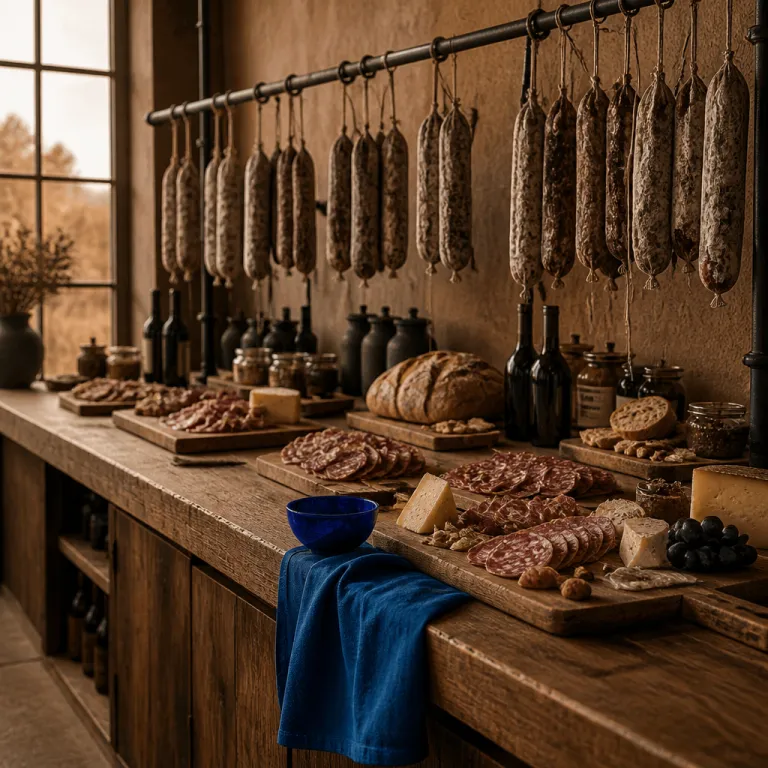
Dry salami as a high margin pillar in hotel and resort F&B
Dry salami sits at the intersection of artisan cured meats and scalable hotel operations. For Directeurs F&B and chefs exécutifs, this cured sausage made from pork and beef can become a structured profit center when treated as a strategic category rather than a simple meat garnish. In multi outlet properties, a clear framework for dry salami usage across breakfast, bar, banqueting, and retail dramatically improves both perceived quality and actual food cost control.
From a technical standpoint, dry salami is a dry cured sausage that relies on controlled fermentation, lactic acid development, and slow drying to stabilize meat and fat. The starter culture used in making salami governs safety, texture, and flavor, which means that choosing between an italian style salame, a genoa salami, or a more rustic cured salami is not only a culinary decision but also a risk management one. When you standardize specifications for italian salami and other cured meats, you can negotiate a better price per pack while maintaining high quality and consistent flavor across all outlets.
Producers such as Fiorucci Foods and Dietz & Watson illustrate how italian dry salami and American style salami can coexist within the same menu strategy. According to Dietz & Watson published nutrition data for selected products, a typical labeled serving of their dry salami is in the range of 110 calories, 10 grams of fat, and 6 grams of protein, which positions this cured sausage as an indulgent but portion controllable food for premium buffets and à la carte. When your équipe understands these data points and converts them into a standard 25–30 gram portion, salami will be sliced more intelligently, and the perceived value of each meat and cheese board will rise without eroding margin.
Designing profitable menu architectures around dry salami
Menu engineering with dry salami starts by mapping every touchpoint where cured meats appear, from lobby bars to in room dining. Once these touchpoints are clear, you can build families of offers where italian dry salami, genoa salami, and other style salami options are positioned as best sellers with clear upsell paths. This approach lets you move guests from a basic sausage plate to a curated cured salami and meat cheese experience with minimal extra labor.
For example, a bar menu might feature a small plate of cured meats with one italian salami, one dry sausage, and a local cured sausage, while the restaurant offers a larger sharing board with three salami natural references and complementary cheeses. If a 90 gram bar plate uses three 30 gram portions and your landed cost is typically in the range of 0.30–0.35 per portion in local currency, you can often price the plate at 9–11 (USD or EUR, depending on market) and still protect a gross margin above 70% in many hotel environments. By presenting gluten free crackers and clearly labeling gluten free cured meats, you increase accessibility without diluting the italian style narrative. When guests can easily add a premium cured salami pack to their cart in digital menus, the incremental revenue per cover rises with almost no additional kitchen activity.
Cross category thinking is essential; the same way some properties elevate desserts through strategic dessert innovation, you can elevate savory snacking with high quality dry cured products. A clear tiering of price points for salami and other cured meats helps investors restauration understand where margin is generated and where brand equity is built. Over time, tracking which salami popular formats convert best in room service, banqueting, and bar service will reveal which cured sausage lines deserve more purchasing volume and which should be rotated out.
Operational excellence in sourcing and handling cured salami
Operational discipline around dry salami sourcing is non negotiable for hotel groups and exploitants indépendants. You need written specifications that define meat origin, fat content, fermentation profile, and whether the product is positioned as natural or conventional. These specifications should differentiate between italian dry salami, genoa salami, and other italian style sausages so that quality and price can be benchmarked transparently.
Working with producers such as Fiorucci Foods for italian salami and Dietz & Watson for hard salami and other cured meats allows you to balance industrial reliability with recognizable brand storytelling. Their use of dry curing and fermentation with a controlled starter culture ensures that lactic acid development is predictable, which is critical for food safety in large scale hospitality environments. When these cured meats arrive in a standardized pack format, your équipe can implement precise yield calculations, typically targeting high usable yield on pre sliced salami (often above 90% in practice), and reduce waste while maintaining a consistent flavor profile.
Back of house, clear standard operating procedures for receiving, storing, slicing, and plating cured salami protect both quality and safety. A dedicated curing chamber is not necessary when you buy finished dry sausage, but you must still manage temperature, humidity, and exposure to air to preserve the best flavor and texture. Simple rules such as holding unopened packs at 0–4°C, limiting open shelf life to a few days in line with manufacturer guidance, and standardizing slice thickness to 1–2 millimeters help stabilize both guest experience and cost. As with strategic bread programs built around pane rustico and other high margin loaves, described in this analysis of a strategic bread platform, a disciplined approach to cured sausage handling turns a simple meat product into a reliable profit engine.
Flavor innovation and pairing strategies for premium guest experiences
Flavor design is where dry salami truly becomes a tool for culinary innovation rather than a commodity. By playing with pepper intensity, fat marbling, and smoke notes, chefs exécutifs can create a spectrum of cured salami experiences that align with different brand positions, from lifestyle select service to ultra luxury. A lighter italian style salame with gentle fermentation can suit breakfast buffets, while a robust cured sausage with pronounced lactic acid tang and black pepper works better for late night bar menus.
Thoughtful pairing with meat cheese selections is essential; a delicate italian salami pairs well with soft cow cheeses, while a more assertive genoa salami stands up to aged sheep cheeses and pickled vegetables. When you design boards that balance meat, fat, acidity, and texture, guests perceive the offer as curated and high quality, even if the underlying cost of goods remains tightly controlled. This is where salami natural claims, such as the use of natural ingredients and traditional methods, can be highlighted without drifting into unsubstantiated marketing language.
Beverage alignment matters as much as the cured meats themselves, and it should be planned with the same rigor you would apply to a modern tea or coffee program. For instance, the way some properties rethink herbal infusions, as shown in this guide to leveraging chamomile tea in beverage programs, can inspire similar thinking about how dry cured salami interacts with low alcohol cocktails, vermouth, or non alcoholic pairings. When your équipe trains service staff to explain why a specific italian dry salami works with a particular drink, the perceived value of the entire experience increases, and salami will no longer be seen as a simple garnish but as a central narrative element.
Health, transparency, and guest communication around cured meats
Guests are increasingly attentive to nutrition, allergens, and processing methods, which directly affects how dry salami should be presented in hospitality settings. Clear labeling of calories, fat content, and protein per portion, such as the approximate 110 calories, 10 grams of fat, and 6 grams of protein per serving reported for some branded salami on the Dietz & Watson nutrition pages, helps guests make informed choices without feeling lectured. When you communicate that dry salami is a cured meat produced through fermentation and dry curing, you demystify the product and reinforce trust.
Transparency around ingredients is equally important; specifying whether a salami is gluten free, whether it uses a traditional starter culture, and whether it is positioned as salami natural or more conventional allows guests to self select. For some hotel concepts, offering both gluten free cured meats and classic italian salami on the same board can reconcile wellness expectations with indulgence. The key is to avoid health washing while still acknowledging that cured sausage is an indulgent food, not a diet product, and to frame portion size and frequency accordingly.
From a communication standpoint, training staff to explain basic concepts such as lactic acid development, the role of fermentation in making salami safe, and the difference between dry sausage and fresh sausage builds credibility. When a guest asks, “What is dry salami?” and the server can answer with the precise definition “A cured sausage made from pork and beef.”, the interaction signals professionalism. If the guest continues with “How is dry salami made?”, the staff can confidently respond “Through dry curing and fermentation.” and, when nutrition comes up, they can add “What are the nutritional facts of dry salami? Around 110 calories, 10g fat, 6g protein per serving, based on typical branded data.”, using these verified statements to anchor the conversation.
Commercial models, retail extensions, and investor perspectives
For groupes hôteliers and investors restauration, dry salami offers attractive opportunities beyond on premise consumption. Pre packed cured salami and other cured meats can be sold as retail items in lobby boutiques, airport hotel kiosks, and resort shops, turning a back of house ingredient into a front of house revenue stream. When guests can add a premium italian dry salami pack or a mixed cured sausage selection to their cart during online check in or mobile ordering, the incremental revenue per stay increases with minimal extra labor.
To make this work, you need a clear segmentation of products into everyday items and best sellers, with transparent price ladders and margin targets. Entry level salami might focus on value and volume, while high quality italian style salami and genoa salami lines emphasize origin stories, natural ingredients, and artisanal methods. Investors will look for evidence that salami popular formats are not only driving revenue but also reinforcing brand positioning, especially when aligned with broader food and beverage narratives such as regional italian style concepts or local charcuterie collaborations.
Partnerships with producers like Fiorucci Foods and Dietz & Watson can support co branded offers where cured salami and meat cheese assortments are sold as gifts or take home packs. These collaborations allow exploitants indépendants to access marketing assets and product education that would be difficult to generate alone, while larger hotel groups can negotiate exclusive formats or flavors. Over time, tracking which cured meats and dry salami references perform best across regions will guide portfolio optimization, and salami will become a measurable lever in the overall F&B stratégie rather than a static line on the purchasing list.
Key figures and performance indicators for dry salami programs
- Per serving, some branded dry salami delivers around 110 calories, 10 grams of fat, and 6 grams of protein, which positions it as a dense but portion controllable cured meat for premium buffets and bar snacks (figures based on Dietz & Watson publicly available nutrition information for selected products).
- Each 30 gram serving of cured sausage typically represents a small fraction of total daily protein needs but a significant share of recommended saturated fat intake, which is why portion control and menu context are critical in hospitality environments.
- Growing demand for natural ingredients and artisanal salami has led to increased interest in salami natural and gluten free cured meats, pushing producers to refine starter culture choices and fermentation profiles to maintain safety while meeting clean label expectations.
- Dry curing and fermentation, when managed correctly with a reliable starter culture, significantly extend shelf life compared with fresh sausage, which reduces waste and improves ROI for hotel groups managing multi outlet operations.
- Positioning dry salami and other cured meats as best sellers in bar and in room dining menus can lift average check values, especially when integrated into meat cheese boards and retail packs that guests can add to their cart through digital ordering platforms.
FAQ about dry salami in hospitality operations
What is dry salami in a hotel and restaurant context ?
Dry salami in hospitality is a cured sausage made from pork and often beef, stabilized through dry curing and fermentation, then sliced or portioned for buffets, bar snacks, and meat cheese boards. It is classified among cured meats and dry sausage products, which means it has a longer shelf life than fresh sausage. For operators, this stability makes dry salami a reliable component of high margin menu items.
How is dry salami made, and why does it matter for F&B directors ?
Dry salami is produced by grinding meat and fat, seasoning with salt and pepper, inoculating with a starter culture, then allowing controlled fermentation and drying until the product is fully dry cured. This process generates lactic acid, which lowers pH and makes the cured salami safe and shelf stable when handled correctly. For Directeurs F&B, understanding this process is essential for assessing supplier quality, storage requirements, and food safety risks.
What are the nutritional implications of serving dry salami to guests ?
A typical serving of dry salami provides about 110 calories, 10 grams of fat, and 6 grams of protein according to representative branded nutrition labels, so it is energy dense and relatively high in fat compared with many other protein options. This profile makes cured sausage best suited to small portions within shared plates, meat cheese boards, or bar snacks rather than as a primary protein at every meal. Clear communication and thoughtful portioning allow guests to enjoy the flavor of italian salami and other cured meats without feeling misled about their nutritional impact.
How can hotels integrate gluten free and natural cured meats without complicating operations ?
Hotels can specify gluten free and salami natural options within their purchasing standards, ensuring that at least one cured salami and one dry sausage line meet these criteria. By using pre sliced or pre portioned pack formats, the équipe can avoid cross contamination and simplify mise en place while still offering guests a choice between classic italian style salami and cleaner label alternatives. Clear labeling on menus and buffets completes the system without adding significant operational complexity.
Which suppliers are relevant for large scale dry salami programs in hospitality ?
For large hotel groups and exploitants indépendants, producers such as Fiorucci Foods and Dietz & Watson are relevant because they combine consistent quality with distinct style salami portfolios. Fiorucci Foods focuses on italian dry and italian salami, while Dietz & Watson is known for hard salami and other cured meats. Working with a mix of these suppliers allows F&B leaders to balance price, quality, and storytelling across different outlets and concepts.