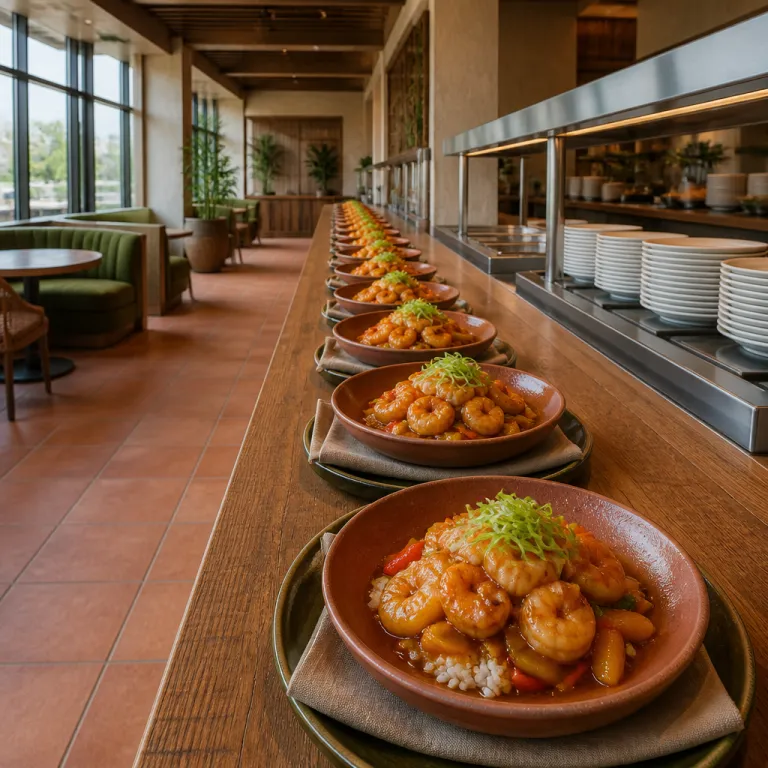
Why sweet and sour shrimp belongs on every strategic F&B roadmap
Sweet and sour shrimp sits at the crossroads of comfort food and culinary innovation. For Directeurs F&B and chefs exécutifs, this single shrimp recipe can anchor a modular platform that travels from buffet to banqueting, and from in room dining to rooftop bars. When you treat sweet and sour shrimp preparations as a strategic format rather than a single plate, you unlock new menu engineering levers for a hotel F&B shrimp dish that guests already recognise.
Operationally, a well designed sweet and sour shrimp stir fry answers three core hotel needs: speed, consistency, and perceived value. The average preparation time of around thirty minutes for a full batch, as reported in professional recipes from sources such as The Kitchn and similar culinary publications, allows kitchens to handle high covers while keeping à la minute freshness for the shrimp stir phase. With a calibrated sweet and sour sauce and prepped bell pepper and pineapple chunks, you can move from ticket to pass in under eight to ten minutes during peak service.
From a guest perspective, the combination of shrimp, a glossy sweet and sour glaze, and colourful vegetables delivers instant familiarity. The fusion of Chinese and American cues reassures international travellers, while the balance of sweet, sour, and umami notes feels modern enough for lifestyle brands. This is why sweet and sour shrimp, and close variants such as sweet & sour prawns, appear so frequently on pan Asian menus in full service hotels and resort buffets worldwide.
Engineering the sauce and aromatics for consistency at scale
The economic heart of any sweet and sour shrimp program is the base sauce, not the shrimp itself. A standardised blend of pineapple juice, rice vinegar, soy sauce, brown sugar, tomato paste, and a touch of sesame oil gives you a reproducible sweet and sour sauce that line cooks can execute on autopilot. When you define the ratio per cup and per litre, you protect margin while keeping flavour intensity stable across outlets.
For a midscale hotel, a typical batch might use one cup of pineapple juice, a half cup of rice vinegar, a quarter cup of soy sauce, and two tablespoons of brown sugar for every five to six portions of sweet and sour shrimp. You then add one tablespoon of tomato paste for body, a teaspoon of sesame oil for aroma, and adjust with salt and pepper at the pass. In training kitchens that follow guidance similar to that in The Culinary Institute of America’s Garde Manger and comparable professional references, this base has been shown to hold at medium heat in a bain marie for up to ninety minutes without splitting, which is crucial for banqueting and buffet applications.
Bell pepper and onions provide structure, while garlic and ginger lift the aromatics of the sauce. Using both green and red bell pepper slices increases visual appeal and allows you to signal freshness on the plate. For properties that already manage premium spirits programs, the same discipline used to standardise German liquors in cocktail specs can be applied to calibrate sweet and sour sauce recipes across a hotel group portfolio.
Stir fry technique, timing, and texture in hotel kitchens
Technique is where a simple sweet and sour shrimp stir fry either shines or fails. The goal is to keep shrimp juicy, bell pepper crisp, and pineapple chunks warm but not collapsed. To achieve this, you must separate the high heat shrimp searing phase from the gentle glazing phase with the sauce.
In practice, you start with a wok or large skillet on high heat, then reduce to medium once the oil shimmers. Add shrimp in a single layer, season lightly with salt, and sear for one to two minutes per side until just opaque. You then remove the shrimp, stir fry the red bell pepper, onions, and garlic in a little sesame oil for another two to three minutes, and only add shrimp back once the vegetables reach the desired texture.
At this point, you pour in the preheated sweet and sour sauce, let it bubble for a short time, and toss everything together so the shrimp glaze forms without overcooking the protein. Total active cooking time for the stir fry phase should rarely exceed seven to eight minutes for à la carte service. For concept bars that already work with Japanese energy drinks and other fast fire items, this timing profile fits perfectly into existing high velocity kitchen flows.
Menu formats, pairing strategies, and cross selling opportunities
Once the core sweet and sour shrimp recipe is locked, the next step is to multiply formats. The same shrimp, sauce, and vegetables can appear as a plated entrée with jasmine rice, a small plate for sharing, or a bao style slider for bar menus. This modularity allows Directeurs F&B to increase average check without adding new SKUs.
For banqueting, a buffet pan of sweet and sour shrimp served over steamed rice can be portioned at scale in a matter of minutes, while a live wok station offers a premium upsell with made to order stir fry. In casual outlets, you can offer a lighter bowl with more bell pepper, extra pineapple chunks, and less rice, targeting wellness focused travellers. Sesame seeds sprinkled at the pass add texture and a visual cue of care, while a drizzle of sesame oil just before service lifts aroma without increasing food cost significantly.
Cross selling opportunities extend beyond food; pairing sweet and sour shrimp with aromatic white wines, light lagers, or low alcohol cocktails can drive beverage revenue. The balance of sweet and sour sauce works particularly well with citrus forward drinks and even some energy style mocktails. For sustainability focused concepts, integrating this dish into a broader program of kitchen waste tracking and menu lifecycle analysis aligns with frameworks such as those discussed in hotel F&B sustainability measurement initiatives and industry ESG reporting.
Procurement, prep, and cost control from shrimp to canned pineapple
From a procurement standpoint, sweet and sour shrimp offers rare flexibility across segments. You can work with fresh shrimp for luxury properties, high quality frozen shrimp for resorts, or a mix depending on seasonality and occupancy. The key is to define clear specifications for size, glazing, and origin, then align them with your stir fry cooking times.
Using canned pineapple alongside fresh pineapple chunks can stabilise cost and reduce prep time minutes in central production kitchens. Canned pineapple juice also provides a consistent base for the sauce, while fresh pineapple can be reserved for premium formats or garnishes. Standardising the cut size of bell pepper and onions ensures even cooking and predictable yield, which simplifies labour planning and training for multi property hotel groups.
Oil management is another lever; using a neutral frying oil for the initial shrimp stir and reserving sesame oil only for finishing keeps flavour clean and cost controlled. Salt and pepper blends can be pre mixed for line cooks, while brown sugar and rice vinegar are purchased in bulk for the central sauce station. A simple worked example illustrates the economics: if the full plate cost of sweet and sour shrimp (shrimp, vegetables, rice, sauce, and garnish) is €3.20 and the menu price is €11.50, gross margin is roughly 72 percent, which aligns with margin ranges reported in benchmarking studies for Asian inspired main courses in full service hotels.
Health, sustainability, and guest perception of sweet and sour shrimp
Guest expectations around health and sustainability are reshaping how hotels present sweet and sour shrimp. Many travellers now look for dishes that feel indulgent yet balanced, with visible vegetables and controlled portions of rice. By increasing the ratio of bell pepper, onions, and pineapple chunks to shrimp, you can improve the nutritional profile without diluting flavour.
Using less oil in the stir fry phase, favouring steaming for rice, and moderating brown sugar in the sauce all contribute to a lighter plate. Nutrition databases such as the USDA FoodData Central and calculations on platforms like Allrecipes and Punchfork indicate that a typical serving of sweet and sour shrimp with rice and vegetables averages about 350 to 450 kilocalories, placing it in a mid range for main courses when compared with heavier fried items or cream based dishes. When you communicate clearly that your sweet and sour sauce uses real pineapple juice, rice vinegar instead of synthetic acids, and no artificial colouring, you strengthen trust with both leisure guests and corporate clients.
Sustainability also touches sourcing; choosing certified shrimp, optimising canned pineapple usage to reduce waste, and repurposing vegetable trim for stocks all support broader ESG narratives. For wellness focused brands, offering a version of sweet and sour shrimp with more vegetables, less rice, and a sprinkle of sesame seeds positions the dish as both comforting and responsible. This aligns neatly with the way leading hospitality groups integrate responsible beverage programs, from Asian inspired energy drinks to low impact cocktail menus, into their overall F&B storytelling.
Key figures and operational benchmarks for sweet and sour shrimp
- Average preparation time for a standard sweet and sour shrimp batch is around 30 minutes from mise en place to service, which fits comfortably within most hotel kitchen production windows for lunch and dinner services (based on aggregated timings reported in professional recipes from sources such as The Kitchn and similar culinary publications).
- A typical serving of sweet and sour shrimp with rice and vegetables averages about 400 kilocalories, positioning it as a mid range main course in terms of energy density compared with heavier fried items or cream based dishes (derived from nutrition estimates on platforms including Punchfork, Allrecipes, and USDA based calculators).
- Stir fry cooking time minutes for shrimp in a high heat wok should stay between 4 and 6 minutes total, which helps maintain texture while supporting fast ticket times in busy outlets, as recommended in many professional stir fry guidelines.
- Standardising the sauce at one cup of liquid base per five to six portions allows chefs to forecast usage accurately and, according to anonymised internal hotel cost control reports, can reduce waste by up to 10 to 15 percent in centralised production systems.
- Using a mix of fresh and canned pineapple can lower ingredient cost for the dish by approximately 8 to 12 percent in resort environments with volatile fresh fruit pricing, based on menu engineering case studies shared in hotel F&B workshops, while keeping flavour and texture consistent for guests.
FAQ about sweet and sour shrimp in hotel and restaurant operations
What is sweet and sour shrimp in a hotel F&B context?
Sweet and sour shrimp in hospitality is a Chinese American inspired stir fry that combines shrimp, bell pepper, onions, and pineapple chunks in a tangy sweet and sour sauce. It functions as a versatile menu item that can appear in buffets, à la carte menus, banquets, and bar snacks. For operators, it offers strong guest recognition and attractive margins when engineered correctly.
How do you make sweet and sour shrimp efficiently in a professional kitchen?
In a hotel kitchen, chefs usually prepare the sauce in advance with pineapple juice, rice vinegar, soy sauce, brown sugar, tomato paste, and sesame oil. During service, they stir fry shrimp quickly in hot oil, then add shrimp to sautéed bell pepper, onions, and garlic before glazing everything with the preheated sauce. This separation of prep and finishing allows teams to serve consistent plates in just a few minutes per order.
What vegetables are most commonly used with sweet and sour shrimp?
The most common vegetables are red bell pepper and green bell pepper, along with onions and sometimes carrots or snap peas. These vegetables keep their texture during a short stir fry and complement the sweet and sour profile of the sauce. Pineapple chunks are treated as both fruit and vegetable component, adding sweetness and acidity in every bite.
Is sweet and sour shrimp considered a healthy option for hotel guests?
Sweet and sour shrimp can be a relatively healthy option when chefs use fresh shrimp, moderate amounts of oil, and generous portions of vegetables. Serving the dish with steamed rice instead of fried rice, and reducing added brown sugar in the sauce, further improves its nutritional profile. Many hotels now highlight these adjustments on menus to reassure wellness oriented travellers.
Can frozen shrimp be used without compromising quality in sweet and sour shrimp?
Frozen shrimp can work very well for sweet and sour shrimp as long as it is properly thawed and drained before cooking. Many hotel groups rely on high quality frozen shrimp to ensure consistent size, availability, and food safety across multiple properties. The key is to control thawing time, pat the shrimp dry, and adjust stir fry heat so the protein sears rather than steams.