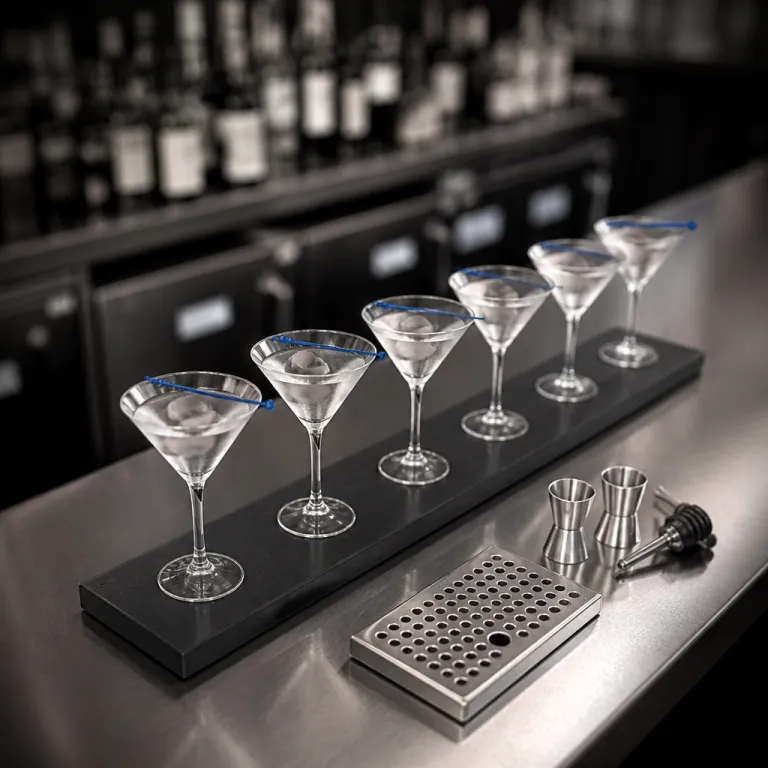
Why martini alcohol volume is now a strategic F&B variable
For hospitality leaders, martini alcohol volume is no longer a trivial bar detail. It has become a lever that shapes guest perception of a cocktail, drives check averages, and defines the positioning of a beverage program. A clear policy on alcohol content in martini service also protects your team, mitigates risk, and supports responsible consumption standards.
At its core, a classic martini is a spirit-forward cocktail built from a base spirit and fortified wine, traditionally gin and vermouth. In most hotel bars, the base spirit such as gin or vodka sits around 40% ABV, while the vermouth as a fortified wine averages about 18% ABV, and this balance defines both taste and alcohol concentration. When these elements are stirred with ice in a mixing glass and strained into a chilled glass, dilution lowers the final alcohol volume but still delivers a premium drink that often equals around two standard drinks according to national alcohol unit guidance in markets such as the US, UK, and Australia.
For Directeurs F&B and chefs exécutifs, this means every martini cocktail served carries a measurable impact on standard drink counts per guest. Industry references such as the ChefsResource guide “How Many Ounces Are in a Martini?” (accessed 2024, chefsresource.com), combined with public-health benchmarks from organisations like the World Health Organization (WHO) and national health agencies, indicate that the alcohol content of a standard martini is approximately 30% ABV and that one serve typically falls in the 1.5 to 2 standard drink band. When you scale this across a busy lobby bar, rooftop venue, and in-room drinks, the cumulative martini alcohol volume becomes a core operational KPI rather than a back-bar detail.
Deconstructing the martini build : from ABV math to guest experience
Understanding martini alcohol volume starts with the build ratio between spirit and vermouth. A traditional dry martini might use 6 cl of gin at 40% ABV and 1.5 cl of vermouth at 18% ABV, then gain roughly 20% dilution from ice, which together yields a final alcohol concentration close to the 30% ABV benchmark. In practice, this means about 2.4 cl of pure alcohol in a 9 cl drink, or roughly 1.6 standard drinks if you use the common 1.5 cl pure-alcohol definition used by many national health authorities. When your bar team adjusts this ratio to create extra-dry or wetter styles, the alcohol content shifts in parallel, even if the glass and garnish remain identical.
To make this ABV math tangible for training, consider a second example: a “wetter” martini with 5 cl of vodka at 40% ABV and 3 cl of vermouth at 18% ABV, stirred to around 25% dilution. The total liquid volume after dilution is approximately 10 cl. The pure alcohol from vodka is 5 cl × 40% = 2 cl, and from vermouth 3 cl × 18% = 0.54 cl, giving 2.54 cl of pure alcohol in the glass. Dividing 2.54 cl by the 1.5 cl standard drink reference yields about 1.7 standard drinks, slightly lower in perceived strength than a very dry martini but still firmly in the strong-cocktail category.
For hotel groups positioning a premium martini program, the choice of spirit directly influences both perceived luxury and actual alcohol volume. A vodka martini built with Grey Goose vodka, for example, communicates a premium positioning, yet the vodka ABV remains similar to a high-quality gin, so the standard drink count stays comparable. The same logic applies when you design a vodka–vermouth pairing for a signature cocktail martini, where the guest may focus on taste and brand while you quietly manage the underlying standard drinks framework.
Wine-based elements also matter when you integrate sparkling wine or still wine into martini-inspired cocktails and alcohol variations. A sparkling wine topper can visually elevate a free cocktail style aperitif while actually lowering the overall alcohol volume compared with a pure spirit-forward martini cocktail. For investors in restauration, this opens a path to higher perceived value drinks with lower alcohol content, which can extend dwell time and encourage food pairings such as refined carpaccio, as analysed in this piece on carpaccio di manzo as a strategic lever for modern hospitality menus.
Designing martini families : from classic to lower alcohol and alcohol free
A resilient beverage program treats the martini not as a single cocktail but as a family of drinks with calibrated alcohol volume tiers. At the top sits the classic martini or dry martini, usually around 30% ABV and clearly positioned as a spirit-forward standard drink for confident connoisseurs. Below that, you can engineer lower alcohol martini cocktails and finally alcohol free martini style drinks, each with its own pricing, glass choice, and service ritual.
For the high-strength tier, a classic martini or extra-dry martini built with gin or vodka and a restrained measure of vermouth will remain your benchmark alcohol cocktail. Here, transparent communication about alcohol content and standard drinks is essential, especially in markets where duty of care and corporate policies are tightening. Training bartenders and mixologists to explain that a single martini often represents close to two standard drinks helps align guest expectations with responsible service.
The mid tier focuses on lower alcohol options that still respect martini structure. You might reduce the spirit measure, increase vermouth, and add chilled water or a small sparkling wine component to moderate alcohol volume while preserving taste and aroma. The lowest tier then explores alcohol free martini interpretations using dealcoholised wine, zero-proof spirit alternatives, and brine or botanical infusions, which can be framed as a free cocktail martini experience for guests who want the ritual without the alcohol, a topic that connects naturally with the different ways to order a martini explored in this article on elevating guest experience through martini ordering styles.
Operational standards : measuring, training, and controlling martini alcohol volume
Once martini alcohol volume is defined on paper, the operational challenge is to deliver it consistently across all outlets. That means codifying recipes in centilitres, specifying spirit and vermouth brands, and standardising dilution through clear stirring or shaking times in the mixing glass. Without this discipline, the same martini cocktail can fluctuate wildly in alcohol content from shift to shift, undermining both guest trust and liability management.
For Directeurs F&B, the first non-negotiable is accurate measurement of every spirit and vermouth pour. Jiggers or calibrated pourers should be mandatory for all cocktails, including vodka martini and dry martini variants, even in premium lounges where flair bartending is encouraged. When bartenders understand that a deviation of just 1 cl of vodka or gin can shift the ABV and standard drinks count, they become partners in your alcohol concentration strategy rather than creative risks.
Training should also address how different glass shapes influence guest perception of alcohol volume. A smaller, elegant martini glass filled to the rim can feel more generous than a larger glass partially filled, even when the actual alcohol content is lower. By aligning glassware, ice policy, and stirring technique, hotel groups can maintain a coherent martini alcohol volume across properties, while independent operators can use these standards to differentiate their bar as both premium and responsible.
One regional F&B director for an upscale European hotel group summarised the impact of these standards simply: “When we moved to recipe cards with centilitre measures, fixed stirring times, and ABV calculations for every martini variant, guest complaints about ‘weak’ or ‘too strong’ drinks dropped by half, and our incident reports related to overconsumption declined in parallel.” This kind of testimonial underlines how technical controls on martini strength translate directly into safer, more predictable guest experiences.
Menu engineering : pricing, positioning, and pairing around martini strength
Martini alcohol volume is a powerful variable in menu engineering for both hotel groups and independent operators. A higher strength classic martini or extra-dry vodka martini can justify a premium price point, especially when linked to recognised brands such as Grey Goose or to craft gin and artisanal vermouth. At the same time, a curated range of lower alcohol and alcohol free martini style drinks can broaden your audience and extend the average durée of stay at the bar.
Positioning should be explicit on the menu, with clear indications of alcohol content and relative strength. Some operators use a simple icon system to show whether a cocktail martini sits in the high, medium, or low alcohol volume band, while others indicate approximate standard drinks per serve. This transparency builds trust with guests, reassures corporate clients booking events, and helps your team upsell responsibly rather than pushing the strongest drinks by default.
Pairing strategy also benefits from a structured view of martini alcohol concentration. A strong spirit-forward martini cocktail works well as a pre-dinner drink with salty bites, while a lower alcohol martini variation can accompany lighter dishes or even desserts without overwhelming the palate. When you integrate dessert pairings, consider how a slightly softer martini might sit alongside a glass of French dessert wine, as analysed in this article on how French dessert wine can elevate modern hospitality beverage programs, and use this contrast to create layered tasting journeys.
Future proofing martini programs : health, regulation, and guest expectations
Health consciousness and regulatory pressure are reshaping how guests and authorities view martini alcohol volume in hotels and restaurants. Corporate travellers, younger guests, and wellness-focused tourists are increasingly attentive to alcohol content, often alternating between cocktails, wine, beer, and alcohol free options during the same evening. Beverage programs that ignore this shift risk losing relevance and revenue to more agile competitors.
Forward-looking Directeurs F&B are therefore building martini portfolios that integrate classic martini strength, lower alcohol variants, and sophisticated alcohol free martini cocktails. They track sales data, guest feedback, and incident reports to refine the balance between strong spirit-forward drinks and lighter options, adjusting recipes and ABV targets as regulations evolve. In this context, the question “How many standard drinks are in a martini?” with the answer “Typically between 1.5 and 2 standard drinks, depending on pour size and dilution.” becomes more than a technical detail; it is a foundation for policy, training, and communication.
Innovation will continue around non-alcoholic spirits, dealcoholised wine, and hybrid serves that blur the line between cocktail and aperitif. For suppliers, this creates opportunities to propose new vermouth styles, vodka alternatives, and ready-to-serve martini bases with clearly stated alcohol volume and alcohol concentration. For investors in restauration, concepts that manage to combine premium positioning, precise control of martini alcohol volume, and a credible range of alcohol free and lower alcohol drinks will be best placed to capture both margin and long-term guest fidélité.
Key figures on martini alcohol volume and standard drinks
- A standard martini typically reaches approximately 30% ABV after dilution, which places it significantly above the strength of most wine by volume and close to neat spirit in perceived impact for some guests (source: ChefsResource, “How Many Ounces Are in a Martini?”, accessed 2024, chefsresource.com; aligned with producer technical sheets for 40% ABV base spirits and 15–18% ABV vermouths).
- One martini usually represents about 1.5 to 2 standard drinks, meaning that two martinis can equal up to four standard drinks and should be treated as a full evening’s alcohol intake for many guests (source: ChefsResource responsible service guidelines, accessed 2024, chefsresource.com, and national alcohol unit frameworks that define a standard drink as 10–14 g of pure alcohol).
- Base spirits such as gin or vodka used in martini builds commonly sit at around 40% ABV, while vermouth as a fortified wine averages about 18% ABV, and this gap explains why small changes in the spirit to vermouth ratio can materially alter alcohol content (source: producer technical sheets and ChefsResource data, accessed 2024; consistent with WHO guidance on beverage strength categories).
FAQ about martini alcohol volume in hospitality programs
What is the alcohol content of a standard martini in a hotel bar ?
Most professionally built martinis in hotel bars reach an alcohol content of around 30% ABV after stirring with ice and accounting for dilution. This aligns with the reference that the alcohol content of a standard martini is approximately 30% ABV. For operational purposes, you should treat each martini as a strong cocktail that typically falls between 1.5 and 2 standard drinks, depending on your house pour.
How many standard drinks should I count for one martini on my menu ?
For training and responsible service policies, you should count one martini as between 1.5 and 2 standard drinks. ChefsResource and similar bar training materials indicate that there are about 1.5 to 2 standard drinks in a martini, and this range reflects variations in pour size, spirit choice, and dilution. Using this benchmark helps your team make consistent decisions about refills and cut-off points.
Can I replace gin with vodka in my martini program without changing ABV ?
Yes, you can replace gin with vodka to create a vodka martini without significantly changing the final ABV, provided the vodka has a similar strength to the gin. Industry references confirm that a martini can be made with vodka instead of gin and that this version is called a vodka martini. Any change in alcohol volume will come mainly from pour size, vermouth ratio, and dilution rather than from the switch between these two base spirits.
How can I lower martini alcohol volume without losing guest satisfaction ?
You can lower martini alcohol volume by slightly reducing the spirit measure, increasing vermouth, and managing dilution more generously, while keeping the same glass and garnish. Another strategy is to create lower alcohol martini variations that incorporate sparkling wine or aromatised wine, which maintain a sophisticated taste profile with fewer standard drinks. Clear menu communication and staff training ensure guests understand these options as intentional, premium choices rather than compromises.
Where should I position alcohol free martini style drinks on my menu ?
Alcohol free martini style drinks should sit within the same family as classic martinis but clearly labelled as zero alcohol, ideally with their own sub section. Placing these cocktails near lower alcohol options signals that you take moderation seriously while still offering a full ritual in a martini glass. This approach encourages mixed groups to stay longer, order more rounds, and feel that every guest, regardless of alcohol preference, has a premium experience.