Why sustainable FB hospitality now moves booking scores and RevPAR
Sustainable FB hospitality has shifted from a corporate slide to a booking filter. In the hospitality industry, sustainability now shapes how guests choose a hotel restaurant, how investors value a food and beverage business, and how global brands position their F&B concepts against competitors. For any F&B Director or hotel management team, the question is no longer whether sustainability practices matter, but how precisely they will move guest satisfaction, average daily rate, and long term asset value.
Guest data is clear: F&B satisfaction scores already sit above 80% across segments, and sustainable practices are becoming the differentiator that nudges a 4.3 rating to 4.7 on major platforms. Booking.com’s 2023 Sustainable Travel Report, for example, found that 76% of travellers want to travel more sustainably, and 65% say they would feel better about staying in a property with a sustainability label (Booking.com, 2023). When hospitality businesses integrate sustainable sourcing, waste reduction, and eco friendly packaging into daily management systems, they reduce food waste and energy consumption while lifting perceived quality and value. That combination of lower operating cost and higher review scores is where impact sustainability becomes a hard financial metric, not just an environmental social aspiration.
Guests now expect hotel restaurants to eliminate single use plastics, show credible Fairtrade and Rainforest Alliance certifications, and communicate clearly on food waste initiatives. Booking platforms reward this shift: sustainability badges on Booking.com and filters on Google Travel push compliant properties higher in search, which directly increases visibility with customers who filter for eco friendly hospitality. For investors and brands, sustainable FB hospitality therefore becomes a lever to de risk assets, protect margins in a volatile supply chain, and future proof restaurant concepts against tightening regulations on packaging and emissions.
Building the sustainability measurement stack for hotel F&B
A credible sustainable FB hospitality strategy starts with a measurement stack that is as robust as your revenue management system. In most hospitality businesses, the missing link is structured data on food waste, water use, carbon intensity of sourcing, and the real environmental impact of packaging and logistics. Without that, sustainability remains a narrative, not a management tool that F&B directors can use to steer restaurant performance and negotiate with suppliers.
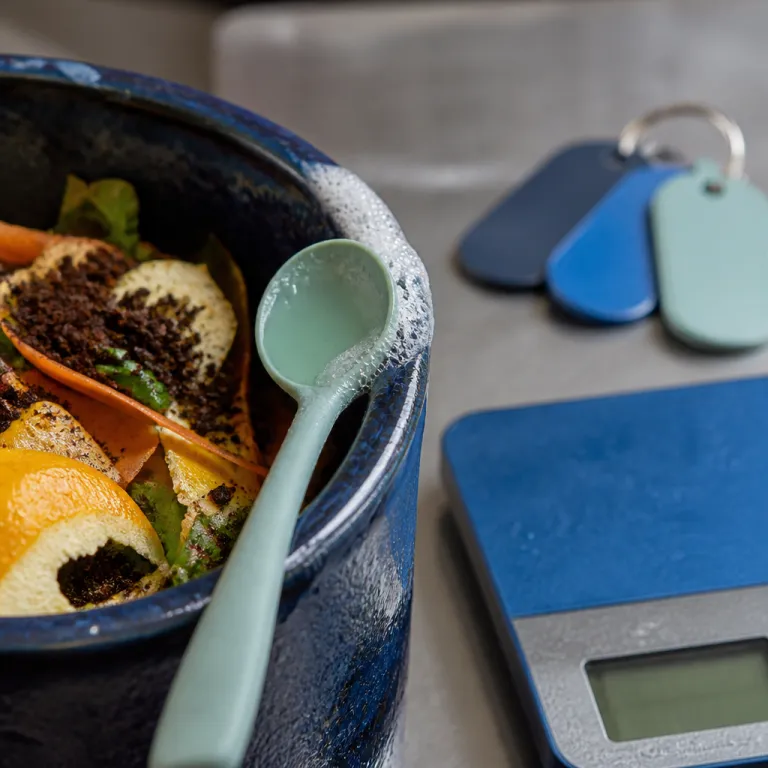
The core stack for the hospitality industry now includes food waste tracking software, connected weighing scales, and data analytics platforms that integrate with POS and inventory systems. Hotels that implement these systems typically follow a clear timeline: they start by measuring pre consumer food waste in the kitchen, then extend to buffet and banquet waste, and finally adjust production and menu engineering based on the data. WRAP and Champions 12.3 report that hotels and restaurants using structured waste tracking can cut food waste by around 30–40%, with potential annual savings near 50,000 USD per property in full service operations, even when underreporting of food waste in tracking systems reaches 30% (WRAP & Champions 12.3, 2019). Those are not marginal gains for an F&B business operating on single digit net margins.
Technology now goes further with kitchen IoT and predictive prep tools that analyse historical covers, booking pace, and seasonality to recommend batch sizes and mise en place volumes. As detailed in this analysis of kitchen IoT and predictive prep for waste reduction, hotels are cutting waste by 20 to 35% while stabilising labour and food cost. For a hotel restaurant, that means less overproduction on breakfast buffets, tighter control of plant based mise en place, and more accurate ordering along the supply chain, which directly reduces environmental impact and strengthens the sustainable positioning of the brand.
From kitchen waste data to booking score impact
Once the measurement stack is in place, the next challenge in sustainable FB hospitality is translating kitchen data into guest facing value. Food waste numbers, energy consumption dashboards, and sourcing reports only matter when they inform decisions that customers can feel in the restaurant, at the buffet, or in room service. The link between sustainability and booking score impact is built through menu design, service storytelling, and visible operational changes that reinforce trust.
Hotels that use waste and sourcing data intelligently often start with breakfast, because this meal drives a disproportionate share of F&B guest satisfaction and review comments. By analysing food waste patterns, F&B management can trim low moving items, right size portions, and introduce more plant based options that travel better on buffets and reduce spoilage. When these sustainable practices are paired with transparent communication on sustainable sourcing, Fairtrade coffee, and Rainforest Alliance certified cocoa, guests perceive higher quality and stronger values, which feeds directly into review narratives on Booking, Google, and social media.
One global management company reported that consistent green practices, from food waste tracking to sustainable packaging, delivered 3 to 5% food cost savings while supporting higher guest satisfaction scores (internal portfolio analysis, 2022). A midscale city hotel in this group started with a baseline of 0.32 kg of breakfast waste per cover and an average online rating of 4.2/5. After six months of structured waste logging, menu simplification, and clear in restaurant messaging about food waste and responsible sourcing, breakfast waste fell to 0.19 kg per cover and the property’s rating rose to 4.5/5, with more guests mentioning sustainability positively in reviews (case study, 2021). That type of result is echoed in many case studies on elevating guest experience through sustainable food practices in hotels, where sustainability practices are framed as guest benefits, not operational constraints. When guests read that a restaurant has eliminated single use plastics, sources seafood responsibly, and uses eco friendly packaging for takeaway, they reward the brand with higher ratings and stronger loyalty, which in turn improves booking platform visibility and pricing power.
Technology tools that turn sustainability into a management discipline
For a Hotel Tech & Innovation Lead, sustainable FB hospitality is now a technology deployment question as much as a culinary one. The hospitality industry is moving from manual spreadsheets and anecdotal reporting to integrated systems that automate sustainability practices and generate auditable data for owners and brands. Selecting the right tools, and aligning them with existing F&B workflows, is where many businesses either unlock value or create digital noise.
At kitchen level, IoT sensors track refrigeration temperatures, equipment energy consumption, and even door openings, feeding data into central dashboards that highlight anomalies and optimisation opportunities. Food waste tracking software combines weighing scales with user friendly interfaces so kitchen staff can log waste by station, time, and reason, which allows management to identify structural issues rather than blaming individuals. Hotels use data analytics platforms to correlate waste peaks with occupancy, events, and menu changes, turning sustainability into a continuous improvement loop rather than a one off project.
On the sourcing side, procurement systems now tag products by sustainable sourcing attributes such as Fairtrade certification, Rainforest Alliance status, or plant based origin, enabling F&B directors to track the percentage of sustainable items across restaurants and banqueting. Automated reporting tools then aggregate environmental social indicators, from food waste reduction to single use plastics elimination, into dashboards that owners and investors can read alongside financial KPIs. When these systems are integrated with CRM and social media listening tools, hotels can even track how sustainability messaging influences customer sentiment, repeat business, and the overall impact sustainability has on brand equity.
Reporting frameworks for owners, brands, and guests
Data without narrative does not move capital, so sustainable FB hospitality needs reporting frameworks that speak the language of each stakeholder. Owners and investors in the hospitality industry want to see how sustainability practices affect EBITDA, asset valuation, and risk exposure across their portfolio of restaurants and hotels. Global brands, by contrast, focus on consistency, compliance with environmental social commitments, and the reputational strength that comes from credible sustainable sourcing and packaging policies.
For owners, the most effective reports link food waste reduction and energy consumption savings directly to P&L lines, showing how investments in systems or sustainable packaging pay back over a defined period. A clear example is when waste tracking and kitchen IoT deliver a 20 to 35% reduction in food waste, translating into tens of thousands of euros in annual savings and a measurable improvement in gross operating profit (WRAP & Champions 12.3, 2019). When combined with higher guest satisfaction scores and better booking platform visibility, these reports demonstrate that sustainable practices are not a cost centre but a driver of business resilience and upside.
Guests and corporate customers require a different lens, one that focuses on transparency and trust rather than technical detail. Public facing sustainability reports, menu icons for Fairtrade and Rainforest Alliance products, and concise explanations of food waste initiatives help customers understand how their choices support eco friendly hospitality. As one expert summary puts it, "Hotels use tracking systems to monitor and analyze food waste." and "Why is sustainability important in hotel F&B?" "It reduces environmental impact and attracts eco-conscious guests." and "Do guests prefer hotels with sustainability practices?" "Yes, many guests favor hotels committed to sustainability."; these statements capture why clear communication on sustainability practices now influences booking decisions as much as room design or location.
Benchmarking performance and using sustainability as a commercial lever
The final layer of sustainable FB hospitality is benchmarking, because no F&B director can manage what they cannot compare. Internal trends are useful, but owners, brands, and asset managers increasingly ask how a given restaurant or hotel sits against its competitive set on sustainability metrics. That means building peer comparisons for food waste per cover, energy consumption per occupied room, and the share of sustainable sourcing in total F&B spend.
Industry associations, technology providers, and sustainability consultants now aggregate anonymised data across hundreds of hospitality businesses to create benchmarks by segment, region, and concept type. A 3 star city hotel with a high volume breakfast buffet will have different waste and packaging profiles than a luxury resort with multiple signature restaurants, so benchmarks must be contextualised carefully. When a property sees that its food waste per guest is 20% above the median, or that its use of single use plastics is out of line with peers, management gains a clear mandate to invest in innovations such as reusable packaging, plant based menu shifts, or smarter supply chain planning.
Commercial teams can then use strong sustainability performance as a sales argument with corporate accounts, tour operators, and event planners who have their own environmental social targets. A hotel that can document waste reduction, sustainable packaging adoption, and credible Fairtrade and Rainforest Alliance sourcing will win RFPs where sustainability scoring now sits alongside rate and location. For beverage led concepts, linking a responsible wine or spirits program to regional stories, such as how Porto wine can anchor high performing hotel beverage programs in this case study on beverage strategy, reinforces the idea that impact sustainability is not a constraint but a creative and commercial advantage for the restaurant brand.
Key figures that frame sustainability in hotel F&B
- Structured food waste tracking in hotels can reduce food waste by around 40%, which often translates into approximately 50,000 USD in annual savings per property according to industry analyses from WRAP and Champions 12.3; this level of waste reduction has a direct and measurable impact on F&B profitability (WRAP & Champions 12.3, 2019).
- Studies indicate that underreporting of food waste in tracking systems can reach 30%, meaning that the real opportunity for waste reduction and cost savings in many hospitality businesses is significantly higher than initial dashboards suggest (WRAP & Champions 12.3, 2019).
- Kitchen IoT and predictive preparation tools are helping hotels cut food waste by 20 to 35%, a range that typically represents several percentage points of food cost improvement and a substantial reduction in environmental impact per cover served (portfolio case analyses, 2020–2022).
- Global F&B guest satisfaction scores now average above 80% across 3, 4, and 5 star segments, and properties that align sustainability practices with guest expectations often see incremental gains in review scores that translate into better booking visibility and higher achievable rates (internal benchmarking studies, 2021).
- Management companies that embed consistent green practices across their restaurant portfolios report 3 to 5% food cost savings, demonstrating that sustainability practices such as sustainable sourcing, eco friendly packaging, and energy optimisation can deliver tangible financial returns (portfolio case analyses, 2020–2022).
FAQ about measuring sustainability in hotel F&B
How do hotels measure food waste in their kitchens?
Hotels typically combine food waste tracking software with weighing scales at key kitchen stations to log the quantity, type, and reason for food waste. This data is then analysed through analytics platforms to identify patterns by meal period, outlet, or menu item. The insights allow F&B management to adjust production, sourcing, and menu design to reduce waste without compromising guest experience.
Why is sustainability so important in hotel F&B operations?
Sustainability in hotel F&B reduces environmental impact, lowers operating costs, and aligns the restaurant brand with evolving guest expectations. By focusing on sustainable sourcing, waste reduction, and energy efficiency, hotels can improve profitability while strengthening their positioning on booking platforms that highlight eco friendly properties. This combination of financial and reputational benefits makes sustainability a core management priority rather than a peripheral CSR topic.
Do guests really prefer hotels with visible sustainability practices?
Guest behaviour on booking platforms and in post stay surveys shows a clear preference for hotels that demonstrate credible sustainability practices. Features such as the elimination of single use plastics, use of Fairtrade and Rainforest Alliance certified products, and transparent communication about food waste initiatives all contribute to higher satisfaction scores. These preferences are especially strong among corporate travellers and younger segments, who often filter for eco friendly options when choosing accommodation.
Which sustainability metrics matter most for F&B directors and owners?
For F&B directors and owners, the most critical metrics include food waste per cover, energy consumption per occupied room or per outlet, percentage of sustainable sourcing in total spend, and the financial impact of waste reduction initiatives. Linking these indicators to guest satisfaction scores and booking platform performance creates a holistic view of impact sustainability. This integrated perspective helps justify investments in systems, training, and innovations that support long term business resilience.
How can smaller independent hotels start measuring sustainability without large budgets?
Independent hotels can begin with low cost steps such as manual food waste logging, basic energy meter checks, and simple spreadsheets to track sustainable sourcing percentages. As the team builds familiarity and identifies quick wins, they can phase in affordable digital tools, often starting with entry level waste tracking apps or plug and play IoT sensors. The key is to focus on a few high impact areas, prove the business case, and then scale sustainability practices as savings and guest feedback validate the approach.