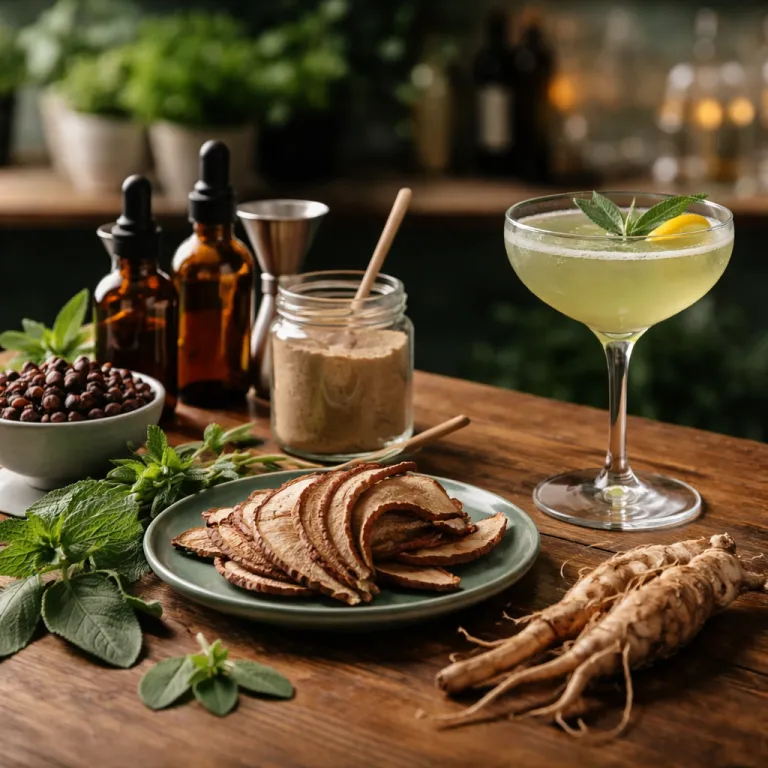
From wellness shelf to hotel bar concepts that actually sell
Non alcoholic spirits now rank among the top ten most used ingredient types on beverage menus worldwide, with CGA by NIQ’s 2023 On Premise Measurement data placing them seventh in many urban markets. For the modern hotel bar, this means functional drinks can no longer be treated as a side project. When over half of consumers report moderating alcohol intake in surveys from IWSR and Distill Ventures, the opportunity is not just to add a token mocktail to the restaurant bar list but to build beverage programs where functional ingredients, pricing architecture, and interior design work together to drive both covers and RevPAR. For Directeurs F&B and investors, the question is simple yet unforgiving: which bar ideas around adaptogens and no alcohol cocktails will convert curiosity into repeat orders and measurable guest experience gains.
Adaptogens are natural substances that help the body respond to stress, and they now sit alongside gin and vermouth on the bar counter in many luxury hotel properties. Ashwagandha, rhodiola, lion's mane, and L theanine move from wellness shelf to bar area only when the bar design, lighting, and seating plan support a narrative of calm focus rather than clinical supplementation. In a competitive hotel lobby where the lounge doubles as a bar restaurant and co working space, the interior design must signal that this is a modern bar for mindful drinking, not a juice bar accidentally dropped into a five star hotel.
Some functional ingredients translate seamlessly into hotel bar concepts, while others belong in the spa. Lion's mane and other functional mushrooms integrate well into stirred, spirit forward style drinks, especially when the restaurant interior uses warm lighting and dark furniture to frame a more contemplative bar lounge experience. Highly bitter or intensely earthy adaptogens work better in a dedicated wellness area or breakfast room, unless the bar counter team has the technique, training, and menu language to balance them with citrus, salinity, and texture. At London’s The Connaught Bar, for example, a limited run of mushroom accented low alcohol cocktails in 2022 achieved repeat order rates above 30 percent in internal tracking, illustrating how carefully framed functional flavours can perform commercially when supported by a coherent design and service story.
Choosing functional ingredients that fit your bar restaurant identity
Not every wellness trend deserves a place on a luxury bar counter, and the strongest hotel bar concepts start with a clear positioning statement. A luxury hotel focused on business travellers might prioritise L theanine, citicoline, and lion's mane for focus and calm, while a resort hotel bar could lean into ashwagandha and rhodiola for stress relief and recovery after outdoor activities. The key is to align functional ingredients with the existing restaurant design, guest journey through the lobby, and the broader guest experience promise of the property.
Adaptogens can be both alcoholic and non alcoholic, which gives the modern bar a flexible toolkit to serve different guests at the same seating. A bar lounge can offer a Negroni style drink with a low alcohol base and rhodiola, next to a completely non alcoholic spritz built on a distilled botanical spirit and ashwagandha, while the restaurant bar pours a classic French apéritif for those who still want tradition. This spectrum only works when the hotel lobby flow, bar stools comfort, and interior design details such as lighting levels and furniture textures support longer dwell times and higher check averages.
Herbalists and functional beverage producers are becoming strategic partners for hotel bars that want to move beyond gimmick status. Sheridan Lane, Director, Culinary Program and Operations at a leading hospitality education provider, frames the opportunity clearly: “What are adaptogens?” and “Why use adaptogens in cocktails?” and “Are adaptogen cocktails non-alcoholic?” are now questions that bar teams must be ready to answer with confidence at the counter. Collaborations with brands such as Curious Elixirs, founded by former creative director John Wiseman, or RIVR functional beverages, represented by beverage strategist Michael Castello, can de risk product development while keeping the bar design and restaurant interior firmly anchored in the hotel’s own identity rather than in external branding.
For properties with a strong heritage narrative, functional cocktails can sit alongside regional spirits and liqueurs without diluting the story. A grand bar in a Parisian style lobby might build a section that pairs French liquor heritage with modern adaptogen driven twists, using a content hub on French liquor heritage and innovation in hospitality as a training reference for the équipe. In that context, the bar area becomes a bridge between classic luxury bar expectations and contemporary wellness, supported by thoughtful design ideas in the room corridors and adjacent restaurant space.
Pricing, margin, and menu architecture for functional hotel bar concepts
Functional cocktails cost more to build than a simple gin and tonic, yet many hotel bars still underprice them as if they were soft drinks. A sustainable strategy is to position functional cocktails at 80 to 90 percent of full alcohol pricing, reflecting the premium ingredients and training required while still rewarding guests for moderating their intake. When half sized cocktails at half the price are trending, a modern bar can use tasting flights of functional drinks to increase trial, then trade guests up to full size serves during the same seating.
The global functional beverage market already exceeds 200 billion USD, and the adaptogen segment grows at more than 6 percent annually, according to recent industry analyses from firms such as Grand View Research and Mordor Intelligence, which signals that this is not a passing fad but a structural shift in demand. For a luxury hotel, that means the bar counter should carry a core range of functional SKUs with clear recipe costing, rather than occasional specials that confuse the équipe and the guest. Revenue directors should model scenarios where a 10 percent mix of functional cocktails at near parity pricing lifts overall bar revenue without cannibalising classic signatures, especially in a bar lounge that attracts both in house guests and local residents.
Menu design is where pricing strategy becomes visible to the guest and to the bartender. Some hotel bars succeed with a dedicated functional section that sits between signature cocktails and non alcoholic drinks, while others weave adaptogens through the main list with subtle icons and clear benefit statements. Whichever route you choose, the restaurant design and lighting should make the menu legible at every seating position, from the high bar stools at the counter to the low lounge furniture in the lobby area.
Cross selling between outlets can also support the business case for functional ingredients. A hotel restaurant might feature a mocha dessert that echoes the flavour profile of a coffee based functional cocktail, using operational insights from programs such as mocha milkshake driven coffee profitability to align prep and mise en place. When the same adaptogenic syrup or mushroom extract appears in both the bar and the breakfast room, the hotel bar concepts gain economies of scale without compromising the guest experience in any space.
Training bartenders to sell benefits, not buzzwords
Functional cocktails fail when bartenders cannot explain them in plain language, and this is where many otherwise beautiful hotel bar concepts lose momentum. Guests do not want a lecture on neurochemistry at the bar counter, but they do expect the équipe to articulate why a drink with lion's mane or L theanine costs as much as a classic Martini. The training goal is to make bartenders speak about adaptogens the way sommeliers speak about terroir, with confidence, brevity, and relevance to the guest experience.
Structured training should cover three layers: what the ingredient is, what the guest might feel, and how it fits into the overall bar design narrative. For example, lion's mane can be framed as a functional mushroom associated with focus, then linked to a modern bar concept that supports guests working in the lounge or lobby area during the day. Ashwagandha can be positioned as a stress support ingredient that pairs naturally with the softer lighting and more intimate seating in the evening bar lounge, especially in a luxury hotel where the interior design already signals sanctuary.
Role play at the bar counter is more effective than classroom style presentations. Have bartenders practice explaining a functional spritz to a time pressed business guest at the hotel lobby, then to a wellness focused leisure guest settling into a corner of the restaurant bar, adjusting language and detail level each time. This training should extend to the restaurant équipe and room service team, because functional cocktails ordered from the room or the restaurant interior still rely on the same clear, confident messaging.
Partnerships with culinary schools and functional beverage companies can deepen expertise without overwhelming the operation. Sheridan Lane’s work in culinary programs shows how adaptogen mocktails can be integrated into broader beverage education, while John Wiseman’s Curious Elixirs portfolio offers ready to serve functional bases that reduce prep at the bar counter. When suppliers such as RIVR functional beverages train the équipe on both product and storytelling, the hotel bar concepts gain credibility that no amount of luxury furniture or design ideas can buy.
Designing spaces where functional drinks feel natural, not niche
Physical space either amplifies or undermines the story you tell about functional cocktails, and many hotel bars underestimate this lever. A bar area that feels like a nightclub will struggle to sell a lion's mane highball as a focus drink, no matter how skilled the bartender or how refined the restaurant interior. By contrast, a modern bar with layered lighting, comfortable seating, and a clear visual connection to the lobby and lounge can make a functional menu feel like a natural extension of the hotel’s wellness narrative.
Start with the bar counter itself, because this is where guests first encounter the concept. Open shelving with both spirits and non alcoholic functional bases at eye level signals that the hotel bar treats all beverages as equal citizens, rather than hiding adaptogens behind the espresso machine. Integrating small greenery, warm materials, and ergonomic bar stools into the bar design reinforces comfort and slows the pace, which is essential when you want guests to ask questions and engage with the équipe about new bar ideas.
The surrounding furniture layout should create distinct yet connected zones for different use cases. A cluster of low lounge chairs near the lobby can host laptop users sipping L theanine spritzes, while a more intimate corner in the restaurant bar area can support couples exploring a functional tasting flight before dinner in the main restaurant space. In guest rooms, a concise minibar or welcome tray with a ready to drink functional option can extend the bar lounge experience into the private room without overcomplicating operations.
Design details also influence how guests perceive value and quality. When the interior design includes a visible connection between the bar and the breakfast area, such as a shared back bar or consistent lighting language, guests more easily accept functional beverages as part of an all day offering rather than a late night novelty. Content such as an elevated breakfast pastry and tea service concept can inspire cross outlet storytelling, where the same adaptogenic honey or herbal blend appears in both morning tea and evening cocktails, reinforcing the coherence of the hotel bar concepts across every space.
Leveraging the moderation movement for long term bar revenue
The moderation trend is not a threat to bar revenue; it is a reallocation of spend from pure alcohol volume to experience, flavour, and perceived wellbeing. When more than half of consumers say they are moderating alcohol intake, hotel bars that cling to a binary choice between full strength cocktails and sugary soft drinks will lose both relevance and margin. Functional cocktails, non alcoholic spirits, and half sized serves at half the price give the modern bar a toolkit to capture this spend while protecting the luxury positioning of the hotel.
Non alcoholic functional drinks already outperform some traditional spirits categories in menu penetration, according to menu tracking from firms such as CGA by NIQ, which means guests are primed to accept them in both bar and restaurant settings. A hotel lobby lounge can run an afternoon functional happy hour with focus and calm themed drinks, then transition to a more indulgent restaurant bar menu in the evening that still features adaptogens in lower alcohol formats. This approach keeps the bar area active across more dayparts, improving utilisation of furniture, lighting, and équipe labour while enhancing the overall guest experience.
Ready to drink functional cocktails, part of a market growing at double digit rates in many regions, offer a bridge between bar counter service and in room consumption. A luxury hotel can list a premium RTD functional option on the bar lounge menu, serve it elegantly over ice in the lobby, and also stock it in the minibar for guests who prefer to drink in their room. The key is to maintain consistent pricing logic and visual identity across all these touchpoints, so the hotel bar concepts feel coherent rather than fragmented.
Strategically, functional beverage programs should be tracked with the same rigour as any other revenue stream. Monitor mix of sales between alcoholic and non alcoholic functional drinks, average check impact by seating zone, and repeat order rates for specific recipes, then adjust bar design, menu language, and training accordingly. Over time, the properties that treat adaptogens not as a gimmick but as a core part of their bar restaurant identity will be the ones whose hotel bars become destinations in their own right, drawing both in house guests and local residents into the lobby and lounge night after night.
FAQ
What are adaptogens in the context of hotel bar programs ?
Adaptogens are natural substances that help the body respond to stress, and in hotel bar programs they are used as functional ingredients in cocktails and non alcoholic drinks. They appear as herbs, roots, or mushrooms such as ashwagandha, rhodiola, and lion's mane, integrated into recipes for perceived benefits like calm or focus. For hotel bars, they offer a way to align beverage offerings with broader wellness positioning while maintaining premium pricing.
Why should a luxury hotel invest in functional cocktails ?
Luxury hotels benefit from functional cocktails because they capture spend from guests who are moderating alcohol intake but still want a sophisticated bar experience. These drinks support higher average checks than traditional soft drinks, extend dwell time in the lobby and lounge, and differentiate the hotel bar from local competitors. When integrated into coherent hotel bar concepts, they also reinforce the property’s wellness and lifestyle narrative.
Are adaptogen cocktails always non alcoholic ?
Adaptogen cocktails can be both alcoholic and non alcoholic, depending on the concept and the guest profile. Some hotel bars use adaptogens in low alcohol or half sized cocktails to support moderation, while others build completely alcohol free functional menus alongside classic signatures. This flexibility allows the bar counter to serve mixed groups where some guests want full strength drinks and others prefer functional alternatives.
How should hotel bars price functional cocktails compared with classic drinks ?
Most successful hotel bars price functional cocktails at roughly 80 to 90 percent of comparable alcoholic signatures, reflecting the cost of premium ingredients and training. This pricing signals value to guests who are moderating alcohol without devaluing the craftsmanship or the luxury positioning of the bar. Half sized functional serves at half the price can be used tactically to encourage trial and support tasting flights.
What operational changes are needed to run a functional beverage program ?
Running a functional beverage program requires structured bartender training, clear recipe costing, and close collaboration with suppliers or herbal experts. Bars must adapt mise en place, storage, and prep routines to handle new ingredients such as mushroom extracts or herbal tinctures safely and consistently. Interior design, menu layout, and cross outlet coordination with the restaurant and room service also need to support the narrative so functional drinks feel integrated rather than bolted on.