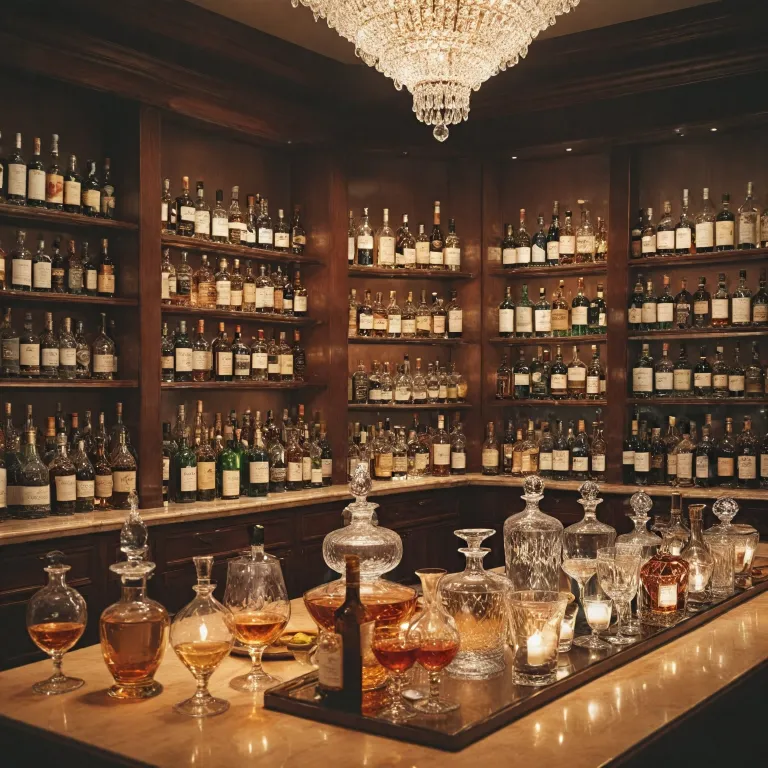
The legacy of french liquor: tradition, terroir, and expertise
French liquor stands as a symbol of refined taste and cultural heritage, deeply rooted in the terroirs of France. The production of cognac and armagnac, two iconic french spirits, relies on traditional distillation processes and the careful selection of grape varieties such as ugni blanc. These spirits are crafted in regions like Cognac and Gascony, where the influence of local climate and soil imparts unique notes to each eau vie. The use of copper stills and aging in oak barrels further enhances the complexity of brandy, resulting in a full spectrum of flavors from rich fruity to subtle herbs spices. The regulatory oversight by the Institut National de l'Origine et de la Qualité (INAO) ensures that each bottle of cognac france or armagnac meets rigorous standards of quality and authenticity. Producers collaborate with local vineyards and distilleries, preserving the classic french approach while embracing innovation. The rise of craft distilleries has introduced new flavor profiles, appealing to evolving consumer preferences for both classic cocktails and contemporary creations. French liqueur, such as orange liqueur and chartreuse yellow, continues to play a pivotal role in the global spirits market, offering a diverse range of sweet and bitter orange notes.Market trends and challenges for french spirits in hospitality
The hospitality industry faces a dynamic landscape as french liquor adapts to shifting market trends. Recent years have seen a modest decline in french spirits production, with a 1.1% annual decrease, and a 0.3% drop in sales. This trend is influenced by declining domestic consumption of traditional spirits and the impact of international trade tensions on exports. Despite these challenges, the demand for premium spirits such as fine champagne cognac and liqueur france remains robust among discerning clientele. Groups hôteliers and independent operators are increasingly focused on curating unique beverage programs that highlight the diversity of french spirits. The inclusion of products like noilly prat, pineau des charentes, and cointreau orange in cocktail menus enhances the guest experience and drives revenue. Suppliers and investors in the restauration sector are responding by supporting innovation, such as the introduction of new gin and vodka expressions, including grey goose, which reflect the evolving tastes of a global audience. For further insights on adapting beverage programs to market trends, explore our comprehensive guide on hospitality beverage innovation.Production methods: from vineyard to glass
The meticulous production methods behind french liquor are integral to its reputation for excellence. Cognac and armagnac are distilled using both pot and column stills, with the choice of method influencing the final spirit's character. The aging process in oak barrels imparts depth and complexity, allowing notes of fruit, orange peel, and herbs spices to develop over time. The use of ugni blanc grapes is particularly significant, as it provides the ideal balance of acidity and flavor for distillation. Liqueur production in france is equally nuanced, with recipes often guarded as family secrets. Orange liqueur, such as cointreau orange, is crafted by blending distilled essence of bitter orange with cognac brandy and sugar, resulting in a harmonious balance of sweet and citrus flavors. The integration of classic french ingredients like chartreuse yellow and noilly prat into cocktails showcases the versatility of these spirits. For a deeper understanding of production techniques, visit our detailed resource on french spirits craftsmanship.Signature french liquors in classic and contemporary cocktails
French liquor has long been celebrated for its role in classic cocktails, from the Sidecar to the French 75. Cognac, with its full body and rich fruity notes, serves as the foundation for many timeless recipes. Armagnac offers a more rustic profile, favored by chefs exécutifs and directeurs F&B seeking to elevate their beverage offerings. The versatility of orange liqueur, particularly cointreau orange, allows for creative interpretations of both sweet and bitter orange cocktails. Modern mixology has embraced french spirits such as gin and vodka, with brands like grey goose leading the way in premium offerings. The use of herbs spices and fruit infusions adds complexity to contemporary drinks, appealing to a new generation of consumers. Pineau des charentes and calvados provide unique alternatives for aperitif service, highlighting the breadth of liqueur france.Regional specialties and appellations: protecting authenticity
The diversity of french liquor is reflected in its regional specialties and protected appellations. Cognac des charentes and champagne cognac are distinguished by their geographic origins and strict production standards. The Bureau National Interprofessionnel de l'Armagnac (BNIA) plays a vital role in promoting and regulating armagnac, ensuring that each bottle reflects the heritage of Gascony. Calvados, produced in Normandy, is renowned for its apple-based eau vie and serves as a testament to the variety of french spirits. Appellations such as liqueur france and pineau des charentes safeguard traditional methods while encouraging innovation. The use of local ingredients, from orange peel to herbs spices, contributes to the distinctive character of each spirit. Producers are increasingly focused on sustainability and traceability, responding to the expectations of both hospitality professionals and consumers. The French Spirits Federation (FFS) provides valuable data and insights on market trends, supporting the continued growth of the sector.Opportunities for hospitality professionals: leveraging french liquor
For directeurs F&B, chefs exécutifs, and investors, french liquor offers a wealth of opportunities to enhance guest experiences and drive profitability. Curating a selection of cognac, armagnac, and liqueur france allows operators to differentiate their beverage programs and appeal to a sophisticated clientele. The integration of classic french spirits into signature cocktails and aperitif menus can elevate the overall dining experience. Suppliers and restaurateurs are encouraged to collaborate with local producers and explore emerging trends, such as craft distilleries and innovative flavor profiles. As one expert notes, "Both are French brandies, but Cognac is produced in the Cognac region using pot stills, while Armagnac comes from Gascony and is typically distilled using column stills." This distinction underscores the importance of education and storytelling in promoting french spirits. By embracing the full spectrum of flavors, from sweet fruit to bitter orange, hospitality professionals can create memorable moments for their guests.Key statistics on french liquor in the hospitality industry
- French spirits production has declined by 1.1% per year in recent years.
- French spirits sales have seen a 0.3% annual decrease.
- French wine exports decreased by 3% in the most recent period.
Frequently asked questions about french liquor
What is the difference between Cognac and Armagnac?
Both are French brandies, but Cognac is produced in the Cognac region using pot stills, while Armagnac comes from Gascony and is typically distilled using column stills.
How is Grand Marnier made?
Grand Marnier is an orange-flavored liqueur made from a blend of Cognac brandy, distilled essence of bitter orange, and sugar.
What are some popular French liqueurs?
Popular French liqueurs include Grand Marnier, Chambord, and Triple Sec.
What are the main challenges facing French spirits producers?
Producers face declining domestic consumption, the rise of craft distilleries, and the impact of international trade tensions on exports.
How do regional appellations protect the authenticity of French liquor?
Appellations ensure that production methods and ingredients meet strict standards, preserving the heritage and quality of each spirit.