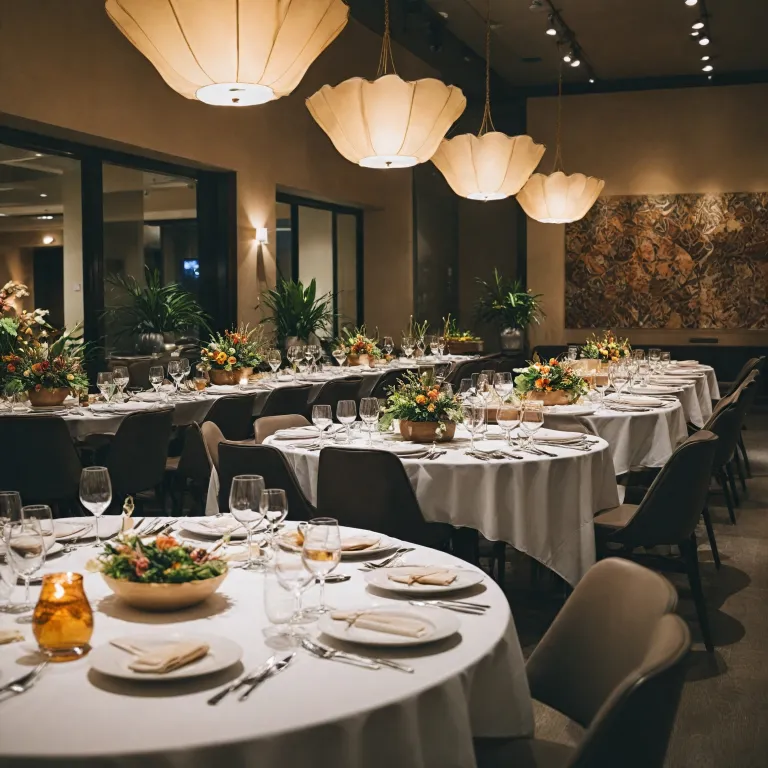
Redefining guest engagement through cultural food experiences at hotels
Hotels are transforming the way guests engage with their surroundings by curating immersive cultural food experiences that go beyond traditional dining. Today’s hotel restaurant is not just a place to eat; it is a gateway for guests to learn about local heritage, connect with regional flavors, and participate in culinary journeys that celebrate both tradition and innovation. Whether in a palace hotel in London or a boutique hotel on a UNESCO heritage site, the focus is on offering dining options that are as diverse as the guests themselves. These experiences are designed to enhance guest satisfaction, foster loyalty, and position hotels as leaders in luxury and authenticity.
For directeurs F&B and executive chefs, the challenge lies in crafting food experiences that reflect the unique identity of each hotel while meeting the expectations of discerning travelers. Guests enjoy menus that highlight locally sourced ingredients, often prepared by starred chefs or in collaboration with local artisans. This approach not only supports local economies but also elevates the reputation of hotels perfect for culinary exploration. As more guests book stays based on the promise of authentic food and wine experiences, the role of the hotel in promoting regional culture becomes increasingly significant.
Hotels in the United Kingdom, such as those in London, are leading the way with afternoon tea rituals and Michelin starred dining, while luxury hotels in Asia, like Hotel Tokyo, offer immersive workshops and market tours. The integration of food experiences into the guest journey is now a key differentiator, with hotels offering everything from hands-on cooking classes to themed dining events that showcase the best of local and global cuisine.
Integrating local heritage and sustainability in hotel dining
Modern hotels are embracing sustainability and heritage by sourcing ingredients locally and incorporating traditional cooking methods into their culinary programs. This commitment is evident in properties like Makedonia Palace, where the hotel restaurant offers classic Greek dishes crafted from fresh, local produce, and in Hotel Haarhuis, where the focus is on vegetable-forward, sustainable dining options. These initiatives not only reduce the environmental impact but also provide guests with an authentic taste of place, reinforcing the hotel’s connection to its community.
For F&B directors and hotel groups, the integration of heritage and sustainability is both a strategic and ethical imperative. By partnering with local farmers, producers, and artisans, hotels ensure that their food experiences are rooted in the region’s culinary traditions. This approach is particularly valuable for hotels located near heritage sites or in historic cities like London United, where guests expect dining options that reflect the area’s unique story. The use of locally sourced ingredients and traditional recipes enhances the authenticity of the culinary journey, making the hotel offers more appealing to guests seeking meaningful experiences.
Hotels perfect for cultural immersion, such as those on UNESCO heritage sites, are also leveraging their location to offer exclusive food and wine events. These experiences often include guided tastings, cooking demonstrations, and opportunities for guests to learn from starred chefs. For more insights on sustainable hospitality practices, explore sustainable hotel dining strategies.
Innovative culinary programs: from cooking classes to immersive dining events
Innovation in hotel F&B is driving the evolution of cultural food experiences, with properties worldwide introducing creative programs that engage guests on multiple levels. Cooking classes, such as those offered at La Maison Arabe in Marrakech or Casale San Pietro in Italy, invite guests to learn traditional techniques and recipes in a hands-on environment. These workshops not only enrich the guest experience but also foster a deeper appreciation for the region’s culinary heritage.
Themed dining events, such as Mediterranean nights at La Zambra Resort or Japanese tasting menus at The Chedi Andermatt, provide guests with curated culinary journeys that highlight the diversity of local and international cuisine. Hotels are also collaborating with starred chefs and local artisans to design menus that celebrate seasonal ingredients and regional specialties. These initiatives are particularly effective in luxury hotels and palace hotels, where guests expect a high level of personalization and exclusivity in their dining options.
For independent operators and investors in the restaurant sector, these innovative programs represent a valuable opportunity to differentiate their properties and attract a new generation of travelers.
Enhancing guest loyalty through authentic food and wine experiences
Authenticity is at the heart of successful cultural food experiences at hotels, driving guest satisfaction and repeat bookings. As guests become more discerning, they seek out hotels that offer genuine connections to local culture through food and wine. This trend is reflected in the growing number of hotels perfect for culinary exploration, where guests enjoy exclusive access to local markets, food festivals, and private tastings led by starred chefs.
Luxury hotels and boutique hotels are leveraging their unique locations and heritage to create memorable dining options that go beyond the ordinary. For example, Zannier Phum Baitang in Cambodia offers guests the chance to dine on Khmer cuisine made from ingredients grown in the hotel’s organic garden, while Grand Hotel Karel V in Utrecht showcases modern interpretations of Dutch classics using locally sourced produce. These experiences not only delight guests but also strengthen the hotel’s brand as a leader in culinary excellence.
Hotel groups and suppliers can further enhance guest loyalty by offering membership programs that provide access to exclusive food and wine events, private dining with starred chefs, and behind-the-scenes tours of hotel kitchens.
Operational strategies for delivering exceptional cultural food experiences
Delivering exceptional cultural food experiences at hotels requires a coordinated approach across all levels of the F&B operation. Directeurs F&B must work closely with chefs, suppliers, and local partners to ensure that every aspect of the dining journey reflects the hotel’s commitment to quality and authenticity. This includes sourcing the best local ingredients, training staff in traditional techniques, and designing menus that tell a story about the place and its people.
Hotels in the United Kingdom and beyond are investing in staff development programs that emphasize cultural awareness and culinary expertise. By empowering team members to share their knowledge and passion with guests, hotels create a more engaging and memorable experience. The use of technology, such as digital menus and interactive cooking demonstrations, can also enhance the guest journey and provide valuable insights into the region’s food heritage.
For suppliers and investors, the focus should be on building long-term partnerships with hotels that prioritize sustainability and innovation in their food and beverage programs. By aligning with properties that offer immersive culinary journeys and support local communities, stakeholders can contribute to the ongoing success of the hospitality industry.
Measuring impact and future trends in hotel culinary experiences
The impact of cultural food experiences at hotels can be measured through guest feedback, repeat bookings, and increased engagement with dining options. According to recent statistics, 72% of travelers seek authentic local experiences, and there has been a 15% increase in hotel bookings for culinary experiences. These figures underscore the importance of investing in programs that celebrate local heritage and offer guests a true sense of place.
Future trends in hotel F&B include a greater emphasis on plant-based and sustainable menus, expanded partnerships with local artisans, and the integration of technology to personalize the guest journey. Hotels perfect for cultural immersion will continue to innovate by offering new ways for guests to learn, taste, and connect with the region’s food and wine traditions. As the demand for authentic experiences grows, hotels that prioritize cultural food experiences will be well positioned to lead the industry.
To quote a trusted source: "Cultural food experiences at hotels involve activities such as cooking classes, themed dining events, and menus featuring local ingredients and traditional recipes, aimed at providing guests with an authentic taste of the region's cuisine." This approach not only meets guest expectations but also supports the preservation and promotion of regional culinary heritage.
Key statistics on cultural food experiences at hotels
- 72% of travelers seek authentic local experiences.
- There has been a 15% increase in hotel bookings for culinary experiences.
Frequently asked questions about cultural food experiences at hotels
What are cultural food experiences at hotels?
Cultural food experiences at hotels involve activities such as cooking classes, themed dining events, and menus featuring local ingredients and traditional recipes, aimed at providing guests with an authentic taste of the region's cuisine.
Why are hotels offering cultural food experiences?
Hotels are offering cultural food experiences to meet the growing demand from travelers for authentic and immersive experiences, to differentiate themselves in the market, and to support local communities and sustainable practices.
How can I find hotels that offer cultural food experiences?
You can find such hotels by researching travel articles, hotel websites, and tourism boards that highlight properties with unique culinary offerings, or by looking for hotels that collaborate with local chefs and offer cooking classes or food tours.
Trusted sources for further reading
- https://www.worldhotels.com/content/luxury-hotels/en_US/press-media/2024/culinary-journeys-with-worldhotels.html
- https://www.travelandtourworld.com/news/article/unlock-the-best-culinary-tourism-experiences-in-2025-top-hotels-world-famous-food-festivals-and-immersive-dining-adventures-await/
- https://www.afar.com/magazine/hotels-that-immerse-you-in-local-culture