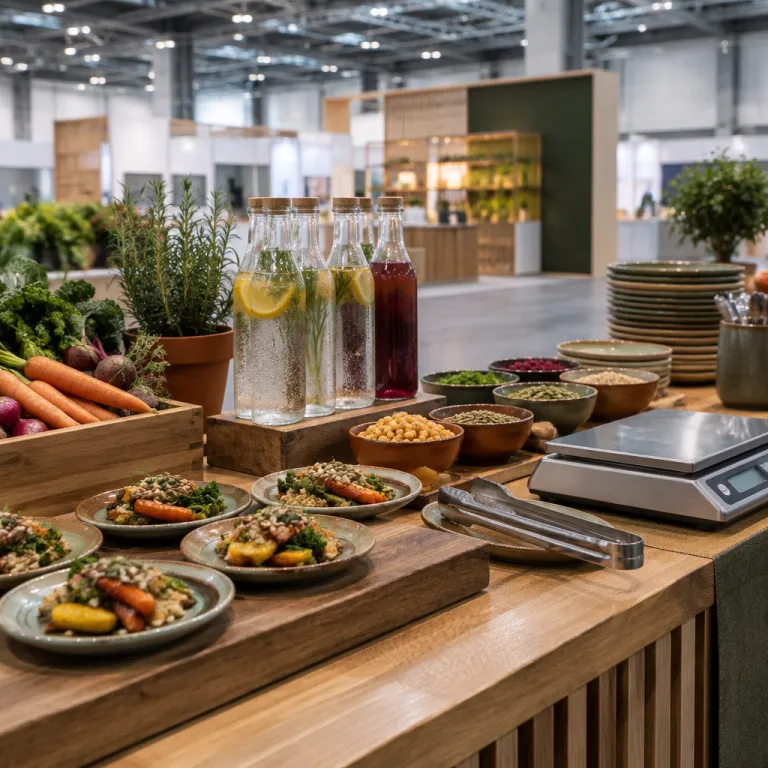
Why WTM London should sit inside your hotel F&B strategy
For a serious hotel F&B strategy, WTM London is not a nice-to-have, it is a demand radar that shapes where your next covers and bar checks will come from. The travel trade show concentrates tourism boards, OTAs and hotel groups in one place, and their distribution deals quietly decide which hotels and hotel restaurants will see incremental international guests and which will fight over the same house guests. When tourism boards and OTAs act as demand creators, their positioning of a destination’s dining scene directly influences which hotel restaurants and bars become part of itineraries and which remain invisible to potential partners.
For F&B leaders, the event’s focus on traveler behavior, trust and authenticity sessions is where a hotel F&B strategy becomes tangible, because those conversations translate into what guests expect on the plate and in the glass. Panels on experiential and culinary tourism, such as “Culinary Tourism: From Side Dish to Main Event” in the Responsible Tourism Theatre, show how guests now treat dining as a primary reason to book a hotel, not a secondary amenity, which means your hotel marketing must sell the guest experience in restaurants and bars as aggressively as the rooms. When you hear that sustainability and circular thinking rank among the most cited hotel F&B trends in UK insights – with WTM London and Euromonitor highlighting that more than 60% of UK travelers say sustainability influences their choice of accommodation – you can assume that plant-forward menus, local provenance and no- or low-alcohol programs will soon be table stakes for hotel guests across key source markets.
WTM London 2026 runs from 3 to 5 November at ExCeL London, and the three-day timeline matters because the agenda is structured to move from technology showcases to demand signals to strategic outlooks. On opening day, the Travel Tech hall is where AI and data tools for menu planning, waste reduction technologies and ingredient traceability systems will be demonstrated by exhibitors such as Winnow, Too Good To Go and Oracle Hospitality, and each of these can be integrated into a hotel F&B roadmap that targets both margin and guest experience. By the final day, strategic outlook panels like “Global Travel & Tourism Outlook” and “Future of Hospitality Revenue” connect those tools to long-term shifts in traveler expectations, giving you a clear sense of which investments in social media, restaurant concepts and beverage programs will still be relevant when your next budget cycle hits.
Social channels sit in the background of many of these conversations, yet they are central to any credible hotel F&B strategy because they shape how guests perceive value before they ever see a menu. When tourism boards push a destination’s dining story through social media campaigns – for example, VisitBritain’s “Gourmet Britain” content strands or city-level food trails promoted on Instagram and Facebook – they implicitly choose which hotels and restaurants and bars become top of mind for travelers scrolling through feeds. If your hotel and its F&B outlets are absent from that content, you are effectively ceding word of mouth and digital word of mouth to competitors who understand that advertising on social platforms can be a powerful tool when aligned with high-quality on-property experiences.
From trade show themes to plate-level hotel F&B strategy
The most relevant WTM themes for any hotel F&B strategy this season are experiential and culinary tourism, sustainability commitments and technology partnerships, because they all land directly in your kitchens and dining rooms. Sessions on traveler behavior will highlight flexible eating occasions, from grazing and small plates to late-night snacking, and those patterns should inform how your chef structures menus across hotel restaurants, room service and grab-and-go formats. When you hear that UK venues stocking alcohol-free bottled beer now represent a very high share of the market – with industry audits presented at WTM indicating that more than 80% of managed pubs and bars list at least one alcohol-free beer – you can safely assume that no- or low-alcohol drinks crafted as premium options will be expected by hotel guests in your bars and minibars as well.
One dataset question at WTM asks, “What are hotels doing with no-alcohol menus?” and the answer is explicit: “Adding no/low drinks brands, designing signature alcohol-free cocktails, spotlighting options visibly.” That single quote, shared in a recent WTM Insights report, should push every F&B director to audit current beverage lists, because a hotel F&B strategy that ignores no- or low-alcohol demand will leave revenue on the table and weaken the overall guest experience in restaurants and bars. Aligning with this shift does not mean diluting the brand; it means training the bar team to treat alcohol-free cocktails with the same care and high-quality ingredients as classic signatures, then using social media posts to highlight them as part of the hotel’s wellness narrative.
Technology partnerships showcased in the Travel Tech expo hall will range from AI agents for demand forecasting to waste sensors and digital ordering platforms, and each can be mapped to a specific KPI in your hotel marketing and operations plan. When evaluating these tools, ask vendors how their systems integrate with existing PMS and POS data, and how they can support menu engineering that balances food cost, labor and guest satisfaction scores. For example, AI and data in menu planning can help your chef test plant-forward dishes that resonate with both house guests and local diners, then refine recipes based on sales mix and guest comment patterns captured through customer care channels; case studies from providers like SevenRooms and Revenue Management Systems frequently show 3–5% margin improvement when menu engineering is aligned with accurate demand forecasts.
Trade show intelligence should also reshape how you think about in-room dining as part of a holistic hotel F&B strategy, not a legacy service. Treating in-room dining as a standalone business unit, as argued in this analysis on why room service deserves its own P&L, aligns perfectly with WTM’s focus on experience design and flexible eating occasions. When you combine that perspective with WTM insights on no- or low-alcohol and local provenance, you can build in-room menus that feel curated rather than generic, then promote them through targeted Instagram content and Facebook posts aimed at both pre-arrival and on-property audiences.
Using WTM signals even if you never set foot at ExCeL
Not every F&B leader will spend time walking the aisles at ExCeL London, but a serious hotel F&B strategy can still mine the event for actionable signals. Start by monitoring official WTM communications, exhibitor press releases and tourism board announcements, because these will reveal which destinations are leaning hardest into culinary tourism and which hotels are being positioned as flagship dining experiences. When you see repeated references to local provenance, heritage ingredients and circular supply chains in WTM London press releases or in campaigns like “Gastronomy in Spain” and “Taste of Scotland,” assume that guests will soon expect your hotel restaurants to tell similar stories on menus, social media and in every piece of marketing content.
Competitor moves are another rich source of intelligence, especially when hotel groups announce partnerships with food supply chain vendors, no- or low-alcohol brands or sustainability nonprofits during the show. Track which hotels are piloting ingredient traceability systems or waste reduction technologies, and note how they frame these initiatives in Instagram posts, Facebook updates and other social media channels. If a potential hotel competitor is consistently communicating high-quality sustainability efforts while your brand remains silent, they will occupy the top-of-mind position for eco-conscious guests and may become the reference brand for travel advisors and OTAs selling dining-led stays.
Supplier signals also matter, particularly from travel tech providers and beverage companies that use WTM to launch new products or APIs. When a tech exhibitor demonstrates AI-driven forecasting that links room occupancy, events and restaurant reservations, consider how that could refine your hotel F&B strategy by aligning staffing, prep and purchasing more tightly with real demand. The same applies to no- or low-alcohol suppliers who position their products as premium experiences; integrating them into sleep-friendly evening menus, as explored in this piece on sleep friendly room service design, can both enhance guest experience and support long-term loyalty.
Even from a distance, you can use WTM conversations to stress test your own social media approach and privacy policy framework. When brands talk about AI and data in menu planning, they implicitly raise questions about how guest data is collected, stored and used, which should prompt you to review whether your privacy policy is clearly communicated across booking paths and on-property touchpoints. A transparent stance on data and a visible commitment to customer care can turn skeptical hotel guests into advocates, especially when their positive dining experience translates into authentic word of mouth amplified through their own social posts and comments.
Turning WTM insights into a 2027-ready hotel F&B strategy
The real value of WTM London for any hotel F&B strategy lies in what you do with the signals once the stands are packed away. Use the weeks after the show to translate themes into a concrete F&B action list for your next planning cycle, starting with menu development, beverage programming and experience design in your hotel restaurants and bars. For example, if sessions and audits confirm that a vast majority of UK venues now offer alcohol-free beer and a large share stock alcohol-free spirits, set a clear target for your own no- or low-alcohol mix and brief your chef and bar manager to create signature options that feel aligned with the brand.
To move quickly from insight to execution, shortlist a small number of pilots that can be launched and measured within one or two quarters:
- Introduce a no- or low-alcohol signature list in the lobby bar and track mix, margin and guest feedback.
- Test two or three plant-forward hero dishes in the all-day dining restaurant, using POS data to refine recipes.
- Run a waste-reduction pilot with a tech partner in breakfast or banqueting and compare pre- and post-pilot food cost.
- Reposition in-room dining with a compact, provenance-led evening menu and promote it via pre-arrival emails and social posts.
Next, integrate sustainability and provenance into both operations and storytelling, because guests increasingly judge hotels on what they serve as much as where they are located. That means working with suppliers showcased at WTM to improve ingredient traceability and waste reduction, then training front-of-house teams to explain these efforts in a way that enhances guest experience without sounding preachy. When you share these initiatives through high-quality Instagram content, thoughtful Facebook posts and other social media formats, you reinforce your positioning as a potential hotel of choice for travelers who care about both comfort and conscience.
On the marketing side, treat social channels as part of your core hotel marketing infrastructure rather than a side project, because they are now as influential as traditional advertising in shaping perception. Advertising on social platforms can be a powerful tool when it is grounded in real experiences, so prioritize content that shows the chef at work, behind-the-scenes prep and genuine guest reactions instead of generic brand slogans. Combine this with a clear privacy policy and responsive customer care on every comment and direct message, and you will build a long-term relationship with hotel guests that extends far beyond a single stay.
Finally, use WTM insights to refine how F&B supports placemaking and overall asset value across your portfolio. Concepts that draw locals and external diners, as analyzed in this piece on F&B as placemaking, tend to lift both room rates and guest satisfaction, especially when they are amplified through consistent social media storytelling. When your hotel F&B offer becomes a reason to choose the property, not just a convenient option for house guests, you move your brand closer to the top of mind in key markets and turn every satisfied guest into a channel for organic word of mouth that no amount of traditional advertising can easily replicate.
FAQ
How can an F&B director prepare for WTM London without a large team?
Start by focusing on three tracks: traveler behavior, sustainability and Travel Tech, then shortlist specific sessions and exhibitors that align with your hotel F&B strategy. Use the event app and exhibitor lists to pre-book short meetings with tourism boards, travel tech providers and key food or beverage suppliers, so you avoid aimless walking. Finally, assign each team member a clear theme and require a one-page debrief, which you can consolidate into a single action plan for your hotel and its restaurants and bars.
Which WTM signals most directly affect hotel restaurant menus?
The strongest menu signals come from sessions and audits on no- or low-alcohol demand, plant-forward dining and local provenance, because these trends quickly become guest expectations. When you see high adoption rates for alcohol-free beer and spirits in UK venues, you should assume similar demand in hotel bars and restaurants. Combine that with insights on flexible eating occasions and you have a clear mandate to rethink portion sizes, daypart menus and late-night offers across your F&B outlets.
How should hotels evaluate new F&B technologies showcased at WTM?
Begin by mapping each technology to a specific operational or guest experience problem, such as food waste, forecasting accuracy or slow ordering. Ask vendors for concrete case studies with quantified results, and verify how their tools integrate with your existing PMS, POS and CRM systems before considering a pilot. Prioritize solutions that improve both margin and guest satisfaction, like AI-driven menu planning or waste sensors, rather than chasing flashy features that do not fit your hotel F&B strategy.
Can hotels benefit from WTM F&B insights even if they focus mainly on rooms?
Yes, because distribution, destination branding and traveler expectations all influence how guests perceive value during their stay, and F&B is central to that perception. Even room-focused hotels can use WTM insights to upgrade breakfast, lobby bars and grab-and-go offers, which often drive review scores and repeat business. By aligning modest but high-quality F&B improvements with the themes of sustainability, local flavor and flexible dining, you can lift overall performance without transforming into a full-scale destination restaurant.
What questions should F&B leaders bring to WTM meetings with tourism boards?
Ask tourism boards how they plan to position local dining in their campaigns, and which hotels or restaurants they intend to feature as flagship experiences. Explore opportunities to align your hotel restaurants with destination storytelling, such as hosting visiting chefs, using heritage ingredients or participating in citywide food events. Finally, clarify how your property can be included in media trips, influencer itineraries or social media campaigns, so your F&B offer benefits directly from the destination’s broader marketing spend.