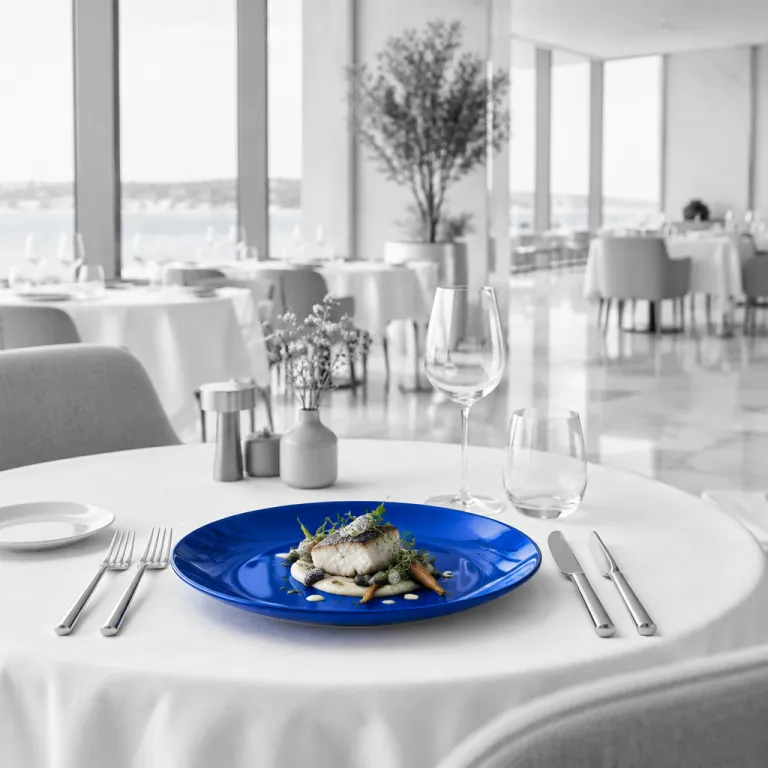
From room product to restaurant magnet: the new hotel restaurant trends
World Tourism Day lands at a moment when hotel restaurant trends are reshaping how travelers choose where to stay. Luxury consumers now scan a hotel restaurant line up before they ever look at room categories, and that shift is forcing hospitality companies to treat food beverage as a primary asset rather than a support amenity. For any hotel that still sees its restaurant industry presence as a cost center, this season is the right time to reframe the business model around demand, revenue and guest experience.
Across the hospitality industry, industry experts tracking consumer trends see a clear pattern ; diners book hotels where the food narrative is as strong as the spa or the view. In internal guest data from several global hotels, survey respondents consistently rank hotel food quality and beverage offerings among the top three booking drivers, which means F&B now competes directly with location and price. That reality creates both opportunities challenges for F&B directeurs and chefs exécutifs who must balance margin discipline with immersive experiences that feel generous and local.
For hospitality companies and independent hotel restaurants alike, the most resilient industry trends share three traits. They treat the restaurant as a destination for local guests and international consumers, they use guest data to refine personalized marketing, and they measure F&B’s positive impact on room revenue with the same rigor as corporate negotiated rates. When hotel restaurant leaders align menu engineering, service design and marketing around these trends, the property stops selling only beds and starts selling experiences that anchor the entire stay.
Why diners now choose the hotel for the table, not the bed
World Tourism Day is a reminder that tourism is increasingly culinary, and hotel restaurant trends reflect that shift in every major city. Affluent guests and local diners now treat hotel restaurants as part of their cultural itinerary, which means the hospitality industry must design concepts that stand up against independent neighborhood venues. When a hotel restaurant becomes the hardest table to get in the district, the entire business benefits through higher revenue, longer stays and stronger guest satisfaction.
Industry experts who analyze guest experience consistently note that travelers use food experiences as a proxy for overall hospitality quality. When survey respondents say they chose one hotel over another because of a chef’s reputation or a tasting menu, they are signaling that hotel food has become a brand in itself within the wider restaurant industry. This is where immersive experiences such as chef’s counters, producer led tastings and lobby bar takeovers move from marketing theater to measurable business drivers, especially when linked to a clear ROI framework for experiential dining such as the one outlined in this analysis of what experiential dining actually returns in hotel F&B.
To capture this demand, hotels need better guest data and sharper attribution models. Post stay surveys should ask directly whether the restaurant, bar or other food beverage experiences influenced the booking decision, and survey respondents should be segmented by purpose of stay, length of stay and spend per customer. When hospitality companies connect that guest data to booking channels and personalized marketing on platforms such as LinkedIn Facebook campaigns, they can finally quantify how much positive impact the restaurant has on room revenue and portfolio valuation.
Programming for both locals and travelers without losing the brand
The most interesting hotel restaurant trends right now sit at the tension point between local regulars and transient guests. A hotel that leans too hard into tourist friendly menus risks losing neighborhood diners, while a concept built only for locals can confuse international guests who expect certain anchors in hotel food and beverage offerings. The hospitality business that wins is the one that programs its hotel restaurants like a cultural venue, with a clear calendar and a defined mix of audiences.
On World Tourism Day, F&B leaders can use seasonal programming to rebalance that mix. Think of a hotel restaurant that runs a week of regional producer dinners for locals, paired with daytime culinary tours for in house guests, or a lobby bar that hosts rotating chef collaborations while the grab and go counter quietly captures incremental revenue from travelers on tight schedules, as explored in this deep dive on how lobby grab and go concepts can outperform traditional restaurants. These layered experiences allow hotels to serve both high frequency neighborhood customers and high value international guests without diluting the core restaurant identity.
Operationally, this dual focus demands precise use of data and disciplined menu engineering. Guest data should track not only spend per cover but also visit frequency, channel of acquisition and response to personalized marketing, especially for locals who engage with the hotel on LinkedIn Facebook or through direct email. When hospitality companies see in their data that immersive experiences such as chef led market visits or terrace brunch series drive repeat visits from both tourists and residents, they can justify higher investment in programming that has a clear positive impact on revenue and long term brand equity.
Measuring F&B’s real impact on room revenue around World Tourism Day
For senior leaders, the most valuable hotel restaurant trends are the ones that move ADR, occupancy and length of stay. Properties that treat F&B as a core part of the tourism proposition, rather than a support amenity, consistently report higher revenue per available room and stronger direct booking share. Around World Tourism Day, this becomes especially visible as hotels package food beverage experiences into stay offers that attract consumers who might otherwise choose a competing property.
To measure that impact, hospitality companies need clear attribution models that connect restaurant performance to room business. A practical approach is to tag bookings that include culinary packages, track pre arrival reservations in hotel restaurants, and ask survey respondents whether specific food experiences influenced their choice of hotel, then compare guest satisfaction scores between diners and non diners. Over several months, this guest data will show whether immersive experiences such as chef led city tours, bar pairing menus or late night room dining programs are actually shifting booking behavior, especially when supported by operational frameworks like this guide to designing late night room dining that pays for itself.
Marketing teams should then use personalized marketing to amplify what works well and quietly retire what does not. When industry trends show that culinary tourism packages generate higher spend per customer and better guest satisfaction, those offers should be pushed through owned channels and professional networks such as LinkedIn Facebook, not buried in generic rate grids. Over time, hotels that treat their restaurants as the destination, and that rigorously track both the opportunities challenges of this strategy, will outperform competitors who still see F&B as a line item rather than the heart of the hospitality experience.
FAQ
How can I quantify the impact of my hotel restaurant on room bookings ?
Start by tagging all bookings that include restaurant, bar or culinary package components, then compare ADR, length of stay and total revenue for those guests against non participating guests. Use post stay surveys to ask directly whether the hotel restaurant, bar or other food beverage experiences influenced the booking decision, and link those survey respondents to their booking source and spend profile. Over several months, this guest data will reveal how much your restaurant industry performance contributes to the core hotel business.
What types of culinary experiences work best around World Tourism Day ?
Short, high impact experiences tend to perform well for both international guests and local diners, such as chef led market visits, producer focused tasting menus or limited time beverage offerings built around regional spirits. These immersive experiences should be easy to book with rooms and clearly positioned as part of the destination story, not just as add ons. When designed with clear cost controls and measured guest satisfaction, they can generate incremental revenue and strengthen the overall guest experience.
How should hotel restaurants balance menus for tourists and locals ?
A practical approach is to anchor the menu with a few recognizable hotel food classics for international guests, then layer in seasonal local dishes and specials that appeal to neighborhood customers. Use data from your POS and guest feedback to track which items resonate with each segment, and adjust engineering accordingly. Programming such as themed nights or local chef collaborations can then target specific audiences without forcing a permanent menu compromise.
Which marketing channels are most effective for promoting hotel restaurant experiences ?
Owned channels such as the hotel website, pre arrival emails and in app messaging remain the most efficient for reaching in house guests, especially when combined with personalized marketing based on past stay data. For local consumers and corporate customers, professional networks like LinkedIn Facebook, targeted search campaigns and partnerships with tourism boards can extend reach beyond the existing database. The key is to connect every campaign to clear KPIs such as covers generated, package uptake and incremental room revenue.
What operational changes are needed to support destination level hotel restaurants ?
Destination restaurants inside hotels require tighter alignment between F&B, rooms and revenue management teams, with shared targets for guest satisfaction and total revenue per guest. Investment in training, data literacy and concept clarity is essential so that équipes understand how industry trends, consumer trends and local demand shape daily decisions. When operations, marketing and finance work from the same data and objectives, hotel restaurants can deliver both memorable experiences and robust financial results.
Sources
World Tourism Organization (UNWTO) ; STR ; McKinsey & Company hospitality and restaurant industry reports.