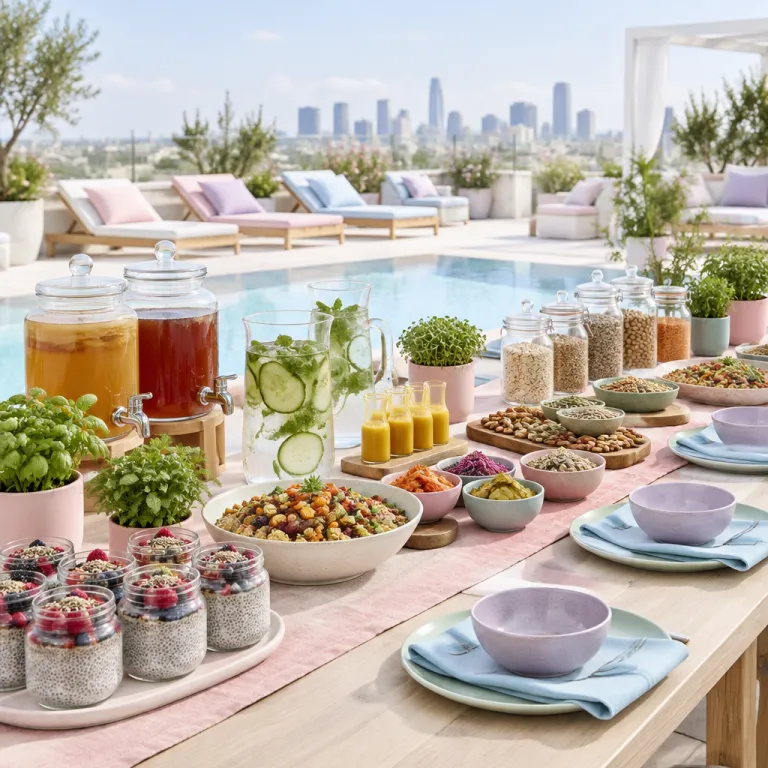
Wellness dining as a commercial strategy, not a dietary courtesy
Hotel wellness dining has shifted from fringe request to core positioning lever. For revenue leaders managing hotels with tight GOP targets, functional nutrition now shapes rate premiums, length of stay and the mix of external covers. When a hotel treats wellness dining as a strategic pillar rather than a dietary accommodation, the impact shows up in RevPAR, not just in guest comments.
The corporate and wellness oriented traveler is driving this shift inside every hotel and across entire hotel groups. These guests expect that the main restaurant, the bar and even the lobby lounge will support energy, focus and sleep, not just provide indulgence on demand. They are the same guests who will book the hotel spa, purchase a spa day pass and then ask whether the room dining menu aligns with their training plan or gut health protocol.
Accor has made this explicit through Novotel, where the Longevity Everyday culinary strategy aims for at least 25 % plant forward options across all hotels. According to Accor’s Longevity Everyday program overview with the Culinary Institute of America (Accor, 2023, Longevity Everyday Culinary Strategy), roughly half of Novotel hotels had already reached that 25 % threshold within the first program year, which means the culinary team has operationalized wellness focused ratios at scale rather than treating them as seasonal specials. When 30 % of consumers tell Accor they would switch restaurant brands to find plant based alternatives to meat (Accor, 2022, Consumer Insights on Plant-Based Dining), hotel wellness dining becomes a loyalty engine that can move share from the restaurant next door.
For Directeurs F&B and executive chefs, the question is no longer whether to engage with functional nutrition but how to structure it into a hotel F&B strategy. That strategy must connect the spa, the main dining room, the bar and even the lobby lounge into one coherent wellness focused narrative. It also has to respect plate cost, beverage margin and the reality that wines, cocktails and small plates still drive a disproportionate share of food drink profit.
Wellness dining done well is not about banning wines or removing every rich course from the tasting menu. It is about designing a dining experience where a guest can move from a hotel spa treatment to a bar snack to room dining without abandoning their wellness goals. In that context, the hotel that can reserve a table for a fiber rich, plant forward lunch and then offer a lighter course tasting at dinner will keep both the health conscious traveler and the CFO satisfied.
There is also a placemaking dimension that revenue leaders underestimate. A wellness focused dining experience can pull local guests into hotels that were previously seen only as places with anonymous rooms and a generic lobby lounge. When the restaurant becomes a neighborhood hub for functional brunch, low alcohol cocktails and credible plant based small plates, it supports both F&B revenue and room rate positioning.
For investors in restauration and hotel owners, this is a brand equity play as much as a menu engineering exercise. A hotel that is known in Los Angeles or Santa Monica for its longevity oriented tasting menu will command a different ADR than a property with a forgettable buffet. The same logic applies in secondary markets, where a springs resort that aligns its spa, hotel spa café and main dining room around recovery and sleep can justify a higher day pass price and stronger direct booking share.
Functional nutrition also travels well across segments. A Marriott branded business hotel near an airport can use a wellness focused breakfast and a sleep friendly room dining offer to differentiate in a commoditized comp set. A lifestyle hotel in downtown Los Angeles can lean into plant forward small plates, low intervention wines and adaptogenic cocktails in the lobby lounge to attract local professionals and wellness tourists.
For all of these reasons, hotel wellness dining is becoming a positioning play that touches pricing, distribution and loyalty programs such as Marriott Bonvoy. When a guest can earn Marriott Bonvoy points while enjoying a credible course tasting menu that supports their health goals, the program becomes more than a room night currency. It becomes a lifestyle ecosystem where food drink choices reinforce brand preference and long term loyalty.
Why the wellness traveler changes the P&L for hotel F&B
The wellness oriented guest is not a niche yogi anymore; they are the corporate traveler who lands in Los Angeles on a Monday and asks whether the hotel spa offers a day pass with access to a wellness focused lunch. This traveler will pay a premium for rooms that integrate sleep friendly design and a room dining menu that avoids heavy fats and late caffeine. They are also the guest who will book afternoon tea only if the menu includes low sugar options, functional teas and small plates that respect their macros.
For a Revenue and Commercial Director, this matters because these guests stay longer, spend more per stay and are more likely to book direct. When hotel wellness dining is integrated into packages that combine rooms, spa access and a curated dining experience, the hotel can yield on total stay value instead of just ADR. A corporate contract that includes a healthy breakfast buffet, a plant forward lunch table d’hôte and a sleep supporting evening room dining offer can justify a higher negotiated rate while still delivering perceived value.
Wellness travelers also influence group and meeting business. Event planners now ask whether the culinary team can provide a wellness focused course for every meal period, from brain friendly morning breaks to low glycemic desserts at gala dinners. If your executive chef can confidently say that the hotel will help plan menus that support focus and energy, you move from being a commodity venue to a strategic partner for corporate clients.
This is where sleep friendly room service becomes a hidden differentiator. A hotel that aligns its room dining with circadian rhythms, lighter proteins and calming herbal infusions will see better guest satisfaction scores and repeat business. Designing evening menus that support rest and drive loyalty is no longer a nice to have; it is a core part of a hotel wellness dining strategy that connects the room, the spa and the restaurant.
There is also a clear link between wellness dining and loyalty program behavior. Guests who identify as wellness focused are more likely to concentrate their stays within one hotel group if they trust that every property, from a Marriott airport hotel to a springs resort in a leisure destination, will offer consistent functional options. When Marriott Bonvoy members know they can reserve a table for a plant forward tasting menu or order nutrient dense room dining in any major city, they shift share away from competitors that still treat wellness as an afterthought.
From a bar revenue perspective, the wellness traveler does not mean the end of cocktails or wines. It means a rebalanced beverage list where low alcohol cocktails, no alcohol pairings and biodynamic wines sit alongside classic options, giving guests permission to moderate without feeling punished. The bar and lobby lounge become spaces where a guest can move from a spa treatment to a light food drink pairing that supports recovery rather than undermining it.
Afternoon tea is another underused lever in hotel wellness dining. By reframing afternoon tea as a functional break with antioxidant rich teas, low sugar pastries and savory small plates built around whole grains and vegetables, hotels can attract both in house guests and local residents. This creates incremental covers in off peak periods while reinforcing the hotel’s positioning as a wellness focused destination rather than just a place with rooms and a standard buffet.
For independent exploitants and smaller hotel groups, the commercial logic is the same even if the scale is different. A boutique hotel in Santa Fe or a coastal springs resort can build packages that combine a hotel spa day pass, a guided tasting menu focused on local produce and a sleep optimized room. These offers command higher rates and generate stronger word of mouth than generic bed and breakfast deals that ignore the wellness mindset.
From wellness washing to operational reality in hotel restaurants and bars
The main risk for hotel wellness dining is wellness washing, where menus use buzzwords without changing the underlying food drink offer. Guests see through this quickly when the only plant forward option on the menu is a token salad and the bar still pushes sugary cocktails as the default. To avoid this trap, Directeurs F&B need clear menu ratios, sourcing standards and training plans that turn intent into daily practice.
Novotel’s Longevity Everyday strategy offers a useful benchmark because it sets a measurable target of 25 % plant forward options across all hotels. Hitting that ratio forces the culinary team to rethink every course, from breakfast to late night room dining, instead of hiding wellness in a separate section. It also requires the executive chef and the broader équipe culinaire to work with procurement on whole ingredient sourcing, portion sizes and prep methods that protect both nutrition and margin.
Operationalizing wellness means deciding where each outlet sits in the overall experience. The main dining room might carry a full tasting menu with clearly labeled functional benefits, while the lobby lounge focuses on small plates that pair well with low alcohol cocktails and biodynamic wines. The bar can host a structured cocktail tasting experience that highlights adaptogens, fresh juices and mindful drinking, using a pricing and seating blueprint that protects beverage margin.
Room service is often the weakest link in hotel wellness dining. Too many hotels still rely on legacy menus heavy on burgers, fries and club sandwiches that undermine the wellness narrative built by the spa and restaurant. Aligning room dining with the broader wellness focused strategy requires a redesign of the menu, mise en place and delivery standards so that a guest can eat late without compromising sleep or digestion.
Training is where wellness washing usually collapses. Guests will ask servers, bartenders and spa therapists detailed questions about ingredients, sourcing and functional benefits, and the équipe on the floor must be able to answer with confidence. A structured program where the executive chef, bar manager and spa director meet team members regularly to explain new dishes, cocktails and wellness concepts is essential if the hotel wants to avoid vague, unconvincing answers.
Pricing also needs a disciplined approach. Wellness focused dishes often rely on premium produce, nuts and specialty items that can inflate food cost if portion sizes and waste are not tightly controlled. Directeurs F&B should treat the longevity menu as a distinct profit center, tracking contribution margin by course and by outlet, from the spa café to the main restaurant and the lobby lounge.
For investors and asset managers, the key is to demand evidence that wellness dining is driving measurable outcomes. That means looking beyond anecdotal feedback to metrics such as average check in the bar, attachment rate for spa and day pass packages that include functional meals, and the share of external guests in the restaurant. When a hotel can show that its wellness focused tasting menu and small plates program has increased external covers and beverage revenue, the positioning argument becomes hard financial fact.
Finally, collaboration across departments is non negotiable. The spa, rooms division and F&B must align on messaging, package design and service standards so that the guest experiences one coherent wellness journey. When a guest moves from a massage in the hotel spa to a private dining event with a customized course tasting menu, every touchpoint should reinforce the same promise of functional, thoughtful hospitality.
Designing the longevity menu: ratios, rituals and revenue
Turning hotel wellness dining into a durable positioning play starts with menu architecture. A practical target for many hotels is to mirror Novotel’s 25 % plant forward benchmark while layering in clearly signposted functional benefits such as energy, focus, gut health and sleep support. This gives the executive chef and culinary team a numeric guardrail while leaving room for creativity and local sourcing.
One effective approach is to structure each menu section around choice architecture rather than restriction. For example, the lunch menu in the main dining room might feature three core paths: a performance path with higher protein, a restoration path with lighter, anti inflammatory dishes and a convivial path with more indulgent options that still respect portion control. The same logic can extend to the bar, where cocktails are grouped into classic, low alcohol and no alcohol sections, each with suggested small plates that support the guest’s wellness intent.
Rituals matter as much as recipes in hotel wellness dining. A thoughtfully designed afternoon tea service that highlights antioxidant rich teas, fermented foods and low sugar pastries can become a signature experience that attracts both in house and local guests. Similarly, a pre sleep room dining ritual that pairs a light, magnesium rich course with a calming herbal infusion can differentiate the hotel in guest reviews and loyalty scores.
Private dining and events offer another canvas for the longevity menu. Corporate groups increasingly ask whether the hotel can reserve a table for a fully wellness focused banquet, from welcome cocktails to dessert, without sacrificing flavor or presentation. When the sales team can confidently say that the executive chef will help plan a course tasting menu tailored to energy, focus and recovery, the hotel moves ahead of competitors still offering generic buffets.
Spatial design also plays a role in how guests perceive wellness. Positioning the lobby lounge as a calm, plant filled space with natural light, low noise and a concise menu of functional small plates and low alcohol cocktails can shift guest behavior away from heavy late night dining. In contrast, the main restaurant can lean into a more celebratory atmosphere while still integrating a clear wellness thread through its tasting menu and à la carte offer.
For resorts, especially springs resort properties and spa driven hotels, the opportunity is even larger. A hotel spa that integrates its treatment protocols with the restaurant’s longevity menu can create full day journeys where guests move from hydrotherapy to a tailored dining experience without breaking their wellness flow. Packages that combine rooms, spa access, a spa day pass and a curated wellness focused dinner can command significant rate premiums and drive ancillary revenue.
Technology and data should underpin these creative decisions. Tracking which wellness dishes sell, which wines and cocktails pair best with them and how these choices correlate with repeat stays or Marriott Bonvoy engagement gives Directeurs F&B a feedback loop. Over time, the hotel can refine its hotel wellness dining offer, reallocating space between bar, lounge and restaurant and adjusting the balance between indulgent and functional items.
Ultimately, the longevity menu is not a static document but a living strategy. Hotels that treat it as a one off marketing campaign will fall behind those that embed wellness into every outlet, from the breakfast buffet to the late night room dining tray. The winners will be the hotels where the culinary team, spa, rooms division and commercial leadership meet team members regularly, align on goals and treat functional nutrition as a core driver of both guest wellbeing and long term asset value.
Key figures shaping hotel wellness dining
- Novotel has targeted at least 25 % plant forward options across all of its hotels, and roughly half of its properties had already reached that threshold within the first year of rollout under the Longevity Everyday culinary strategy developed with the Culinary Institute of America (source: Accor Group, 2023, Longevity Everyday Culinary Strategy Overview).
- Accor reports that 30 % of consumers say they would switch restaurant brands to find plant based alternatives to meat, indicating that wellness dining can directly influence brand choice and market share in both hotel and non hotel settings (source: Accor, 2022, Consumer Insights on Plant-Based and Wellness Dining).
- Global wellness tourism spending reached more than USD 900 billion, representing a growth rate more than double that of overall tourism, which underscores why hotel wellness dining is becoming a core revenue and positioning lever for hotels and resorts (source: Global Wellness Institute, 2023, Global Wellness Tourism Economy report).
- Industry surveys show that around 60 % of travelers say access to healthy food options influences their choice of hotel, suggesting that a credible wellness focused dining experience can be as decisive as room design or location (source: hospitality consumer research from major international hotel groups, 2022–2023).
- Properties that integrate wellness into F&B, spa and rooms often report higher average checks in restaurants and bars, with some case studies indicating 10–15 % uplift in F&B revenue after a structured wellness menu overhaul (source: internal benchmarking shared by international hotel groups and consultancy analyses, 2021–2023).