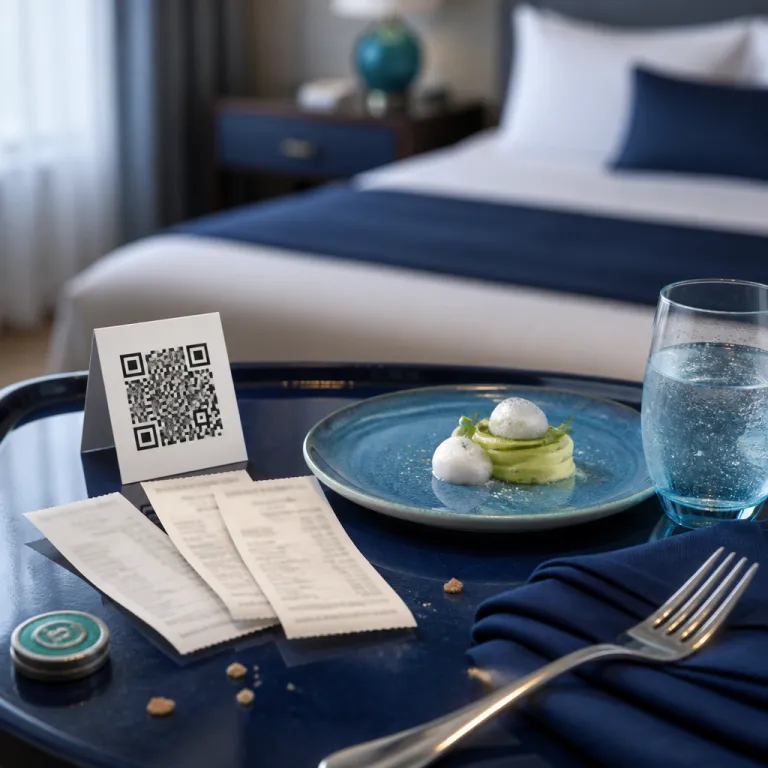
Room service innovation after QR codes: what the adoption data really shows
QR based room service innovation started as a crisis workaround, yet in many hotels it has quietly become the default in room ordering channel. For F&B and hotel management leaders, the hospitality industry now has enough data to treat QR ordering as a mature hospitality technology decision rather than an emergency patch, and that changes the economics of every hotel room tray that leaves the lift. Across the hotel industry, the question is no longer whether guests will scan a code, but which systems and services actually convert that scan into a profitable guest experience.
Adoption rates vary sharply by segment, with boutique hotels and upscale urban hotels typically seeing higher QR usage than large resorts or convention properties. Where the QR journey is well designed, more than half of in house guests use the digital room service menu at least once during their stay, while poorly executed innovation hospitality projects struggle to reach even a quarter of eligible rooms. The pattern is clear across the hospitality industry ; when the guest can reach food and beverage in two taps, room service innovation becomes a habit rather than a novelty.
Age and purpose of stay also shape adoption, which matters for any hotel innovation business case. Solo corporate guests and younger leisure travelers are far more likely to check the QR menu first, while multi generational families still lean on the phone for customer service and reassurance about allergies or substitutions. For hotel management teams, this means that innovation service design must flex by floor, by room type, and sometimes even by daypart if they want to enhance guest behavior rather than fight it.
Average check and menu engineering in a digital room
Once guests actually use QR ordering, the revenue story changes fast, because visual digital menus consistently lift the average check compared with traditional phone based room service. Hotels that invest in strong photography, clear modifiers, and smart pairings often see per order spending rise by double digit percentages, especially when the guest experience includes suggested sides, desserts, and beverages at the right moment. In many hotels, the most profitable room service innovation is not a new burger but a better way to present that burger on a screen.
Digital room service menus allow real time control of availability, pricing, and upsell logic in ways that printed folders never could. When management teams align food cost, prep time, and margin with dynamic prompts, they can steer guest experiences toward items that travel well, protect labor, and still feel personalized to the customer. This is where hotel innovation stops being a buzzword and becomes a disciplined form of revenue management for in room dining.
There is also a channel shift effect that many hotels underestimate. When the QR code makes it easier to order a full meal to the hotel room, some guests who might have skipped dinner or grabbed a snack in the lobby instead commit to a proper check with appetizers and drinks, which can quietly outperform some lobby grab and go concepts over a month. For a deeper look at how lobby retail is reshaping F&B, the analysis on how lobby grab and go markets are outpacing traditional restaurants offers a useful benchmark when you compare channels inside the same hotel.
Guest satisfaction, segmentation, and the human factor in digital service delivery
Room service innovation lives or dies on guest satisfaction, not just on higher checks, because repeat guests remember friction more than they remember a photogenic burger. For some segments, the ability to order food from the hotel room without calling anyone is the ultimate personalized service, while for others the lack of human contact feels like a downgrade in customer service. The hospitality industry has learned that guest experiences are not monolithic, and that digital convenience can both enhance guest perception and quietly erode loyalty if it removes too much interaction.
Survey data from hotel industry operators shows a consistent pattern ; tech confident travelers rate QR ordering highly for speed and clarity, but older or less digital native guests often report confusion about payment, timing, or how to check order status. When Wi Fi is unstable or the interface is clunky, even tech savvy guests blame the hotel, not the vendor, which drags down guest experience scores and online reviews. This is where innovation hospitality must be grounded in operational reality, because no amount of augmented reality or virtual reality storytelling will compensate for a cold burger that arrived thirty minutes late.
Digital ordering also changes how guests perceive sustainability and eco friendly practices. When menus clearly flag eco friendly dishes, local sourcing, and food recovery initiatives, guests are more willing to accept smaller portions or reusable containers as part of a modern service delivery promise. For operators exploring food waste reduction and redistribution, the operational playbook on hotel food recovery as an operational standard pairs naturally with QR based room service systems that can push surplus led specials in real time.
Labor, systems, and where the saved minutes really go
One of the strongest arguments for QR led room service innovation has been labor efficiency, especially in full service hotels where phone orders can tie up a supervisor for hours. When guests place orders directly into digital systems, the hotel can reallocate staff from taking calls to expediting trays, staging mise en place, or handling complex dietary requests that genuinely require human judgment. The hospitality industry narrative promised that this shift would both enhance guest satisfaction and protect margins, but the reality depends on how rigorously management tracks those freed minutes.
In properties where hotel management treats QR ordering as a true process redesign, the saved phone time is converted into faster delivery, better tray presentation, and more consistent follow up calls to check guest satisfaction. In others, the labor simply evaporates into general busyness, with no measurable improvement in guest experiences or food quality, which undermines the business case for further hotel innovation. The difference usually lies in whether the F&B and technology équipes have mapped the entire service delivery chain from tap to tray, including who owns each step and which KPIs define success.
Integration also matters more than most vendors admit. When QR orders flow directly into the POS, kitchen display systems, and hotel management platforms, supervisors can see real time load, adjust firing, and coordinate with front office on late check outs or contactless check arrivals that might delay a tray. For leaders evaluating premium in room experiences such as private chefs or chef table style menus, the cost structure analysis in what you really pay for when you bring a private chef into your hotel or residence offers a useful contrast with scaled room service, especially when you consider how technology and customer service expectations intersect.
Beyond QR codes: integrated platforms and the next wave of hotel innovation
The next phase of room service innovation will not be about the QR code itself, but about how in room dining connects with the rest of the guest journey across the hotel. Guests increasingly expect a single digital touchpoint where they can order food, book a spa slot, reserve a table, arrange late check out, and message customer service without juggling multiple apps or logins. For the hospitality industry, this means that room service, restaurants, bars, spa, and activities must sit on interoperable systems that share data in real time while still respecting privacy.
Some boutique hotels are already experimenting with platforms that blend digital concierge chat, room service ordering, and local recommendations into one interface, which can significantly enhance guest perception of innovation service and innovation hospitality. When a guest can move from browsing augmented reality wine lists in the bar to ordering a nightcap to the hotel room with one tap, the line between outlets blurs and total hotel revenue per stay rises. The challenge for hotel management is to orchestrate these experiences without overwhelming guests with notifications or compromising eco friendly commitments through unnecessary packaging and delivery runs.
Looking ahead, the most effective hotel innovation will likely be quiet rather than flashy. Virtual reality previews of suites or destination experiences may play a role in marketing, but on the operational side the real gains will come from better data, cleaner interfaces, and more thoughtful customer service scripts that support both digital natives and analog loyalists. As F&B and technology leaders refine their room service innovation roadmaps, the winning hotels will be those that treat every scan, every check, and every tray as part of a coherent guest experience strategy rather than a standalone gadget.
FAQ
How does QR based room service typically affect the average check size ?
Most hotels that implement well designed digital menus see higher average checks for room service compared with phone orders. Visual presentation, clear modifiers, and timely upsell prompts encourage guests to add sides, desserts, and beverages that they might skip on a printed list. The exact uplift varies by segment, but double digit percentage increases are common when the guest experience is smooth.
What adoption rate should a hotel target for QR room service ordering ?
For full service properties with a mix of business and leisure guests, a realistic target is for at least half of in house guests to use QR ordering at least once per stay. Boutique hotels with tech savvy clientele can aim higher, while resorts with more families may see lower adoption and should maintain strong phone based customer service. The key is to track adoption by segment and adjust prompting, signage, and training accordingly.
Does QR ordering reduce the need for room service staff ?
QR ordering usually shifts labor rather than eliminating it, because staff spend less time on the phone and more time on production, delivery, and follow up. Hotels that redesign workflows around the new systems can reduce overtime and improve service delivery speed, which supports guest satisfaction. Properties that simply add QR codes without process changes rarely see meaningful labor savings.
How can hotels protect guest satisfaction when moving to digital room service ?
Protecting satisfaction starts with reliable Wi Fi, intuitive interfaces, and clear communication about timing and fees. Hotels should keep a staffed phone line for guests who prefer human interaction, and they should train teams to follow up on digital orders just as they would on traditional ones. Regularly reviewing feedback by channel helps management fine tune both the technology and the human touch.
What is the next step beyond QR codes for in room dining ?
The next step is integrated platforms that connect room service, restaurant reservations, spa, and activities into a single guest facing interface. This approach lets hotels manage experiences and promotions holistically, using real time data to personalize offers and coordinate operations. QR codes will remain a useful entry point, but the strategic value lies in the connected systems behind them.