Redefining wellness as a core pillar of hotel FB management
Wellness driven hotel FB management starts with a clear promise to the corporate guest, not with a token salad on the last page of the menu. For a 250 room business hotel, that promise must connect every part of food and beverage operations to measurable outcomes in guest experience, total revenue and group conversion, rather than sitting as a side project owned only by the culinary équipe. When wellness becomes a strategic lens for all f&b operations, from breakfast buffet design to minibar curation, the hotel moves from generic hospitality food to a differentiated, margin aware positioning in the hospitality industry.
Health conscious corporate guests now expect hotel food and beverage to support performance across the entire stay, which means aligning menus, service rituals and beverage operations with energy, focus and recovery moments throughout the day. That expectation covers every dining touchpoint in the hotel, including room service, grab and go, restaurants bars and even informal front of house coffee corners, because the guest no longer separates wellness from work when choosing hotels. For hotel management teams, this shift turns wellness from a soft amenity into a hard selection criterion in RFPs, directly influencing hotel revenue and long term loyalty from travel managers.
The dataset on traveler behavior is clear; the percentage of travelers seeking healthy dining options is reported at around 70% in multiple industry surveys, including research from the Global Business Travel Association and Hilton’s 2023 Trends Report (sources current at time of writing; readers should verify figures in the original publications). Corporate travel buyers increasingly ask how hotel f&b programs handle allergens, plant based food drink choices and food waste reduction, because these points intersect with duty of care and ESG reporting. In this context, hotel FB management that treats wellness as a coherent operating system for food beverage and beverage services, rather than a marketing slogan, will win the next generation of corporate contracts.
Building a wellness F&B proposition that goes beyond a “healthy corner”
A credible wellness proposition in hotel f&b starts with program design, not with a chef adding quinoa to one bowl and calling it a day. In the strongest concepts, hotel management acts as program designer, nutritionists serve as consultants and chefs are the implementers who translate nutritional guidelines into craveable dining experiences that still respect food cost and kitchen operations. This triad uses menu analysis, ingredient selection and staff training to ensure that wellness focused hotel food can be executed at scale during peak time without compromising service speed or flavor.
In practice, that means structuring menus around functional need states rather than vague “light options”, so a corporate guest can quickly find food and beverage that supports pre meeting focus, mid afternoon resilience or late night recovery. Dynamic digital menus now make it standard to tag dishes for keto, paleo and gluten free preferences, while also flagging allergens in real time and suggesting compatible beverage services such as low sugar mocktails with L theanine or coffee alternatives with lion’s mane. When these tools are integrated into f&b operations, front of house staff can guide guests confidently, and the hotel can collect anonymized data on which wellness items actually drive revenue and repeat orders.
Wellness also has to show up in the sourcing story, because corporate clients increasingly ask how hotels manage food waste, seed oil free cooking and sustainable procurement from local farmers. The most compelling wellness programs use hospitality food as a narrative bridge between local terroir and global health trends, for example by pairing plant based proteins with regional vegetables and fermented condiments that reduce waste. For F&B directors engineering rooftop or poolside concepts, wellness led menus can still maximize revenue per square metre, as shown in many summer bar case studies on high performing seasonal hotel bar engineering, and the same principles can be applied to breakfast, minibar and room service design to create one coherent wellness narrative instead of three disconnected initiatives.
Allergen intelligence and frictionless personalization at scale
For corporate travel managers, the real test of wellness focused hotel FB management is how safely and seamlessly a property handles allergens and dietary restrictions. A health conscious dining program is defined very clearly in the expert material; “What defines a health-conscious hotel dining program? Menus offering nutritious, balanced meals catering to various dietary needs.” When a hotel can demonstrate that level of control across restaurants bars, room dining and banqueting, it moves to the top tier of preferred suppliers for risk sensitive corporate accounts.
Operationally, this requires structured data, not just chef memory, so every item in inventory is tagged for allergens, nutritional profile and potential cross contamination risks. Recipe databases linked to point of sale systems allow f&b operations to push real time updates to digital menus when a supplier changes, while training materials ensure that both kitchen and front of house staff understand how to communicate these changes to guests. When a guest flags a severe allergy at booking, the hotel can pre load that profile into its CRM, so that room service, breakfast hosts and beverage operations all see the same alert and adjust food beverage recommendations accordingly.
Technology also enables personalization without slowing service, for example by letting guests pre select dietary preferences through the hotel app before arrival, which then informs suggested dining experiences and room service defaults. This type of data driven hyper personalization is emerging as the most significant trend in hotel dining, because it links guest experience directly to measurable outcomes such as upsell rate, check average and total revenue per occupied room. For GMs managing flat or volatile demand years, wellness personalization becomes one of the few levers that can still move hotel revenue, as explored in depth in this operating playbook for resilient hotel F&B management.
Functional ingredients, mindful menus and the corporate traveler
Functional ingredients have moved from niche wellness cafés into mainstream hotel FB management, and corporate travelers now expect to see them integrated intelligently rather than as gimmicks. Ashwagandha, lion’s mane and L theanine are entering both food and beverage formats, from breakfast smoothies that support stress management to evening mocktails that help guests unwind without alcohol, and the best hotels frame these as performance tools rather than wellness buzzwords. Nutritionists working with hotel management help define safe, evidence based dosage ranges, while chefs experiment with formats that fit existing operations, such as pre batched beverage operations for the lobby bar or grab and go snacks for early departures.
Breakfast remains the most powerful wellness battleground, because it is the one dining occasion almost every corporate guest touches and the one most closely linked to review scores. A targeted overhaul of breakfast food drink options, with clear labeling for plant based, high protein and low sugar choices, can shift guest satisfaction scores dramatically and attract local non resident guests who are willing to pay a premium for reliable hospitality food. When breakfast stations are designed to minimize food waste through smaller batch cooking and cross utilization of ingredients in room service and banqueting, the program also supports sustainability KPIs that matter to corporate ESG teams.
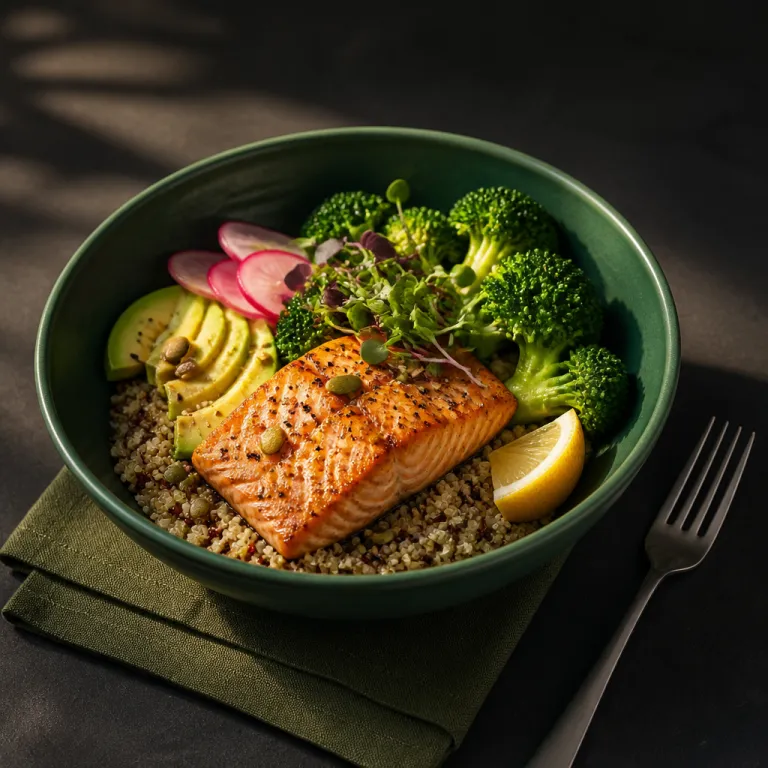
Wellness should also extend into minibar and in room dining, where many hotels still default to ultra processed snacks and heavy late night dishes that contradict their public wellness narrative. A practical example from a 220 room urban business hotel illustrates the impact: by replacing 40% of traditional minibar stock with portion controlled nuts, low sugar beverages and functional chocolate, and by introducing a compact room service menu of three wellness led dishes using existing inventory, the property reported a 12% uplift in minibar revenue, a 9% increase in average room service check and a 22% repeat order rate on the top selling wellness bowl over a six month period (internal hotel data, not independently audited). For room service, that kind of focused menu engineering delivers a strong guest experience without adding operational complexity or increasing waste.
Winning the corporate RFP with measurable wellness performance
From the perspective of a hotel GM, the strategic question is not whether wellness matters, but how to prove that a wellness focused dining program moves the P&L. Data from major operators and consulting firms indicates that over 60% of consumers are willing to spend more for customized experiences, as reported in Deloitte and McKinsey personalization studies (exact percentages and sample sizes should be checked in the original reports), and Accor has publicly communicated revenue uplifts from structured wellness programs in its 2022–2023 investor materials (readers should consult those filings for precise figures and methodology). When wellness is integrated into hotel FB management as a revenue strategy, not just a brand statement, it becomes a differentiator in corporate RFP responses and a driver of higher total revenue per available room.
Corporate buyers now ask specific questions about how hotels manage food waste, sustainable sourcing and allergen control, and they expect quantified answers rather than aspirational language. Strong properties respond with concrete KPIs such as wellness menu mix, average check uplift for wellness items, repeat order rate for functional beverages and correlation between wellness satisfaction scores and repeat bookings, which can be analyzed using frameworks like the ROI models for experiential dining on measuring what experiential dining actually returns. These metrics, combined with narrative case studies about how wellness menus supported specific corporate events, give travel managers the confidence that the hotel can deliver both guest safety and financial value.
To operationalize this, hotels should embed wellness metrics into daily f&b operations reviews, tracking not only revenue but also inventory efficiency, staff engagement and service consistency. Front of house teams need clear scripts and empowerment to talk about wellness options without sounding prescriptive, while kitchen staff require ongoing training to maintain nutritional integrity as menus evolve over time. When wellness becomes part of the hotel’s continuous improvement cycle, supported by feedback collection, program refinement and partnerships with local health organizations, it shifts from a trend to a durable competitive advantage in the hospitality industry.
FAQ
What defines a health-conscious hotel dining program for corporate travelers ?
A health conscious program offers nutritious, balanced meals that cater to diverse dietary needs, including plant based, gluten free and low sugar options. It integrates nutritionist input, clear allergen labeling and consistent execution across restaurants, bars, room service and banqueting. The program is measured through guest satisfaction, repeat booking behavior and incremental revenue from wellness items.
How can hotels ensure the nutritional value of wellness menus without overcomplicating operations ?
Hotels can collaborate with nutritionists to set nutritional guidelines and then translate these into standardized recipes stored in a central database. Chefs design dishes that fit existing kitchen workflows, while staff receive training materials that explain portion sizes, ingredients and functional benefits. Regular menu analysis and guest feedback help refine the offer without increasing complexity or food waste.
How does a wellness focused F&B strategy influence corporate RFP decisions ?
Corporate travel buyers increasingly evaluate hotels on how well their food and beverage programs support traveler health, safety and ESG goals. Properties that demonstrate robust allergen management, clear dietary communication and measurable wellness performance often gain preferred status and win more group business. Documented KPIs, case studies and transparent sourcing practices make the wellness proposition credible in competitive RFP processes.
Are plant-based and functional ingredient options now expected in business hotels ?
Plant based dishes and functional ingredients have moved from “nice to have” to expected in many urban business hotels, especially in higher rated segments. Guests look for plant based proteins, seed oil free cooking and beverages with ingredients such as ashwagandha or L theanine that support focus or relaxation. Hotels that integrate these thoughtfully into breakfast, bar and grab and go concepts can lift both guest satisfaction and average check.
What practical steps can a midscale hotel take to launch a wellness dining program ?
A midscale property can start by mapping current menus against dietary needs, then creating a small core of clearly labeled wellness dishes for breakfast, all day dining and room service. Partnering with local farmers and health organizations helps improve sourcing and credibility, while simple digital tools can display allergen and nutritional information in real time. From there, the hotel can track performance, gather guest feedback and gradually expand the program as results justify further investment.