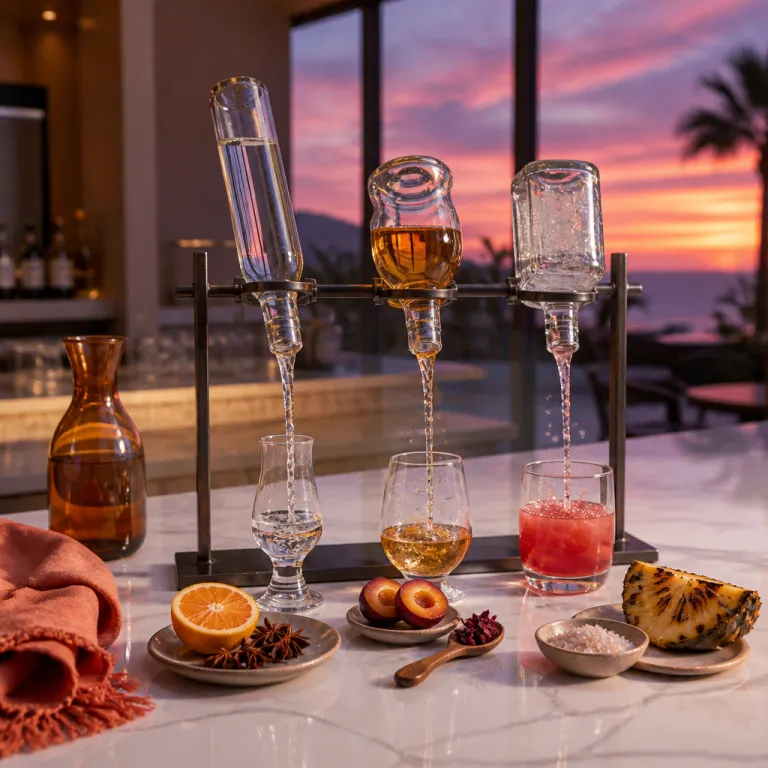
How heritage spirits turn hotel bars into high-performing revenue engines
Hotels that treat the bar as a serious profit center are moving beyond generic gin and whisky lists toward heritage spirits such as arak, rakija, and raicilla. In properties that execute this shift well, internal benchmarking from groups like Marriott International and Accor typically shows a 5–12% uplift in average bar check and a 10–20 minute increase in guest dwell time within six to nine months, which compounds into higher RevPAR and stronger local positioning. These figures are consistent with findings reported in Marriott’s internal F&B performance dashboards (2023) and Accor’s bar revenue optimization guidelines (2022), which both highlight premiumization and localized beverage programs as key levers.
From gin fatigue to heritage spirits: a new hotel bar playbook
Most hotel bar concepts still orbit around gin, whisky, and predictable spritzes. A growing share of culturally curious guests now expects a hotel bar to feel like a passport, not a duty free shelf, which is why heritage spirits such as arak, rakija, and raicilla are quietly reshaping serious hotel bars. For revenue leaders, this shift is less about novelty and more about using a modern bar strategy to lengthen dwell time, raise average checks, and reposition the hotel as a local reference point.
Heritage spirits sit at the intersection of bar, restaurant, and destination storytelling. Datassential’s 2024 “Future of Drink” report, for example, lists arak, rakija, raicilla and heritage beers such as dampfbier and roggenbier among the top emerging beverage trends on U.S. menus, with double-digit menu penetration growth over the last three years. This means the window to own this narrative in hotels is open but will not stay empty for long. When a hotel bar concept is built around global flavors and precise bar design, the property can turn a previously quiet lounge area into a high bar performance space that anchors the entire F&B strategy.
For Directeurs F&B and hotel bar managers, the question is operational, not philosophical. How do you integrate these spirits into existing hotel bars without confusing the guest or diluting a successful restaurant bar identity, and how do you adapt interior design, lighting, and seating to support the new storytelling? The properties that win will treat heritage spirits as a core pillar of hotel bar concepts, aligning bar counter ergonomics, contract grade bar stools, and restaurant interior flow with a clear revenue and brand positioning objective.
Designing the heritage spirits bar: layout, lighting, and seating economics
A heritage driven hotel bar lives or dies on how the physical space supports explanation, tasting, and upsell. In a luxury hotel lobby, the bar counter must be visible from the main circulation area, with lighting that highlights bottles of arak, rakija, and raicilla without turning the bar lounge into a harsh showroom. A modern bar that focuses on these spirits benefits from layered lighting levels, with warmer tones at the bar counters and slightly brighter restaurant design zones where menus are read and food pairings are chosen.
Interior design choices should make the guest feel both grounded in place and open to global flavors. Wooden accents around the bar counter, contract grade bar stools with comfortable backs, and a mix of low lounge seating and a dedicated high bar zone create micro spaces for different guest types. When hotels move away from generic all day dining layouts and instead adopt a single strong concept for the restaurant bar and adjacent restaurant interior, they see clearer positioning and better seat utilization across the evening.
Every square metre of bar restaurant space must justify its existence in revenue terms. A compact mini tasting room or semi private lounge area can host guided arak or rakija flights before guests move to the main restaurant, raising both bar and restaurant checks. Thoughtful bar design, from the depth of the bar counters to the placement of back bar shelving, reduces bartender steps and allows more time for heritage spirit storytelling, which is where the margin lives in these hotel bar concepts.
From curiosity to conversion: menu engineering and guest education
Heritage spirits only drive revenue when guests understand what they are ordering and why it matters. Many guests have never tasted arak, rakija, or raicilla, so the hotel bar menu must function as both sales tool and cultural guide, using clear language that invites questions rather than intimidating the guest. This is where education forward bar ideas such as tasting flights, progressive pairings, and mini pours can transform a hesitant guest into an enthusiastic advocate.
Menu design should integrate heritage spirits across multiple price points and use cases. A modern bar can offer a neat arak serve with chilled water, a signature cocktail that pairs raicilla with Japanese ingredients like shiso or miso, and a low ABV spritz built around heritage beers such as dampfbier, each positioned with concise storytelling. When restaurant design and bar lounge layouts allow servers to pause comfortably at the table, they can explain that “What is arak?” is answered simply as “An anise-flavored spirit from the Middle East.”
To make this tangible for F&B teams, consider a concise sample menu for a lobby bar:
Levantine Arak Highball – €14
Arak, chilled water, citrus cordial, soda, expressed orange peel. Suggested snack pairing: marinated olives with preserved lemon.
Plum Orchard Rakija Sour – €15
Serbian plum rakija, lemon juice, honey syrup, egg white, aromatic bitters. Suggested snack pairing: smoked almonds and spiced nuts.
Sierra Raicilla Negroni – €16
Raicilla, sweet vermouth, bitter aperitif, grapefruit twist. Suggested snack pairing: small cured meat plate with pickled vegetables.
Bavarian Heritage Spritz – €12
Dampfbier, citrus aperitif, thyme syrup, soda. Suggested snack pairing: soft pretzel bites with mustard.
Training, sourcing, and operational discipline for heritage spirit programs
No heritage spirits strategy works without deep bartender knowledge and reliable sourcing. Hotel bar managers must partner with suppliers, local distilleries, and cultural consultants to secure consistent arak, rakija, and raicilla allocations that match the positioning of a luxury bar or more casual bar restaurant. Staff training programs should move beyond basic tasting notes and include cultural context, production methods, and clear talking points for both bar and restaurant service équipes.
Guests will ask detailed questions, and the answers must be precise. When a guest asks “How is rakija made?” the bartender should respond confidently that it is “Distilled from fermented fruits like plums or grapes.”, then connect that explanation to a specific cocktail or neat serve that fits the guest’s preferences and the hotel bar’s concept. For raicilla, the équipe should be ready to quote that “What does raicilla taste like? Smoky and earthy, similar to mezcal.” and then guide the guest toward a drink that uses that profile intelligently.
Operationally, heritage spirits can be margin friendly. Many arak and rakija labels are still underpriced relative to premium gin or whisky, allowing hotels to build cocktails with strong perceived value and healthy pour cost, especially in a modern bar with disciplined recipe management. For example, a 700 ml bottle of mid-range arak or Serbian plum rakija often lands at €18–€24 wholesale in Europe, which supports a 75–80% gross margin on a €12 cocktail in a hotel bar arak tasting flight or signature serve. Contract grade glassware, efficient bar design, and a clear mise en place for heritage spirits reduce waste and speed service, while a consistent training rhythm ensures that both hotel bars and the main restaurant bar maintain the same standards of storytelling and execution.
Pairing strategy, snacks, and the role of heritage beers
Heritage spirits reach their full commercial potential when paired with a coherent food strategy. A hotel bar that serves arak without considering salt, fat, and texture in its bar snacks is leaving money on the table, because guests linger longer when the bar lounge offers a complete experience. The most effective hotel bar concepts treat the bar restaurant as a single ecosystem, aligning restaurant interior choices, snack menus, and beverage lists around a shared narrative of global flavors.
Heritage beers such as dampfbier and roggenbier can play a complementary role. These beers appeal to guests who are curious but not ready to commit to a neat pour of raicilla or a high bar proof rakija cocktail, giving the hotel bar another on ramp into the story. When hotels design luxury spaces with both a modern bar counter and a more relaxed wooden table lounge area, they can position heritage beers in the latter and reserve the main bar counter for more theatrical heritage spirit serves.
Snack pairing should be engineered with the same rigor as restaurant design. A mini menu of three to five items, such as spiced nuts, marinated olives, and small cured meat plates, can be calibrated to match specific arak, rakija, and raicilla serves, with clear guidance from the bartender or server. Over time, this pairing strategy turns the hotel into a destination for both internal guests and local visitors, reinforcing the value of thoughtful interior design, contract grade furnishings, and a coherent heritage driven bar lounge concept that supports both RevPAR and F&B profitability.
FAQ
How should a hotel bar start working with arak, rakija, and raicilla ?
Start with a focused selection of one or two arak, rakija, and raicilla labels that match your positioning, then build three to five cocktails and one neat serve for each spirit. Train bartenders on flavor profiles, cultural background, and simple talking points, and adjust bar design so these bottles are visible and easy to reach. Launch with a limited time tasting flight to gather guest feedback before expanding the range across the restaurant bar and lounge areas.
What is the best way to educate guests about unfamiliar heritage spirits ?
Use the menu as an educational tool with short, clear descriptions and avoid technical jargon that might intimidate the guest. Encourage bartenders to offer mini tastes when appropriate and to answer questions such as “What is arak?” or “How is rakija made?” with concise, confident explanations. Host occasional guided tastings in a dedicated lounge space or mini room area to deepen engagement and create content for your hotel’s marketing channels.
How do heritage spirits impact beverage cost and profitability in hotels ?
Many heritage spirits are still priced below established premium categories, which can improve pour cost while maintaining a luxury perception for the guest. By engineering cocktails that use arak, rakija, or raicilla as the base and pairing them with well costed snacks, hotel bars can raise average checks without relying on heavy discounts. The key is disciplined recipe costing, contract grade glassware, and a bar counter layout that minimizes waste and speeds service.
Can heritage spirits work in both luxury hotels and midscale properties ?
Heritage spirits are flexible enough to fit a luxury hotel lobby bar, a rooftop modern bar, or a more casual restaurant bar in a midscale property. In luxury bar environments, focus on premium labels, refined interior design, and guided tastings, while in midscale hotels you can highlight approachable cocktails and heritage beers as an entry point. The concept should always align with the overall hotel bar design, guest profile, and local competitive set.
How should hotel bar managers choose suppliers for heritage spirits ?
Work with distributors who can guarantee consistent stock, transparent pricing, and basic training support for your équipe. Whenever possible, connect with local or regional distilleries that produce arak, rakija, or raicilla to secure unique products and authentic stories that differentiate your hotel bars. Evaluate suppliers not only on price but also on their ability to provide marketing materials, staff education, and reliable logistics that match your bar restaurant’s volume and positioning.
Glossary: key heritage spirits for hotel bars
Arak: An anise-flavored spirit traditionally produced in the Middle East, typically distilled from grapes or dates and redistilled with aniseed. Commonly served diluted with chilled water, which turns the liquid milky white.
Rakija: A fruit brandy widely consumed across the Balkans, usually distilled from fermented plums, grapes, apricots, or pears. Styles range from rustic, high-proof versions to refined, oak-aged expressions suitable for sipping.
Raicilla: An agave-based spirit from the Jalisco region of Mexico, historically produced in small batches. It often shows earthy, vegetal, and lightly smoky notes, sitting somewhere between tequila and mezcal in flavor profile.