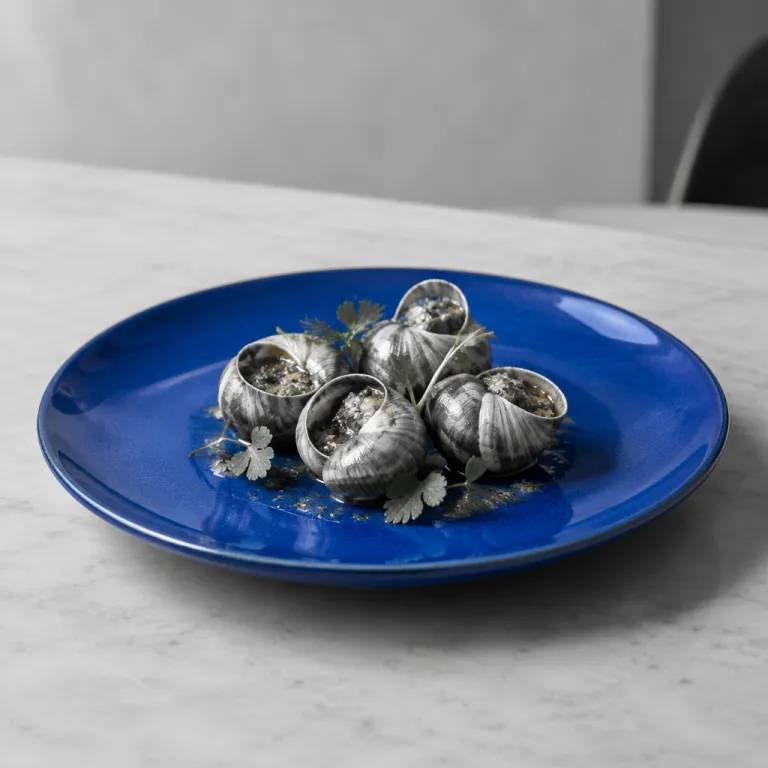
How French “weird foods” become strategic F&B assets in hospitality
Turning French “weird foods” into strategic F&B assets
French “weird food” sits at the crossroads of heritage, provocation and margin. For Directeurs F&B and chefs exécutifs, these unusual French dishes can become powerful storytelling tools that differentiate a property in a crowded foods France landscape. When handled with rigor, each traditional dish that once shocked people can now anchor premium tasting menus, French offal dining experiences and curated hotel food journeys.
Across France, items such as escargots, cuisses de grenouille or tête de veau have long been considered everyday French foods rather than curiosities. International guests, however, often classify these same foods as weird foods, which creates a natural tension you can monetize through guided tastings and pairing dinners. The key is to frame each French food as a cultural narrative, not a dare, and to train service teams to explain why people in France still eat these products with pride.
For hotel groups and independent operators, the strategic question is not whether a food is weird, but whether the taste profile, perceived risk and operational complexity justify the margin. A carefully staged French cuisine experience around offal, blood sausage or aged cheese can command a higher average check than a standard brasserie menu. Investors in restauration should view these French dishes as niche, high yield assets that require strong brand alignment, disciplined roll out and clear positioning within broader hotel tasting menu ideas.
From offal to icons : tripe, tête de veau and boudin noir
Offal-based French dishes remain the backbone of many regional menus, even as consumption declines. Andouillette, made from pork tripe and intestines, illustrates how a strong smell can repel some guests while creating fierce loyalty among others who love the intense taste. Consumer research from IFOP and traditional butcher shop associations regularly shows that a majority of French adults have tried andouillette at least once, confirming that tripe-based recipes are still embedded in everyday French food culture.
Tête de veau, or tête de veau en tortue, is another emblematic dish where the whole calf head is simmered, sliced and often served with ravigote sauce. When you present calf head on a hotel menu, the wording matters as much as the cooking; highlight slow cooking, gelatin-rich meat and texture, and position ris de veau as a more approachable gateway for guests new to veal offal. In tasting menus, alternating small bites of tripe, boudin noir and braised veal cheeks with lighter seafood or vegetable courses keeps palates engaged and reduces perceived heaviness.
Blood-based preparations such as boudin and boudin noir can be reframed as heritage nose-to-tail cuisine that reduces waste and respects the animal. For international guests who hesitate at the idea of blood sausage, pairing a small boudin noir portion with apple purée, a precise photo on the menu (with alt text such as “boudin noir with apple purée on fine dining plate”) and a clear explanation of spices can shift the narrative from weird to refined. To deepen this storytelling around bold flavors, many properties now cross reference their offal menus with other strong identity cuisines, such as the use of zaatar or harissa in Middle Eastern inspired hotel kitchens described in this analysis of Middle Eastern ingredients reshaping hotel menus.
Sea, land and shell : frog legs, sea urchin and escargots
For many international travellers, the most iconic French weird food remains frog legs and snails. Cuisses de grenouille and escargots de Bourgogne are, in reality, highly codified French dishes with precise butter, garlic and herb ratios that deliver comfort more than shock. The weird label comes less from taste and more from the image of frog legs and snails on the plate, which makes them ideal candidates for guided hotel tasting menu ideas and experiential dining.
Escargots, whether classic escargots de Bourgogne or modern variations with miso butter, offer an ideal entry point into weird foods for cautious guests. The meat is tender, the garlic butter familiar, and a strong wine pairing program can elevate the experience while driving beverage margin, especially when aligned with a strategic wine focus such as the one outlined in this piece on hotel sommelier programs as margin drivers. Frog legs can be positioned as the French answer to chicken wings, with crisp textures and subtle meat flavors that pair well with both natural wines and craft beers.
On the seafood side, sea urchin (oursin) is a textbook example of a product that looks intimidating yet offers a luxurious, iodine-rich taste. Presenting sea urchin in small portions, perhaps as a topping on a tartine or in a custard, helps guests eat it without fear while keeping food cost under control. Operators can also stage comparative tastings where guests sample escargots, frog legs and sea urchin alongside more familiar French foods, then vote on their favorite dish, creating data you can later use to refine menu engineering and even breakfast innovation, much like the approach described for Latin American specialties in this study of Peruvian breakfast foods reshaping morning menus.
Cheese extremes : casgiu merzu, brie noir and the power of aging
Cheese is where French weird food reaches its most controversial peak. Casgiu merzu, the Corsican fermented cheese that contains live larvae, is officially restricted in many parts of the European Union, yet still eaten locally off market. For hotel and resort operators, this cheese is more a storytelling reference than a product to serve, but it illustrates how far French cheese culture can go in the pursuit of intense taste.
Brie noir, a long-aged version of brie that becomes dark, firm and sharply flavored, offers a more operationally realistic option for high-end cheese programs. Unlike fresh brie, brie noir can be matured for years, developing a concentrated umami profile that pairs beautifully with oxidative wines and fortified beverages. Presenting a vertical tasting of brie styles, from young to brie noir, allows guests to understand aging as a culinary journey rather than a stunt, and positions your property as an authority on French foods, cheese maturation techniques and distinctive hotel cheese trolley concepts.
For F&B directors, the challenge is to balance regulatory compliance, supply chain reliability and guest safety with the desire to showcase authentic foods from France. While casgiu merzu itself may remain off limits, its story can enrich staff training on fermentation, risk management and communication around strong-smelling cheese. A carefully curated cheese trolley that includes brie noir, washed rind cheeses and goat cheeses from different regions of France can still evoke the spirit of weird French cheese without crossing legal or ethical lines.
Raw, rare and controversial : steak tartare, foie gras and texture management
Raw and semi-raw preparations occupy a special place in French cuisine and in guest perception of risk. Steak tartare, when executed with impeccable sourcing and HACCP discipline, can be both a signature French dish and a high-margin item that signals confidence in your meat supply chain. The same applies to foie gras, which remains one of the most popular yet ethically debated French foods among international travellers.
From an operational standpoint, the success of steak tartare, foie gras and ris de veau depends on texture management and guest education. Clear menu language about origin, fat content and preparation method reassures people who might otherwise avoid raw meat or organ meat, especially in markets where food safety scandals have shaped expectations. Offering tasting-size portions of steak tartare or pan-seared foie gras as part of a chef’s counter experience lets guests eat France in a guided way, with chefs explaining why these foods became central to French food culture.
For investors and asset managers, these controversial items require a precise risk–benefit analysis. On one hand, foie gras and steak tartare drive check averages and reinforce the perception of authentic French cuisine, especially when paired with a strong wine or cocktail program. On the other hand, they demand robust training, clear sourcing standards and crisis communication plans in case of animal welfare campaigns or food safety incidents, which means they must be integrated into the broader brand narrative rather than treated as isolated weird foods.
Designing guest journeys around French weird food in hotels and resorts
Transforming French weird food into a coherent hospitality experience starts with guest segmentation. Not every traveller wants to eat calf head, tripe or blood sausage, but a surprising number are willing to taste them in a safe, guided context. Building optional culinary journeys, rather than forcing weird foods into every outlet, respects this diversity while still leveraging the storytelling power of French cuisine and French offal dining rituals.
One effective approach is to create themed evenings or chef’s table events where guests move from lighter items such as escargots or frog legs toward more challenging dishes like tête de veau, boudin noir or andouillette. Along the way, staff can present photo-rich menus (with alt text such as “tasting menu of French offal dishes in hotel restaurant”), explain regional origins in France and offer pairing suggestions that highlight both wine and non-alcoholic beverages. This staged progression allows people to calibrate their own limits while still feeling part of a shared cultural exploration.
Digital tools can reinforce these journeys by capturing feedback on each dish, tracking which weird foods convert first-time tasters into repeat orders and identifying which French foods perform best with specific nationalities. Over time, this data supports more precise menu engineering, from deciding whether to keep cuisses de grenouille on the all-day menu to determining if sea urchin should remain a seasonal special. For suppliers and investors, such analytics demonstrate that weird French food is not a gimmick but a measurable lever for differentiation, loyalty and long-term F&B profitability.
Key statistics on French weird food in hospitality
- Traditional butcher shop data and consumer surveys in France indicate that around seven in ten residents have tried andouillette at least once, showing that tripe-based dishes remain embedded in everyday French food culture even as tourism markets label them weird.
- Regional surveys in Limousin and Nouvelle-Aquitaine typically report at least one emblematic sheep testicle dish per département, confirming that so-called weird foods are often hyper local rather than nationwide phenomena.
- Legal assessments within the European Union classify casgiu merzu style maggot cheeses as officially prohibited in many jurisdictions, which forces hotels to focus on storytelling and safer aged cheeses like brie noir instead of serving the product directly.
- Internal benchmarking from major hotel groups such as Accor, Marriott and independent luxury collections shows that curated offal or nose-to-tail tasting menus can significantly lift average check value when paired with structured wine programs and strong table-side storytelling, although exact percentages vary by concept and market.
- Guest satisfaction tracking in upscale properties often reveals that once guests try items such as escargots or frog legs in a controlled setting, repeat order rates on subsequent visits can exceed 40 %, turning initial curiosity into sustained demand.
FAQ about French weird food in hospitality
Are weird French foods like casgiu merzu legal to serve in hotels ?
Casgiu merzu and similar maggot-fermented cheeses are officially restricted or illegal in many parts of the European Union, including France, due to food safety regulations. Hotels and resorts should not serve these cheeses on property, but can reference them in educational content or staff training to illustrate the extremes of French cheese culture. Always verify current national and local regulations before considering any borderline product.
How can we present dishes like tête de veau or tripe without scaring guests ?
Language, portion size and context are crucial when presenting calf head, tripe or blood-based dishes. Use menu descriptions that emphasize slow cooking, texture and sauces rather than anatomical terms, and offer tasting portions within guided menus or chef’s table experiences. Visual aids such as high-quality photos and tableside explanations from trained staff help guests feel informed rather than ambushed.
Do weird French foods actually sell well in upscale hotels ?
When curated carefully, weird French foods can perform strongly, especially with food-curious travellers and repeat guests seeking new experiences. Items like escargots, frog legs, steak tartare and foie gras often become signature dishes that drive both revenue and brand differentiation. The key is to align these offerings with the property’s positioning and to support them with strong beverage pairings and consistent quality.
What training do teams need to handle offal and blood-based dishes safely ?
Teams need rigorous HACCP training, clear specifications for sourcing and storage, and precise cooking or serving protocols for offal, raw meat and blood sausage. Regular refreshers on cross-contamination risks, temperature control and allergen communication are essential, especially when serving steak tartare or boudin noir. Service staff also require cultural training so they can explain these dishes confidently and respectfully to international guests.
How can investors evaluate the ROI of adding weird French food to a portfolio ?
Investors should look at incremental revenue from themed menus, upsell rates on signature weird dishes and beverage attachment linked to these items. They should also consider qualitative metrics such as media coverage, social media engagement and guest reviews that reference unique French foods as part of the brand experience. A pilot in one or two flagship properties, with clear KPIs and guest feedback loops, provides concrete data before scaling across a wider portfolio.